Spousal Support Lawyer Virginia: Alimony & Divorce Support


Virginia Spousal Support Lawyers: Protecting Your Future in Fairfax, Richmond, and Beyond

As of December 2025, the following information applies. In Virginia, divorce spousal support involves financial provisions decided by a court based on factors like income, marriage duration, and contributions. Securing a skilled VA spousal support lawyer is essential to protect your financial stability after divorce. The Law Offices Of SRIS, P.C. provides dedicated legal defense for these matters.

Confirmed by Law Offices Of SRIS, P.C.

What is Spousal Support in Virginia?

Spousal support, often called alimony, is a payment made by one spouse to another after a divorce. It’s meant to help the receiving spouse maintain a reasonable standard of living or become self-sufficient, especially if they’ve been financially dependent during the marriage. Think of it like this: if one spouse earned significantly more or sacrificed career opportunities to raise kids or support the other’s career, spousal support can bridge the gap while they adjust to post-divorce life. It’s not a punishment; it’s a tool for fairness in financial restructuring.

Virginia law provides clear guidelines for judges when deciding spousal support, but it’s rarely a cut-and-dry calculation. A judge considers a lot of things before making a decision. This includes how long you were married, each person’s income and earning potential, their age and health, and their contributions to the family – both financial and non-financial, like caring for children or maintaining the home. They also look at the standard of living established during the marriage and any marital fault, like adultery. The goal is often to help someone get back on their feet, not to create a lifelong dependency, though permanent support can be awarded in longer marriages or specific circumstances.

There are different types of spousal support. You might hear about “pendente lite” support, which is temporary support while the divorce case is ongoing. There’s also “rehabilitative” support, designed to help a spouse get education or training to become self-supporting. Then there’s “periodic” support, which is what most people think of as traditional alimony, paid regularly. Sometimes, support can be a lump sum. Each situation is unique, and what applies to your neighbor won’t necessarily apply to you. That’s why understanding these differences and how they relate to your specific circumstances is so vital.

Takeaway Summary: Spousal support in Virginia aims to provide financial equity after divorce, considering many factors and coming in various forms. (Confirmed by Law Offices Of SRIS, P.C.)

How Do Virginia Courts Determine Spousal Support?

When you’re facing a divorce and spousal support is on the table, it can feel like a really heavy burden. You might be worried about how you’ll pay your bills or if you’ll ever get back on your feet. Understanding the process can help relieve some of that fear. It’s not a mystery, but a series of steps courts take to arrive at a fair outcome. Here’s how it generally plays out in Virginia:

  1. Initial Filing and Temporary Orders (Pendente Lite Support): When one spouse files for divorce, they can also ask the court for temporary spousal support. This is called “pendente lite” support, meaning “pending litigation.” It’s designed to ensure both parties can maintain their financial stability while the divorce case moves forward. The court looks at immediate needs and abilities to pay, making a quick assessment to avoid undue hardship for either spouse during what can be a lengthy legal process. It’s a short-term fix, not a final decision.
  2. Financial Discovery Process: This is where everyone lays their cards on the table. Both spouses exchange detailed financial information, including income statements, tax returns, bank accounts, investment portfolios, debts, and expense records. The court needs a complete picture of each person’s financial situation. It’s not just about what you earn now, but what you’re capable of earning. This can involve looking at employment history, education, skills, and any career sacrifices made during the marriage. Being thorough here is absolutely necessary.
  3. Negotiation and Mediation: Many couples try to work out spousal support themselves, often with lawyers present, or through mediation. Mediation involves a neutral third party helping you and your spouse discuss and agree on terms. This approach can save you time, money, and emotional stress compared to going to court. When you reach an agreement, it becomes part of your divorce decree. A good agreement is one you both can live with, even if it’s not exactly what either of you originally wanted.
  4. Court Hearing and Judicial Factors: If you can’t agree, a judge will decide. Virginia law (specifically Virginia Code § 20-107.1) lists over a dozen factors a judge must consider. These include: the duration of the marriage; the age and physical and mental condition of each spouse; the monetary and non-monetary contributions of each spouse to the well-being of the family; the circumstances and factors that contributed to the dissolution of the marriage (including marital fault like adultery, if proven); the needs of each spouse; the earning capacity of each spouse; and any property interests. This isn’t a simple checklist; the judge weighs all these points to reach a fair determination.
  5. Final Order and Potential for Modification: Once the judge makes a decision, it’s issued as a final order. This order outlines the amount of support, how often it’s paid, and for how long. However, life changes. In Virginia, spousal support orders can often be modified later if there’s a significant, material change in circumstances. This might be a job loss, a major health issue, or the recipient spouse remarrying. If you’re paying or receiving support, you need to know when and how you can ask the court to adjust it.

The entire process of determining spousal support can feel overwhelming. It involves a lot of financial disclosure, legal arguments, and often, emotional strain. Having a seasoned Virginia spousal support lawyer by your side can make all the difference, providing clarity and strong representation through each stage.

Can I Avoid Paying Spousal Support in Virginia?

This is a fear many people have, especially if they’ve been the primary earner. No one wants to feel like they’re going to be financially crippled by a divorce. While you can’t just opt out of spousal support without legal grounds, there are legitimate ways to address and potentially limit or prevent such an obligation in Virginia.

One primary way is through a **premarital agreement**, often called a prenup. If you had one in place before you got married, and it’s legally valid, it can dictate whether spousal support will be paid, how much, and for how long. It’s a conversation many couples shy away from, but it can provide clear boundaries and protect assets for both parties, potentially avoiding future disputes over support. Similarly, a **post-marital agreement** can serve the same purpose if entered into after marriage but before a divorce filing.

During the divorce process itself, you can try to **challenge the request for spousal support**. This isn’t about being mean-spirited; it’s about ensuring fairness and that the request aligns with the law. You might argue that your spouse has an exaggerated need, or that their earning capacity is much higher than they claim. Perhaps they’ve intentionally underemployed themselves. A knowledgeable Northern VA divorce attorney can help you gather evidence to present to the court regarding your spouse’s actual financial situation and ability to support themselves.

Another factor that can impact spousal support is **marital fault**. In Virginia, if one spouse committed adultery, it’s a total bar to spousal support unless denying it would result in a manifest injustice. That’s a strong legal hurdle. Other fault grounds like cruelty or desertion can also influence a judge’s decision. This is why discussing all aspects of your marriage’s breakdown with your lawyer is so important; seemingly small details can have major financial implications.

What if circumstances change after the divorce? Spousal support orders in Virginia are often modifiable. If the receiving spouse **cohabits with another person in a relationship analogous to marriage** for a year or more, spousal support may be terminated. This isn’t just about moving in together; it’s about sharing expenses and presenting yourselves as a couple. Or, if the paying spouse suffers a job loss, a significant pay cut, or a debilitating health issue, they can petition the court for a **modification or termination of support**. The same goes for the receiving spouse if their needs increase due to unforeseen circumstances or if they become self-sufficient.

Blunt Truth: You can’t just wish away a spousal support obligation or expectation. It requires a well-thought-out legal strategy, often starting long before divorce papers are even filed. Ignoring the potential for spousal support, whether you expect to pay or receive it, is a costly mistake. Your best bet is to understand the law and your options, and then act decisively with proper legal counsel. Don’t leave your financial future to chance.

Why Hire Law Offices Of SRIS, P.C. for Your Virginia Spousal Support Case?

Going through a divorce, especially when spousal support is involved, can feel like you’re walking a tightrope without a net. The financial and emotional stakes are incredibly high. You need someone in your corner who gets it, someone who can offer not just legal savvy but also a sense of reassurance. At the Law Offices Of SRIS, P.C., we understand these concerns and approach each case with a blend of directness and empathy.

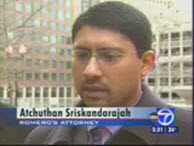
Mr. Sris, the founder and principal attorney, brings a wealth of experience to family law matters. He sums up his philosophy perfectly: “My focus since founding the firm in 1997 has always been directed towards personally representing the most challenging family law matters our clients face.” This isn’t just a tagline; it’s the core of how we operate. We don’t shy away from difficult cases because we believe everyone deserves strong, dedicated representation.

Our firm has been representing clients in Virginia for decades, building a reputation for meticulous preparation and strategic advocacy. Whether you’re in Fairfax, Richmond, Virginia Beach, Prince William, Loudoun, or any surrounding area, we understand the local courts, the judges, and the nuances of Virginia family law. This local insight, combined with extensive legal experience, means we’re equipped to manage the specific challenges your case presents.

We know that every spousal support case is different, carrying its own set of facts, emotions, and financial implications. We’re here to listen to your story, explain your options in plain English, and develop a legal strategy tailored to your goals. Our aim is to achieve the best possible outcome for you, whether that’s through negotiation, mediation, or aggressive litigation in court. We make sure you’re informed at every step, so you can make confident decisions about your future.

When you choose the Law Offices Of SRIS, P.C., you’re choosing a team that values open communication and robust advocacy. We’re not just your lawyers; we’re your guides and advocates during one of life’s most trying times. Our goal is to protect your financial interests and help you move forward with stability.

For residents in and around Fairfax, our local presence means convenient and accessible legal support:

Law Offices Of SRIS, P.C.
4008 Williamsburg Court
Fairfax, VA, 22032, US
Phone: +1-703-636-5417

If you’re facing spousal support issues in Virginia, don’t wait to get legal advice. Your financial future is too important to handle alone.

Call now to schedule a confidential case review and discuss how we can help protect your interests.

Frequently Asked Questions About Virginia Spousal Support

What’s the difference between spousal support and child support?

Spousal support (alimony) is for a divorcing spouse’s financial needs, while child support is for the children’s needs. Child support is generally mandatory and calculated by strict guidelines; spousal support is discretionary and based on many factors, designed to help a former spouse become self-sufficient.

How long does spousal support usually last in Virginia?

The duration varies widely. For marriages under 20 years, support often lasts for about half the length of the marriage. For longer marriages, it might be indefinite or for a specific, longer period. A judge considers factors like age and ability to work.

Can spousal support be modified after a divorce?

Yes, usually. Spousal support orders can be modified if there’s a significant, material change in circumstances for either spouse, like a job loss, a major health issue, or the recipient remarrying. Agreements can sometimes make support non-modifiable.

Does adultery impact spousal support in Virginia?

Absolutely. If a judge finds that one spouse committed adultery, that spouse is generally barred from receiving spousal support, unless denying it would cause a “manifest injustice.” It’s a significant factor in Virginia law.

What if my ex-spouse won’t pay spousal support?

If your ex-spouse stops paying, you can file a motion with the court to enforce the order. The court can take action, such as wage garnishment, bank account levies, or even finding the non-paying spouse in contempt, which can carry serious penalties.

Can I get spousal support if we weren’t married long?

It’s less likely for very short marriages, but not impossible. The duration of the marriage is a key factor. If there was a significant financial imbalance or specific circumstances, a judge might still award temporary or rehabilitative support.

Do I need a lawyer for spousal support?

While not legally required, having an experienced VA spousal support lawyer is highly advisable. The laws are complex, and a lawyer can ensure your rights are protected, help you gather evidence, and present your case effectively to achieve a fair outcome.

What factors does a judge consider for spousal support?

Judges look at many things: marriage duration, age, physical/mental condition, financial resources, earning capacity, contributions to the marriage (monetary and non-monetary), standard of living, and any fault leading to the divorce. It’s a holistic review.

Is there a specific formula for spousal support in Virginia?

No, Virginia does not use a strict formula like some other states. While some jurisdictions use guidelines for temporary support, final spousal support awards are left to the judge’s discretion based on the specific factors outlined in Virginia Code § 20-107.1.

What’s “rehabilitative” spousal support?

Rehabilitative support is a type of spousal support awarded for a limited time. Its purpose is to help the receiving spouse obtain education, training, or work experience to become financially self-sufficient. It aims to empower independence rather than create long-term dependence.

The Law Offices Of SRIS, P.C. has locations in Virginia in Fairfax, Loudoun, Arlington, Shenandoah and Richmond. In Maryland, our location is in Rockville. In New York, we have a location in Buffalo. In New Jersey, we have a location in Tinton Falls.

Past results do not predict future outcomes.


We'll Get you Soon

Ashburn

20130 Lakeview Center Plaza
Room No: 403, Ashburn, VA 20147
Phone: 571-279-0110

Arlington

1655 Fort Myer Dr, Suite 700,
Room No: 719
Arlington, VA 22209,
Phone: 703-589-9250

Fairfax

4008 Williamsburg Court
Fairfax, Virginia 22032
Phone: 703-278-0405

Richmond

7400 Beaufont Springs Drive, Suite 300
Room No: 211, Richmond, Virginia 23225
Phone: 804-201-9009

Shenandoah

505 N Main St, Suite 103
Woodstock, VA 22664
Phone: 888-437-7747

Rockville

199 E. Montgomery Avenue, Suite 100
Room No: 211, Rockville, Maryland, 20850
Phone: 888-437-7747

New Jersey

230 Route 206, BLDG #3,
Office #5, Flanders NJ, 07836
Phone: 1-856-2916150

Colombia

Carrera 7 # 18-80 Oficina 606,
Edificio Centro Financiero,
Pereira RDA Colombia
Phone: 3419-197

Scroll to Top

DUE TO CORONAVIRUS CONCERNS, WE ALSO OFFER CONSULTATIONS VIA SKYPE VIDEO - CALL - TODAY FOR AN APPOINTMENT - 855-696-3348