


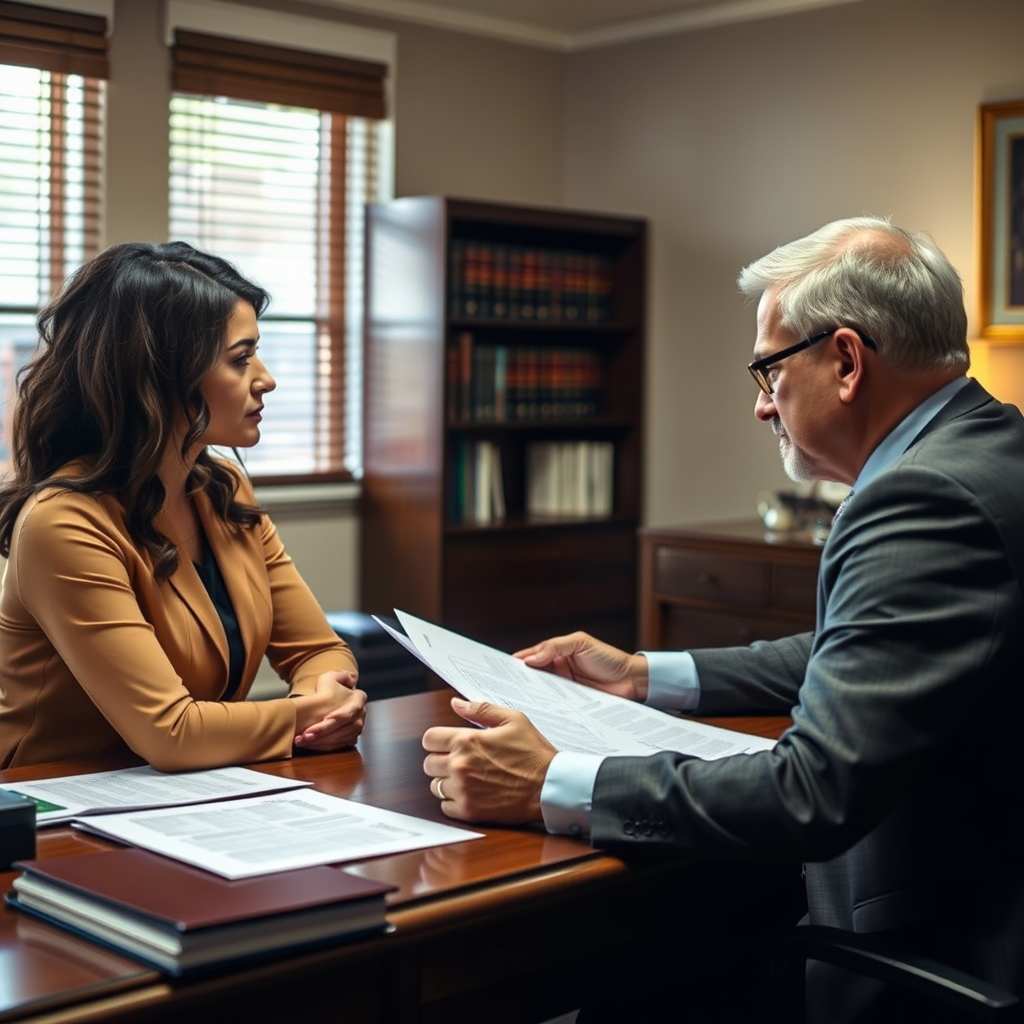
Felony Conviction Divorce Attorney Fauquier County, VA: Your Path Forward
As of December 2025, the following information applies. In Virginia, a divorce involving a felony conviction often introduces complex challenges regarding grounds for divorce, child custody, and property division. A felony conviction doesn’t automatically bar you from divorce, but it significantly impacts the process. The Law Offices Of SRIS, P.C. provides dedicated legal representation for these matters in Fauquier County, VA, guiding clients through the necessary legal steps to achieve resolution.
Confirmed by Law Offices Of SRIS, P.C.
What is a Felony Conviction Divorce in Virginia?
A felony conviction divorce in Virginia refers to a marital dissolution where one spouse has been convicted of a felony offense. Unlike some other states, Virginia law specifies certain felony convictions as potential grounds for divorce, particularly those that result in incarceration for a significant period. This type of divorce isn’t just about ending the marriage; it involves untangling the legal and personal fallout from the criminal conviction, which can affect everything from spousal support to visitation rights. It’s a situation that brings a lot of uncertainty, making it hard to see a clear way forward. At Law Offices Of SRIS, P.C., we understand these concerns and focus on providing a clear strategy.
When a spouse faces a felony conviction, the emotional toll on the family is immense, and the legal implications for the marriage are profound. Virginia law acknowledges these severe circumstances, allowing for a divorce on specific grounds related to the conviction. This means you don’t necessarily have to wait for a typical separation period if the felony conviction meets the statutory requirements. We’re talking about situations where the conviction itself becomes a basis to end the marriage without fault, or at least accelerates the process. It’s important to understand that while a felony conviction can be a ground for divorce, it also complicates other aspects of the divorce, such as the division of assets, child custody arrangements, and spousal support. This isn’t just a simple box to check; it requires a thoughtful and strategic approach to ensure your rights and future are protected. It’s about taking control of a situation that feels out of control, securing your future, and moving past the shadow of the conviction.
Understanding the Impact of a Felony Conviction on Your Divorce
A felony conviction can cast a long shadow over a divorce proceeding in Fauquier County, VA. Beyond serving as a potential ground for divorce, it can heavily influence how a court views various aspects of your case. For instance, if the convicted spouse is incarcerated, their ability to participate in custody decisions or even visit with children might be severely restricted. Judges consider the best interests of the children above all else, and a parent’s felony record, especially if it involves violence or child-related offenses, will weigh heavily. Similarly, financial aspects can be impacted. If a spouse is incarcerated, their earning capacity is obviously diminished, which can affect spousal support awards and the overall division of marital assets. The court will look at the circumstances surrounding the conviction, the length of incarceration, and the potential for rehabilitation when making these determinations. It’s a tough reality, but it’s one that needs to be addressed directly and honestly in court.
Moreover, the type of felony committed also matters greatly. A white-collar crime might have different implications for child custody than a violent crime, for example. The court isn’t just looking at the fact of the conviction, but the specifics. This requires careful presentation of facts and a clear legal argument. A skilled attorney understands how to present these nuances to the court, advocating for your best interests while acknowledging the realities of the situation. It’s about building a case that protects your future, your children, and your financial stability, even when faced with challenging circumstances. The goal is to move forward with a divorce settlement that is fair and sustainable, allowing you to rebuild your life.
Takeaway Summary: A felony conviction can be grounds for divorce in Virginia and significantly impacts child custody, support, and property division. (Confirmed by Law Offices Of SRIS, P.C.)
How to Navigate a Divorce with a Felony Conviction in Fauquier County, VA?
Navigating a divorce when a felony conviction is involved in Fauquier County, VA, demands a precise and empathetic approach. It’s not a simple process, but with the right guidance, you can manage it effectively. Here’s a look at the typical steps involved:
-
Initiating the Divorce Process and Grounds
The first step involves formally filing a divorce complaint with the Fauquier County Circuit Court. If a felony conviction is involved, you might have specific grounds for divorce available to you under Virginia law. For example, if one spouse has been convicted of a felony and sentenced to confinement for a year or more, and has been incarcerated for at least that long, this can serve as a ground for a fault-based divorce. This avoids the typical one-year separation period often required for no-fault divorces. It’s vital to clearly state these grounds in your initial filing, providing all necessary documentation and evidence of the conviction. A knowledgeable attorney will ensure this initial filing is correctly executed to establish your legal standing and protect your rights from the outset.
-
Addressing Child Custody and Visitation
Child custody and visitation become particularly sensitive issues when a felony conviction is present. The court’s primary concern is always the child’s best interests. This means that a parent’s criminal history, especially if it involves offenses that could impact a child’s safety or well-being, will be thoroughly scrutinized. Factors such as the nature of the felony, the length of any incarceration, and the parent’s current living situation and rehabilitation efforts will be evaluated. You’ll need to present a comprehensive plan for custody and visitation that demonstrates how the children’s needs will be met, emphasizing a stable and safe environment. This often involves proposing supervised visitation or specific conditions to ensure the children’s safety and emotional well-being are paramount. Having an attorney who can advocate for appropriate arrangements while managing the complexities of the conviction is essential.
-
Dividing Marital Property and Debts
Dividing marital property and debts can also be complicated by a felony conviction. If one spouse is incarcerated, their ability to contribute to the marital estate or manage financial affairs might be limited. The court will consider all marital assets and liabilities, including any financial impact of the conviction itself (e.g., fines, restitution). The goal is an equitable distribution, which doesn’t necessarily mean a 50/50 split, but rather what is fair given all circumstances. This could involve valuing assets like real estate, retirement accounts, and personal property, and then negotiating or litigating how these will be divided. It’s crucial to have a comprehensive understanding of your marital estate and to articulate how the conviction has or hasn’t impacted specific assets or debts. Your lawyer will work to ensure a fair resolution that protects your financial future amidst these challenging circumstances.
-
Determining Spousal Support (Alimony)
Spousal support, or alimony, is another area where a felony conviction can significantly influence the court’s decision. The court considers various factors when determining spousal support, including the financial needs and resources of each party, the duration of the marriage, the standard of living established during the marriage, and the ability of each spouse to earn income. If a spouse is incarcerated due to a felony conviction, their earning capacity is likely severely impacted, which will be a major consideration. Conversely, if the non-convicted spouse’s financial stability has been severely undermined by the events leading to or following the conviction, this will also be weighed. The court aims to make an award that is fair and considers all economic realities, requiring careful presentation of financial evidence and a clear argument for what is just and equitable given the unique circumstances of the felony conviction.
-
Ensuring Legal Representation
Given the intricate legal and personal challenges of a divorce involving a felony conviction, securing experienced legal representation is absolutely vital. An attorney who is knowledgeable in both criminal and family law can provide the strategic guidance needed to manage the complexities of such a case. They can help you understand your rights, prepare and file all necessary documentation, represent you in court, and negotiate on your behalf. They’ll also assist in gathering evidence, presenting your case effectively, and anticipating potential challenges that might arise due to the conviction. Having a seasoned lawyer by your side means you don’t have to face this daunting process alone, ensuring that your interests are strongly defended every step of the way. This representation makes all the difference in achieving a favorable outcome during an emotionally charged and legally challenging time.
Can a Felony Conviction Prevent My Divorce in Fauquier County, VA?
No, a felony conviction itself generally will not prevent you from obtaining a divorce in Fauquier County, VA. In fact, under Virginia law, a felony conviction can actually serve as a ground for divorce, particularly if the convicted spouse is sentenced to confinement for one year or more and has been incarcerated for at least that period. This means the conviction can actually facilitate the divorce process by providing a clear legal basis to end the marriage without needing to prove a period of separation. However, while a conviction won’t stop the divorce from happening, it will profoundly impact various aspects of the divorce proceedings.
Consider the practical implications: A spouse in prison obviously can’t actively participate in child-rearing or contribute to household income in the same way. The courts in Virginia prioritize the best interests of any minor children, and a felony conviction will be a significant factor in determining custody and visitation rights. It’s not uncommon for courts to order supervised visitation or to grant sole custody to the non-convicted parent, depending on the nature of the crime and the length of incarceration. Similarly, the financial ramifications are considerable. The convicted spouse’s earning capacity is likely diminished or non-existent during incarceration, which directly affects spousal support calculations and the equitable division of marital assets and debts. Alimony might be affected by one spouse’s reduced ability to pay or the other spouse’s increased need due to the conviction’s impact on their shared life. Blunt Truth: A felony conviction doesn’t prevent divorce, but it certainly makes it a tougher row to hoe in terms of securing favorable terms for child custody, support, and property division. It transforms a complex situation into one requiring even more careful and strategic legal planning.
It’s also worth noting that the emotional weight of a felony conviction on a marriage can be immense, often leading to irreconcilable differences that are recognized by the court as grounds for divorce, even without the explicit felony-based ground. The loss of trust, the societal stigma, and the drastic changes in life circumstances are powerful catalysts for marital breakdown. While the law might see a felony as a ‘ground,’ for many, it’s the culmination of deeply damaging events that make continuing the marriage impossible. This is where an empathetic yet direct legal approach really matters. We don’t just process paperwork; we help you find a way to navigate the emotional and practical hurdles that come with ending a marriage under such strained conditions. Our focus is on bringing clarity and hope to what feels like a very dark time, ensuring your rights are upheld and your future is as secure as possible. This means looking at every angle, anticipating challenges, and building a robust case that addresses both the legal specifics and the human element of your situation. It’s about moving from uncertainty to a place of new beginnings, even if the path there is undeniably challenging.
Why Hire Law Offices Of SRIS, P.C.?
When you’re facing a divorce complicated by a felony conviction in Fauquier County, VA, you need more than just a lawyer; you need a knowledgeable and experienced advocate who understands the intricate intersection of criminal and family law. At Law Offices Of SRIS, P.C., we provide dedicated representation for these challenging cases. We get that this isn’t just about legal statutes; it’s about your future, your family, and finding stability amidst upheaval. Our approach is direct, empathetic, and focused on securing the best possible outcome for you.
Mr. Sris, the founder and principal attorney, brings a unique perspective to these difficult situations. As he puts it, “My focus since founding the firm in 1997 has always been directed towards personally handling the most challenging and complex criminal and family law matters our clients face.” This insight reflects our firm’s commitment to taking on the cases that demand significant legal acumen and a deep understanding of human factors. We don’t shy away from the hard stuff; we lean into it, providing the assertive and compassionate representation you deserve.
Our team at Law Offices Of SRIS, P.C. possesses the depth of experience required to dissect the nuances of your case. We understand how a felony conviction can impact child custody, property division, and spousal support, and we work tirelessly to protect your rights and achieve a fair resolution. We’re here to explain every step, demystify the legal jargon, and stand by you in court. Our goal is to alleviate your burden and allow you to focus on rebuilding your life. You’ll find a team ready to listen, strategize, and fight for your best interests.
Law Offices Of SRIS, P.C. has locations in Virginia in Fairfax, Loudoun, Arlington, Shenandoah and Richmond. For our clients in Fauquier County, VA, we serve your needs from our Fairfax location, conveniently located at: 4008 Williamsburg Court, Fairfax, VA, 22032, US. You can reach us directly at: +1-703-636-5417. We are ready to provide a confidential case review and discuss how we can assist you during this critical time. Call now.
Frequently Asked Questions About Felony Conviction Divorce in Fauquier County, VA
Q1: Is a felony conviction an automatic ground for divorce in Virginia?
No, it’s not always automatic. A felony conviction only serves as a ground for divorce in Virginia if the convicted spouse is sentenced to confinement for one year or more, and has been continuously incarcerated for at least that long. Other felony convictions may still lead to divorce based on irreconcilable differences.
Q2: How does a felony conviction affect child custody in Fauquier County?
A felony conviction significantly impacts child custody. The court prioritizes the child’s best interests, so the nature of the crime, incarceration length, and potential impact on the child’s safety and well-being will be thoroughly evaluated. Supervised visitation or sole custody for the other parent may be ordered.
Q3: Will I lose my property in a divorce if I have a felony conviction?
A felony conviction doesn’t automatically mean you lose your property. However, it can influence how marital assets are divided. The court considers the financial impact of the conviction (e.g., fines, restitution) and each spouse’s ability to contribute to the marital estate when determining an equitable distribution.
Q4: Can I get spousal support if my spouse has a felony conviction?
Yes, you can still seek spousal support. A felony conviction can affect spousal support calculations. The court will consider the convicted spouse’s diminished earning capacity due to incarceration and the financial needs of both parties to determine a fair and equitable support award.
Q5: What if my spouse was convicted of a non-violent felony?
The type of felony matters. Non-violent felonies might have different implications for child custody and visitation compared to violent crimes. The court will assess the specifics of the crime, but any felony conviction will still be a factor in various aspects of the divorce proceedings, requiring careful legal strategy.
Q6: How long does a felony conviction divorce take in Fauquier County, VA?
The duration varies based on the case’s complexity and whether it’s contested. If the felony conviction meets the statutory grounds, it can expedite the process by avoiding the one-year separation. However, disputes over custody or property can still prolong the proceedings. An attorney can provide a more specific timeline.
Q7: Do I need a specific divorce lawyer for felons in Fauquier VA?
While not a separate legal field, it’s highly beneficial to hire a divorce lawyer experienced with cases involving felony convictions. They understand the unique challenges and legal nuances, helping you navigate the complexities of child custody, property division, and spousal support effectively to protect your interests.
Q8: What evidence do I need to present about the felony conviction?
You’ll need official court documents detailing the conviction, the sentence, and the period of incarceration. This includes certified copies of judgments, sentencing orders, and records of confinement. Your attorney will guide you on gathering and presenting all necessary and admissible evidence to the Fauquier County court.
Q9: Can a felony conviction impact my ability to see my children after divorce?
Yes, absolutely. A felony conviction can significantly impact your ability to see your children. The court will assess the crime’s nature, your incarceration, and your potential for rehabilitation. Supervised visitation is common, or visitation rights may be restricted or suspended to ensure the children’s safety and best interests.
Q10: What if the felony conviction occurred before the marriage?
If the felony conviction occurred before the marriage, it typically won’t serve as a direct ground for divorce under Virginia’s specific felony divorce statute. However, it could still be relevant in child custody evaluations if it impacts parental fitness, or in property division if it affected pre-marital assets or debts.
The Law Offices Of SRIS, P.C. has locations in Virginia in Fairfax, Loudoun, Arlington, Shenandoah and Richmond. In Maryland, our location is in Rockville. In New York, we have a location in Buffalo. In New Jersey, we have a location in Tinton Falls.
Past results do not predict future outcomes.