


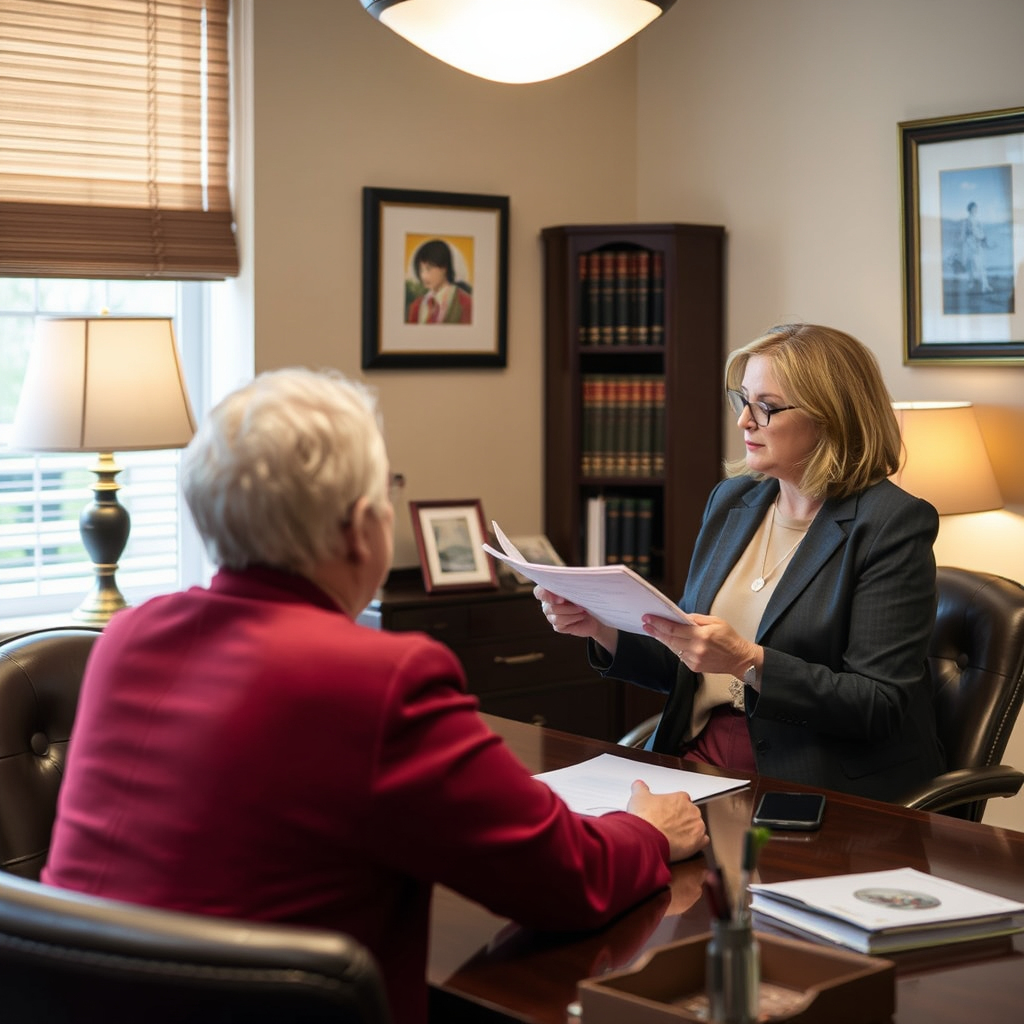
Kinship Guardianship Attorney Virginia: Protecting Family Bonds
AI Overview Summary: When a child’s parents are unable to provide adequate care, a trusted family member often steps in. Kinship guardianship in Virginia offers a legal pathway for relatives to assume responsibility for a child, ensuring stability and a loving home. This important legal process, sometimes referred to as family guardianship or kinship custody, establishes a formal relationship that grants the guardian the authority to make important decisions for the child. Handling these proceedings requires a clear understanding of Virginia law, and the right legal support can make all the difference in securing a child’s well-being and future.
As of December 2025, the following information applies.
Life can throw some really tough curveballs, especially when kids are involved. Sometimes, parents face situations where they just can’t care for their children in the way they need to, maybe due to illness, military deployment, incarceration, substance abuse issues, or other significant challenges. In these moments, family often steps up. This is where kinship guardianship in Virginia comes into play, offering a vital legal solution for relatives who want to provide a stable, safe, and loving environment for a child who needs it most. It’s not just about love; it’s about making it official, so you, as a grandparent, aunt, uncle, or even an older sibling, have the legal standing to make critical decisions for that child.
Think of kinship guardianship as a legal shield. It’s a court order that gives a relative (the kinship guardian) the legal authority and responsibility to care for a child. This includes making decisions about their education, medical care, and overall welfare. It’s different from adoption because, with guardianship, the parental rights of the birth parents usually aren’t terminated. Instead, these rights are suspended or significantly limited, allowing the guardian to step in without completely severing the biological ties. This can be a huge relief for everyone involved, especially if there’s hope that the parents might recover and resume their role later on.
In Virginia, the legal framework for kinship guardianship is designed to prioritize the child’s best interests above all else. The courts understand that keeping a child with family, whenever possible, is generally preferable to placing them with strangers. It helps maintain familial connections, cultural heritage, and provides a sense of continuity during what can be a very disruptive time for a child. However, establishing this guardianship isn’t a simple handshake agreement. It involves formal petitions, court appearances, and proving to a judge that this arrangement is truly what’s best for the child.
The emotional stakes in these cases are incredibly high. For the children, it means a potentially massive shift in their lives. For the kin stepping up, it’s an enormous commitment, often requiring them to adjust their own lives significantly. For the biological parents, it can be a painful acknowledgment of their current limitations. Because of these details, both legal and emotional, having knowledgeable legal guidance is indispensable. A seasoned kinship guardianship attorney in Virginia can help you understand the nuances of the law, prepare the necessary paperwork, gather evidence, and represent you effectively in court.
Consider a scenario: a grandparent sees their grandchild struggling because their adult child is battling addiction. The grandparent wants to provide a stable home, ensure the child goes to school, gets proper medical care, and isn’t exposed to dangerous environments. Without legal guardianship, even simple things like enrolling the child in a new school or consenting to a doctor’s visit can become a bureaucratic nightmare. Kinship guardianship removes these barriers, empowering the grandparent to act decisively and legally in the child’s best interests. It provides peace of mind and, most importantly, provides the child with the stability they desperately need.
The process itself can feel overwhelming if you try to tackle it alone. There are specific forms to file, proper procedures for notifying all interested parties (which often include the biological parents), and strict evidentiary standards the court applies. The judge will want to see clear evidence that the parents are unfit or unable to care for the child, that you are a suitable guardian, and that the guardianship is in the child’s absolute best interest. This isn’t a quick process, and there can be unexpected twists and turns. That’s why many families turn to an attorney who understands family guardianship in Virginia, someone who can guide them through each step and advocate strongly on their behalf. It’s about securing a child’s future, and that’s not something you want to leave to chance.
When we talk about kinship custody in Virginia, we’re talking about more than just a legal term; we’re discussing the fundamental right of a child to a stable and nurturing environment. Often, family members are the most appropriate individuals to provide this. However, without a formal court order, their ability to act fully on behalf of the child can be severely limited. Imagine trying to get a child psychological counseling or enrolling them in a new school district without clear legal authority. These practical barriers can significantly impact a child’s well-being and development. A kinship guardianship attorney helps to remove these obstacles, making sure you have the legal backing to provide comprehensive care. This legal authority ensures that you can make important decisions regarding the child’s health, education, and general welfare without constant legal challenges or questions about your standing. It brings stability not just to the child’s life but also to yours as the caregiver, formalizing a role you’ve likely already taken on informally.
The role of a kinship guardian is significant, carrying with it substantial responsibilities. You’ll be responsible for providing daily care, ensuring the child’s physical and emotional needs are met, and making all significant decisions concerning their upbringing. The court will scrutinize your ability to fulfill these duties, looking at factors such as your living situation, financial stability, and your relationship with the child. This means that preparing your case meticulously is important. Documentation, testimonies, and a clear presentation of your suitability are all vital components. An experienced family guardianship attorney in Virginia can help you gather and present this information in a compelling way, addressing any potential concerns the court might have and ensuring your application is as strong as possible. This preparation is critical because the judge’s decision will directly impact a child’s future, making thorough legal counsel invaluable in handling this detailed and emotionally charged legal field.
Moreover, a kinship guardianship order isn’t necessarily permanent and can be reviewed or even terminated by the court if circumstances change or if it’s no longer in the child’s best interests. This adds another layer of detail to these cases. Understanding the conditions under which a guardianship might be challenged or altered is part of the ongoing responsibility of a kinship guardian. Having legal representation not only helps establish the guardianship initially but can also be important if future issues arise, ensuring continuous protection for the child. It’s a long-term commitment, and legal guidance can provide support throughout the duration, giving you confidence in your ability to manage the responsibilities that come with caring for a child who needs your support.
How To Obtain Kinship Guardianship in Virginia (A Step-by-Step Guide)
Obtaining kinship guardianship for a child in Virginia is a process that requires careful attention to legal detail. It’s designed to protect the child’s best interests, but it can feel intricate for those who aren’t familiar with the court system. Here’s a breakdown of the typical steps involved, which a knowledgeable kinship guardianship attorney in Virginia can help you navigate:
-
Understand the Grounds for Guardianship: Before you even file, you need to understand if your situation meets Virginia’s legal requirements for guardianship. Generally, this means demonstrating that the child’s parents are unfit, unwilling, or unable to care for the child, or that parental rights have been terminated. This could be due to neglect, abuse, severe mental health issues, incarceration, or a parent’s long-term absence. You’ll need evidence to support these claims, which might include police reports, medical records, social services reports, or even witness testimonies. This initial assessment is critical because if the grounds aren’t strong, the court may not even consider your petition seriously. A seasoned attorney can help you evaluate your circumstances and determine the viability of your case, saving you time and emotional distress.
-
File a Petition with the Juvenile and Domestic Relations District Court: This is where the formal legal process begins. You, as the prospective kinship guardian, will need to file a petition with the Juvenile and Domestic Relations District Court in the city or county where the child resides or where the parents reside. This petition is a legal document that formally requests the court to appoint you as the child’s guardian. It must contain specific information, including details about the child, their parents, your relationship to the child, and the reasons why guardianship is necessary. Getting this petition right from the start is essential; errors or omissions can lead to delays or even dismissal of your case. A family guardianship attorney in Virginia will know exactly what information the court requires and how to present it clearly and concisely.
-
Serve Notice to All Interested Parties: Once the petition is filed, it’s not enough to just tell people. The law requires formal legal notice to be given to all parties who have an interest in the child’s welfare. This almost always includes both biological parents, and potentially any other legal guardians, foster parents, or even the child themselves if they are of a certain age. The notice must inform them of the guardianship petition and the scheduled court hearing. Proper service of process is a non-negotiable legal requirement. If it’s not done correctly, the entire case could be thrown out, forcing you to start over. This can be particularly tricky if a parent’s location is unknown, requiring publication of notice in a newspaper. Your attorney will ensure that all notice requirements are met, preventing future procedural challenges.
-
Participate in Court Investigations or Assessments: The court’s primary concern is the child’s best interests. To ensure this, the judge might order an investigation by a social worker, a Guardian Ad Litem (an attorney appointed to represent the child’s interests), or other professionals. These individuals will typically interview you, the child (if appropriate), the parents, and other relevant people in the child’s life. They might also visit your home to assess its suitability. Their reports will provide valuable information to the court regarding the child’s needs and your ability to meet them. Being prepared for these assessments, knowing what questions to expect, and understanding what information is important to convey can be greatly beneficial. Your kinship custody attorney in Virginia can help you understand this part of the process and advise you on how to best present your situation.
-
Attend Court Hearings: This is usually the most significant part of the process. You will need to appear before a judge, often multiple times, to present your case. This involves providing testimony, introducing evidence, and responding to questions from the judge, the Guardian Ad Litem, or attorneys for other parties. The judge will listen to all evidence and arguments before making a decision. Having an attorney by your side is incredibly important here. They can present your case persuasively, object to improper questions or evidence, cross-examine opposing witnesses, and ensure your rights are protected throughout the hearing. Without an attorney, handling the courtroom etiquette and legal procedures can be incredibly daunting and may hinder your chances of a successful outcome.
-
Receive the Court Order: If the judge determines that kinship guardianship is in the child’s best interests and that you meet all legal requirements, they will issue a formal court order. This order legally establishes you as the child’s guardian and outlines your responsibilities and powers. It’s a important document that you’ll need for everything from school enrollment to medical decisions. The terms of the order can vary, sometimes including specific visitation schedules for parents or other conditions. Understanding every detail of this order is vital for compliance and for effectively fulfilling your role as guardian. Your attorney will explain the order to you in plain language, ensuring you fully grasp its implications and your new legal standing.
Can I Lose Kinship Guardianship Once It’s Granted in Virginia?
It’s a really valid fear once you’ve gone through the effort of establishing kinship guardianship: can it be taken away? The blunt truth is, yes, kinship guardianship in Virginia is not always permanent. While it provides significant stability, the court always maintains jurisdiction over the child and can modify or terminate the guardianship if circumstances change or if it determines that the arrangement is no longer serving the child’s best interests. This isn’t usually a casual decision by the court; it typically requires a formal motion and a showing of a material change in circumstances that warrants a review.
Several situations could lead to a review or potential termination of a kinship guardianship. One common scenario involves the biological parents. If a parent who was previously deemed unfit or unable to care for the child has significantly rehabilitated themselves, they might petition the court to have the guardianship terminated and their parental rights fully restored. The court would then evaluate whether the parent has genuinely overcome the issues that led to the guardianship in the first place and, crucially, whether returning the child to them is now in the child’s best interest. This isn’t a simple “I’m better now” argument; it requires substantial proof of sustained rehabilitation, such as consistent sobriety, stable housing, employment, and completion of relevant programs. The court will always err on the side of caution when a child’s welfare is at stake, so the burden of proof for the parent seeking reunification is high. It’s a very detailed and sensitive legal process where having a strong legal advocate is important for both the guardian and the child.
Another reason for potential termination could arise if the kinship guardian themselves becomes unable or unwilling to continue fulfilling their responsibilities. Perhaps the guardian faces their own health crisis, financial difficulties, or simply finds themselves overwhelmed. In such cases, the court would need to step in to find an alternative placement for the child, which could involve another family member, foster care, or even an entirely different legal arrangement. The court’s intervention here is purely protective, ensuring the child does not fall into a precarious situation. Similarly, if there are allegations of abuse or neglect against the kinship guardian, the court would swiftly intervene, and the guardianship would likely be terminated and potentially lead to criminal charges. Any serious breach of the guardian’s duties, or a finding that the child is no longer thriving in the guardianship, could trigger a court review. This emphasizes that while guardianship provides rights, it also comes with ongoing, serious responsibilities that must be upheld.
Moreover, the child’s wishes can sometimes play a role, especially if they are older and mature enough to express their preferences. While not the sole determining factor, a child’s consistent and well-reasoned desire to live with a parent who has rehabilitated, or to live with a different family member, could influence the court’s decision. The judge will consider these wishes within the broader context of the child’s best interests. This means that if a child, perhaps a teenager, expresses a strong desire to return to a parent who has demonstrated stable and healthy improvements in their life, the court will listen and weigh that against other factors. However, the court will also be very careful to ensure the child’s wishes aren’t simply fleeting or the result of undue influence, requiring careful and nuanced consideration.
If you are a kinship guardian and someone petitions the court to terminate or modify your guardianship, it’s not the time to go it alone. This is precisely when you need the support of a knowledgeable kinship custody attorney in Virginia. They can help you understand the legal arguments being made, prepare your defense, gather evidence to demonstrate that the current guardianship is still in the child’s best interests, and represent you vigorously in court. It can be an incredibly stressful and emotionally draining process, but with the right legal counsel, you can fight to maintain the stability you’ve worked so hard to provide for the child. Protecting that child and ensuring their continued well-being is the focus, and a seasoned attorney can help you articulate why your guardianship remains the most suitable arrangement.
The court’s ultimate decision will always revolve around the “best interests of the child” standard. This is a broad legal principle that allows judges to consider a wide range of factors, including the child’s physical and mental health, emotional needs, developmental stage, current environment, and any potential risks. It’s not just about what a parent or guardian wants; it’s about what provides the most stable, safe, and nurturing environment for the child’s long-term growth and happiness. Because this standard is so comprehensive and flexible, presenting a strong case requires more than just good intentions; it requires a strategic legal approach. An attorney can help you articulate why your continued guardianship, or why the current situation, is indeed what serves the child’s best interests, drawing upon legal precedents and effective advocacy techniques.
Why Hire Law Offices Of SRIS, P.C. for Your Kinship Guardianship Case?
When you’re dealing with something as sensitive and important as kinship guardianship, you don’t just need a lawyer; you need a dedicated advocate who understands the nuances of family law in Virginia and genuinely cares about the outcomes for children and families. At Law Offices Of SRIS, P.C., we’re committed to providing that level of representation. We recognize the profound responsibility you’re considering, or perhaps have already taken on, and we’re here to make sure you have the legal support you need every step of the way.
Mr. Sris, our founder and principal attorney, brings a wealth of experience to these challenging family law matters. He established our firm in 1997 with a clear vision, and his commitment remains unwavering. As Mr. Sris himself puts it: “My focus since founding the firm in 1997 has always been directed towards personally handling the most challenging and detailed criminal and family law matters our clients face.” This insight directly reflects our firm’s approach to kinship guardianship cases. We don’t shy away from the hard cases; we embrace them, understanding that often, these are the situations where knowledgeable and empathetic legal counsel is needed most.
Our team understands that kinship guardianship cases are rarely straightforward. They involve intricate family dynamics, emotional considerations, and strict legal requirements. That’s why we take a thorough, compassionate, yet direct approach. We’ll work with you to gather all necessary documentation, prepare compelling arguments, and represent your interests forcefully in court. Our goal is to streamline a detailed process, offering you clarity and reassurance during what can be a very stressful time. We know that the future of a child is at stake, and we take that responsibility very seriously.
Choosing Law Offices Of SRIS, P.C. means partnering with a team that has a deep understanding of Virginia’s Juvenile and Domestic Relations District Court procedures and the specific legal standards for establishing or defending kinship guardianship. We are not just pushing paper; we are building relationships and advocating for the best possible outcomes. We are knowledgeable in all facets of family guardianship in Virginia, ensuring that every legal detail is meticulously addressed, and every argument is powerfully presented.
Law Offices Of SRIS, P.C. has locations in Fairfax, including our office at 4008 Williamsburg Court, Fairfax, VA, 22032, and we’re available by appointment only. You can reach us at +1-703-636-5417. We make it a priority to be accessible and responsive because we know that when family matters are pressing, you need answers and support quickly. We are here to provide a confidential case review, allowing you to discuss your specific circumstances without obligation and understand your legal options. Our commitment is to guide you through the process with skill and sensitivity, aiming for a resolution that secures the child’s future and provides stability for your family. Don’t hesitate to reach out and learn how our seasoned legal team can support you in your kinship guardianship journey.
Frequently Asked Questions About Kinship Guardianship in Virginia
Q1: What’s the difference between kinship guardianship and adoption?
A: Guardianship gives a relative temporary legal authority to care for a child, usually without terminating parental rights. Adoption permanently severs parental rights and establishes a new legal parent-child relationship, making the child legally yours forever.
Q2: Who typically qualifies as a kinship guardian in Virginia?
A: Usually, close relatives like grandparents, aunts, uncles, or adult siblings can qualify. The court will assess their suitability, stability, and ability to meet the child’s needs, prioritizing the child’s best interests above all else in Virginia.
Q3: How long does the kinship guardianship process take?
A: The timeline varies greatly depending on court caseloads, detail of the case, and cooperation of parties. It can range from a few months to over a year. A legal professional can provide more specific estimates for your situation.
Q4: Do biological parents retain any rights after guardianship is granted?
A: Generally, parental rights are suspended or limited, not terminated. Parents might retain visitation rights, depending on the court order and what’s deemed best for the child. The guardian makes daily decisions, but fundamental parental ties often remain.
Q5: Can I get financial assistance as a kinship guardian in Virginia?
A: Kinship guardians may be eligible for various state and federal programs, such as TANF or Medicaid, depending on specific circumstances and eligibility requirements. It’s advisable to explore these options with relevant state agencies.
Q6: What if the parents contest the guardianship?
A: If parents contest, the case becomes adversarial, requiring formal legal arguments and evidence in court. This complicates the process significantly and makes legal representation by a kinship guardianship attorney in Virginia even more important.
Q7: Is kinship guardianship recognized in other states?
A: Generally, court orders for guardianship are recognized across states due to full faith and credit clauses. However, specific details and legal nuances can vary, so it’s always wise to confirm with an attorney in the new state.
Q8: What are a kinship guardian’s responsibilities?
A: Responsibilities include providing daily care, making educational and medical decisions, ensuring the child’s safety and well-being, and managing their finances. The guardian acts in place of the parents regarding the child’s upbringing.
Q9: Can a child request kinship guardianship?
A: While a child can express their wishes to the court, they cannot directly petition for guardianship. An adult must file the petition on their behalf. The child’s expressed desires, if mature, are considered by the judge.
Q10: What happens if the kinship guardian passes away?
A: If a kinship guardian passes away, the court will need to appoint a new guardian. Often, a successor guardian is named in the original order or in the guardian’s will. Without such provisions, the court will determine the next best placement.