


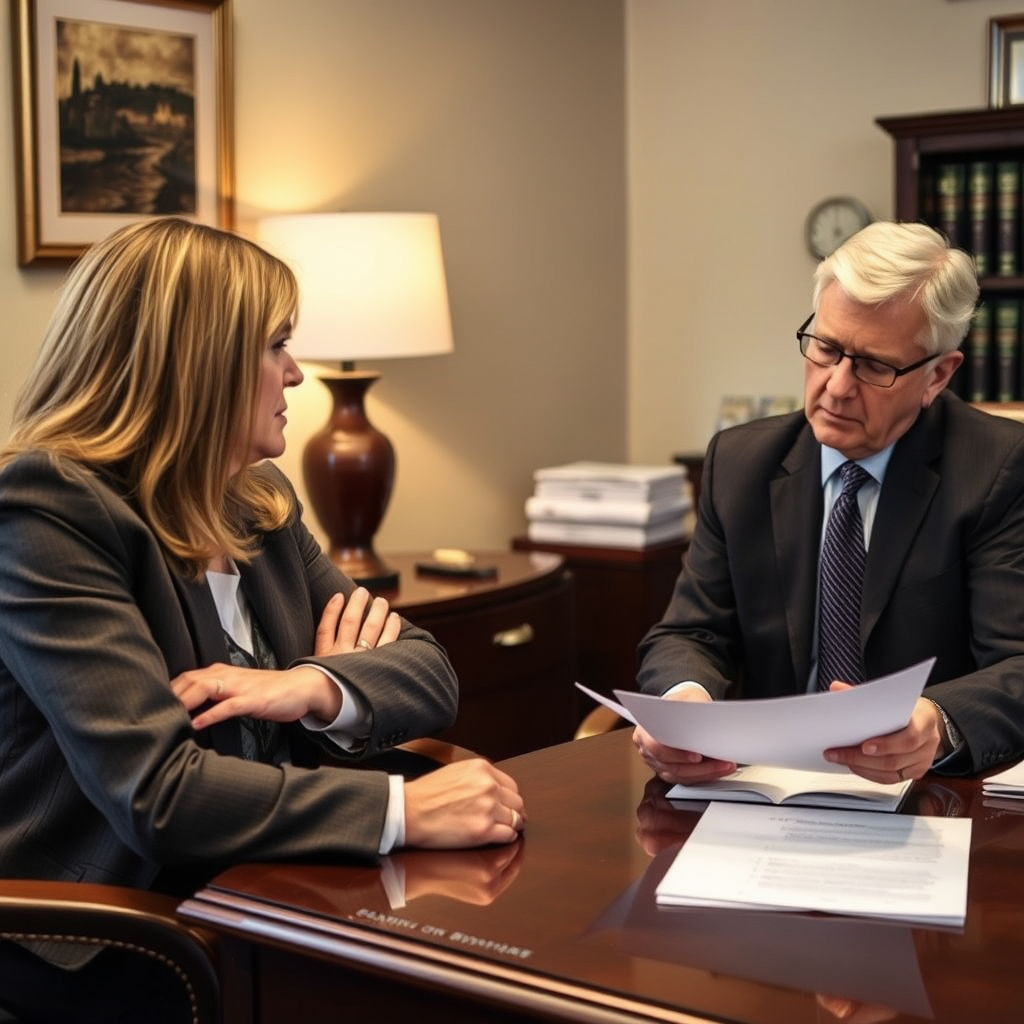
Alimony Modification Attorney Grayson County, VA: Your Rights and Options Explained
As of December 2025, the following information applies. In Virginia, alimony modification involves altering an existing spousal support order due to significant changes in circumstances. This could impact either the paying or receiving spouse. The Law Offices Of SRIS, P.C. provides dedicated legal representation for these matters.
Confirmed by Law Offices Of SRIS, P.C.
What is Alimony Modification in Virginia?
Alimony modification in Virginia simply means changing an existing court order for spousal support. It’s not about getting rid of alimony entirely, but rather adjusting the amount, duration, or even termination of payments because something significant has shifted since the original order was put in place. Think of it like a living document – life happens, and sometimes, those changes are big enough that the old rules just don’t fit anymore. This isn’t a quick fix, though. The court needs to see a substantial and material change in circumstances that wasn’t anticipated when the initial alimony order was made. It’s about fairness when life throws you a curveball that genuinely impacts your ability to pay or your need to receive support.
Takeaway Summary: Alimony modification in Virginia allows for adjustments to spousal support orders when a significant, unanticipated change in circumstances occurs. (Confirmed by Law Offices Of SRIS, P.C.)
How to Request Alimony Modification in Grayson County, VA?
If you’re looking to modify an alimony order in Grayson County, VA, you can’t just wish it so. There’s a process, and it requires following specific legal steps. It’s more than just saying you can’t afford it anymore or that your ex is now wealthy. You need to prove to the court that there’s been a material change in circumstances that wasn’t foreseen when your original order was established. This isn’t a DIY project; having someone knowledgeable on your side can make all the difference. Here’s a general rundown of what you’ll typically need to do:
- Identify a Material Change in Circumstances: This is the cornerstone of any modification request. Has there been a significant change in income for either party? A serious illness or disability? A substantial change in living arrangements? Loss of employment? These are the kinds of events that might qualify. The change must be both material (meaning it’s important) and unanticipated. For instance, if you knew you were likely to lose your job in two years when the original order was made, that might not count as “unanticipated.”
- File a Petition or Motion to Amend: You’ll need to formally ask the court to modify the existing order. This involves filing specific legal documents, usually a Petition for Modification or a Motion to Amend the spousal support order, with the Grayson County Circuit Court. These documents will outline the reasons why you believe the alimony should be changed and what specific changes you’re requesting.
- Serve the Other Party: Once filed, the other party (your former spouse) must be legally notified of your request. This is called “service of process.” It ensures they have due process and an opportunity to respond to your petition. Proper service is non-negotiable; if it’s done incorrectly, your case could be delayed or even dismissed.
- Gather Evidence and Documentation: This is where you back up your claims. You’ll need financial statements, pay stubs, tax returns, medical records, employment records, and any other relevant documents that demonstrate the material change in circumstances you’ve identified. The more solid your evidence, the stronger your argument will be.
- Attend Mediation (Often Required or Encouraged): In many Virginia jurisdictions, including Grayson County, courts might encourage or even require parties to attend mediation before a full court hearing. Mediation is an opportunity to discuss the issues with a neutral third party and try to reach an agreement without a judge’s intervention. If you can agree, it saves time, money, and stress.
- Attend Court Hearings: If mediation isn’t successful, you’ll proceed to court hearings. Both sides will present their arguments and evidence to the judge. The judge will listen to testimony, review the evidence, and ultimately decide whether a material change in circumstances has occurred and, if so, how the alimony order should be modified.
- Receive a New Order: If the court agrees to a modification, a new court order will be issued, detailing the revised terms of alimony. This new order replaces or amends the previous one. Until a new order is signed by the judge, the old order remains in effect.
Blunt Truth: Attempting to navigate this process without knowledgeable legal representation can lead to significant errors and unfavorable outcomes. It’s always best to have someone who understands the nuances of Virginia family law by your side.
Can My Alimony Payments Be Changed Without My Consent in Virginia?
This is a common fear, and it’s a valid one. The short answer is: yes, an alimony order can be changed even if one party doesn’t initially consent, but it won’t happen secretly or without due process. A judge has the authority to modify an existing order if the requesting party can prove a material change in circumstances has occurred since the last order was entered. This means that if your ex-spouse experiences a significant job loss, a major health crisis, or a substantial increase in income, they could petition the court for a modification. Conversely, if you are the paying spouse and experience a similar life-altering event, you could also seek a modification.
The court’s decision isn’t arbitrary. It’s based on a careful review of the evidence presented by both sides. You’ll have an opportunity to present your case, argue against the proposed changes, and provide your own evidence to the court. The judge will consider all factors, including the reasons for the change, the current financial situations of both parties, and how a modification would impact each person’s ability to maintain their standard of living. It’s a balancing act, and the court aims for an equitable outcome based on the new realities. Simply refusing to agree won’t stop the legal process; you’ll need to present a compelling legal argument to protect your interests.
Real-Talk Aside: Many people think once alimony is set, it’s set in stone. That’s just not how it works. Life keeps moving, and Virginia law recognizes that support orders need to be flexible enough to account for those genuine, unforeseen changes. It’s why having someone experienced with these kinds of cases is so important – they can help you either fight an unfair modification or successfully argue for one that you desperately need.
Why Hire Law Offices Of SRIS, P.C.?
When you’re dealing with something as personal and impactful as alimony modification in Grayson County, VA, you don’t just need a lawyer; you need a seasoned advocate who genuinely understands what’s at stake. At Law Offices Of SRIS, P.C., we recognize the emotional and financial strain these cases can put on individuals and families. Mr. Sris, our Founder, CEO & Principal Attorney, brings decades of experience to the table, and his approach is rooted in directness and empathy.
As Mr. Sris himself states:
“My focus since founding the firm in 1997 has always been directed towards personally handling the most challenging and detailed criminal and family law matters our clients face.”
This commitment means that when you come to us, you’re not just another case file. You’re a person with a unique story and genuine concerns. We take the time to listen, to understand your specific circumstances, and to craft a legal strategy that aims to protect your financial stability and future. Whether you’re seeking to increase, decrease, or terminate alimony, or you’re defending against a modification request, we’ll guide you through every step of the process with clear communication and dedicated representation. Our goal is to achieve an outcome that’s fair and provides you with peace of mind during a challenging time.
We are ready to provide a confidential case review to discuss your situation. While we have locations across Virginia, including Fairfax, Loudoun, Arlington, Shenandoah, and Richmond, our experienced legal team is prepared to assist clients throughout the Commonwealth, including Grayson County, VA. Don’t face this alone.
To connect with us, please call: +1-888-437-7747
Call now to discuss your alimony modification needs.
Frequently Asked Questions About Alimony Modification in Virginia
1. What is considered a ‘material change in circumstances’ for alimony modification in Virginia?
A material change is a significant, unanticipated event since the last order, impacting either party’s financial situation. This could be involuntary job loss, a substantial income increase or decrease, serious illness, or retirement. The change must be significant enough to warrant revisiting the existing spousal support order.
2. Can cohabitation affect my alimony payments in Grayson County, VA?
Yes, cohabitation by the receiving spouse with another person in a relationship analogous to marriage can terminate alimony in Virginia, unless otherwise provided in an agreement. The court will examine the nature and extent of the relationship and living arrangements to determine if modification or termination is appropriate.
3. Is there a time limit to request alimony modification in Virginia?
There isn’t a specific statute of limitations for filing a motion to modify alimony, but any request must be based on a material change in circumstances that has occurred since the entry of the last support order. Delays in seeking modification can sometimes impact the effective date of any changes.
4. What if I lose my job after an alimony order is in place?
Involuntary job loss can be a strong basis for requesting a modification of alimony payments. You would need to demonstrate that the job loss was genuine, not voluntary, and that it significantly impacts your ability to pay. The court will also consider your efforts to find new employment.
5. Can retirement impact alimony obligations in Virginia?
Retirement can be considered a material change in circumstances, especially if it significantly reduces the paying spouse’s income. However, the court will evaluate whether the retirement was reasonable, voluntary, and anticipated, as well as its impact on both parties’ financial situations.
6. Will the court always grant my alimony modification request?
No, the court will only grant a modification if the requesting party successfully proves a material, unanticipated change in circumstances and that modification is equitable. The judge will weigh all evidence and arguments from both parties before making a decision.
7. What documentation do I need for an alimony modification case?
You’ll need extensive financial documentation, including tax returns, pay stubs, bank statements, income and expense records, and any documents related to the material change (e.g., medical records, termination letters). Comprehensive records strengthen your petition.
8. Can alimony be terminated entirely through modification?
Yes, in some cases, alimony can be terminated, especially if there are significant changes like the remarriage or cohabitation of the receiving spouse, or if the original order specified a termination upon certain events. This is determined on a case-by-case basis by the court.
The Law Offices Of SRIS, P.C. has locations in Virginia in Fairfax, Loudoun, Arlington, Shenandoah and Richmond. In Maryland, our location is in Rockville. In New York, we have a location in Buffalo. In New Jersey, we have a location in Tinton Falls.
Past results do not predict future outcomes.