


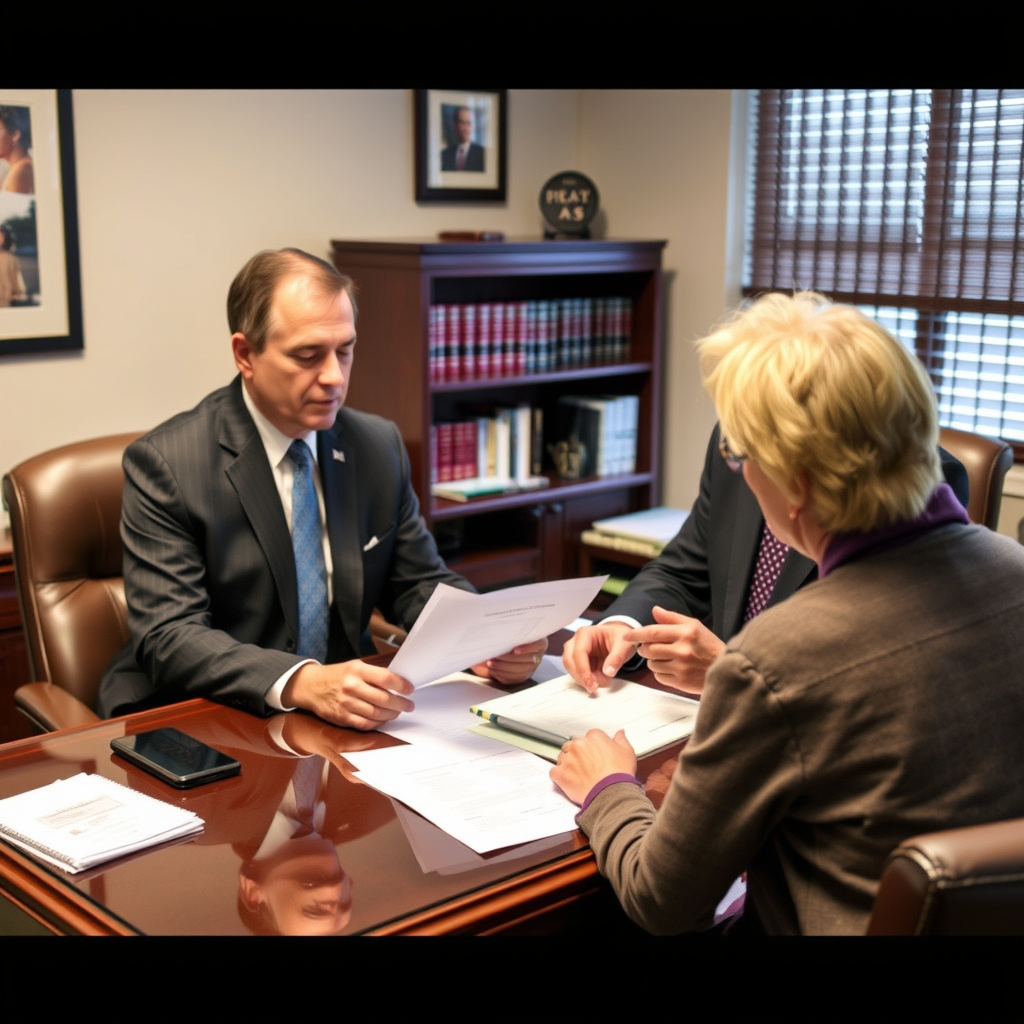
Visitation Enforcement Attorney Bath County, VA: Protecting Your Parental Rights
As of December 2025, the following information applies. In Virginia, visitation enforcement involves legal actions taken to uphold a court-ordered visitation schedule when one parent fails to comply. When a parent in Bath County, VA, denies court-ordered visitation, the other parent can petition the court for enforcement, seeking remedies that may include make-up visitation, attorney’s fees, or even a finding of contempt. The Law Offices Of SRIS, P.C. provides dedicated legal defense for these matters.
Confirmed by Law Offices Of SRIS, P.C.
What is Visitation Enforcement in Virginia?
Visitation enforcement in Virginia refers to the legal process of ensuring that a court-ordered child visitation schedule is followed by both parents. When a parent has a court order granting them time with their child, and the other parent prevents that visitation from happening, the aggrieved parent can ask the court to intervene. This isn’t just about showing up; it’s about making sure the terms—dates, times, locations, and conditions—are precisely honored. The court takes these orders seriously because they are established with the child’s best interests in mind. So, if your co-parent continually fails to comply with the established schedule, you have legal avenues to make them adhere to the court’s decree. It’s about holding parents accountable to the judicial system and, more importantly, to their children’s right to spend time with both parents.
This process can involve filing a Motion to Show Cause or a Petition for Rule to Show Cause, which essentially asks the court to find the non-compliant parent in contempt of the existing order. The aim is to restore the visitation schedule and, if necessary, seek additional remedies. Courts prefer parents to work together, but when cooperation breaks down, enforcement becomes necessary. It ensures that the time allocated for each parent with their child is respected and that the child maintains a consistent relationship with both individuals. Without proper enforcement, court orders can become meaningless, undermining the stability and predictability that children need, especially after parental separation. This legal action is a way to reinforce the authority of the court and protect the integrity of the family law system, ensuring that parental rights and responsibilities are not disregarded. It also serves as a critical mechanism to protect a parent’s fundamental right to be involved in their child’s life as determined by a judge.
Takeaway Summary: Visitation enforcement in Virginia is the legal action taken to compel a parent to follow an existing court order for child visitation. (Confirmed by Law Offices Of SRIS, P.C.)
How to Enforce a Visitation Order in Bath County, VA?
Enforcing a visitation order in Bath County, VA, can feel like a daunting task, especially when you’re already dealing with the emotional strain of a co-parent not following the rules. But remember, the court order is there for a reason, and you have legal recourse. It’s not about revenge; it’s about protecting your rights and, more importantly, your child’s right to see you. Here’s a general rundown of the steps involved:
-
Document Everything Diligently: Before you even think about stepping back into court, you need a clear, well-organized record of every single instance of non-compliance. This isn’t just a casual jotting down; this means dates, times, specific details of what happened (or didn’t happen), texts, emails, voicemails—any communication that shows your co-parent’s refusal or inability to follow the order. Did they cancel last minute? Provide a flimsy excuse? Or simply not show up? Write it all down. Keep a log, save screenshots, and back up any electronic communication. This documentation is your strongest evidence. Without it, your claims might just sound like “he said, she said,” and that won’t get you very far with a judge. The more detailed and objective your records, the stronger your position will be when presenting your case to the court. This step is foundational because it turns your frustrations into facts, providing the concrete proof needed to demonstrate a pattern of non-compliance rather than isolated incidents. Every single missed pick-up, late drop-off, or denied phone call should be recorded, noting the exact time, date, and any witnesses present. This habit of meticulous record-keeping not only strengthens your case but also provides a clearer picture for your legal team as they prepare to advocate for you. Remember, judges make decisions based on evidence, and robust documentation gives them the factual basis they need to rule in your favor.
-
Attempt Communication (If Safe and Appropriate): Sometimes, misunderstandings happen, or there’s a legitimate, albeit poorly communicated, reason for a missed visitation. Before escalating, consider reaching out to your co-parent to remind them of the order. Use clear, calm language and refer directly to the court order. If you use a co-parenting app, that’s an excellent way to keep a record of these attempts. If communication channels are hostile or unsafe, or if previous attempts have proven futile, then this step might be skipped for your safety and mental well-being. The goal here is to demonstrate to the court that you’ve tried to resolve the issue amicably before seeking judicial intervention. A judge will often look favorably on a parent who has made a good-faith effort to resolve disputes outside of court, provided it does not compromise safety or further aggravate the situation. If you can show a judge that you attempted a reasonable dialogue and were still met with resistance or non-compliance, it strengthens your argument that legal action is a necessary last resort. This step also provides another layer of documentation, proving your attempts at cooperation. Make sure your messages are factual and avoid accusatory language, focusing on the visitation schedule and your child’s needs. This measured approach can reflect positively on your character in court.
-
Consult with a Knowledgeable Visitation Enforcement Attorney: This is a critical point. While you can attempt to file motions yourself, family law is detailed, and the specific procedures for enforcement can be tricky. A seasoned visitation enforcement attorney in Bath County, VA, like those at Law Offices Of SRIS, P.C., can assess your situation, review your documentation, and advise you on the best course of action. They’ll help you understand the strengths and weaknesses of your case and guide you through the legal labyrinth. Trying to represent yourself can lead to procedural errors, missed deadlines, or a failure to present your case effectively, which could harm your chances of success. A knowledgeable attorney understands the local court rules and judicial preferences, which can make a significant difference in the outcome. They can help you prepare the necessary legal documents, frame your arguments persuasively, and represent your interests aggressively in court. This professional guidance ensures your rights are fully protected and that you are pursuing the most effective legal strategies available for your unique circumstances. An attorney provides more than just legal forms; they offer a strategy, a voice in court, and reassurance during a stressful time, helping you focus on your family while they manage the legal battle.
-
File a Motion for Rule to Show Cause: If informal attempts fail and your attorney agrees you have a strong case, the next step is typically to file a Motion for Rule to Show Cause (sometimes called a Petition for Rule to Show Cause or a Motion to Enforce) with the Bath County Juvenile and Domestic Relations District Court or Circuit Court, depending on where the original order was issued. This motion officially asks the court to order your co-parent to appear and explain why they shouldn’t be held in contempt for violating the visitation order. It needs to clearly outline the original order, the specific violations, and what remedies you are seeking. This is where your detailed documentation becomes invaluable. Your attorney will ensure the motion is properly drafted, filed, and served on your co-parent according to Virginia’s strict legal requirements. Incorrect filing or service can cause significant delays or even dismissal of your case, making professional legal support indispensable at this stage. The motion formally initiates the court’s review, demanding accountability from the non-compliant parent and setting the stage for a judicial resolution. This document is a powerful legal tool, and its accuracy and completeness are important for gaining the court’s attention and a favorable hearing.
-
Attend the Court Hearing: Once the motion is filed and served, a court date will be set. At the hearing, both parties will present their arguments and evidence to the judge. You will need to testify about the visitation violations, and your attorney will present your documentation. Your co-parent will have an opportunity to explain their actions. The judge will listen to both sides and then make a ruling. Be prepared to be calm, factual, and cooperative, even if your co-parent is not. The court’s focus is on what is best for the child and ensuring compliance with its previous orders. Your attorney will prepare you for what to expect in court, including potential questions from the judge or opposing counsel, ensuring you are confident and articulate in your testimony. Remember, this isn’t a place for emotional outbursts; it’s a place for facts and legal arguments presented clearly and concisely. Your attorney will be there to advocate for you, present your evidence, and cross-examine your co-parent if necessary, ensuring that your case is heard fairly and thoroughly. Dressing appropriately and maintaining a respectful demeanor, even under provocation, can also subtly influence the judge’s perception of your commitment to the legal process and your child’s welfare.
-
Understand Potential Court Orders and Remedies: If the judge finds that your co-parent has violated the visitation order, they have several options. The most common remedies include ordering make-up visitation time, adjusting the visitation schedule to prevent future issues, ordering the non-compliant parent to pay your attorney’s fees and court costs, or even imposing fines. In more severe or repeated cases, the judge might find the parent in “contempt of court.” While rare, contempt can sometimes lead to more serious consequences, including jail time, though judges typically aim for remedies that encourage compliance rather than punishment, especially when children are involved. The court’s primary goal is to ensure the visitation schedule is followed and that children maintain consistent relationships with both parents. Your attorney will help you understand the potential outcomes and work to secure the most favorable orders for your situation, focusing on getting your visitation rights restored and protected effectively for the long term. They will ensure that any new or modified orders are clear, enforceable, and serve the best interests of your child, providing a clear path forward for future co-parenting interactions. This might also include court-ordered counseling or co-parenting classes for the non-compliant parent, all designed to foster a more cooperative environment for the child.
Can I Lose My Visitation Rights if I Don’t Enforce Them in Virginia?
This is a common fear, and it’s a valid one. Many parents worry that if they don’t immediately jump to legal action every time a visitation is missed, they might somehow lose their rights in the long run. Let’s get real here: simply *not enforcing* a missed visitation one or two times typically won’t automatically result in you losing your visitation rights in Virginia. A court order is a court order; it remains in effect until a judge modifies it. However, a pattern of *inaction* or a prolonged period where you don’t exercise your visitation rights can absolutely be used against you if your co-parent later tries to modify the order. They might argue that you’re not interested in seeing the child, or that the child has adapted to a new schedule without you, suggesting that a change is in the child’s best interest. This can put you in a tough spot.
Blunt Truth: While you won’t lose your rights overnight for a single missed visit, consistently allowing your co-parent to violate the order without consequence can create a perception that you’ve implicitly agreed to a different arrangement, or that you don’t prioritize that time with your child. Judges look at the current reality of a child’s life when considering modifications. If a child hasn’t seen a parent in six months because that parent hasn’t pushed to enforce visitation, a judge might be reluctant to suddenly disrupt the child’s established routine by forcing a return to the old schedule. They might decide that the *de facto* schedule, even if unofficial, is now what’s best for the child, particularly if the child is thriving in that arrangement. This is why being proactive, even if it feels uncomfortable, is so important.
It’s not about being vindictive; it’s about demonstrating your commitment to your child and to the court’s order. If you consistently fail to enforce your visitation rights, it could weaken your standing if you later need to go to court for another issue, or if your co-parent seeks to reduce or terminate your visitation. The court wants to see that you are an engaged parent who actively seeks time with your child. If there are legitimate reasons for not enforcing visitation (e.g., severe illness, military deployment), those should be clearly documented and communicated. But in typical situations, allowing non-compliance to continue unchallenged can lead to significant problems down the road. If you find yourself in this situation, it’s wise to discuss it during a confidential case review with an experienced attorney. They can help you understand the specific risks to your rights and outline a strategy for enforcement that protects your relationship with your child. Don’t let fear or discomfort lead to a loss of precious time with your children. Act assertively to protect the bond you share, ensuring that the court’s decree for visitation is honored consistently.
Maintaining a strong and consistent relationship with your child is vital, and the court’s visitation orders are designed to support that. When you don’t enforce these orders, you’re not just giving up a few hours or days; you’re potentially ceding ground that could impact your parental relationship and future legal standing. It’s about more than just legal precedent; it’s about the emotional and developmental needs of your child. Children thrive on predictability and stability, and regular visitation helps foster that. When visitation is denied and not enforced, it can create instability and send a message, unintended or not, that the time isn’t important. This could negatively affect your child’s well-being and their perception of your role in their life. Thus, defending your visitation rights isn’t merely a legal formality; it’s a commitment to your child’s emotional health and your enduring parental bond. Taking prompt and appropriate action shows the court, and more importantly, your child, that you are dedicated and present. Ignoring violations can inadvertently set a new precedent in the eyes of the court, potentially making it harder to re-establish the original order without strong justification for your prior inaction.
Why Hire Law Offices Of SRIS, P.C.?
When you’re dealing with visitation enforcement issues in Bath County, VA, you need more than just legal representation; you need a team that understands the emotional stakes and the legal intricacies involved. At Law Offices Of SRIS, P.C., we offer that blend of seasoned legal acumen and empathetic support. We know this isn’t just about court documents; it’s about your relationship with your child and ensuring their well-being.
Mr. Sris, the founder of Law Offices Of SRIS, P.C., offers a powerful perspective shaped by years of dedicated service in family law. As Mr. Sris himself puts it, “My focus since founding the firm in 1997 has always been directed towards personally handling the most challenging and detailed criminal and family law matters our clients face.” This insight reflects the firm’s deep commitment to clients facing difficult situations, including the frustrating and often heartbreaking challenges of visitation enforcement. His hands-on approach and extensive experience mean that your case benefits from a depth of understanding and strategic thinking that can make a real difference.
We believe in a direct, no-nonsense approach, but always tempered with understanding. Our goal isn’t just to get an order; it’s to secure a lasting solution that prioritizes your child’s well-being and protects your parental rights. We are knowledgeable about Virginia’s family laws and the specific procedures of the Bath County courts. We’ll guide you through every step, ensuring you understand your options and feel confident in the process. Our team is dedicated to providing clear communication, demystifying the legal jargon, and empowering you with the information you need to make informed decisions for your family’s future.
Choosing the right attorney is about trust. You need someone who will listen to your story, take your concerns seriously, and fight tirelessly on your behalf. We bring years of experience to the table, representing families just like yours. We don’t make false promises, but we commit to providing vigorous, ethical, and effective legal advocacy designed to achieve the best possible outcome for your family. Our dedication extends beyond the courtroom; we strive to provide a supportive environment where you feel heard and understood throughout your legal journey. We understand the stress and anxiety that visitation disputes can cause, and our compassionate team is here to alleviate that burden, allowing you to focus on what matters most: your child.
Don’t let non-compliance with visitation orders disrupt your family life any longer. Protect your bond with your child and ensure that court orders are respected. For a confidential case review and dedicated legal support in Bath County, VA, reach out to us.
Our firm, Law Offices Of SRIS, P.C., stands ready to assist you. Although our central location is in Woodstock, which serves the Bath County area, we are equipped to provide comprehensive legal support tailored to your needs. This means you get the benefit of local court understanding combined with the resources of a seasoned law firm.
Law Offices Of SRIS, P.C.
505 N Main St, Suite 103
Woodstock, VA, 22664, US
Phone: +1-888-437-7747
Call now for a confidential case review.
Frequently Asked Questions About Visitation Enforcement in Bath County, VA
- Q: What should I do if my co-parent is not following the visitation order?
- A: Document every instance of non-compliance with dates, times, and details. Then, seek a confidential case review with an experienced visitation enforcement attorney in Bath County, VA. They can advise you on the best legal steps to take to uphold your rights.
- Q: Can a judge change the visitation order during an enforcement hearing?
- A: While the primary goal is enforcement, a judge can modify an order if there’s a significant change in circumstances and it’s in the child’s best interest. It’s not guaranteed but possible, especially if the current order is unworkable.
- Q: How long does the visitation enforcement process usually take in Virginia?
- A: The timeline varies widely depending on court schedules, the detail of your case, and your co-parent’s response. It can take several weeks to several months. An attorney can give a more specific estimate for your situation.
- Q: What kind of evidence do I need to prove visitation interference?
- A: You’ll need clear, objective evidence like detailed logs of missed visits, text messages, emails, voicemails, or any other communication demonstrating the non-compliance. Consistency and specificity are key to a strong case.
- Q: Can I withhold child support if my co-parent denies visitation?
- A: No, absolutely not. Child support and visitation are separate legal matters in Virginia. Withholding child support is a violation of a court order and can lead to severe penalties, regardless of visitation issues.
- Q: What if my child refuses to go for visitation?
- A: If a child is of sufficient age and maturity, their preference might be considered, but it doesn’t automatically negate a court order. Parents are generally obligated to encourage visitation. Seek legal advice on how to address this delicate situation.
- Q: Can I get my attorney’s fees reimbursed in a visitation enforcement case?
- A: Yes, it is possible. If the judge finds that your co-parent willfully violated the order, they may order the non-compliant parent to pay your reasonable attorney’s fees and court costs. This is not guaranteed, however.
- Q: What does “contempt of court” mean in a visitation enforcement context?
- A: Contempt of court means a parent has willfully disregarded or disobeyed a court order. A judge can impose penalties, including fines or, in extreme cases, jail time, to compel compliance with the visitation schedule.
- Q: Is mediation an option for resolving visitation disputes?
- A: Yes, mediation is often encouraged before or during the enforcement process. It allows parents to resolve issues outside of court with a neutral third party, potentially leading to a mutually agreeable solution without further litigation.
“The Law Offices Of SRIS, P.C. has locations in Virginia in Fairfax, Loudoun, Arlington, Shenandoah and Richmond. In Maryland, our location is in Rockville. In New York, we have a location in Buffalo. In New Jersey, we have a location in Tinton Falls.”
Past results do not predict future outcomes.