


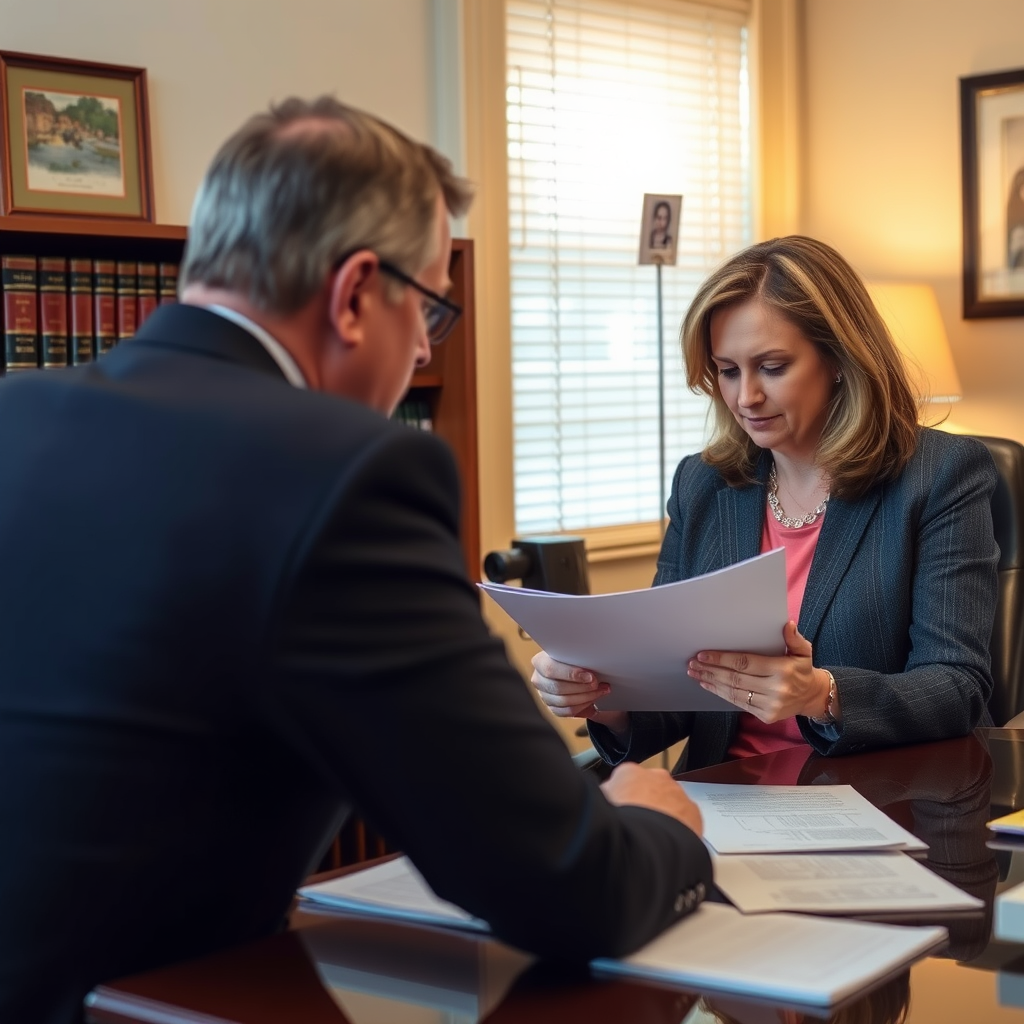
Child Support Enforcement Attorney in Buckingham County, VA: Getting What Your Kids Deserve
As of December 2025, the following information applies. In Virginia, child support enforcement involves legal actions to ensure court-ordered payments are made, utilizing methods like income withholding or contempt proceedings. When payments stop, a Child Support Enforcement Attorney helps parents pursue the necessary legal steps to secure their child’s financial well-being. The Law Offices Of SRIS, P.C. provides dedicated legal defense for these matters.
Confirmed by Law Offices Of SRIS, P.C.
What is Child Support Enforcement in Virginia?
Look, child support is more than just a monthly payment; it’s about providing for your kids, plain and simple. When a parent isn’t paying what the court ordered, that’s where child support enforcement comes in. In Virginia, this means taking legal steps to make sure those payments happen. It’s about holding parents accountable to their obligations and ensuring children receive the financial backing they need and deserve. The system has tools to help, but it can feel like a maze when you’re going through it alone. We’re talking about everything from wage garnishments to more serious court actions to make sure the money gets where it needs to go.
Sometimes, it’s not just about missed payments, but also about the accumulating arrears that can pile up, creating a significant financial burden for the custodial parent and a shortfall for the child. It’s important to recognize that child support orders are legally binding and designed to maintain a child’s standard of living, covering essential expenses like food, housing, clothing, education, and healthcare. When these orders are violated, it can have immediate and long-term consequences for the child’s stability and well-being. That’s why the legal mechanisms for enforcement are so critical. We understand the frustration and stress when a co-parent isn’t pulling their weight. It’s not fair to you, and it’s certainly not fair to your kids. Our goal is to bring clarity to a confusing process and help you reclaim the financial stability your family is entitled to under the law. We manage the process, allowing you to focus on your family, not paperwork or court dates. It’s about making sure the judicial system works for you and your children.
Takeaway Summary: When a parent fails to meet their court-ordered child support obligations in Virginia, enforcement actions are necessary to secure the financial future of the child. (Confirmed by Law Offices Of SRIS, P.C.)
How to Enforce Child Support in Buckingham County, VA?
When child support payments stop, it can throw your whole household into disarray. It’s a scary feeling, wondering how you’ll cover everything. But you don’t have to just sit there and worry. Virginia law provides several avenues to enforce child support orders. Knowing your options is the first step toward getting things back on track. This isn’t just about getting money; it’s about stability for your kids and holding up their legal rights. Here’s a rundown of how enforcement typically works in Buckingham County and throughout Virginia:
-
Contact the Division of Child Support Enforcement (DCSE):
Many people start here, and it’s a valid option. The Virginia DCSE can help establish, enforce, and collect child support. They have various administrative tools at their disposal, such as income withholding, intercepting tax refunds, and suspending licenses. While the DCSE can be effective for straightforward cases, their resources are often stretched, and they might not always provide the personalized attention or aggressive pursuit that more complicated situations demand. Think of them as a general practitioner for child support; sometimes you need a specialist to really dig deep. They work within specific governmental guidelines and processes, which can sometimes feel slow or impersonal when you’re dealing with urgent financial needs. Their primary role is to ensure compliance with existing orders, and while important, their approach might not align with every family’s unique circumstances or the urgency required in certain cases. They handle a high volume of cases, which means individual cases might not get the detailed attention a private attorney can provide.
-
File a Petition for Show Cause (Contempt of Court):
This is where things get more serious. If the non-paying parent intentionally fails to pay child support, despite having the ability to do so, they can be held in contempt of court. This means they violated a direct court order. Filing a petition for a show cause asks the court to order the non-paying parent to appear and explain why they haven’t made payments. If the judge finds them in contempt, the consequences can be significant. We’re talking about possible jail time, fines, or other court-ordered actions to compel payment. This is a powerful tool, but it requires careful legal representation to present your case effectively and meet the legal burden of proof. It’s not a step to take lightly, and having experienced legal counsel by your side is essential to ensure your petition is properly filed and argued. The court needs clear evidence of willful non-payment, and gathering that evidence can be challenging without proper legal guidance. This action demonstrates to the court the seriousness of the non-compliance and can be a strong motivator for the delinquent parent to fulfill their obligations. It’s often used when other administrative methods have failed or when the non-payment is particularly egregious and long-standing.
-
Wage Garnishment or Income Withholding:
Often, the most effective and direct method for child support enforcement is an income withholding order. This legal order requires an employer to deduct child support payments directly from the non-paying parent’s wages and send them to the appropriate child support agency or directly to the custodial parent. This method is usually preferred because it’s consistent and reduces the chance of missed payments. It’s often set up automatically when a support order is initially established, but if it wasn’t, or if the paying parent changed jobs, it might need to be re-established. It takes the burden off the custodial parent to chase payments and ensures a steady income stream for the child. This process bypasses the need for the paying parent to remember or choose to make payments, automating the collection process and reducing potential conflict. It’s a pragmatic solution that ensures the financial obligation is met consistently, which is vital for a child’s stability. Our firm can assist in drafting and filing the necessary paperwork to get such an order in place or amended.
-
Lien on Property:
When significant child support arrears accumulate, the court can place a lien on the non-paying parent’s real estate or personal property. This means that if they try to sell the property, the child support arrears must be paid from the proceeds of the sale before the seller receives any money. It’s a way to secure the debt and ensure that eventually, the money owed to your children will be collected. This isn’t usually the first step, but it’s a powerful option for substantial unpaid support, especially if the non-paying parent has assets. It serves as a strong incentive for the obligor parent to pay their outstanding debts, as it directly impacts their ability to conduct major financial transactions. Establishing a lien involves specific legal procedures, and proper documentation is essential to ensure its enforceability. We help our clients identify available assets and take the necessary legal steps to secure these liens, ensuring that every available resource is utilized to recover the owed support.
-
Passport Denial or Suspension:
For parents with very substantial arrears (typically over $2,500), the federal government, in conjunction with state child support enforcement agencies, can deny the issuance or renewal of a passport. This can be a major issue for individuals who travel internationally for work or pleasure. It’s another administrative tool designed to pressure non-paying parents into fulfilling their financial obligations. While it’s a federal action, state agencies like Virginia’s DCSE initiate the referral. This can be particularly effective if the non-paying parent has a lifestyle that involves international travel, making non-compliance inconvenient and costly. This measure highlights the broad reach of child support enforcement mechanisms, crossing state and federal lines to ensure compliance. Our experience includes helping clients understand how these broader enforcement tools can be leveraged in their specific situation.
-
License Suspension:
In Virginia, if a parent is significantly behind on child support, their driver’s license, professional licenses, or recreational licenses (like hunting or fishing) can be suspended. This can severely impact their ability to work, commute, and enjoy leisure activities, creating a strong incentive to pay. The idea is simple: if you can’t drive to work, you can’t earn money, which should motivate you to resolve your arrears. This is a common and often very effective enforcement tool, as losing the ability to drive can be a significant hardship for most adults. It directly interferes with daily life and can push a delinquent parent to address their overdue payments promptly. We can guide you through the process of requesting such enforcement actions and what to expect when these measures are implemented. This step underscores that child support isn’t just a recommendation but a legal imperative with real-world consequences for non-compliance. Our firm understands how to pursue these options efficiently and effectively to ensure your child receives the support they are legally owed.
Blunt Truth: Dealing with unpaid child support is frustrating. It’s not just about the money; it’s about the broken trust and the impact on your kids. You don’t have to carry that burden alone. Getting a seasoned attorney involved early can make a huge difference in how quickly and effectively you resolve these issues. We’re here to help you understand your rights and take decisive action.
Can I Get My Child Support Order Changed in Buckingham County, VA?
Life happens, and sometimes, the financial realities that led to the original child support order change. A job loss, a significant pay cut, a serious illness, or a change in custody arrangements can all throw a wrench into what was once a workable agreement. The fear of being stuck with an outdated order, or the inability to meet one, is very real. You’re probably asking, “Can I actually get this changed?” The short answer is yes, but it’s not as simple as just wanting it to change. In Virginia, you can seek a modification of an existing child support order, but you need to demonstrate a “material change in circumstances” to the court.
What counts as a “material change”? It’s not just a small bump in the road. We’re talking about something substantial and ongoing. Here are some common situations that might warrant a modification:
-
Significant Change in Income:
If either parent experiences a substantial increase or decrease in income, that’s often a solid ground for modification. For instance, if the paying parent loses their job, gets laid off, or has their hours drastically cut, they might struggle to meet the original obligation. Conversely, if the receiving parent gets a promotion with a much higher salary, or if the paying parent gets a significant raise, the support amount might need to be re-evaluated to reflect the new financial reality. The court looks for changes that are involuntary and long-term, not just temporary fluctuations. It’s about ensuring the support amount remains fair and accurately reflects both parents’ current financial capabilities and the child’s needs. We help you gather the necessary financial documentation – pay stubs, tax returns, unemployment records – to present a clear picture to the court.
-
Change in Custody or Visitation:
Child support calculations are heavily influenced by who has physical custody of the child and how much time the child spends with each parent. If your custody arrangement changes significantly – for example, if the child moves to live primarily with the other parent, or if there’s a substantial shift in visitation time – then the support order almost certainly needs to be adjusted. The amount of overnight stays with each parent plays a direct role in the Virginia Child Support Guidelines calculation. Any modification to a custody order typically necessitates a review of the child support order. This is a common reason for modification, as a change in where the child primarily resides directly impacts the expenses borne by each parent. Our attorneys are adept at explaining how changes in custody translate to changes in support obligations.
-
Changes in Child’s Needs:
As children grow, their needs evolve. A child might develop a serious medical condition requiring expensive treatment, or perhaps they’ve started attending a focused school with higher tuition costs. Extraordinary medical expenses, educational needs, or childcare costs that weren’t anticipated in the original order can justify a modification. The court prioritizes the child’s best interests, and if their needs have demonstrably increased in a way that impacts their well-being, a change in support might be necessary. It’s not about covering minor new expenses, but rather substantial, unforeseen costs that directly impact the child’s quality of life or developmental needs. We assist in documenting these new needs and presenting a compelling argument for increased support.
-
Incarceration or Disability:
If a parent becomes incarcerated or experiences a debilitating disability that prevents them from working, this often constitutes a material change in circumstances. However, even in these situations, the court still considers the child’s needs and might look for other sources of income, such as disability benefits or assets. The ability to pay is key here. While a parent’s inability to earn a living due to incarceration or severe disability can lead to a reduction in support, it doesn’t automatically eliminate the obligation entirely. The court will still try to ensure some level of support is provided, if possible, from other means. These are sensitive cases, requiring a nuanced approach to ensure fairness while prioritizing the child’s welfare. We have experience handling such delicate situations, helping clients present their case accurately and empathetically.
Real-Talk Aside: Trying to modify a child support order on your own can be a legal headache. The courts have specific procedures and requirements for proving a “material change.” Without proper documentation and a clear understanding of Virginia family law, your request could be denied. You need someone in your corner who understands the rules and can present your case effectively. We help you gather the evidence, file the right paperwork, and represent you in court, making sure your side of the story is heard clearly and persuasively. Our goal is to make a complicated process as straightforward as possible for you, ensuring that the final order truly reflects your family’s current situation.
Why Hire Law Offices Of SRIS, P.C. for Child Support in Buckingham County, VA?
When you’re dealing with child support issues, whether it’s enforcement or modification, you’re not just dealing with legal documents; you’re dealing with your family’s future. The stakes are high, and the emotional toll can be immense. That’s why you need a legal team that brings both skill and genuine empathy to the table. At Law Offices Of SRIS, P.C., we understand the weight of these situations and are dedicated to providing strong, personalized representation.
Mr. Sris, our founder, brings a wealth of experience to family law matters. He believes in a client-focused approach that recognizes the unique challenges each family faces. As Mr. Sris himself puts it, “My focus since founding the firm in 1997 has always been directed towards personally handling the most challenging and detailed criminal and family law matters our clients face.” This isn’t just a job for us; it’s a commitment to our community and to the families who trust us with their most sensitive legal battles. Our seasoned attorneys are well-versed in Virginia family law, including the specifics of child support guidelines and enforcement mechanisms in Buckingham County. We don’t just process cases; we develop strategies tailored to your specific circumstances, ensuring every angle is considered and every option explored.
We know the local court systems and how to present your case effectively to judges in Virginia. Our team is here to offer you a confidential case review, listen to your story, and provide clear, direct advice on the best path forward. We handle the paperwork, the filings, and the court appearances, so you can focus on what matters most: your family. Our firm is committed to protecting your rights and ensuring your children receive the financial support they deserve.
Our convenient location for Buckingham County residents is:
Law Offices Of SRIS, P.C.
7400 Beaufont Springs Drive, Suite 300, Room 395
Richmond, VA, 23225
Phone: +1-804-201-9009
Call now for a confidential case review.
Frequently Asked Questions About Child Support Enforcement in Buckingham County, VA
- Q: What happens if I can’t pay my child support in Virginia?
- A: If you can’t pay, you should immediately seek a modification of your order. Failure to pay can lead to serious consequences, including wage garnishment, license suspension, or even contempt of court charges. Don’t wait until enforcement actions begin; act proactively to address financial changes with the court.
- Q: How long does child support enforcement take in Buckingham County?
- A: The timeline varies widely depending on the method used and the other parent’s cooperation. Administrative actions can be quicker, while court proceedings for contempt may take several months due to court schedules and legal processes. Every case is unique.
- Q: Can I go to jail for not paying child support in Virginia?
- A: Yes, if a court finds you in willful contempt for intentionally failing to pay child support when you had the ability, jail time is a possible consequence. Courts use this as a last resort to compel compliance with orders.
- Q: Can back child support (arrears) be forgiven?
- A: Generally, no. Arrears are a legal debt owed to the custodial parent or the state. While an agreement can sometimes be reached, the court must approve any reduction or forgiveness, especially if it impacts the child’s welfare.
- Q: What if the non-paying parent lives out of state?
- A: The Uniform Interstate Family Support Act (UIFSA) allows child support orders to be enforced across state lines. Virginia’s DCSE or your attorney can initiate enforcement actions in the other state, ensuring the order is recognized and followed.
- Q: Will child support automatically stop when my child turns 18?
- A: In Virginia, child support typically ends when the child turns 18 or graduates from high school, whichever comes later, but not past age 19. Specific orders may extend support for disabled children, so always check your order.
- Q: Do I need an attorney to enforce child support?
- A: While the DCSE can assist, an attorney provides personalized advice, can pursue court actions more aggressively, and represents your interests directly. This is especially beneficial for complicated cases or when facing significant arrears.
- Q: What evidence do I need to prove non-payment?
- A: You’ll need clear documentation, such as bank statements showing missed payments, DCSE payment records, communication with the other parent about payments, and any other financial records that demonstrate a history of non-compliance. Accuracy is key.
- Q: Can child support be modified if my income decreases?
- A: Yes, a substantial and involuntary decrease in income can be grounds for modifying child support. You must petition the court to show a material change in circumstances. Acting quickly is advisable before arrears accrue significantly.
- Q: How are child support amounts calculated in Virginia?
- A: Virginia uses statutory guidelines that consider both parents’ gross incomes, health insurance costs, childcare expenses, and the number of children. The calculations aim to ensure fair and consistent support based on these factors. An attorney can help verify accuracy.
The Law Offices Of SRIS, P.C. has locations in Virginia in Fairfax, Loudoun, Arlington, Shenandoah and Richmond. In Maryland, our location is in Rockville. In New York, we have a location in Buffalo. In New Jersey, we have a location in Tinton Falls.
Past results do not predict future outcomes.