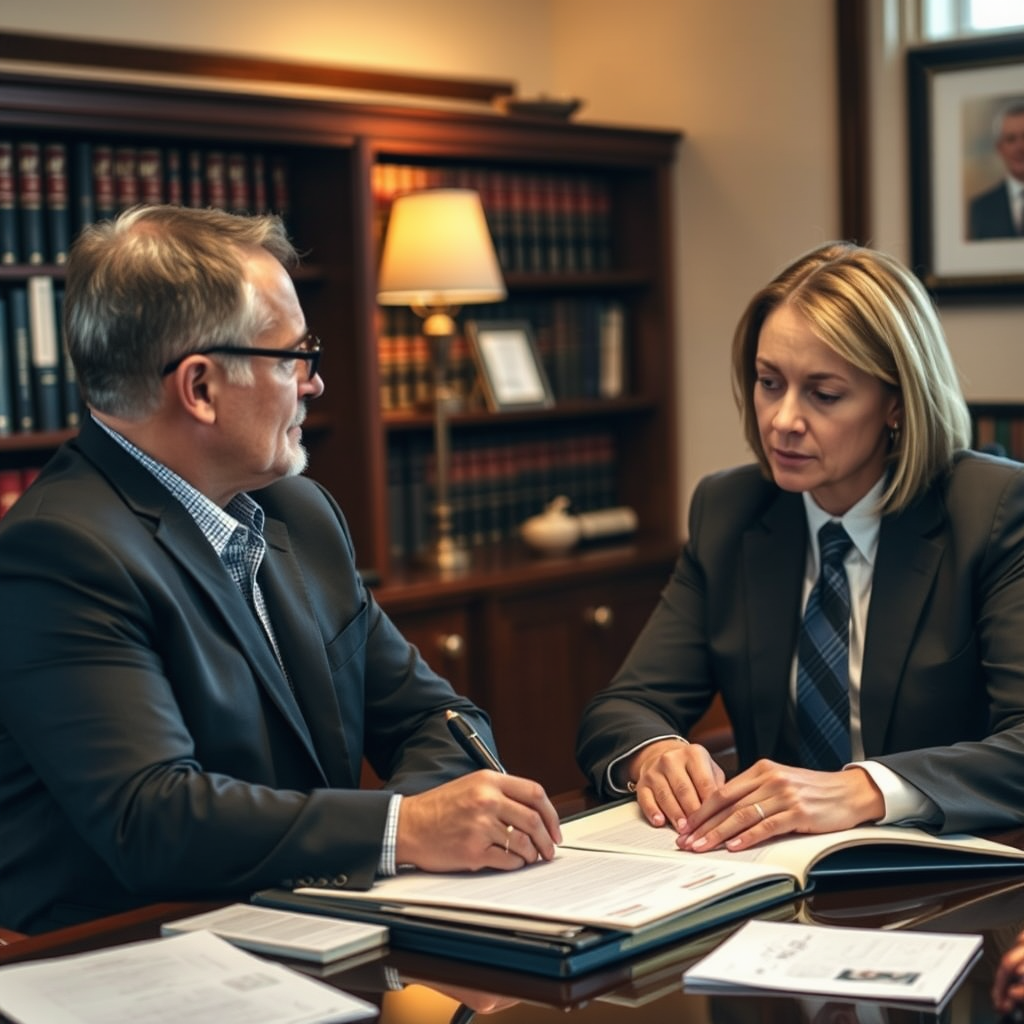
Domesticating Your Foreign Divorce Decree in Fluvanna County, VA: What You Need to Know
As of December 2025, the following information applies. In Virginia, domesticating a foreign divorce decree involves a legal process to make an overseas divorce judgment enforceable within the Commonwealth. This ensures property division, child custody, and support orders from a non-U.S. divorce can be recognized and upheld locally. The Law Offices Of SRIS, P.C. provides dedicated legal defense for these matters.
Confirmed by Law Offices Of SRIS, P.C.
What is Domesticating a Foreign Divorce Decree in Virginia?
So, you’ve gone through a divorce process in another country, and now you’re living in Virginia, specifically in Fluvanna County. You might be wondering, “Is my divorce still valid here? Can I remarry? Can I enforce the child support orders?” These are perfectly normal and important questions. What we’re talking about is the process of ‘domesticating’ a foreign divorce decree. Think of it this way: you have a legal document—your divorce decree—that was issued by a court in a different country. For that document to have full legal force and effect in Virginia, it needs to be recognized by a Virginia court.
Domesticating a foreign divorce decree means getting a Virginia court to officially acknowledge and accept the validity of your divorce judgment from overseas. It’s like getting a stamp of approval from the local legal system. Without this step, critical aspects of your divorce, such as property division, spousal support, or child custody arrangements, might not be legally enforceable in Virginia. This can create serious problems down the line, affecting your ability to remarry, modify support orders, or even deal with shared assets.
The need for domestication often arises when one or both former spouses relocate to Virginia after a divorce finalized in another country. Maybe you need to adjust child support payments, enforce a property settlement, or simply have legal proof of your marital status for official purposes in the United States. Virginia law, through statutes like the Uniform Foreign-Country Money Judgments Recognition Act (UFMJRA), provides a framework for recognizing judgments from other countries. However, it’s not always a straightforward path; there are specific requirements and conditions that must be met for a Virginia court to grant recognition.
The legal system aims to respect judgments from other sovereign nations, provided they meet certain fundamental fairness standards. For instance, the foreign court must have had proper jurisdiction over the parties, and both parties must have received proper notice and an opportunity to be heard. If these basic principles of due process were followed, and there was no fraud involved, a Virginia court is generally inclined to recognize the foreign decree. This recognition is vital for your peace of mind and for ensuring that the hard-won terms of your divorce continue to protect your interests and those of your family in Fluvanna County.
Getting this done correctly is important because it solidifies your legal standing. Imagine trying to buy a house, apply for a loan, or deal with inheritance issues when your marital status is unclear in the eyes of the law. It could lead to complications that are easily avoided by taking the proper steps to domesticate your decree. This process offers a path to certainty, allowing you to move forward with confidence knowing that your marital status and related orders are fully validated here in the Commonwealth.
Takeaway Summary: Domesticating your foreign divorce decree ensures its legal power and enforceability within Virginia, protecting your rights and obligations from a judgment made outside the U.S. (Confirmed by Law Offices Of SRIS, P.C.)
How to Domesticate a Foreign Divorce Decree in Fluvanna County, VA?
Bringing a divorce decree from another country into legal effect in Fluvanna County, Virginia, might sound like a lot of red tape, but it’s a process that can be managed effectively with the right approach. It’s not about re-litigating your divorce; it’s about making sure your existing judgment holds weight here. Here’s a general overview of the steps involved:
-
Gather Your Documents Meticulously
This is where it all begins. You absolutely need the original or a certified copy of your foreign divorce decree. Don’t just bring a photocopy you made at home; it needs to be an official document from the court that issued it. Along with the decree itself, you’ll need any related legal papers, such as property settlement agreements, child custody orders, or spousal support orders that were part of the original judgment. Sometimes, these documents might need to be ‘authenticated’ or ‘legalized’ for use in another country. This often involves getting an apostille if the foreign country is part of the Hague Apostille Convention, or going through a consular legalization process if it’s not. This step confirms the authenticity of the seals and signatures on your foreign documents, which Virginia courts will expect to see. It’s a foundational part of the process, and missing something here can cause significant delays.
-
Certified Translation, If Your Documents Aren’t in English
If your foreign divorce decree and all its accompanying documents aren’t in English, this step is non-negotiable. You’ll need a certified translation. What does ‘certified’ mean? It means the translation must be done by a professional translator who can attest, under oath or affirmation, to the accuracy and completeness of the translation. You can’t just ask a bilingual friend or family member to do it. The court needs assurance that the translation faithfully represents the original legal text. This ensures there are no misunderstandings or misinterpretations of the decree’s terms, which could lead to complications in Virginia. Finding a reputable, certified legal translator is a worthwhile investment to avoid future headaches.
-
Consult with a Knowledgeable Attorney
Blunt Truth: While you technically can try to do this yourself, it’s not a simple DIY project. Virginia’s laws regarding the recognition of foreign judgments have specific nuances. An attorney experienced in family law and foreign judgment recognition in Fluvanna County can provide invaluable guidance. They’ll help you understand the specific requirements, identify any potential challenges unique to your situation, and ensure that all procedural steps are followed correctly. This initial confidential case review with a seasoned professional can save you a lot of time, stress, and potential legal pitfalls. They can explain complex legal terms in plain English and help you prepare for every stage of the process.
-
File a Petition with the Virginia Court
Once your documents are in order and translated, your attorney will help you prepare and file a formal petition with the appropriate Circuit Court in Virginia. Since you’re in Fluvanna County, this means filing with the Fluvanna County Circuit Court. The petition will essentially ask the court to recognize and domesticate your foreign divorce decree. It will lay out the facts of your divorce, attach the necessary foreign documents, and explain why the Virginia court should grant recognition. This petition needs to be drafted carefully, adhering to Virginia’s rules of civil procedure. This isn’t just a simple form; it’s a formal request to the judiciary to exercise its authority.
-
Ensure Proper Service of Process
This is a critical legal requirement. The other party to the divorce (your former spouse) must be formally notified that you have filed a petition to domesticate the foreign decree in Virginia. This is known as ‘service of process.’ It’s not enough to just send them an email or text message. Virginia law dictates specific methods for proper service, which often include personal service by a sheriff or private process server, or sometimes service by certified mail. If your former spouse lives in another country, the rules for international service of process can be even more complicated, sometimes requiring compliance with international treaties like the Hague Service Convention. Proper service ensures due process and gives the other party an opportunity to respond to your petition.
-
Attend the Court Hearing & Seek Recognition
After the petition is filed and served, there will likely be a court hearing. During this hearing, the judge will review all the submitted documents, listen to arguments from both sides (if the other party has responded), and determine whether the foreign divorce decree meets Virginia’s standards for recognition. The court will typically look for evidence that the foreign court had proper jurisdiction, that both parties received fair notice, and that the judgment doesn’t violate Virginia’s public policy or involve fraud. If the court is satisfied, it will issue an order recognizing or domesticating your foreign divorce decree. This is the moment your foreign decree gains full legal teeth in Virginia.
-
Record the Virginia Order
Once the Virginia court issues its order recognizing your foreign divorce decree, it’s a good idea to ensure this order is properly recorded. While the court will maintain its own records, having certified copies for your personal records, and for any future legal or administrative needs (like updating your marital status on official documents or with financial institutions), is always a smart move. This final step formalizes the domestication process and ensures you have all the necessary paperwork to prove your legal status in the Commonwealth.
Following these steps can seem intricate, but with seasoned legal counsel, the process becomes much more manageable. The goal is to establish the legal validity of your foreign divorce decree within Virginia, thereby providing clarity and enforceability for all its terms.
Can I Enforce My Foreign Divorce Decree’s Child Support or Alimony Orders in Virginia?
A common and very real concern for individuals who have divorced overseas and then moved to Fluvanna County, Virginia, is the enforceability of specific orders from that foreign decree. Beyond just the fact of being divorced, what about the crucial financial and parental responsibilities? Can you actually compel your former spouse to pay child support or spousal support if those orders were issued by a court thousands of miles away? The short answer is: typically, yes, but it does require proper legal steps.
Virginia law provides mechanisms to enforce both child support and spousal support orders that originate from foreign countries, once the underlying divorce decree has been domesticated. For child support, the Uniform Interstate Family Support Act (UIFSA), adopted by Virginia, is a powerful tool. While UIFSA primarily addresses orders from other U.S. states, its principles can often be applied to foreign country support orders, especially if the foreign country has similar reciprocal arrangements or if the foreign order meets certain criteria for recognition.
The process usually involves registering the foreign support order with the appropriate Virginia court. Once registered and recognized, it essentially becomes a Virginia order and can be enforced using all the tools available under Virginia law, such as wage garnishment, liens on property, or even contempt of court proceedings. This means that if your former spouse, who is now also in Virginia, fails to pay their court-ordered child support, you can take legal action here to compel them to do so.
For spousal support (alimony) and other money judgments, Virginia’s Uniform Foreign-Country Money Judgments Recognition Act (UFMJRA) comes into play. This Act provides a streamlined process for a Virginia court to recognize and enforce money judgments, which includes spousal support payments, issued by courts in foreign countries. Once recognized under the UFMJRA, the foreign money judgment has the same effect and is subject to the same procedures, defenses, and proceedings for reopening, vacating, or staying as a money judgment of a Virginia court. This means that if your foreign decree includes an order for spousal support, you can seek to have that order enforced just as if it were originally issued by a Virginia judge.
However, it’s not always a guaranteed cakewalk. Challenges can arise. Different legal systems might have varying definitions of “support” or different methods of calculation. The foreign court must have had jurisdiction over the person ordered to pay support, and that person must have received proper notice of the proceedings. If there are questions about due process or if the foreign order goes against Virginia’s fundamental public policy, the court might scrutinize the request for enforcement more closely. For example, if the foreign order was obtained through fraud, a Virginia court would likely refuse to enforce it.
Moreover, actually collecting on a judgment can be difficult if the paying party has no assets in Virginia or if their income is difficult to trace. That’s why having knowledgeable legal counsel is important. They can help assess the likelihood of successful enforcement, prepare all the necessary filings, and vigorously pursue collection actions on your behalf in Fluvanna County. They understand the intricacies of both Virginia and international legal principles that apply to these situations, helping you pursue the financial stability and support you are entitled to.
Ultimately, while there are legal avenues for enforcing foreign support and alimony orders in Virginia, it’s a process best undertaken with experienced legal representation. This ensures that your rights are protected and that the mechanisms for enforcement are properly utilized to secure the financial provisions outlined in your foreign divorce decree.
Why Hire Law Offices Of SRIS, P.C.?
Going through a divorce, especially one that spans international borders, leaves you with a lot on your mind. You’ve got questions about your future, your finances, and your rights here in Virginia. It’s natural to feel a bit overwhelmed by the legal requirements for domesticating a foreign divorce decree in Fluvanna County. At Law Offices Of SRIS, P.C., we get it. We understand that you’re not just dealing with paperwork; you’re dealing with your life, your family, and your peace of mind.
Our goal isn’t just to process documents; it’s to provide you with clear, direct, and empathetic legal counsel, helping you move from confusion to clarity. We believe in cutting through the legal jargon and giving you the real talk about what needs to happen to get your foreign divorce decree recognized and enforceable here in Virginia. We aim to ease your burdens, offering reassurance through what can feel like a daunting legal journey.
Mr. Sris, our founder and principal attorney, has been committed to this level of service for decades. He once said, “My focus since founding the firm in 1997 has always been directed towards personally handling the most challenging and complex criminal and family law matters our clients face.” This dedication means you’re not just another case file. You’re a person with a unique situation that deserves careful attention and a knowledgeable approach.
We’ve got seasoned attorneys who are well-versed in Virginia family law and the specific procedures involved in domesticating foreign judgments. We know the courts in this region, including those serving Fluvanna County from our Richmond location. We’re here to explain each step, prepare all necessary documentation, and represent your interests vigorously. We’ll help you understand what to expect, clarify any uncertainties, and work diligently to ensure your foreign divorce decree achieves full legal standing in the Commonwealth.
Dealing with legal matters from overseas adds a layer of intricacy, but our team is equipped to manage these situations with a steady hand. We focus on achieving the best possible outcome for you, ensuring that the legal status of your divorce is solidified and that any related orders for support, custody, or property division can be enforced in Virginia. You don’t have to face this process alone. Let us put our experience to work for you, providing the clear path forward you need during this important transition.
Our Richmond location, serving Fluvanna County, is conveniently located to assist you:
Law Offices Of SRIS, P.C.
7400 Beaufont Springs Drive, Suite 300, Room 395
Richmond, VA, 23225, US
Phone: +1-804-201-9009
Call now for a confidential case review. We are here to help.
Frequently Asked Questions About Domesticating Foreign Divorce Decrees in Fluvanna County, VA
1. What does “domesticating” a foreign divorce decree mean?
It means getting a Virginia court to legally recognize and enforce a divorce judgment originally issued by a court outside the United States. This step makes the foreign decree fully valid and binding under Virginia law, enabling enforcement of its terms like support or custody locally.
2. Do I need an attorney to domesticate my foreign divorce decree in Fluvanna County, VA?
While not legally required, it’s highly advisable. The legal process is intricate, involving specific court rules, documentation, and potential objections. A knowledgeable attorney ensures all steps are followed correctly, saving time and preventing costly errors in Fluvanna County.
3. What documents do I need to domesticate a foreign divorce decree?
You’ll typically need a certified copy of your original foreign divorce decree, any related agreements like property settlements or child custody orders, and often a certified English translation if the originals are in another language. Authentication through an apostille might also be necessary.
4. How long does it take to domesticate a foreign divorce decree in Virginia?
The timeline can vary significantly. Factors include the intricacy of your decree, whether the other party contests it, court dockets, and the speed of obtaining necessary authenticated translations. It could range from a few months to over a year, depending on circumstances.
5. Can Virginia courts refuse to recognize a foreign divorce decree?
Yes, Virginia courts can refuse recognition under specific circumstances. Common reasons include lack of due process in the foreign court, fraud in obtaining the decree, or if the decree violates Virginia’s public policy. A court reviews these factors carefully.
6. What if my foreign divorce decree is not in English?
If your foreign divorce decree is not in English, you must obtain a certified translation. This translation needs to be performed by a professional, sworn translator who can attest to its accuracy. The translated document will then be submitted to the Virginia court.
7. Does domesticating a foreign divorce decree in Virginia include property division?
Yes, generally. When a foreign divorce decree is domesticated, a Virginia court aims to recognize and enforce all aspects of the original judgment, including provisions related to property division. This ensures equitable distribution orders can be upheld locally.
8. What is the Uniform Foreign-Country Money Judgments Recognition Act?
This Act (UFMJRA) provides a framework for Virginia courts to recognize and enforce money judgments issued by courts in foreign countries. It simplifies the process for financial aspects of a foreign divorce decree, such as spousal support or property settlement payments.
9. Can a foreign divorce affect child custody in Fluvanna County?
Absolutely. If child custody orders are part of your foreign divorce decree, domesticating it in Fluvanna County is essential to ensure these orders are enforceable and recognized under Virginia law. This protects the children’s best interests and parental rights.
10. What’s the difference between recognition and domestication?
While often used interchangeably, “recognition” typically refers to acknowledging the validity of a foreign judgment, while “domestication” implies making it an enforceable judgment *of* the Virginia court, allowing for local enforcement actions like wage garnishment for support.
The Law Offices Of SRIS, P.C. has locations in Virginia in Fairfax, Loudoun, Arlington, Shenandoah and Richmond. In Maryland, our location is in Rockville. In New York, we have a location in Buffalo. In New Jersey, we have a location in Tinton Falls.
Past results do not predict future outcomes.