


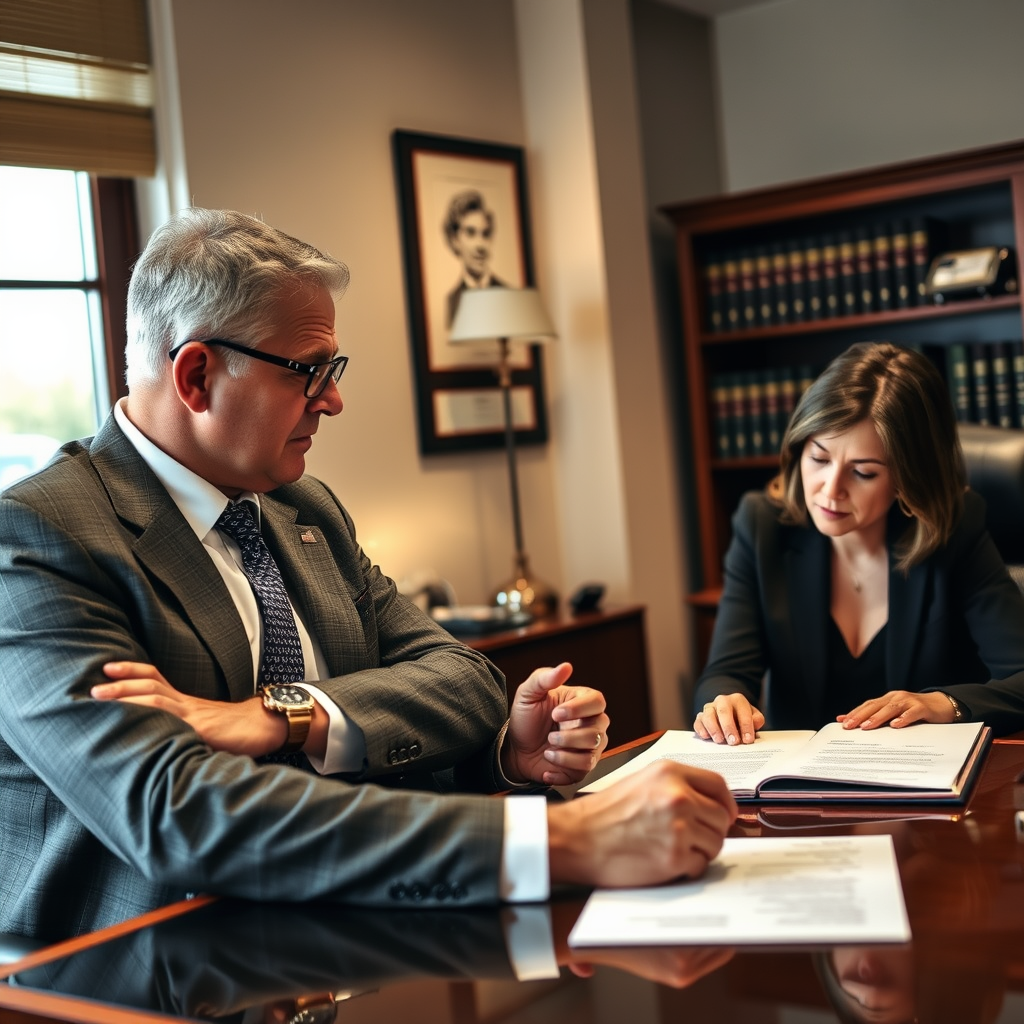
Prenuptial Agreement Attorney Arlington County, VA: Secure Your Future with Confidence
As of December 2025, the following information applies. In Virginia, prenuptial agreements involve safeguarding assets and defining financial arrangements before marriage. These legal documents require careful drafting and adherence to state laws to ensure enforceability. The Law Offices Of SRIS, P.C. provides dedicated legal assistance for these sensitive matters, helping clients in Arlington County achieve peace of mind.
Confirmed by Law Offices Of SRIS, P.C.
What is a Prenuptial Agreement in Virginia?
Getting married is an exciting time, a step into a shared future. But let’s be real for a moment: life can throw curveballs. A prenuptial agreement, often called a “prenup,” is simply a written contract signed by two people before they tie the knot. Think of it as a financial roadmap for your marriage, clarifying how assets and debts will be handled should the marriage unfortunately end. In Virginia, a prenuptial agreement serves as a legally binding document that can outline the division of property, spousal support (alimony), and other financial aspects. It’s not about predicting failure; it’s about establishing a clear understanding and protecting individual interests, giving both partners a sense of security.
Virginia law, specifically the Uniform Premarital Agreement Act (UPAA), governs the enforceability of these agreements. This means there are specific requirements that must be met for a prenup to be considered valid and hold up in court. Both parties must provide full financial disclosure, have adequate time to review the agreement, and be represented by independent counsel. It’s about fairness and transparency, ensuring neither person is pressured or misled. A properly drafted prenuptial agreement can avoid lengthy and costly disputes down the line, allowing you to focus on building your life together knowing that your financial future has a solid foundation. It’s about proactive planning, not reactive damage control.
Many folks initially feel a prenup suggests a lack of trust. I get that. But honestly, it’s quite the opposite. It’s a mature conversation, an honest discussion about financial expectations and responsibilities before you walk down the aisle. It’s a tool that can actually strengthen a relationship by bringing financial issues into the open, reducing potential for misunderstandings later on. Imagine knowing exactly where you stand, financially, no matter what. That’s the peace of mind a well-crafted prenuptial agreement offers. It’s a way to safeguard your individual assets, protect any businesses you own, define responsibilities for pre-marital debts, and even address inheritances or gifts you might receive. It’s a comprehensive approach to financial clarity within your marital union.
Takeaway Summary: A prenuptial agreement in Virginia is a critical legal tool that clarifies financial arrangements before marriage, providing peace of mind and protecting individual assets. (Confirmed by Law Offices Of SRIS, P.C.)
How to Establish a Prenuptial Agreement in Virginia?
Taking the step to create a prenuptial agreement in Virginia involves a series of important actions to ensure it’s legally sound and serves your best interests. It’s more than just putting words on paper; it’s a thoughtful process requiring legal understanding and open communication. Here’s a general outline of the process, but remember, every situation is unique, and getting personalized legal guidance is paramount.
-
Initiate Open Discussion with Your Partner
Before any legal documents are drafted, the most important step is to have an open, honest conversation with your fiancé. Discuss your individual financial situations, what you both hope to achieve with the prenup, and any concerns you might have. This isn’t a battle; it’s a collaborative effort to bring clarity to your future finances. Laying all cards on the table now can prevent significant heartache later. Talk about assets, debts, future inheritances, and any family businesses. This initial dialogue sets the stage for a smoother legal process.
-
Seek Independent Legal Counsel
This is non-negotiable for a valid Virginia prenuptial agreement. Both you and your partner must have separate, independent attorneys. Why? Because your attorney represents *your* best interests, and your partner’s attorney represents *theirs*. This ensures that both parties fully understand the terms, their rights, and the implications of the agreement. It prevents any claims of coercion or misunderstanding down the road, which is vital for the prenup’s enforceability. Your attorney will explain the legal nuances and advise you on protecting your assets effectively.
-
Full Financial Disclosure
Virginia law requires both parties to fully and accurately disclose all their assets, liabilities, income, and expenses. This isn’t a partial reveal; it needs to be a complete and transparent look at your financial landscape. Without full disclosure, a prenuptial agreement can be challenged and potentially invalidated. Gather bank statements, investment portfolios, property deeds, business valuations, and debt statements. Your attorney will help you compile and present this information correctly. This transparency is crucial for ensuring the agreement is fair and enforceable.
-
Drafting the Agreement
Once you’ve had your discussions and financial disclosures are complete, your attorney will begin drafting the prenuptial agreement. This document will be tailored to your specific circumstances and wishes. It can cover various aspects, including the division of marital and separate property, spousal support provisions, business interests, and even pet custody. The language needs to be clear, unambiguous, and compliant with Virginia statutes. This is where the legal expertise truly shines, ensuring every clause is robust and serves its intended purpose. Your attorney will guide you through each section, explaining its meaning and impact.
-
Review and Negotiation
After the initial draft, both parties and their respective attorneys will review the document thoroughly. This is often an iterative process, involving negotiations and revisions until both parties are comfortable with all the terms. Don’t rush this stage. Take your time, ask questions, and ensure you understand every clause. It’s important to have a reasonable amount of time to consider the agreement before signing. Rushing the process can be a reason for a court to invalidate it later. Your attorney will represent your position during these negotiations, ensuring your voice is heard and your interests are protected.
-
Signing the Agreement
Once both parties and their attorneys agree on all terms, the prenuptial agreement will be formally signed. In Virginia, it must be in writing and signed by both parties. While not always required by law to be notarized, doing so can add an extra layer of authentication. This final step legally formalizes the agreement, making it a binding contract. Make sure you receive a fully executed copy for your records. This signed document represents the culmination of your discussions and legal work, providing that clear financial framework for your marriage.
Blunt Truth: Creating a prenuptial agreement isn’t about planning for divorce; it’s about clear communication and financial prudence before marriage, which can actually strengthen your relationship. It establishes boundaries and expectations that can prevent future conflict, allowing you to focus on the love and companionship that brought you together in the first place. Getting knowledgeable legal counsel ensures this process is handled with care and precision, protecting both your present and future.
Can a Prenuptial Agreement Be Challenged in Virginia?
It’s natural to wonder if a prenuptial agreement, once signed, is truly set in stone. The truth is, while a properly drafted and executed prenuptial agreement in Virginia is a powerful legal tool, it can indeed be challenged under specific circumstances. Understanding these potential challenges is important for anyone considering or already having a prenup. It helps highlight why adhering strictly to legal requirements during its creation is so important. When someone tries to challenge a prenup, they are essentially asking a court to declare it unenforceable, either in whole or in part.
Virginia’s Uniform Premarital Agreement Act (UPAA) sets the grounds under which a prenuptial agreement can be found unenforceable. One of the most common grounds for a challenge is if a party proves that they did not execute the agreement voluntarily. This means if someone felt pressured, threatened, or coerced into signing, the agreement might be invalidated. This is why having independent legal counsel and sufficient time to review the document are so important – it helps demonstrate voluntariness. The court wants to see that both parties entered into the agreement freely and with clear minds, without undue influence.
Another significant reason for a challenge is a lack of full and fair financial disclosure. If one party failed to provide a complete and accurate picture of their assets and debts before the agreement was signed, and the other party didn’t have a reasonable opportunity to learn about those hidden finances, the agreement could be thrown out. This isn’t about minor oversights; it’s about significant omissions that would materially impact someone’s decision to sign. Transparency is key here. The UPAA emphasizes that both parties should have a comprehensive understanding of each other’s financial standing at the time of signing.
Furthermore, an agreement can be challenged if it’s found to be unconscionable. What does that mean? It means the agreement is so grossly unfair to one party that it “shocks the conscience” of the court. This is a high bar and isn’t just about an unequal division of assets. It typically involves circumstances where one party was in a significantly disadvantaged position and the terms are outrageously one-sided at the time of execution. For example, if a prenup leaves one spouse virtually destitute while the other retains all wealth, and there were no other means of support, a court might consider it unconscionable. The timing of determining unconscionability is important; it’s judged at the time the agreement was made, not years later.
Lastly, certain provisions within a prenuptial agreement might be challenged if they violate public policy. For instance, provisions that attempt to dictate child custody or child support are generally unenforceable in Virginia. Courts always prioritize the best interests of the child, and parents cannot contract away their parental duties or a child’s right to support. Similarly, agreements that encourage divorce or are contrary to the institution of marriage might be scrutinized. While prenups offer broad flexibility, they cannot override fundamental legal principles or public policy considerations. It’s important to remember that challenging a prenup is a complex legal battle, often requiring substantial evidence and a seasoned attorney to present the case effectively. If you’re concerned about the enforceability of a prenup, or need to defend one, securing legal advice quickly is a smart move.
Why Hire Law Offices Of SRIS, P.C. for Your Prenuptial Agreement in Arlington County?
When you’re making such a significant decision as a prenuptial agreement, you need more than just legal advice; you need an attorney who truly gets it. At the Law Offices Of SRIS, P.C., we understand the blend of personal emotion and financial prudence involved. Our approach in Arlington County is built on providing you with clear, direct guidance and a reassuring presence during what can feel like an intimidating process. We believe in empowering you with information, ensuring you feel confident in every step you take towards securing your future.
Mr. Sris, our founder, brings a deep commitment to our clients. His perspective on family law matters, including prenuptial agreements, is shaped by years of dedicated service. As Mr. Sris himself puts it: “My focus since founding the firm in 1997 has always been directed towards personally managing the most challenging and complex criminal and family law matters our clients face.” This insight reflects our firm’s dedication to taking on intricate cases and providing personalized attention. We don’t just process paperwork; we represent your interests with diligence and a profound understanding of Virginia law.
Choosing an attorney for your prenuptial agreement in Arlington County means choosing someone who can not only draft a legally sound document but also navigate the delicate discussions with empathy. We represent your side firmly, making sure your assets are protected and your future financial security is safeguarded. We’ll explain the legal jargon in plain English, ensuring you fully grasp the implications of every clause. Our goal is to make a potentially stressful process as smooth and straightforward as possible, leaving you with peace of mind as you embark on your marriage.
Law Offices Of SRIS, P.C. has a location conveniently serving Arlington County residents:
Arlington, VA Location:
1655 Fort Myer Dr, Suite 700, Room No: 719, Arlington, VA, 22209, US
Phone: +1-703-589-9250
If you’re considering a prenuptial agreement or need assistance reviewing one, don’t hesitate. You deserve clarity and protection as you plan your future. Reach out to us for a confidential case review and let us help you build a solid foundation for your marriage.
Call now to discuss your prenuptial agreement needs with an experienced attorney.
Frequently Asked Questions About Prenuptial Agreements in Virginia
Q1: What exactly can a prenuptial agreement cover in Virginia?
A prenup in Virginia can cover a range of financial matters including property division, spousal support, and management of assets and debts. It cannot, however, dictate child custody or child support, as these are always determined by a court based on the child’s best interests.
Q2: Do both parties need separate attorneys for a Virginia prenup?
Yes, it is highly advisable and often considered essential for both parties to have independent legal counsel. This ensures each individual’s interests are protected and helps prevent future challenges to the agreement’s enforceability.
Q3: What if we don’t have a prenuptial agreement and later divorce?
Without a prenup, Virginia law will govern the division of marital property and spousal support based on statutory factors. This process can be more unpredictable and potentially more contentious than if an agreement was in place.
Q4: Can a prenuptial agreement be changed after marriage?
Yes, a prenuptial agreement can generally be modified or revoked after marriage, but only with the written agreement of both parties. Any changes must also comply with the legal requirements for valid contract modification.
Q5: Is a prenuptial agreement only for wealthy individuals?
Not at all. While often associated with significant wealth, prenuptial agreements are valuable for anyone seeking to protect assets, manage debts, or ensure financial clarity. It offers peace of mind regardless of net worth.
Q6: How far in advance of the wedding should we get a prenup?
It’s recommended to begin the process several months before the wedding. This allows ample time for discussions, financial disclosure, drafting, review, and negotiation without the added pressure of impending wedding plans, enhancing enforceability.
Q7: What makes a prenuptial agreement unenforceable in Virginia?
A Virginia prenup can be unenforceable if a party didn’t sign voluntarily, there was a lack of full financial disclosure, or the agreement is found to be unconscionable at the time of execution. Provisions against public policy are also unenforceable.
Q8: Does a prenuptial agreement guarantee no future disputes?
While a prenup significantly reduces the likelihood of financial disputes during divorce, it doesn’t guarantee their complete absence. However, it provides a clear framework that can streamline the process and minimize conflict over covered issues.
Q9: Are prenuptial agreements legally recognized in Virginia?
Yes, prenuptial agreements are legally recognized and upheld in Virginia under the Uniform Premarital Agreement Act (UPAA), provided they meet specific legal requirements for validity and enforceability.
Q10: What role does full financial disclosure play in a prenup?
Full financial disclosure is a fundamental requirement. Both parties must completely and accurately reveal all assets and debts. Failure to do so can be grounds for challenging and potentially invalidating the entire prenuptial agreement.
The Law Offices Of SRIS, P.C. has locations in Virginia in Fairfax, Loudoun, Arlington, Shenandoah and Richmond. In Maryland, our location is in Rockville. In New York, we have a location in Buffalo. In New Jersey, we have a location in Tinton Falls.
Past results do not predict future outcomes.