


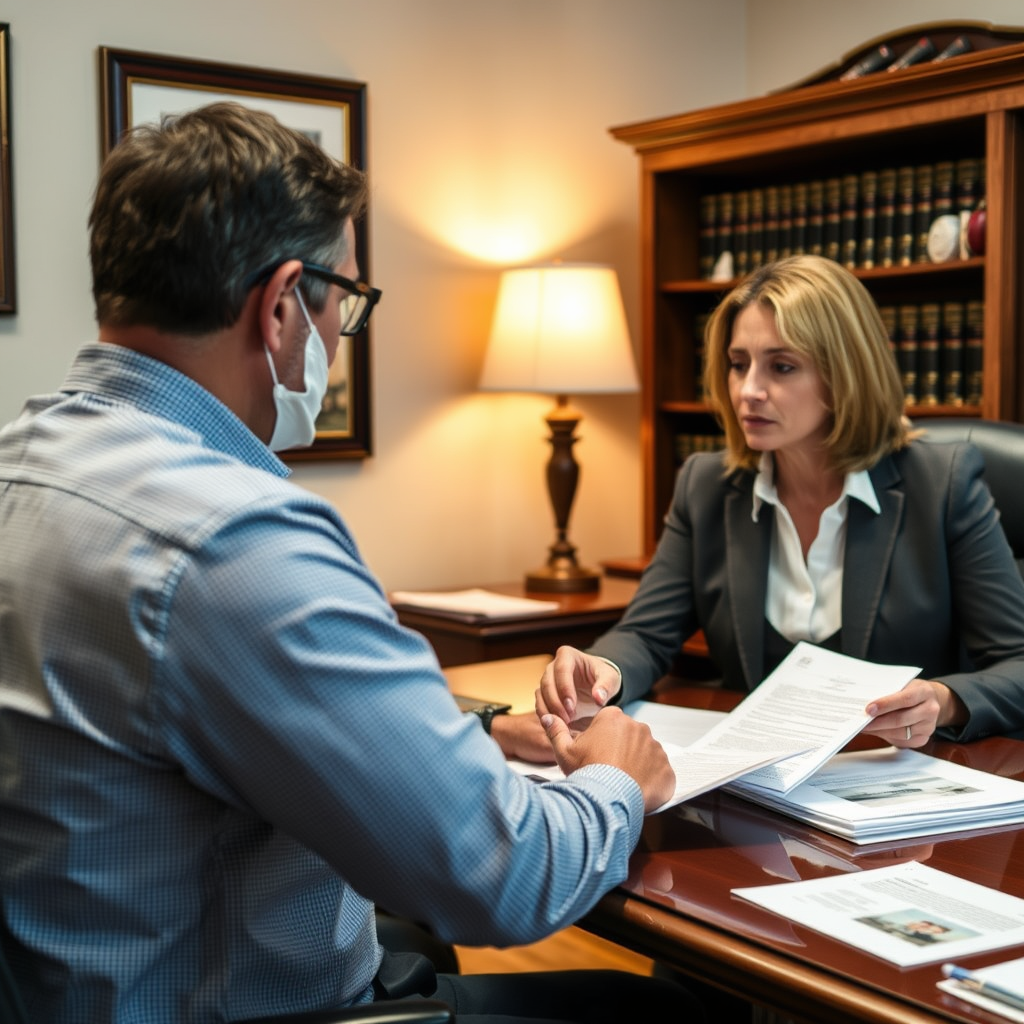
Out-of-State Divorce Enforcement in Bland County, VA: Getting What You’re Owed
As of December 2025, the following information applies. In Virginia, enforcing an out-of-state divorce decree in Bland County involves specific legal procedures to ensure child support, spousal support, or property division orders are honored. The Uniform Interstate Family Support Act (UIFSA) and Uniform Child Custody Jurisdiction and Enforcement Act (UCCJEA) are key. The Law Offices Of SRIS, P.C. provides dedicated legal defense for these matters.
Confirmed by Law Offices Of SRIS, P.C.
What is Out-of-State Divorce Enforcement in Virginia?
Dealing with a divorce is tough enough, but what happens when your ex moves out of state and suddenly stops adhering to the court order? Or maybe you moved to Virginia after your divorce was finalized elsewhere, and now you need to make sure your ex keeps up their end of the bargain. Simply put, out-of-state divorce enforcement in Virginia refers to the legal process of making a divorce decree, child support order, or child custody arrangement issued by a court in a different state legally binding and enforceable here in the Commonwealth. It’s about ensuring that the judgments you fought for, whether they cover finances or your children’s well-being, are respected and followed, no matter where your former spouse resides. This isn’t just about collecting money; it’s often about maintaining the stability and security you and your children deserve. It’s about upholding the integrity of judicial orders and preventing one party from simply dodging their responsibilities by crossing state lines. We’re talking about bringing legal muscle to bear when informal requests or agreements fail, using established legal frameworks to ensure justice.
When a divorce decree or related order is issued in one state, it doesn’t automatically have power in another. Each state is its own sovereign entity, and while there’s a constitutional requirement for states to give “full faith and credit” to judgments from other states, the actual mechanism for doing so requires specific legal steps. This is where Uniform Acts come into play, streamlining what could otherwise be a chaotic and complicated process. Without these enforcement steps, you could be left with a piece of paper that holds little sway, making it incredibly difficult to get what you’re legally entitled to. That’s why understanding this process is so important, especially when you’re in Bland County, Virginia, looking to enforce a decree from afar. It’s about translating a foreign order into a local one that Bland County courts can act upon, ensuring you don’t lose out just because of geographical distance. The aim is to ensure continuity and fairness, so that the obligations set out in your original divorce judgment remain effective and enforceable.
Blunt Truth: Ignoring an out-of-state order doesn’t make it disappear; it just delays justice. We help make sure it’s enforced here.
Takeaway Summary: Out-of-state divorce enforcement in Virginia involves making a prior state’s divorce, support, or custody order legally binding and actionable within the Commonwealth, often through Uniform Acts. (Confirmed by Law Offices Of SRIS, P.C.)
How to Enforce an Out-of-State Divorce Order in Bland County, VA?
Enforcing an out-of-state divorce order in Bland County, Virginia, might seem daunting, but it’s a structured legal process. You’re essentially asking Virginia courts to recognize and give effect to a judgment that originated elsewhere. This isn’t a simple rubber stamp; it requires careful adherence to specific procedures designed to ensure due process and proper jurisdiction. The goal is to domesticate your foreign order, transforming it into a Virginia order that local courts can then enforce, whether that means garnishing wages for child support or compelling compliance with a custody schedule. Think of it like plugging an appliance from one country into another – you need an adapter. In this case, the legal system provides that adapter.
Here’s how we generally approach this process:
-
Gather Your Documents: The Foundation of Your Case
The first, and perhaps most crucial, step is to collect every single relevant document. This includes certified copies of your original divorce decree, any child support orders, spousal support orders, and child custody orders. ‘Certified copies’ are key – these are not just photocopies; they have a special stamp or seal from the issuing court proving their authenticity. You’ll also need any modifications or amendments that have been made to these orders over time. Don’t forget any documentation showing payment history, communication logs with your ex-spouse regarding compliance, and any other evidence that helps paint a clear picture of the situation. Missing even one crucial piece of paper can cause significant delays. It’s like building a house; you need all the blueprints before you can lay the foundation. The more organized and complete your documentation is from the start, the smoother the entire enforcement process will be. We’ll help you identify exactly what’s needed and where to get it, making sure no stone is left unturned in preparing your solid case for the Bland County courts.
-
Understanding the Uniform Acts: Your Legal Framework
Virginia, like most states, has adopted uniform laws to handle interstate family law matters. For child support, we rely on the Uniform Interstate Family Support Act (UIFSA). This act establishes clear rules for when a state can establish, modify, or enforce child support orders involving parties in different states. It prevents multiple states from issuing conflicting orders and ensures there’s one controlling order. For child custody, the Uniform Child Custody Jurisdiction and Enforcement Act (UCCJEA) governs. The UCCJEA helps determine which state has jurisdiction to make or modify custody orders and provides mechanisms for enforcing orders from other states, prioritizing the child’s best interests and preventing ‘kidnapping’ across state lines. While there isn’t a specific uniform act for property division, the Full Faith and Credit Clause of the U.S. Constitution generally requires Virginia to recognize valid property division orders from other states. Understanding which act applies to your specific issue – support, custody, or property – is fundamental to choosing the right legal path. We’ll walk you through these legal distinctions, explaining how each act impacts your situation and strategizing the most effective approach for enforcement in Bland County.
-
Registering the Order: Making it Virginia Law
Once you have your certified documents and understand the relevant uniform acts, the next step is typically to register the out-of-state order with a Virginia court. For child support, you’ll file a petition to register the order under UIFSA with the appropriate court, often the Juvenile and Domestic Relations District Court in Bland County. For child custody, you’ll similarly register the order under UCCJEA. Registering the order formally places it on the records of the Virginia court, giving it the same force and effect as if it had been originally issued by a Virginia court. This ‘domestication’ process is critical because it gives the Virginia court the authority to enforce the terms of the order directly. It’s like getting your foreign driver’s license officially recognized so you can drive legally in Virginia. Without registration, the court lacks the direct power to act on your behalf. We’ll meticulously prepare and file all necessary paperwork, ensuring your order is properly registered and ready for enforcement in Bland County.
-
Enforcement Mechanisms: Getting Compliance
With your order registered in Bland County, you can now pursue enforcement. The specific methods depend on what needs to be enforced. If it’s child support, mechanisms include wage garnishment, liens on property, interception of tax refunds, and even contempt of court proceedings if your ex-spouse is willfully defying the order. For custody, enforcement might involve orders to compel compliance with visitation schedules, or in severe cases, seeking police assistance for child recovery. For property division, you might pursue actions to compel the sale of assets or transfer of titles. Each mechanism has its own legal requirements and process. Contempt of court, for example, requires proving that the other party willfully violated a clear court order and had the ability to comply. Choosing the right enforcement tool is paramount and often depends on the specifics of your ex-spouse’s assets, employment, and overall willingness to comply. We’ll help you select the most effective enforcement strategies, taking aggressive action where necessary to secure what you’re owed and ensure your ex-spouse meets their obligations as ordered by the court.
-
Seeking Modification (If Necessary): Adapting to New Realities
Sometimes, simply enforcing the old order isn’t enough because circumstances have significantly changed since the original decree was issued. Perhaps your income or your ex-spouse’s income has drastically altered, or your child’s needs have evolved. In such cases, while enforcing the current order, you might also need to seek a modification. Under UIFSA, generally, the state that issued the original child support order retains exclusive, continuing jurisdiction to modify it, as long as one of the parties or the child still resides there. However, if all parties have moved out of the issuing state, a new state (like Virginia, if both parties are now here, or if Virginia is the child’s home state) may gain jurisdiction to modify the order. UCCJEA has similar rules for custody modifications. It’s a complex jurisdictional dance. We can help you determine if modification is possible and advisable, representing your interests to ensure any updated orders reflect current realities while protecting your rights and your children’s best interests. This dual approach of enforcement and potential modification ensures the orders remain fair and effective in the long run.
Can I Really Enforce an Out-of-State Divorce Order in Bland County, VA if My Ex Moved Away?
Absolutely, you can. It’s a common misconception that once an ex-spouse crosses state lines, they’re free from their legal obligations. That’s simply not true, especially when it comes to vital matters like child support, spousal support, or child custody. The U.S. legal system, through constitutional mandates and uniform laws, provides a clear path for enforcing these orders across state lines. Your divorce decree, child support order, or custody agreement isn’t just a piece of paper; it’s a legally binding document that carries weight throughout the country. While the process requires specific legal steps, the principle of ‘full faith and credit’ ensures that Virginia courts will recognize and enforce valid judgments from other states. We understand the fear and frustration that comes with an ex trying to avoid their responsibilities. It can feel like an uphill battle, but with the right legal approach, you absolutely have the power to compel compliance.
Many clients come to us feeling hopeless, thinking they’re stuck because their ex-partner relocated hundreds or even thousands of miles away. They worry about the costs, the time, and the sheer complexity of dealing with two different state legal systems. But here’s the reassuring truth: the laws are designed to protect you in these situations. Acts like the Uniform Interstate Family Support Act (UIFSA) and the Uniform Child Custody Jurisdiction and Enforcement Act (UCCJEA) were specifically created to simplify and streamline the enforcement of family law orders across state lines. These aren’t obscure, rarely-used statutes; they are actively employed every day in courts across Virginia, including Bland County, to help individuals like you get what they are due. These laws help ensure there’s a clear path for enforcement, preventing a legal free-for-all where different states issue conflicting orders. Instead, they provide a framework for cooperation between states, making sure that your valid court orders are respected and enforced, regardless of geography.
The key is understanding the proper procedures for domesticating your out-of-state order in Virginia and then utilizing the various enforcement tools available. Whether it’s wage garnishment for unpaid support, initiating contempt proceedings for missed custody exchanges, or securing liens on property, there are robust legal avenues. We’ve seen these situations many times, and we know how to strategically apply the law to get results. Your primary concern should be to get a knowledgeable attorney on your side who understands the nuances of interstate enforcement. Trying to tackle this alone can be incredibly frustrating and might even lead to missteps that delay or jeopardize your case. With the Law Offices Of SRIS, P.C., you have a dedicated ally who will guide you through every step, demystifying the process and relentlessly pursuing the enforcement of your rights in Bland County, VA. Don’t let distance be a barrier to justice; it truly isn’t when you have the right legal support.
Why Hire Law Offices Of SRIS, P.C. for Out-of-State Divorce Enforcement?
When you’re facing the challenging and often frustrating process of enforcing an out-of-state divorce order in Bland County, VA, you need legal representation that is both knowledgeable and empathetic. This isn’t just about understanding the law; it’s about understanding what you’re going through and providing direct, effective solutions. At Law Offices Of SRIS, P.C., we bring a wealth of experience and a client-focused approach to these complex cases.
Mr. Sris, our founder and principal attorney, brings a personal commitment to every client. As he puts it, “My focus since founding the firm in 1997 has always been directed towards personally handling the most challenging and complex criminal and family law matters our clients face.” This dedication means you won’t be just another case number; you’ll receive the focused attention your situation demands. We understand the emotional toll these disputes can take, and we strive to provide not just legal guidance, but also reassurance and clarity through every step.
Our firm is uniquely equipped to manage the intricacies of interstate family law. We’re well-versed in the Uniform Interstate Family Support Act (UIFSA) and the Uniform Child Custody Jurisdiction and Enforcement Act (UCCJEA), which are the cornerstones of these types of cases. We know how to properly register your out-of-state orders with Virginia courts, how to strategically employ enforcement mechanisms like wage garnishments or contempt actions, and how to represent your interests effectively, whether in negotiations or in court. Our goal is to streamline the process for you, minimize your stress, and achieve the best possible outcome.
We pride ourselves on our direct and transparent communication. You’ll always know where your case stands and what the next steps are. We anticipate potential roadblocks and develop proactive strategies to overcome them, ensuring that your rights are vigorously defended. Choosing the right attorney makes all the difference in getting the justice you deserve when your ex-spouse is out of state. We’re here to be your unwavering advocate.
Law Offices Of SRIS, P.C. serves Bland County from our Richmond location:
7400 Beaufont Springs Drive, Suite 300, Room 395, Richmond, VA, 23225, US
Phone: +1-804-201-9009
Call now for a confidential case review and let us help you enforce your out-of-state divorce order.
Frequently Asked Questions About Out-of-State Divorce Enforcement in Bland County, VA
Q1: How long does it take to enforce an out-of-state divorce order in Virginia?
The timeline varies based on the specifics of your case, like your ex-spouse’s cooperation and court schedules. Generally, registering the order can take weeks, with enforcement actions potentially taking several months. A knowledgeable attorney can often expedite this process.
Q2: Do I need to physically go to court in Bland County, VA, for enforcement?
Not always. While some court appearances might be required, an attorney can often represent you. Many steps, like document filing and initial hearings, can be handled by your legal counsel, minimizing your travel burden.
Q3: Can an out-of-state child support order be modified in Virginia?
Yes, but under specific conditions outlined by UIFSA. Generally, the state that issued the original order maintains jurisdiction unless all parties and the child move out of that state. We can determine if Virginia has modification jurisdiction.
Q4: What if my ex-spouse lives in a different state and refuses to comply with custody orders?
The UCCJEA (Uniform Child Custody Jurisdiction and Enforcement Act) allows Virginia courts to enforce out-of-state custody orders. This can involve compelling compliance, setting specific visitation schedules, or even seeking a warrant for child pickup in severe cases.
Q5: Is spousal support from another state enforceable in Virginia?
Yes, typically. While not covered by UIFSA like child support, spousal support orders from other states are generally recognized and enforced in Virginia under the Full Faith and Credit Clause of the U.S. Constitution, following proper registration procedures.
Q6: What if I don’t have certified copies of my original divorce decree?
You’ll need to obtain them from the court that issued the original order. This is a crucial first step, as Virginia courts require certified copies for proper registration and enforcement. We can guide you on how to request these documents.
Q7: Can Law Offices Of SRIS, P.C. help if my ex-spouse is trying to modify the order in their state?
Absolutely. We can represent your interests and argue against unwarranted modifications, or assert Virginia’s jurisdiction if applicable. It’s important to have strong legal representation to protect your rights in any modification attempt.
Q8: What are the potential consequences for my ex-spouse if they don’t comply?
Consequences vary but can include wage garnishment, bank account levies, liens on property, interception of tax refunds, suspension of licenses, and even contempt of court, which can result in fines or jail time in extreme cases.
Q9: How can I start the process of enforcing my order?
The best first step is to schedule a confidential case review with our firm. We’ll assess your specific situation, review your documents, explain your options, and outline a clear plan of action tailored to your needs.
Q10: Can out-of-state property division orders be enforced in Virginia?
Yes, Virginia courts generally recognize and enforce valid property division orders from other states under the principle of full faith and credit. The process involves domesticating the judgment here, similar to other aspects of the divorce decree.
The Law Offices Of SRIS, P.C. has locations in Virginia in Fairfax, Loudoun, Arlington, Shenandoah and Richmond. In Maryland, our location is in Rockville. In New York, we have a location in Buffalo. In New Jersey, we have a location in Tinton Falls.
Past results do not predict future outcomes.