


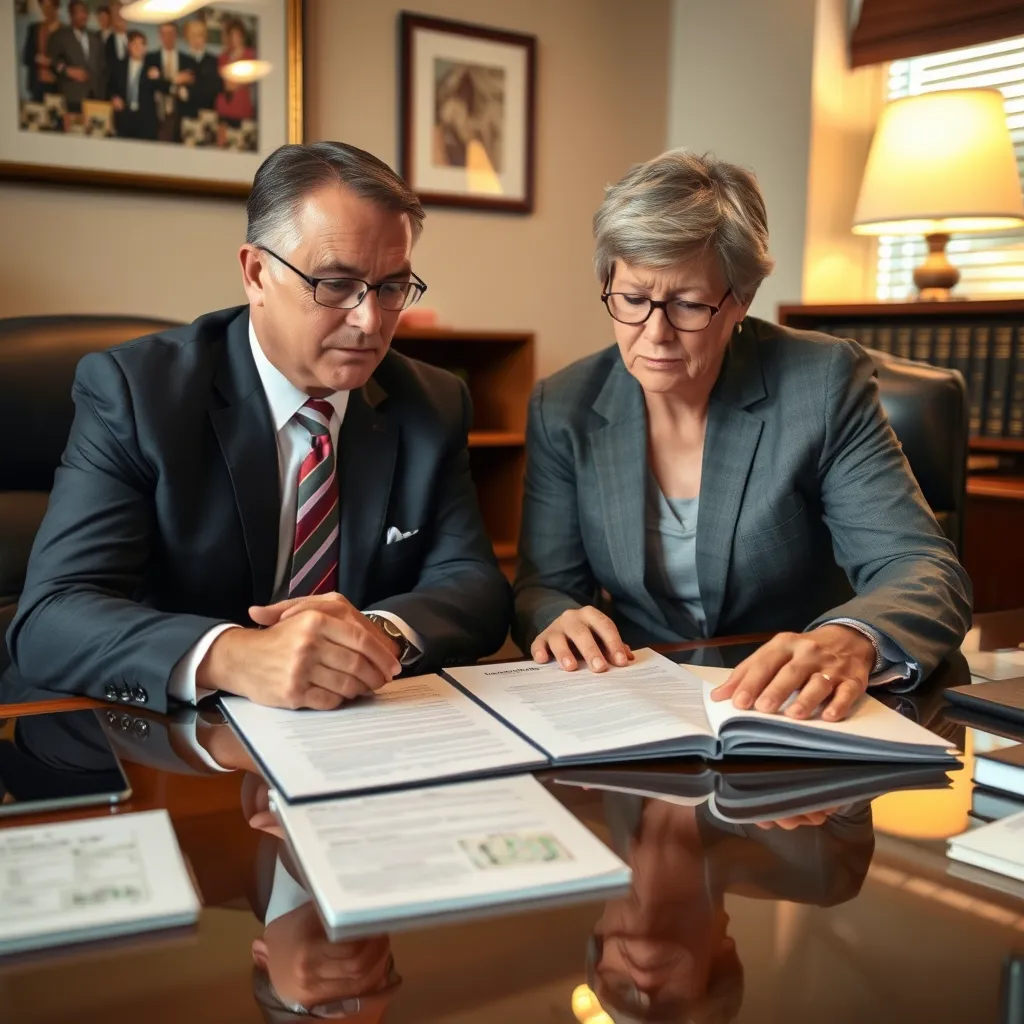
Note: This article is confirmed by Law Offices Of SRIS, P.C.
WRITTEN BY: Mr. Sris
Since 1997, Mr. Sris has led the firm, focusing on the most challenging criminal and family law cases. His background in accounting and information management aids in financial and technology-related cases. Involved in significant legislative changes in Virginia. Insight: My focus since founding the firm in 1997 has always been directed towards personally handling the most challenging and involved criminal and family law matters our clients face.
Catastrophic Injury Lawyer Salisbury, MD
What is Catastrophic Injury
Catastrophic injuries represent the most severe physical harm a person can sustain. These injuries typically involve permanent disability, significant impairment of bodily functions, or substantial reduction in quality of life. Common examples include traumatic brain injuries that affect cognitive function, spinal cord injuries leading to paralysis, severe burns requiring multiple surgeries, and amputations that permanently alter mobility.
The medical reality of catastrophic injuries involves extensive treatment protocols. Patients often require emergency care, multiple surgeries, rehabilitation programs, and ongoing therapy. Many need assistive devices like wheelchairs, prosthetics, or home modifications. Medical costs can accumulate over decades, with some injuries requiring lifelong care and monitoring.
Legal handling of catastrophic injury cases demands specific approaches. Documentation must establish the permanent nature of the injury and its long-term consequences. Medical records, attorney testimony, and life care plans become vital evidence. Compensation calculations must account for future medical expenses, lost earning capacity, and reduced quality of life. These cases often involve higher settlement values due to their severity.
Professional insight into catastrophic injury law recognizes the unique challenges. These cases require understanding medical terminology, treatment protocols, and rehabilitation processes. Legal strategies must address both immediate needs and long-term consequences. Effective representation involves coordinating with medical professionals, vocational attorneys, and economists to build comprehensive claims.
How to Handle Catastrophic Injury Claims
The initial response to a catastrophic injury sets the foundation for any legal claim. Immediate medical attention is vital not only for health but also for creating medical records that document the injury’s severity. Emergency room reports, surgical notes, and initial diagnoses establish the baseline for the injury’s impact. These records become evidence linking the accident to the harm suffered.
Evidence preservation follows medical stabilization. Photograph accident scenes, vehicles, and visible injuries. Collect contact information from witnesses and preserve physical evidence when possible. Document everything related to the incident, including weather conditions, road conditions, and any contributing factors. This evidence helps establish liability and the accident’s circumstances.
Insurance communication requires careful handling. Insurance adjusters may contact injured parties soon after accidents. Avoid providing recorded statements or signing documents without legal review. Initial settlement offers often fail to account for catastrophic injuries’ long-term costs. Legal representation ensures proper valuation of claims and protects rights during negotiations.
Legal strategy development addresses the unique aspects of catastrophic cases. This includes identifying all potentially liable parties, understanding insurance coverage limits, and determining appropriate damage categories. Severe injury lawyer Maryland approaches consider future medical needs, lost earning capacity, pain and suffering, and loss of enjoyment of life. Comprehensive claims may involve multiple insurance policies or defendants.
Can I Afford Legal Help for Catastrophic Injuries
Financial concerns often prevent injury victims from seeking legal help. The contingency fee system addresses this barrier directly. Under this arrangement, attorneys advance all case costs and receive payment only upon successful resolution. If no compensation is recovered, the client owes no legal fees. This system aligns attorney interests with client outcomes, as both benefit from maximizing recovery.
Fee structures vary but typically involve a percentage of the recovery. Standard percentages range based on case challenge and stage of resolution. Some firms offer sliding scales where percentages decrease if cases settle early. All fee arrangements should be clearly documented in written agreements that specify what percentages apply and how expenses are handled.
Case expenses represent another consideration. These include filing fees, attorney witness costs, medical record retrieval, and investigation expenses. Reputable firms typically advance these costs and deduct them from the recovery after settlement. Transparent agreements specify how expenses are handled and whether clients remain responsible if no recovery occurs.
Financial planning for catastrophic injury cases involves understanding the full compensation picture. A Salisbury catastrophic accident attorney helps evaluate both economic and non-economic damages. Economic damages include medical expenses, lost income, and future care costs. Non-economic damages address pain, suffering, and reduced quality of life. Comprehensive valuation ensures adequate compensation for all losses.
Why Hire Legal Help for Catastrophic Injuries
Catastrophic injuries create overwhelming challenges beyond physical recovery. Legal challenges add stress to an already difficult situation. Professional representation handles the legal burden, allowing clients to concentrate on healing. Attorneys manage communications, paperwork, deadlines, and procedural requirements that would overwhelm most injury victims.
Insurance company interactions benefit from legal representation. Adjusters trained to minimize payouts use various tactics against unrepresented claimants. They may request recorded statements, push quick settlements, or dispute injury severity. Legal counsel levels the playing field, ensuring proper claim valuation and protecting clients from unfair practices.
Case development requires specific experienced lawyer for catastrophic injuries. Severe injury lawyer Maryland approaches involve coordinating medical attorneys, vocational attorneys, and economists. These professionals help establish the full scope of damages, including future medical needs, lost earning capacity, and life care requirements. Comprehensive documentation strengthens settlement positions and trial presentations.
Legal strategy adapts to catastrophic injuries’ unique aspects. This includes identifying all potential sources of compensation, whether through insurance policies, liable parties, or alternative funds. Strategies may involve structured settlements that provide long-term financial security rather than lump-sum payments. Professional guidance ensures decisions align with long-term recovery needs.
FAQ:
What defines a catastrophic injury?
Catastrophic injuries cause permanent disability or significant impairment. They affect daily life functions long-term.
How long do catastrophic injury cases take?
These cases often take months to years. challenge and severity affect timeline.
What compensation can I seek?
Compensation covers medical costs, lost income, and pain. Future care needs are included.
Should I talk to insurance adjusters?
Consult legal help first. Adjusters may use statements against you.
What if multiple parties caused my injury?
Legal help identifies all liable parties. Multiple sources may provide compensation.
How are legal fees handled?
Most work on contingency fees. No recovery means no legal fees.
What evidence is important?
Medical records, accident photos, witness statements. Documentation supports your claim.
Can I handle my claim without an attorney?
Possible but not recommended. Catastrophic injuries need professional handling.
What if my injury worsens over time?
Legal claims account for future deterioration. Medical documentation tracks changes.
How do I choose the right attorney?
Look for experience with severe injuries. Check track record and approach.
What is a life care plan?
Document outlining future medical needs. It estimates long-term care costs.
What if insurance denies my claim?
Legal help appeals denials. Alternative options may exist.
Past results do not predict future outcomes