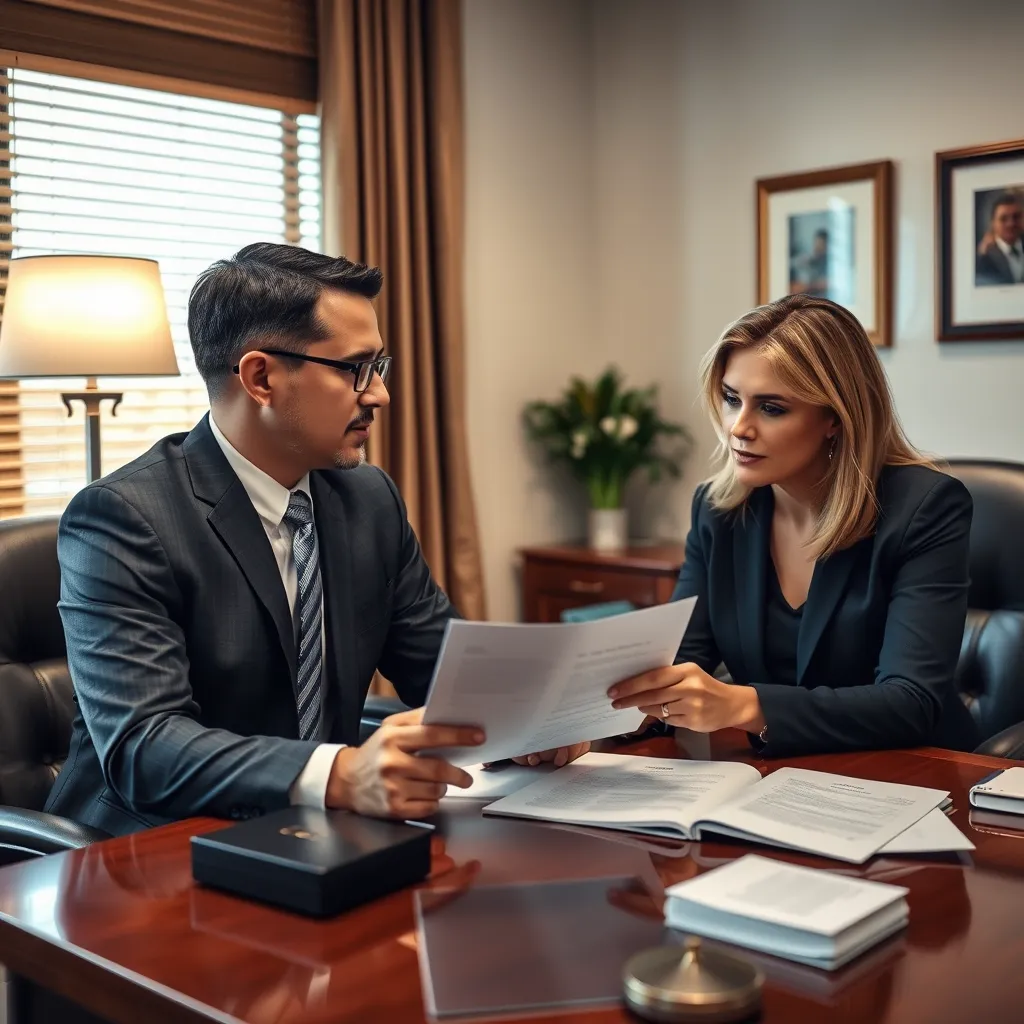
Note: This article is confirmed by Law Offices Of SRIS, P.C.
WRITTEN BY: Mr. Sris
Since 1997, Mr. Sris has led the firm, focusing on the most challenging criminal and family law cases… His background in accounting and information management aids in financial and technology-related cases… Involved in significant legislative changes in Virginia.
Insight: My focus since founding the firm in 1997 has always been directed towards personally handling the most challenging and involved criminal and family law matters our clients face.
Insight: I find my background in accounting and information management provides a unique advantage when handling the intricate financial and technological aspects inherent in many modern legal cases.
Insight: As someone deeply involved in the community, I believe it’s important to not only practice law but also to actively participate in shaping it, which is why I dedicated effort towards amending Virginia Code § 20-107.3 and achieving state recognition for cultural milestones.
Corporate Minutes Lawyer Gaithersburg, MD
What is Corporate Minutes Documentation
Corporate minutes documentation represents the formal written record of a corporation’s meetings and decisions. These documents capture the proceedings of board meetings, shareholder meetings, and committee meetings. They serve as the official history of corporate actions and governance decisions.
Corporate minutes typically include several key elements. The meeting date, time, and location are recorded first. A list of attendees documents who was present and who participated. The agenda items outline what was discussed during the meeting. Most importantly, minutes record the discussions, decisions made, and voting outcomes on each matter.
These documents serve multiple legal purposes. They demonstrate that the corporation followed proper procedures in making decisions. Minutes provide evidence that directors fulfilled their fiduciary duties. They help protect directors and officers from personal liability for corporate decisions. Proper minutes also support the corporation’s separate legal identity, which is important for liability protection.
Corporate minutes must comply with state corporate laws and the company’s bylaws. Different states have varying requirements for what must be included in minutes. Some decisions require specific documentation to be legally valid. Regular minute-keeping helps maintain corporate formalities that courts look for when determining liability issues.
Real-Talk Aside: Without proper minutes, your corporate protection disappears. Courts can ignore your business structure if you don’t maintain records.
How to Maintain Corporate Minutes Properly
Maintaining corporate minutes properly requires establishing consistent documentation practices. The process begins with scheduling regular meetings according to the corporation’s bylaws. Both board meetings and annual shareholder meetings should occur as required by state law and corporate governance standards.
Documentation should happen promptly after each meeting. Waiting too long can lead to inaccurate or incomplete records. The person responsible for taking minutes should prepare a draft soon after the meeting concludes. This draft should then be reviewed by meeting participants for accuracy before finalization.
Corporate minutes should follow a consistent format. Start with basic meeting information including date, time, and location. List all attendees and note any absences with proper explanations. Document whether a quorum was present, as this affects the validity of decisions made. Record each agenda item discussed and the outcomes of discussions.
Voting records are particularly important. Document who voted for, against, or abstained on each motion. Record the exact wording of resolutions that pass. Include any dissenting opinions or concerns raised during discussions. These details can become important if decisions are later challenged.
Storage and organization matter significantly. Keep minutes in a secure corporate records book. Many corporations maintain both physical and digital copies. Ensure minutes are accessible to directors and shareholders as required by law. Regular reviews help identify any missing documentation or procedural issues.
Real-Talk Aside: Inconsistent minutes create legal vulnerabilities. Regular documentation is cheaper than defending against piercing the corporate veil.
Can I Handle Corporate Minutes Without Legal Help
Business owners often wonder if they can handle corporate minutes without legal assistance. The answer depends on the corporation’s challenge and the decisions being documented. Simple, routine matters may be manageable internally with proper templates and attention to detail.
For basic annual meetings with straightforward agenda items, many corporations use standardized templates. These templates help ensure all required elements are included. However, even with templates, understanding what constitutes proper documentation requires knowledge of state corporate laws and the company’s specific bylaws.
Significant corporate actions typically benefit from legal review. Major transactions, mergers, acquisitions, or changes to corporate structure require precise documentation. Legal assistance helps ensure these minutes properly reflect the decisions made and comply with all legal requirements. Incomplete or inaccurate minutes for major actions can create serious legal risks.
Regulatory compliance presents another area where legal help proves valuable. Corporations in regulated industries must document compliance with specific regulations. Minutes may need to demonstrate that directors considered regulatory requirements when making decisions. Legal guidance helps ensure minutes properly document these considerations.
Directors’ liability protection depends heavily on proper minutes. When directors face legal challenges, minutes serve as evidence that they fulfilled their duties. Legal review helps ensure minutes provide this protection effectively. Inadequate documentation can leave directors personally exposed to liability.
Real-Talk Aside: DIY minutes work until they don’t. Legal challenges often focus on documentation gaps you didn’t know existed.
Why Hire Professional Minutes Drafting Assistance
Hiring professional minutes drafting assistance provides significant benefits for corporations of all sizes. Legal professionals bring specific knowledge of corporate law requirements that business owners may lack. This experienced lawyer helps ensure minutes comply with state statutes, corporate bylaws, and governance best practices.
Professional assistance begins with proper documentation of corporate decisions. Lawyers understand what information must be included to make minutes legally effective. They know how to document discussions, decisions, and voting in ways that provide maximum legal protection. This includes proper wording of resolutions and accurate recording of director actions.
involved corporate transactions benefit particularly from legal documentation. Mergers, acquisitions, major contracts, and financial transactions require precise minute-keeping. Legal professionals ensure these minutes properly reflect the transaction details and comply with disclosure requirements. They also help document the board’s decision-making process, which can be important for regulatory compliance.
Ongoing compliance represents another area of value. Corporate laws and regulations change over time. Legal professionals stay current with these changes and help corporations adapt their minute-keeping practices accordingly. Regular legal review of minutes helps identify potential issues before they become problems.
Risk management improves with professional assistance. Properly documented minutes help protect directors from personal liability. They demonstrate that directors fulfilled their fiduciary duties and made informed decisions. This protection becomes particularly important if the corporation faces legal challenges or regulatory investigations.
Real-Talk Aside: Professional documentation costs less than defending against corporate veil piercing. Proper minutes are insurance against personal liability.
FAQ:
What are corporate minutes?
Corporate minutes are official records of company meetings and decisions. They document discussions, voting, and actions taken by directors and shareholders.
Why are corporate minutes important?
Minutes provide legal evidence of proper corporate governance. They protect directors from personal liability and demonstrate compliance with state laws.
How often should corporate minutes be updated?
Update minutes after each board and shareholder meeting. Annual meetings require documentation, plus any special meetings called during the year.
What information should corporate minutes include?
Include meeting date, attendees, agenda items, discussions, decisions, and voting results. Document any conflicts of interest disclosed during meetings.
Can corporate minutes be electronic?
Yes, electronic minutes are generally acceptable if properly maintained. Ensure electronic records are secure, accessible, and backed up regularly.
What happens if corporate minutes are incomplete?
Incomplete minutes can jeopardize corporate liability protection. Courts may disregard the corporate structure if proper records aren’t maintained.
Do small corporations need formal minutes?
Yes, all corporations need proper minutes regardless of size. Corporate formalities apply equally to small and large businesses.
How long should corporate minutes be kept?
Keep minutes permanently as part of corporate records. They may be needed for legal, tax, or regulatory purposes years after creation.
Who should prepare corporate minutes?
Typically the corporate secretary prepares minutes. Many companies benefit from legal assistance for proper documentation.
Can minutes be amended after approval?
Minutes can be amended if errors are discovered. Follow proper amendment procedures documented in the corporation’s bylaws.
What’s the difference between draft and final minutes?
Draft minutes are prepared shortly after meetings. Final minutes are approved at the next meeting and become official records.
Are minutes required for informal decisions?
Formal minutes are required for official meetings. Informal decisions should still be documented through written consents or resolutions.
Past results do not predict future outcomes