


Note: This article is confirmed by Law Offices Of SRIS, P.C.
WRITTEN BY: Mr. Sris
Since 1997, Mr. Sris has led the firm, focusing on the most challenging criminal and family law cases. His background in accounting and information management aids in financial and technology-related cases. Involved in significant legislative changes in Virginia. He is a member of the Virginia State Bar, Maryland State Bar, District of Columbia Bar, New Jersey State Bar Association, and New York State Bar Association.
Construction Accident Lawyer Prince George’s County, MD
What is Construction Accident Law
Construction accident law focuses on injuries that occur in construction environments. These incidents can range from falls from heights to equipment-related injuries. The legal framework involves state and federal workplace safety regulations. Construction sites present unique hazards that require specific safety protocols. When accidents happen, determining responsibility involves examining multiple factors.
Workplace safety standards establish requirements for construction sites. These include fall protection, equipment maintenance, and hazard communication. Violations of these standards can form the basis for legal claims. Construction companies must provide safe working conditions and proper training. Failure to meet these obligations can result in liability for injuries.
Legal action following construction accidents typically involves several steps. First, immediate medical attention is vital for documenting injuries. Next, reporting the incident to employers and regulatory agencies creates official records. Gathering evidence from the accident scene helps establish what happened. Photographs, witness statements, and safety inspection reports contribute to building a case.
Defense options vary depending on the circumstances. Workers’ compensation provides benefits regardless of fault but may limit recovery. Third-party claims against equipment manufacturers or subcontractors can offer additional compensation. Some cases involve violations of specific safety regulations that carry their own penalties. Understanding these options requires careful analysis of each situation.
Professional insight comes from experience with construction accident cases. Legal professionals familiar with this area understand industry standards and common hazards. They can identify potential violations and responsible parties that may not be immediately apparent. Knowledge of construction practices helps in evaluating safety protocols and determining whether proper measures were in place.
Real-Talk Aside: Construction accidents often involve multiple insurance companies and legal technicalities that can overwhelm injured workers without proper guidance.
How to Handle Construction Accident Claims
Handling construction accident claims begins with immediate actions at the accident scene. Medical attention should be the first priority, even for seemingly minor injuries. Some construction-related injuries may not show symptoms immediately but can develop serious complications later. Medical records create documentation linking injuries to the workplace incident. This documentation forms the foundation for any legal claim.
Reporting procedures vary by company and jurisdiction. Most employers require immediate notification of workplace accidents. This notification should include details about what happened, where it occurred, and any witnesses present. Written reports are preferable to verbal notifications. Keeping copies of all reports and correspondence creates a paper trail that can be important later.
Evidence collection should begin as soon as possible. Photographs of the accident scene, equipment involved, and visible injuries provide visual documentation. Witness contact information allows for later statements about what they observed. Preserving any damaged equipment or materials can be important for technical analysis. Safety records and training documentation may also be relevant.
Insurance interactions require careful handling. Insurance adjusters may contact injured workers soon after accidents. These conversations can affect claim outcomes. Providing basic information about the incident is appropriate, but detailed discussions about fault or injuries should wait until legal consultation. Insurance companies have their own interests that may not align with the injured worker’s needs.
Legal processes involve specific timelines and requirements. Workers’ compensation claims have filing deadlines that vary by state. Third-party liability claims may have different statutes of limitations. Missing these deadlines can result in losing the right to seek compensation. Legal professionals can ensure all necessary paperwork is completed correctly and submitted on time.
Real-Talk Aside: Insurance companies often try to settle claims quickly for less than they’re worth, especially when injured workers lack legal representation.
Can I Seek Compensation for Construction Injuries
Compensation for construction injuries depends on several factors. Workers’ compensation systems provide baseline coverage for workplace injuries. These systems typically cover medical treatment, partial wage replacement, and vocational rehabilitation if needed. Benefits are available regardless of who was at fault for the accident. However, workers’ compensation generally does not include compensation for pain and suffering.
Third-party liability claims offer additional possibilities. When someone other than the employer contributed to the accident, separate legal action may be possible. Equipment manufacturers can be liable for defective products that cause injuries. Property owners may have responsibility for unsafe conditions. General contractors might be accountable for safety violations by subcontractors. These claims can provide compensation beyond workers’ compensation limits.
Serious injury cases may involve substantial compensation. Catastrophic injuries like spinal cord damage or traumatic brain injuries require extensive medical care and long-term support. These cases often involve involved calculations of future medical needs and lost earning capacity. Experienced legal representation helps ensure all potential compensation sources are identified and pursued appropriately.
Legal standards vary for different types of claims. Workers’ compensation follows administrative procedures with specific rules. Third-party liability cases operate under traditional negligence principles. Product liability claims involve different legal theories about defective design or manufacturing. Understanding these distinctions helps determine the strongest approach for each situation.
Documentation requirements support compensation claims. Medical records establish the nature and extent of injuries. Employment records document wages and work history. Accident reports and safety violations provide context about what happened. attorney testimony may be needed to explain technical aspects of construction safety or medical conditions. Comprehensive documentation strengthens compensation requests.
Real-Talk Aside: Many injured workers accept initial settlement offers without realizing they may be entitled to significantly more compensation through proper legal channels.
Why Hire Legal Help for Construction Accidents
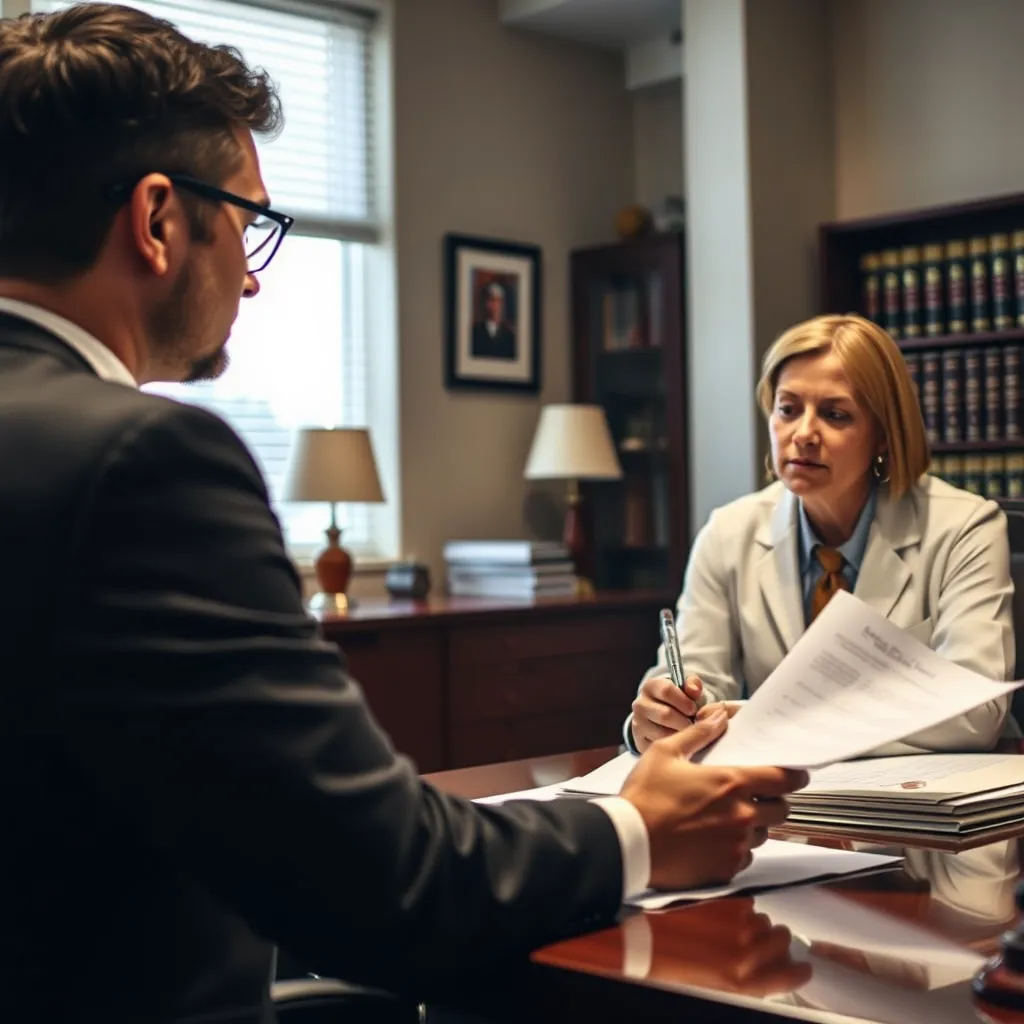
Hiring legal help for construction accidents addresses several practical needs. Insurance companies and employers have legal teams working to protect their interests. Without comparable representation, injured workers may face disadvantages in negotiations and proceedings. Legal professionals balance this dynamic by providing knowledgeable advocacy focused on the injured person’s rights and needs.
Case evaluation benefits from legal experience. Construction accident cases involve technical details about safety standards, equipment operation, and worksite conditions. Legal professionals familiar with construction practices can identify violations and liability issues that may not be obvious. They understand how to gather and present evidence effectively. This experienced lawyer helps build stronger cases with better potential outcomes.
Procedural knowledge prevents common pitfalls. Legal systems have specific rules about filing deadlines, documentation requirements, and procedural steps. Missing deadlines or submitting incomplete information can jeopardize claims. Legal professionals manage these administrative aspects efficiently. They ensure all necessary actions are completed correctly and on time, protecting the claim’s validity.
Negotiation skills contribute to better outcomes. Insurance settlements often begin with low offers that don’t reflect full case value. Legal professionals understand how to evaluate settlement proposals and negotiate improvements. They can present evidence persuasively and counter arguments against the claim. This negotiation process often results in significantly better compensation than unrepresented individuals receive.
Litigation readiness provides leverage. When negotiations don’t produce fair results, the ability to proceed to court becomes important. Legal professionals prepare cases with litigation in mind from the beginning. This preparation demonstrates seriousness to opposing parties and can encourage better settlement offers. If litigation becomes necessary, having proper legal representation is essential for presenting the case effectively.
Real-Talk Aside: Trying to handle a construction accident claim alone often results in accepting less compensation than you deserve due to unfamiliarity with legal processes and insurance tactics.
FAQ:
What should I do immediately after a construction accident?
Seek medical attention first, then report the incident to your employer. Document everything with photos and notes.
How long do I have to file a construction accident claim?
Deadlines vary by claim type and jurisdiction. Workers’ compensation claims typically have shorter timelines than liability cases.
Can I sue my employer for a construction accident?
Workers’ compensation generally prevents suing employers, but third-party claims against other responsible parties may be possible.
What compensation can I receive for construction injuries?
Compensation may include medical expenses, lost wages, rehabilitation costs, and potentially pain and suffering in certain cases.
Do I need a lawyer for a workers’ compensation claim?
While not required, legal help often results in better outcomes, especially for serious injuries or disputed claims.
What if I was partially at fault for the accident?
Workers’ compensation benefits are available regardless of fault, though third-party claims may be affected by comparative negligence rules.
How much does hiring a construction accident lawyer cost?
Many attorneys work on contingency fees, meaning they only get paid if you receive compensation through settlement or verdict.
What types of construction accidents are most common?
Falls from heights, struck-by incidents, electrocutions, and caught-in/between accidents are among the most frequent construction site injuries.
Can I be fired for filing a construction accident claim?
Retaliation for filing legitimate workers’ compensation claims is generally prohibited by law, though specific protections vary.
What evidence is important for construction accident cases?
Photos, witness statements, medical records, safety reports, and equipment documentation can all be important evidence.
How long do construction accident cases typically take?
Timelines vary from months for straightforward claims to years for involved litigation, depending on case specifics.
What if my construction accident happened out of state?
Legal jurisdiction depends on multiple factors including where you were hired, where the accident occurred, and where the company is based.
Past results do not predict future outcomes