


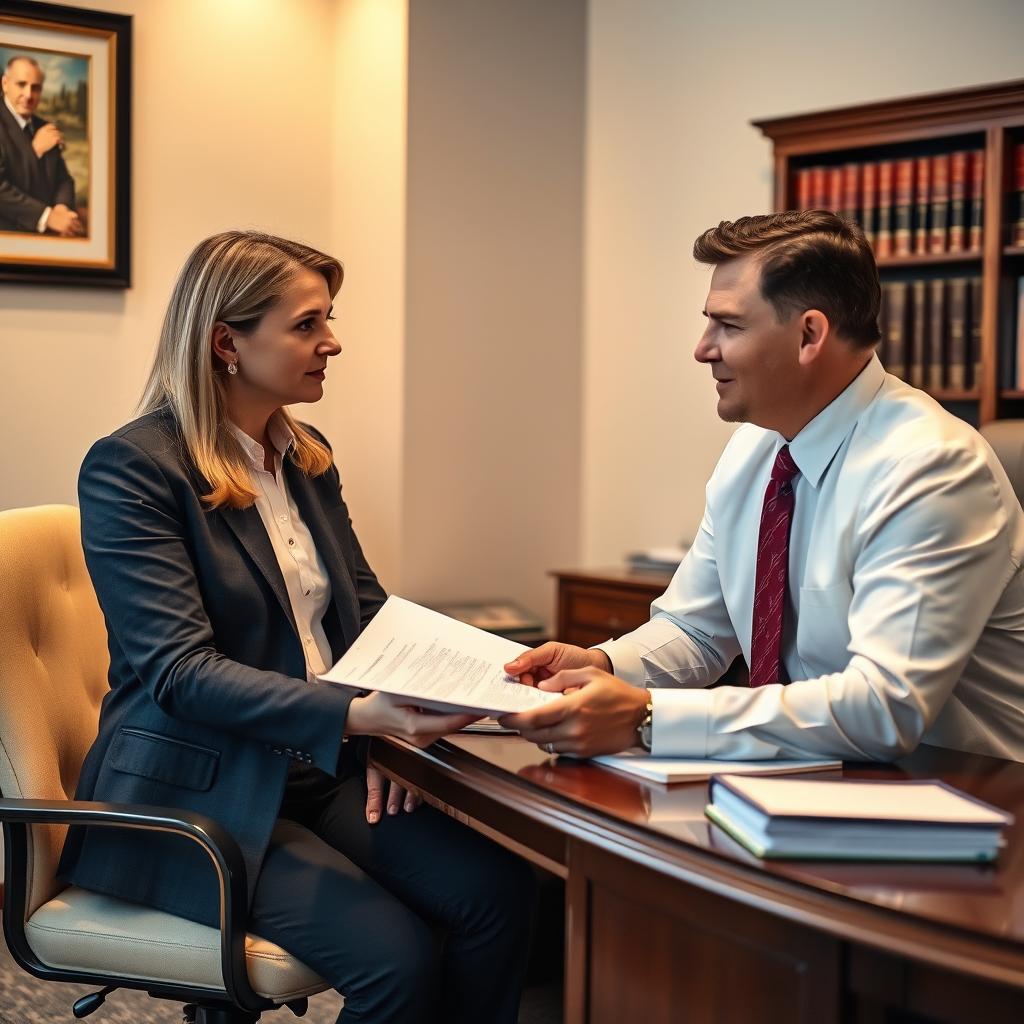
Partnership Lawyer Virginia, VA
Forming a business partnership in Virginia calls for more than a handshake. The Virginia Revised Uniform Partnership Act, codified at Va. Code § 50‑73.79 et seq., sets out rules for creation, governance, fiduciary duties, and liability among partners. Even when the partners know each other well, an unwritten agreement can lead to disputes over profit‑sharing, management authority, or buy‑out rights. Mr. Sris and his Of Counsel work with partnerships across Virginia to draft partnership agreements, address governance questions, and resolve conflicts when they arise. Whether you are launching a new venture or need help with an existing partnership, reach Law Offices Of SRIS, P.C. at (888) 437‑7747. Law Offices Of SRIS, P.C. — Advocacy Without Borders.
What Partnership Law Means in Virginia
Virginia partnership law is governed by the Virginia Revised Uniform Partnership Act (RUPA). Under RUPA, a general partnership can form with minimal formalities — two or more persons carrying on a business for profit — but the lack of a written agreement often creates ambiguity. Without a partnership agreement, RUPA’s default provisions control profit sharing (equal per‑partner shares regardless of capital contributions), dissolution triggers, and fiduciary obligations. Virginia also recognizes limited partnerships and limited liability partnerships, each with distinct statutory frameworks. The State Corporation Commission (SCC) handles registration for limited liability partnerships, while general partnerships may operate without SCC filing if no statutory conversion or limited‑liability election is made.
Disputes in Virginia partnerships often arise over capital calls, authority to bind the firm, or a departing partner’s buy‑out value. The Virginia courts — including the circuit courts of Fairfax County, Richmond, or other jurisdictions where the partnership operates — apply equitable principles and the terms of the partnership agreement (or RUPA defaults) to resolve such matters. Virginia does not have a standalone partnership court; instead, civil actions proceed in the circuit court where the partnership has a principal place of business or where the dispute arose. Understanding these local procedural paths helps partners plan their governance structure from the start.
How Mr. Sris and His Of Counsel Handle Partnership Cases
Mr. Sris and his Of Counsel approach partnership matters from the drafting table through dispute resolution. On the transactional side, they prepare partnership agreements that address capital contributions, profit‑and‑loss allocation, management rights, dissolution triggers, buy‑sell provisions, and non‑compete clauses tailored to the specific business. The goal is to give every partner a clear roadmap before the first dollar changes hands.
When a dispute escalates, the team evaluates the partnership agreement and the statutory framework to map out the most practical path forward. That may involve negotiating a buy‑out, mediating between partners, or litigating claims in the Virginia circuit court with jurisdiction over the matter. Because partnership conflicts often involve ongoing business operations, the team works to move the matter toward resolution while minimizing disruption to the enterprise. As in all their business‑law matters, they do not guarantee outcomes; each case depends on the specific facts and applicable law.
About Mr. Sris and His Of Counsel Team
Mr. Sris, Owner and Founder of Law Offices Of SRIS, P.C., founded the firm in 1997. He is admitted to practice in Virginia, Maryland, the District of Columbia, New Jersey, and New York. Over the course of his career, Mr. Sris has concentrated his practice on business and corporate matters, including partnership formation and governance. He testified before the Virginia House Courts of Justice Committee in support of 2019 HB 635 (chief patron Del. David Bulova).
Mr. Sris’s Of Counsel bring substantial experience to partnership matters. Because all non‑owner attorneys serve as Of Counsel rather than associates or partners, each matter receives the attention of seasoned practitioners. Mr. Sris and his Of Counsel bring over 120 years of combined legal experience and have achieved 4,739+ documented firm-wide results. Results may vary.
Frequently Asked Questions
What is a partnership lawyer?
A partnership lawyer helps draft, review, and enforce partnership agreements, advises on governance and compliance, and represents partners in disputes. In Virginia, the attorney must understand the Virginia Revised Uniform Partnership Act and how it interacts with the parties’ written agreement. The attorney also assists with partnership conversions, limited‑liability elections, and dissolutions. For specific guidance, reach Law Offices Of SRIS, P.C. at (888) 437‑7747.
Do I need a lawyer to form a partnership in Virginia?
You are not legally required to have a lawyer to form a general partnership in Virginia, but a written partnership agreement prepared by an experienced Virginia partnership lawyer protects you from default RUPA provisions that may not reflect your intentions. Without an agreement, disputes can turn on costly litigation over statutory presumptions. A lawyer can also advise on whether a limited liability partnership registration at the SCC is right for your venture. To discuss the details of your matter, contact Law Offices Of SRIS, P.C. at (888) 437‑7747.
How are partnership disputes resolved in Virginia?
Partnership disputes in Virginia typically begin with negotiation or mediation between the partners, guided by their partnership agreement or RUPA. If informal resolution fails, a partner may file a civil action in the circuit court where the partnership’s principal place of business is located. The court can order an accounting, dissolve the partnership, award damages, or grant equitable relief. The specific procedure varies by jurisdiction, but most Virginia circuit courts apply similar civil‑procedure rules. For a consultation, reach Mr. Sris and his Of Counsel at (888) 437‑7747.
What should a Virginia partnership agreement include?
A well‑drafted Virginia partnership agreement covers capital contributions, allocation of profits and losses, management duties, voting rights, restrictions on transferring partnership interests, buy‑sell provisions, and dissolution procedures. It should also address fiduciary duties and dispute resolution mechanisms such as mediation or arbitration. While not mandatory, a clear agreement tailored to the specific business reduces the risk of future litigation. For guidance on your specific situation, reach Law Offices Of SRIS, P.C. at (888) 437‑7747.
Can I convert a partnership into an LLC in Virginia?
Yes. Virginia law allows a general partnership to convert into a limited liability company under the Virginia LLC Act (Va. Code § 13.1‑1000 et seq.). The conversion requires a plan of conversion approved by the required partnership vote, filing articles of organization with the State Corporation Commission, and satisfaction of any obligations to creditors. It is a common move when partners seek limited personal liability or a more formal governance structure. A lawyer can ensure the conversion meets statutory requirements without unintended tax consequences.
What happens when a partner wants to leave a Virginia partnership?
Under RUPA, a partner’s dissociation triggers either a buy‑out or dissolution, depending on the partnership agreement and whether the partnership is at‑will or for a term. If the remaining partners wish to continue, they must purchase the departing partner’s interest at fair value. Disputes often center on valuation. Virginia courts follow the agreement’s buy‑out terms; if silent, the court determines fair value based on the partnership’s assets and goodwill. For detailed guidance, reach Law Offices Of SRIS, P.C. at (888) 437‑7747.
Fairfax County Business Lawyer ·
Fairfax City Business Lawyer ·
Falls Church Business Lawyer ·
Prince William County Business Lawyer ·
Manassas Business Lawyer
Virginia Code Title 13.1 ·
SCC business entity filings ·
Virginia Circuit Courts
Attorney advertising. Prior results do not guarantee a similar outcome. Case results depend on a variety of factors unique to each case. Results may vary.