


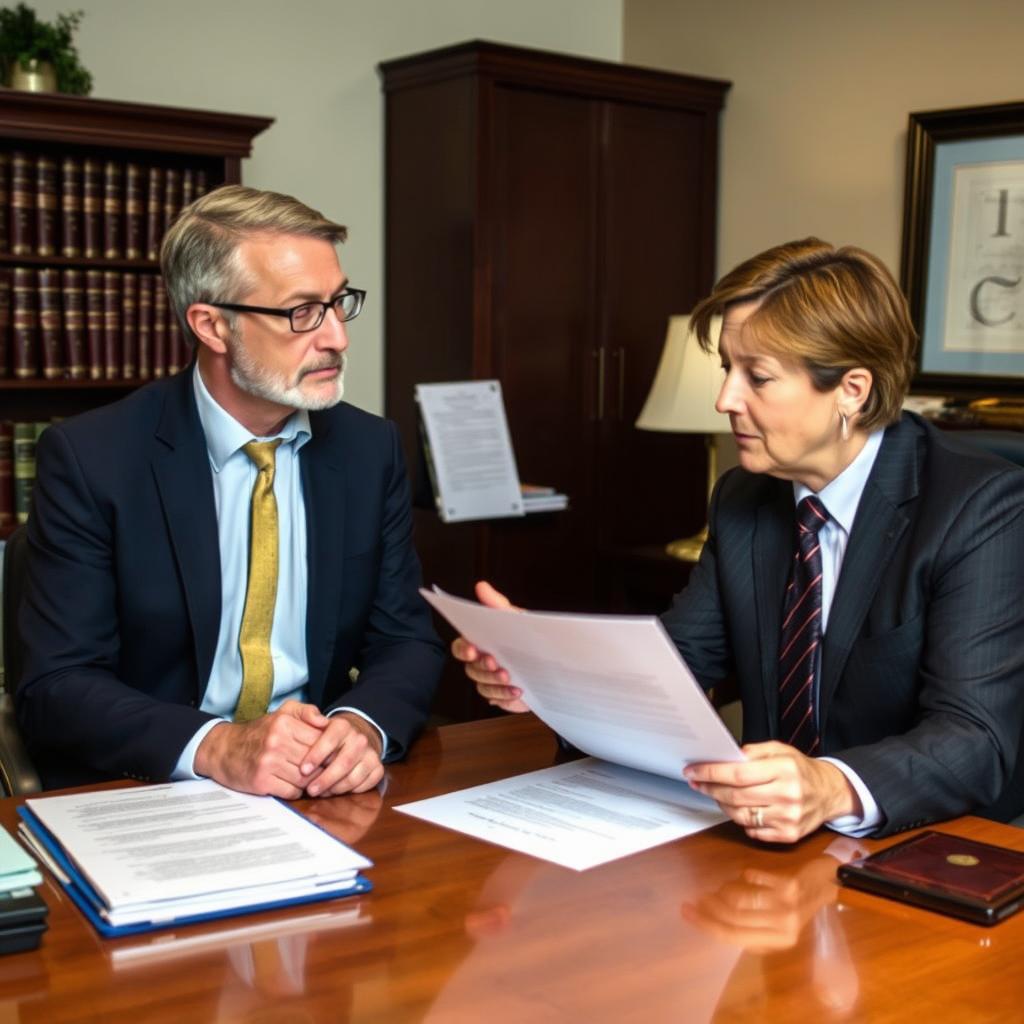
Equitable Distribution Lawyer Isle of Wight County, VA
Dividing property in a divorce involves more than splitting assets equally. In Isle of Wight County, Virginia, the Circuit Court applies the state’s equitable distribution statute to reach a fair property division under the specific circumstances of the marriage. Law Offices Of SRIS, P.C. represents clients throughout Isle of Wight County — including Smithfield, Windsor, and Carrollton — in negotiating and litigating the classification, valuation, and distribution of marital property. Mr. Sris and his Of Counsel bring multi-state experience to property division matters that involve businesses, retirement accounts, real estate, and other detailed assets. Whether the case is uncontested or involves significant disputes over the character of an asset, having counsel who understands how Isle of Wight County judges apply Va. Code § 20-107.3 can make a meaningful difference. Reach Law Offices Of SRIS, P.C. at (888) 437-7747. Law Offices Of SRIS, P.C. – Advocacy Without Borders.
What Equitable Distribution Means in Isle of Wight County
Virginia is an equitable distribution state, not a community property state. That means the court does not automatically divide marital property 50/50. Instead, under Va. Code § 20-107.3, the court first classifies each asset as marital, separate, or hybrid. Marital property generally includes everything acquired during the marriage by either spouse, regardless of who holds title. Separate property — assets owned before the marriage, gifts, and inheritances — is generally excluded from division. Hybrid property, such as a retirement account that includes both pre-marital and marital contributions, may be partially divided.
In Isle of Wight County, equitable distribution cases are heard in the Isle of Wight County Circuit Court at 17122 Monument Circle, Suite A, Isle of Wight, VA 23397. The same judge who handles the divorce also resolves property division disputes. The court considers the statutory factors — including the duration of the marriage, each spouse’s contributions to the family’s well-being, the circumstances experienced to the divorce, and the tax consequences of distributing particular assets — to fashion an equitable, though not necessarily equal, division. For residents of Smithfield, Windsor, and Carrollton, understanding how these factors play out in the Fifth Judicial District requires familiarity with the local bench and the way valuations and classification arguments are received. Mr. Sris and his Of Counsel regularly appear before the Isle of Wight County Circuit Court and work toward a property allocation that aligns with the specific facts of each case.
How Mr. Sris and His Of Counsel Handle Equitable Distribution Cases
Equitable distribution matters can range from straightforward — both parties agree on what is marital and the value of the assets — to highly contested cases involving business valuations, hidden assets, or cross-border property interests. Mr. Sris and his Of Counsel approach each case by first developing a complete financial inventory. That means reviewing tax returns, bank statements, retirement account statements, business records, and real estate deeds to ensure every asset is identified.
When disputes arise over classification or valuation, the firm works with forensic accountants, business valuation analysts, and real estate appraisers to build a clear evidentiary record for the court. The team is experienced in addressing detailed issues such as the division of professional practices, deferred compensation plans, stock options, and investment portfolios. Throughout the process, the goal is to negotiate a separation agreement that resolves the property issues without trial whenever possible. When trial is necessary, Mr. Sris and his Of Counsel present the classification and valuation evidence in the Isle of Wight County Circuit Court, arguing for a fair application of the statutory factors. Law Offices Of SRIS, P.C. can be reached at (888) 437-7747 to request a consultation.
About Mr. Sris and His Of Counsel Team
Mr. Sris, Owner and Founder of Law Offices Of SRIS, P.C., has practiced law since 1997. A former prosecutor, he appears in courts across Virginia, Maryland, the District of Columbia, New Jersey, and New York. Mr. Sris testified before the Virginia House Courts of Justice Committee in support of 2019 HB 635 (chief patron Del. David Bulova). That experience gives him an intimate understanding of the equitable distribution statute and its legislative history.
Mr. Sris is supported by an experienced team of Of Counsel attorneys who bring additional practice perspectives to family law matters. Collectively, Mr. Sris and his Of Counsel handle equitable distribution cases ranging from modest marital estates to high-net-worth property divisions. The firm’s Richmond Location serves clients in Isle of Wight County and throughout central Virginia. To discuss how the firm can assist with an equitable distribution issue, call (888) 437-7747.
Frequently Asked Questions
What is equitable distribution in Virginia?
Equitable distribution is the process a Virginia court uses to divide marital property in a divorce. Under Va. Code § 20-107.3, the court classifies assets as marital, separate, or hybrid, values them, and then distributes the marital estate in a way that is fair but not necessarily equal. The court considers several factors, including the duration of the marriage, each spouse’s contributions, and the tax consequences of the division.
How does the Isle of Wight County Circuit Court divide property?
The Isle of Wight County Circuit Court follows the same statutory framework as all Virginia circuit courts. The judge determines what is marital property and what is separate, then weighs the statutory factors to decide how to allocate the marital property. Cases are often resolved through a signed separation agreement, but when the parties cannot agree, the court conducts a hearing and issues a decree.
What factors does the court consider in equitable distribution?
Virginia law lists specific factors for the court to consider, including each spouse’s monetary and non-monetary contributions to the marriage and to the acquisition of the property, the length of the marriage, the ages and health of the parties, the circumstances that contributed to the divorce, and how and when particular assets were obtained. The court may also consider any other factor it deems relevant to reaching a fair result.
Do I need a lawyer for equitable distribution in Isle of Wight County?
While individuals can represent themselves, property division involves classification rules, valuation disputes, and procedural requirements that are difficult to navigate without legal training. An attorney can identify all marital assets, argue for proper classification, and present evidence to support a fair distribution. For a consultation, reach Mr. Sris and his Of Counsel at (888) 437-7747.
How can I reach Law Offices Of SRIS, P.C. about my equitable distribution case?
You can call the firm at (888) 437-7747. The Richmond Location serves clients in Isle of Wight County, and consultations are by appointment. Mr. Sris and his Of Counsel will discuss the facts of your situation and explain how Virginia’s equitable distribution law applies to your specific assets.
For further reading on Virginia divorce and family law topics, see our pages on Fairfax County family law, Prince William County family law, and Manassas family law.
Additional information can be found through these official Virginia sources: Virginia Code Title 20 (Domestic Relations), Isle of Wight County Circuit Court, and Virginia’s Judicial System.
Attorney advertising. Prior results do not guarantee a similar outcome. Results may vary.
Case results depend on a variety of factors unique to each case.