


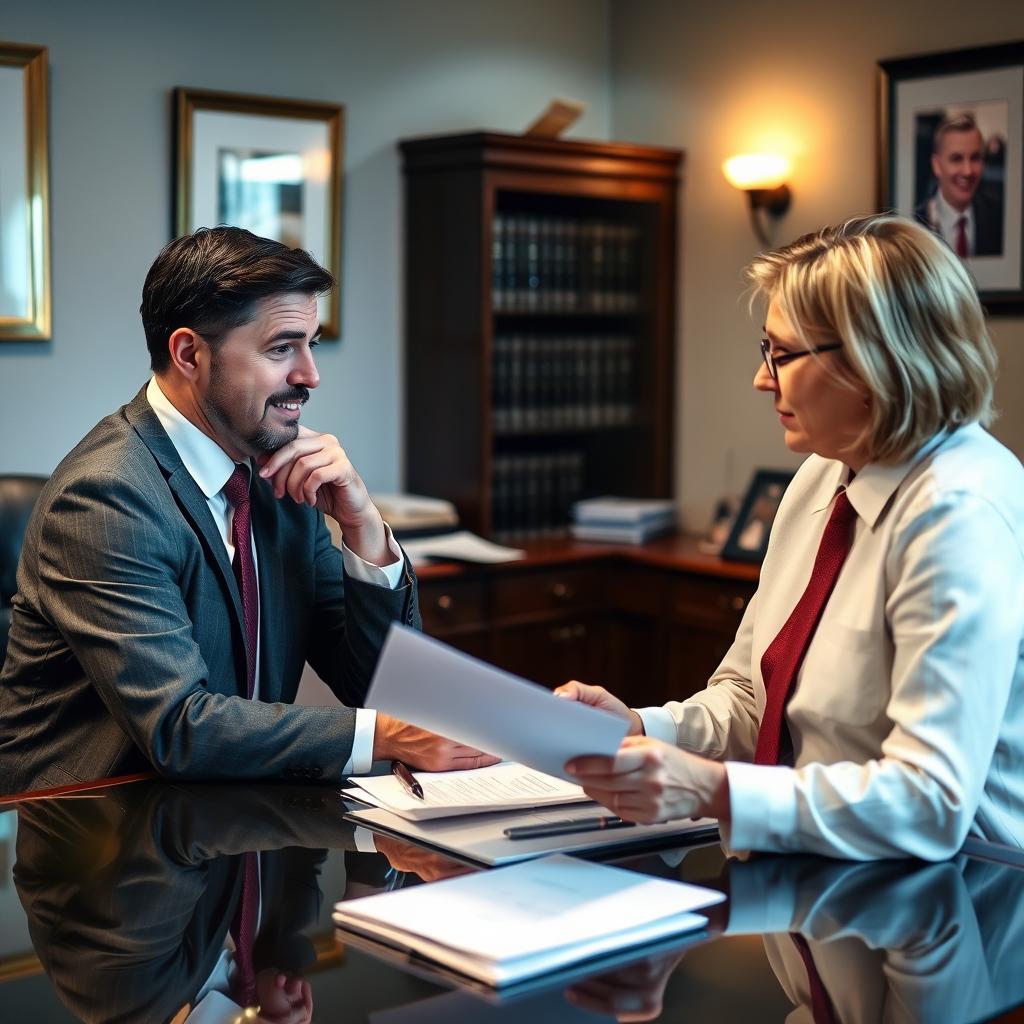
Aiding and Abetting lawyer Chesterfield County, VA
You answered a friend’s call for help—maybe you gave them a ride, stored a package, or passed along a message. Now federal agents are at your door, accusing you of aiding and abetting a federal crime. Suddenly, you are facing charges that carry the same penalties as the person who committed the offense. In Chesterfield County and throughout Virginia, the U.S. Attorney’s Office pursues these cases actively, and the Eastern District of Virginia is known for moving quickly. A conviction can alter the rest of your life. Call Law Offices Of SRIS, P.C. at (888) 437-7747 to discuss your situation confidentially. Law Offices Of SRIS, P.C. – Advocacy Without Borders.
What Federal Aiding and Abetting Means in Chesterfield County
Under 18 U.S.C. § 2, a person who aids, abets, counsels, commands, induces, or procures the commission of a federal offense is punishable as a principal. This means the government does not need to prove you personally committed every element of the underlying crime—only that you knowingly associated with and participated in the venture with the intent to help it succeed. Even minimal assistance can trigger liability.
Chesterfield County residents facing federal charges are typically prosecuted in the Richmond Division of the U.S. District Court for the Eastern District of Virginia. Federal prosecutors, often working with agencies like the FBI, DEA, or ATF, build their cases through grand jury investigations, surveillance, and witness cooperation. Once indicted, the Speedy Trial Act imposes tight deadlines, so a defense strategy must develop quickly. Because there is no parole in the federal system—and federal sentencing guidelines heavily influence the length of incarceration—early and thorough representation is essential.
Defense Strategies in Federal Aiding and Abetting Cases
An effective defense begins with a careful review of the government’s evidence. Mr. Sris and his Of Counsel scrutinize whether the prosecution can prove the required elements beyond a reasonable doubt: that you knew about the underlying offense, that you intended to help it succeed, and that your action in fact furthered the crime. Merely being present, even if you knew a crime was occurring, is not enough to sustain a conviction under federal law.
The defense team may challenge the reliability of cooperating witnesses, contest the admissibility of evidence gathered through questionable investigative techniques, or present facts showing that your involvement was innocent or that you lacked the specific intent required by the statute. In some cases, pretrial negotiations can result in a narrowed charge or a departure from the advisory sentencing guidelines. If trial is the appropriate path, Mr. Sris and his Of Counsel bring extensive combined legal experience to cross-examine federal witnesses and present a cohesive defense narrative.
The Federal Criminal Process in the Eastern District of Virginia
Federal prosecutions move according to well-defined procedures that differ significantly from state court. After an investigation, a grand jury may return an indictment. You will have an initial appearance before a federal magistrate judge—often in the Richmond courthouse at 701 East Broad Street—where bail conditions are set. Detention is not uncommon in federal cases, particularly if the government argues flight risk or danger to the community.
Thereafter, the discovery process unfolds under the Federal Rules of Criminal Procedure. The defense examines the government’s file, including reports, recordings, and physical evidence. Mr. Sris and his Of Counsel file appropriate motions, which may address evidentiary issues or constitutional violations. Many federal cases resolve through plea negotiations, but if a trial is necessary, it will proceed before a U.S. District Judge in the Eastern District of Virginia. Sentencing after conviction follows the U.S. Sentencing Guidelines, a complex, points-based system that considers offense conduct, criminal history, and adjustments for acceptance of responsibility or substantial assistance.
Potential Consequences of a Federal Aiding and Abetting Conviction
Because an aider and abettor is punished as a principal, the consequences mirror those of the underlying offense. A felony conviction can mean years in a federal penitentiary, a substantial fine, and a term of supervised release. The collateral damage is often severe: a permanent criminal record, loss of voting rights and firearm privileges, and significant harm to your career, professional licenses, and family life. Even for an offense that might be a misdemeanor in state court, a federal conviction can carry a heavier sentence and less flexibility in post-conviction relief.
Mr. Sris and his Of Counsel work to achieve favorable outcomes for each client. Results may vary.
About Mr. Sris and His Of Counsel Team
Mr. Sris, Owner and Founder of Law Offices Of SRIS, P.C., has practiced law since 1997. A former prosecutor, he understands how the government builds its case and where its theories may be vulnerable. Mr. Sris testified before the Virginia House Courts of Justice Committee in support of 2019 HB 635 (chief patron Del. David Bulova). He is admitted to practice in Virginia, Maryland, the District of Columbia, New Jersey, and New York.
Mr. Sris is joined by Of Counsel attorneys who bring additional experience in federal criminal defense, including knowledge of the Eastern District’s procedures and the Federal Sentencing Guidelines. The team works collaboratively, devoting substantial attention to each matter. Together, they bring extensive combined legal experience—a resource that helps ensure no angle is overlooked in building your defense.
Frequently Asked Questions
How does a Virginia lawyer defend against aiding and abetting charges?
Defense strategies may include challenging the government’s proof of knowledge or intent, demonstrating that the accused did not actively participate in the crime, or arguing that the alleged assistance was too minor or incidental to support a conviction. An experienced attorney will also examine the constitutionality of the investigation—whether there were Miranda violations, an unlawful search, or improper witness identification. The facts of each case drive the strategy, and early engagement with counsel allows for a careful evaluation of all available defenses.
What should I do if I am facing aiding and abetting charges in Virginia?
Contact an attorney immediately—do not speak to investigators or prosecutors without legal representation. Preserve any documents, messages, or other records that might be relevant to your defense. Avoid discussing the case with anyone other than your lawyer. Federal charges move quickly, and anything you say can be used against you. Law Offices Of SRIS, P.C. can be reached at (888) 437-7747 for confidential guidance.
Can I be convicted of aiding and abetting if I was not at the scene of the crime?
Yes, under federal law, physical presence is not required. A person can be convicted of aiding and abetting a federal offense committed entirely in another location if they provided assistance—such as furnishing a tool, acting as a lookout by phone, or handling financial arrangements—with the knowledge and intent that the crime be committed. The government must still prove the defendant’s knowing participation, but absence from the scene does not by itself defeat the charge.
How does a federal aiding and abetting charge differ from a state charge in Virginia?
State aiding and abetting cases are prosecuted by Commonwealth’s Attorneys in Virginia General District or Circuit Courts, while federal charges are brought by U.S. Attorneys in the Eastern District of Virginia. Federal cases typically involve longer sentences, no parole, and the application of the U.S. Sentencing Guidelines. Procedural rules, evidentiary standards, and the agencies investigating the case also differ. Federal defense requires familiarity with these distinct procedures.
Related Pages:
Federal Criminal Lawyer Henrico County
Federal Criminal Lawyer Hanover County
Federal Criminal Lawyer Fairfax County
Official Resources:
Chesterfield County General District Court
Chesterfield County Circuit Court
Virginia Code Title 18.2 – Crimes and Offenses Generally
Attorney advertising. Prior results do not guarantee a similar outcome. Results may vary. Case results depend on a variety of factors unique to each case.