


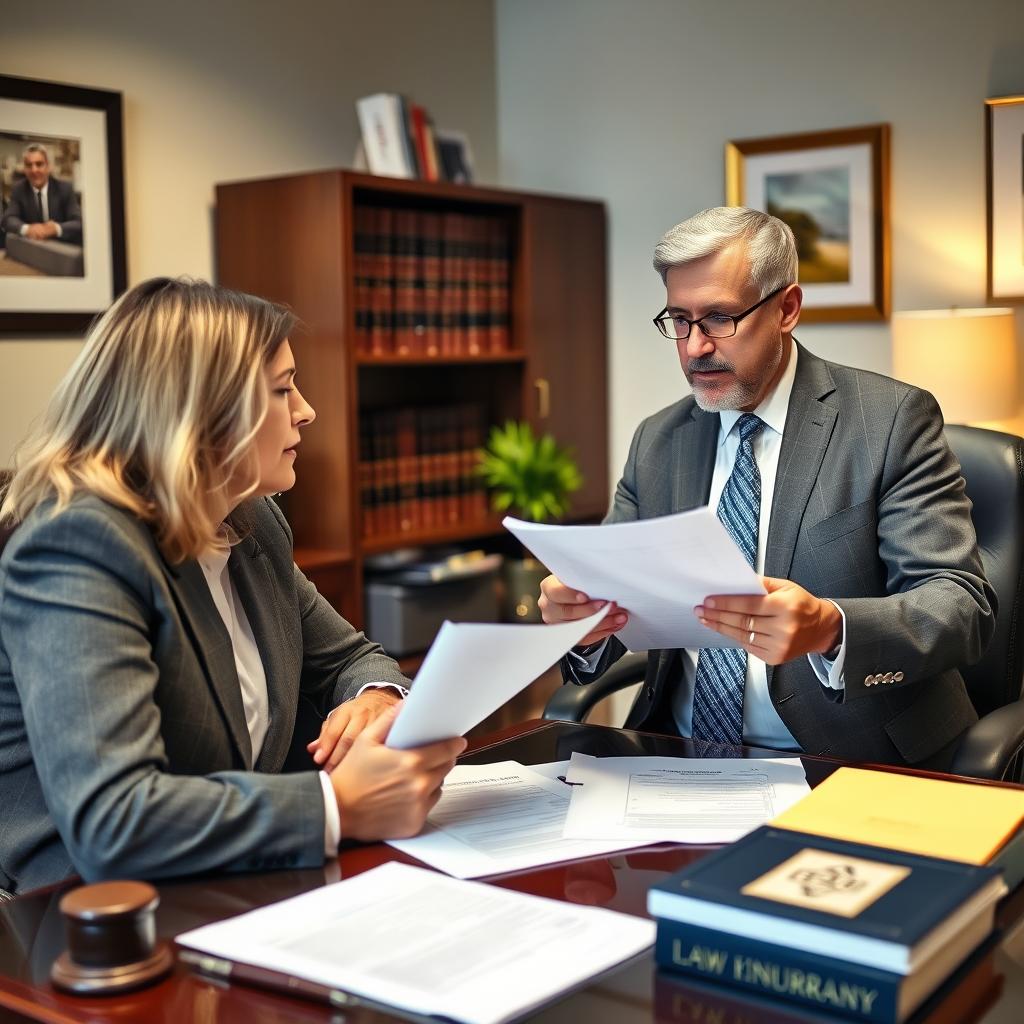
Aiding and Abetting lawyer Virginia Beach, VA
Federal aiding and abetting charges turn an already serious prosecution into a broader exposure. Under 18 U.S.C. § 2, a person who assists, encourages, or facilitates the commission of a federal crime can be held equally liable as the principal actor. The U.S. Attorney’s Office for the Eastern District of Virginia — which prosecutes offenses arising in Virginia Beach, Norfolk, Newport News, and across the Hampton Roads region — routinely brings aiding-and-abetting counts alongside substantive charges. Mr. Sris, Owner and Founder of Law Offices Of SRIS, P.C., has practiced federal criminal defense since 1997 and appears in the U.S. District Court for the Eastern District of Virginia. If federal investigators or prosecutors have contacted you regarding an alleged scheme or you have been indicted on aiding and abetting charges, reach Mr. Sris and his Of Counsel team at (888) 437-7747 to request a consultation.
What Aiding and Abetting Means in Virginia Beach, VA
Federal aiding and abetting is not a separate offense with its own penalty — it is a theory of liability that makes a secondary participant as guilty as the person who carried out the criminal act. The statute, 18 U.S.C. § 2, classifies any person who “aids, abets, counsels, commands, induces or procures” the commission of a federal offense as a principal. That means a person who never handled a weapon, never touched stolen funds, or never stood at the scene can face the same prison exposure as the primary actor if the government can prove they knowingly associated with and participated in the criminal venture.
In the Hampton Roads area, federal aiding-and-abetting prosecutions often grow out of investigations by the FBI, DEA, IRS Criminal Investigation, ATF, or the Department of Homeland Security. Because Virginia Beach is part of the Norfolk Division of the U.S. District Court for the Eastern District of Virginia, cases are heard at the federal courthouse at 600 Granby Street in Norfolk — about a twenty-minute drive from the Oceanfront. The U.S. Attorney’s Office in Norfolk and Newport News prosecutes the full range of federal crimes, and aiding-and-abetting counts frequently appear in multi-defendant drug conspiracy cases, fraud schemes, public‑corruption investigations, and violent‑crime prosecutions.
A single conviction for aiding and abetting carries the same sentencing exposure as the underlying offense. The Federal Sentencing Guidelines, the applicable mandatory‑minimum statutes, and the government’s decision whether to file an enhancement or a Section 851 information determine the advisory range. Because the federal system eliminated parole in 1987, a conviction means the defendant serves a substantial portion of any sentence imposed. Mr. Sris and his Of Counsel team understand how the U.S. Attorney’s Office in the Eastern District of Virginia builds aiding-and-abetting cases and how to scrutinize the evidence and the government’s theory of participation.
How Mr. Sris and His Of Counsel Handle Aiding and Abetting Cases
An aiding-and-abetting charge often originates from a grand‑jury investigation, a federal search warrant, or a co‑defendant’s statement. Early intervention is critical. Mr. Sris and his Of Counsel immediately assess whether the government has a factual basis to claim that the accused shared the principal’s criminal intent and performed some affirmative act in furtherance of the offense. Mere presence, passive association, or general knowledge of illegal activity does not satisfy the elements of aiding and abetting under federal law. The defense team evaluates the indictment, discovery materials, and any proffer or cooperation agreements to identify weaknesses in the government’s theory.
In cases investigated by federal agencies, the defense may involve motions to suppress evidence obtained through flawed search warrants, challenges to the admissibility of electronic communications, or arguments that the defendant’s role was too attenuated to support accomplice liability. When the government relies on cooperating witnesses, Mr. Sris’s experience as a former prosecutor helps his team cross‑examine those witnesses effectively and expose motives to fabricate or exaggerate. Mr. Sris and his Of Counsel also explore whether the defendant is eligible for pretrial release — federal magistrates often hold detention hearings in the early stages — and whether the government might agree to a deferred prosecution or a plea to a lesser charge that does not carry the same mandatory‑minimum exposure.
If the case proceeds to trial, the defense focuses on the specific element of intent. Aiding and abetting requires the government to prove the defendant had the specific purpose of facilitating the crime, not merely that they knew about it or acted negligently. Mr. Sris and his Of Counsel prepare the case for trial from the outset, working to ensure the jury hears a rigorous challenge to the prosecution’s narrative. While every case is fact‑specific, a thorough defense often involves retaining forensic experts, reconstructing communications, and presenting evidence that the defendant refused participation or lacked knowledge of the criminal objective.
About Mr. Sris and His Of Counsel Team
Mr. Sris founded Law Offices Of SRIS, P.C. in 1997 after serving as a prosecutor. He is admitted to practice in Virginia, Maryland, the District of Columbia, New Jersey, and New York, and appears regularly in federal court. Mr. Sris testified before the Virginia House Courts of Justice Committee in support of 2019 HB 635 (chief patron Del. David Bulova). His background in both accounting and information systems provides an analytical edge in complex financial‑crime and fraud prosecutions where aiding‑and‑abetting liability is at issue.
Mr. Sris and his Of Counsel bring extensive combined legal experience to federal criminal defense. Results may vary. The team includes attorneys with backgrounds in prosecution, state‑trooper investigations, and death‑penalty‑certified trial work, producing a collaborative approach that examines every stage of a federal case from multiple angles. Because the firm operates several locations across the country, clients from Virginia Beach and across Hampton Roads can meet with counsel at our Richmond location or arrange a phone consultation by calling (888) 437-7747.
Frequently Asked Questions
How does a Virginia lawyer defend against aiding and abetting charges?
A federal defense lawyer challenges the government’s proof that the defendant knowingly participated in the crime and shared the principal’s specific intent. A person who was merely present, who did not actively facilitate the offense, or who withdrew from the venture may have a viable defense. Counsel also examines the lawfulness of the investigation, the reliability of cooperating witnesses, and whether the evidence supports only guilt by association. Each defense strategy is tailored to the facts of the indictment and the procedural posture of the case.
What should I do if I am facing aiding and abetting charges in Virginia?
Do not speak with federal agents or prosecutors without an attorney present. Even casual statements can be used to prove you had knowledge of a scheme and intended to help it succeed. Preserve all documents, electronic communications, and records. Contact an experienced federal criminal defense attorney immediately so that counsel can evaluate the charges, determine whether you face pretrial detention, and begin assembling a defense. The U.S. Attorney’s Office moves quickly, and early representation is essential.
What are the penalties for aiding and abetting in Virginia?
Aiding and abetting is punishable by the same sentence as the underlying federal offense. If the underlying crime carries a mandatory minimum penalty — such as certain drug‑trafficking or firearm offenses — that minimum applies to the aider-and-abettor as well. Federal judges use the Sentencing Guidelines to calculate an advisory range, taking into account the defendant’s role, any aggravating factors, and relevant conduct. There is no parole in the federal system, so a person convicted of a serious aiding-and-abetting offense faces a substantial period of incarceration. Consult counsel for an assessment of the exposure in your specific case.
Is aiding and abetting the same as conspiracy in federal court?
No. Conspiracy requires an agreement between two or more persons to commit an offense and an overt act in furtherance of the conspiracy. Aiding and abetting does not require an agreement — only that the defendant assisted the commission of a crime and shared the principal’s intent. It is common for the government to charge both conspiracy and aiding‑and‑abetting in the same indictment. Defenses to each count are different, and a jury could convict on one but not the other.
Do I need a lawyer if I am only a minor participant in a federal case?
Yes. Even a person who played a small role can be held accountable as a principal under 18 U.S.C. § 2. Federal prosecutors often use aiding‑and‑abetting charges to reach peripheral participants who would otherwise escape full liability. An attorney can argue for a mitigating role adjustment at sentencing, negotiate a plea to a lesser charge, or present evidence that your participation did not meet the legal standard for accomplice liability. Facing a federal charge without counsel carries significant risk.
Can a Virginia Beach federal aiding and abetting charge be dismissed?
A dismissal can occur if the government’s evidence cannot prove beyond a reasonable doubt that the defendant knowingly facilitated the crime. Pretrial motions, successful suppression of evidence, or a finding that the defendant withdrew from the criminal activity before its completion can lead to a dismissal or a favorable plea resolution. Each case is different; the outcome depends on the facts, the quality of the government’s investigation, and the defense presented. Mr. Sris and his Of Counsel evaluate every case for opportunities to seek dismissal or reduction of charges.
For guidance on your specific situation, reach Law Offices Of SRIS, P.C. at (888) 437-7747.
Related federal criminal defense pages:
Attorney advertising. Prior results do not guarantee a similar outcome. Results may vary.
Case results depend on a variety of factors unique to each case.