


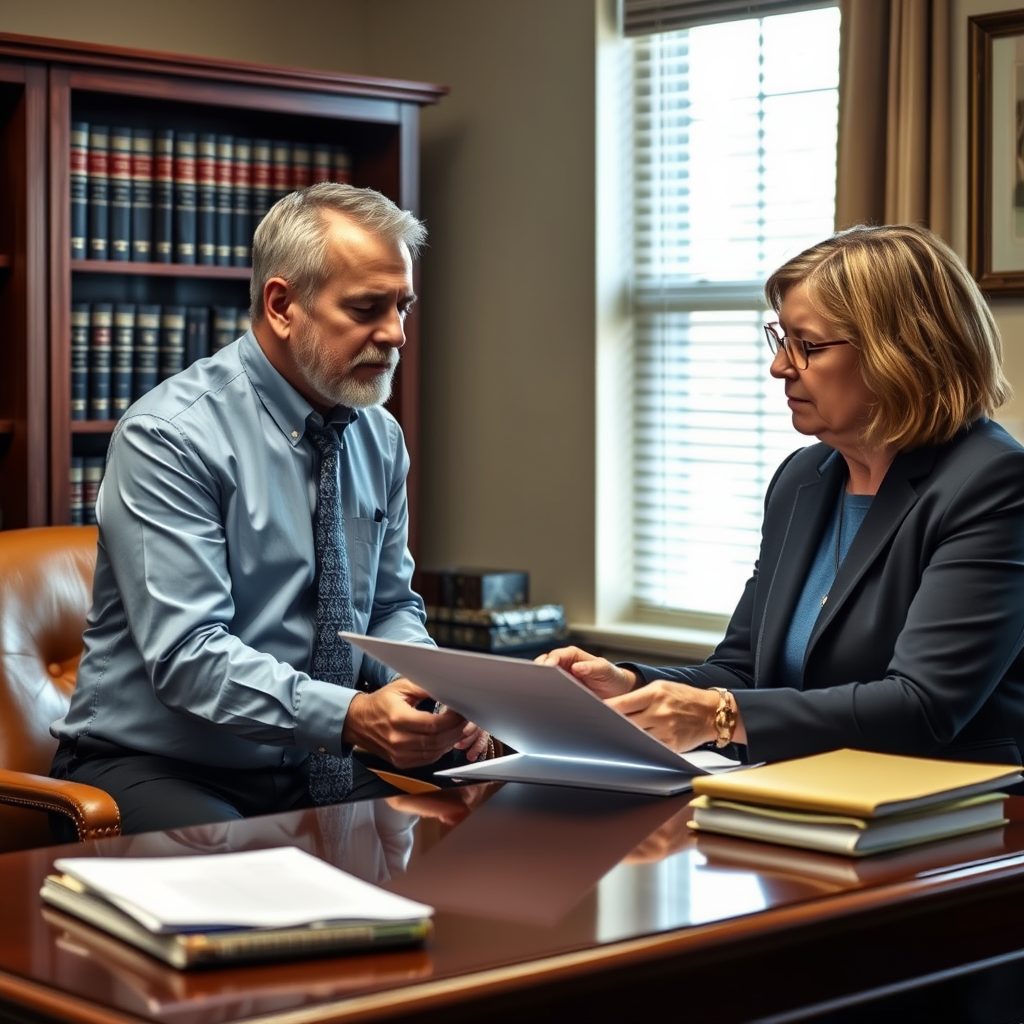
Alimony Modification Attorney Carroll County, VA: Changing Spousal Support Orders
As of December 2025, the following information applies. In Virginia, Alimony Modification involves reassessing and altering existing spousal support orders due to a substantial change in circumstances. The Law Offices Of SRIS, P.C. provides dedicated legal defense for these matters.
Confirmed by Law Offices Of SRIS, P.C.
What is Alimony Modification in Virginia?
Life doesn’t stand still, and neither do financial realities. Alimony modification in Virginia refers to the legal process of changing an existing spousal support order. This isn’t just about wanting a change; it requires a demonstrable, material change in circumstances since the original order was entered. This could be anything from a significant job loss, a serious health issue, or even the remarriage of the recipient spouse. In Carroll County, VA, the courts recognize that circumstances can evolve, and what was fair years ago might not be fair today. It’s about ensuring that spousal support remains equitable and reflective of both parties’ current situations. Without a modification, you’re bound by the previous order, no matter how much your life has shifted.
The core principle here is fairness. When one party’s financial situation drastically changes – for better or worse – or the needs of the recipient alter, the initial alimony agreement might become untenable. A modification seeks to adjust the payments to reflect these new realities, whether that means increasing, decreasing, or even terminating the support. The court doesn’t take these requests lightly; you’ll need to present clear and convincing evidence that your situation has indeed undergone a substantial and material change that wasn’t anticipated when the original order was put in place. It’s a formal legal proceeding designed to uphold the spirit of spousal support while adapting to life’s inevitable twists and turns.
Takeaway Summary: Alimony modification in Virginia allows for court-ordered changes to spousal support due to substantial, unanticipated shifts in either party’s circumstances. (Confirmed by Law Offices Of SRIS, P.C.)
How to Modify Alimony in Carroll County, VA?
The process of seeking an alimony change in Carroll County, VA, can seem daunting, but it’s a structured legal path. It’s not as simple as asking for a different amount; there’s a specific set of procedures you’ll need to follow to demonstrate to the court why your existing order needs to be altered. Here’s a breakdown of the typical steps involved:
-
Understand What’s Changed
Before you even think about court, you need to clearly identify and document the substantial change in circumstances that warrants a modification. This isn’t just a minor fluctuation in income; it needs to be a significant and unexpected event since your last alimony order was put in place. Did you lose your job through no fault of your own? Has your former spouse remarried? Did a serious illness dramatically increase your medical expenses or reduce your earning capacity? Or perhaps the recipient of alimony has experienced a significant increase in their own income. The key is that these changes must be material, meaning they genuinely impact your or your former spouse’s ability to pay or need for support. A judge will want to see that the change is both substantial and wasn’t foreseeable when the original order was made. It’s about building a compelling narrative supported by facts, so take the time to gather your thoughts and outline precisely what has shifted and how it impacts your financial reality.
-
Gather Your Evidence
Once you’ve identified the change, proving it in court requires solid evidence. This is where you’ll collect all the financial documents and other records that support your claim. Think about pay stubs, income tax returns, bank statements, medical bills, layoff notices, or evidence of a new job for your former spouse. If a medical condition is the basis, you’ll need doctor’s notes, prognoses, and treatment costs. If a new marriage is involved, official marriage certificates or other legal proof will be essential. The more comprehensive and organized your documentation, the stronger your case will be. These documents aren’t just details; they are the bedrock of your argument, allowing the court to objectively assess the impact of the changes you’ve experienced. Don’t leave any stone unturned; thoroughness here can make all the difference in the outcome.
-
Attempt Negotiation (When Possible)
Sometimes, before going to court, it’s possible to reach an agreement directly with your former spouse. If both parties are open to it, a negotiation can be a more amicable and cost-effective way to modify alimony. Your attorney can help you draft a proposal that outlines the requested changes and the reasons behind them, backed by your evidence. This step can save you time, stress, and legal fees. Even if you can’t agree on everything, sometimes narrowing down the disputed issues through negotiation can make the court process much smoother. It’s an opportunity to discuss the new circumstances reasonably, perhaps with the help of lawyers or even a mediator. A successfully negotiated agreement, once approved by the court, becomes a binding order, just like one decided by a judge. This path offers a degree of control and predictability that a court battle often doesn’t.
-
File Your Petition
If negotiation isn’t successful or isn’t an option, the next step is to formally initiate legal proceedings by filing a Petition for Modification of Spousal Support with the Carroll County, VA, court. This document legally notifies the court and your former spouse that you are seeking a change to the existing alimony order. The petition must clearly state the substantial and material changes that have occurred and precisely what kind of modification you are requesting – whether it’s an increase, decrease, or termination of support. It’s a critical legal document that sets the stage for your case. Errors or omissions in the petition can cause delays or even weaken your position, so preparing it meticulously with experienced legal counsel is highly advisable. Proper filing and service of this petition are non-negotiable legal requirements to move your case forward.
-
Engage in Discovery and Mediation
Once the petition is filed, the legal process moves into what’s known as discovery. This is where both sides exchange relevant financial information and evidence, often through formal requests for documents and sworn interrogatories. This helps ensure transparency and that both parties have a full picture of each other’s current financial situations. Following or alongside discovery, many courts in Virginia encourage or even require mediation. Mediation is a confidential process where a neutral third party (the mediator) helps both spouses discuss their differences and try to reach a mutually agreeable settlement. It’s a chance to find common ground without the stress and expense of a full trial. While the mediator doesn’t make decisions, their guidance can be instrumental in finding solutions that work for everyone, often leading to agreements that are more sustainable than court-imposed orders.
-
Prepare for a Court Hearing
If mediation isn’t successful and no agreement is reached, your case will proceed to a court hearing. This is where both you and your former spouse will present your evidence and arguments to a judge. Your attorney will represent you, calling witnesses, presenting financial documents, and making legal arguments as to why the alimony order should or shouldn’t be modified. The judge will listen to both sides, review all the submitted evidence, and then make a decision based on Virginia law and the specific facts of your case. This can be an intimidating process, which is why having seasoned legal representation is invaluable. Your counsel will prepare you for what to expect, help you practice your testimony, and ensure your case is presented as persuasively as possible to secure the best possible outcome.
Can I Change My Spousal Support Order in Carroll County, VA?
The short answer is yes, but it’s rarely simple. Many people facing significant life events wonder if their existing spousal support order is set in stone. The fear of being locked into an unmanageable financial obligation or being unfairly disadvantaged when circumstances have genuinely changed is a very real concern. Perhaps you’ve lost your job, suffered a serious illness, or seen your former spouse’s financial situation drastically improve. These are not minor inconveniences; they can represent a monumental shift in your ability to pay or their need for support. The law in Virginia recognizes that life doesn’t stop evolving just because a court order was entered.
Blunt Truth: You can’t just wake up one day and decide you want to pay less or receive more. The courts in Carroll County, VA, require a legitimate, substantial, and material change in circumstances. This change must have occurred *after* the original alimony order was finalized and must not have been reasonably anticipated at that time. For example, if you took a voluntary pay cut, that might not be enough. But if your company downsized, or you developed a debilitating medical condition that prevents you from working at your previous capacity, that’s a different story. The burden of proof rests on the person seeking the modification to demonstrate convincingly to the court that these changes warrant an adjustment to the existing order. It’s about presenting a clear and compelling case with solid evidence to back it up.
The emotional toll of these situations is often underestimated. You might feel trapped, frustrated, or anxious about your financial future. It’s natural to worry about how a modification will impact your life and the lives of those around you. This is precisely why having knowledgeable counsel by your side is so important. They can assess your situation, help you understand if your circumstances meet the legal threshold for a modification, and guide you through every step of the process. They’ll ensure your story is heard and your rights are protected, offering clarity and hope amidst what can feel like an overwhelming challenge. Don’t let fear paralyze you; take the first step to explore your options.
Why Hire Law Offices Of SRIS, P.C.?
When you’re facing something as personal and impactful as alimony modification in Carroll County, VA, you need more than just legal representation; you need a team that truly understands what’s at stake. At Law Offices Of SRIS, P.C., we bring a seasoned approach to family law matters, focusing on providing direct and empathetic guidance through detailed situations.
As Mr. Sris, our founder, puts it: “My focus since founding the firm in 1997 has always been directed towards personally managing the most challenging criminal and family law matters our clients face.” This insight reflects our commitment to dedicated service and our understanding of the nuances involved in spousal support cases.
We believe in honest, straightforward communication, helping you grasp the realities of your situation and the best path forward. We don’t just process paperwork; we represent your interests with diligence, aiming for outcomes that genuinely serve your future.
Our firm is readily accessible to clients in Carroll County, VA. You can find us at:
Law Offices Of SRIS, P.C.7400 Beaufont Springs Drive, Suite 300, Room 395
Richmond, VA, 23225, US
Phone: +1-804-201-9009
Call now for a confidential case review and let us help you navigate the path to modifying your spousal support order. We’re here to provide the clarity and reassurance you need.
FAQ About Alimony Modification in Carroll County, VA
Q: What qualifies as a “material change” for alimony modification in Virginia?
A: A material change is a significant, unanticipated shift in circumstances since the original order, such as involuntary job loss, serious health issues, a substantial change in income for either party, or the remarriage of the recipient spouse. It must genuinely impact financial ability or need.
Q: Can I modify alimony if I voluntarily quit my job?
A: Generally, no. Virginia courts typically require the change in circumstances to be involuntary or not reasonably anticipated. Voluntarily reducing your income to avoid alimony payments is usually not considered a valid reason for modification.
Q: Is there a time limit to request an alimony modification?
A: There isn’t a strict time limit after the original order, but the “material change” must have occurred recently and not have been anticipated. You should seek modification as soon as the change occurs, as modifications are rarely retroactive.
Q: Does remarriage automatically terminate alimony in Virginia?
A: For the recipient, yes, remarriage generally terminates spousal support in Virginia, unless the divorce decree or separation agreement specifically states otherwise. For the payor, remarriage does not automatically terminate or modify payments.
Q: What if my former spouse and I agree on an alimony change?
A: Even if you agree, the modification must be approved by the court to be legally binding. Your agreement can be presented to the judge as a consent order, which the court will usually affirm if it’s fair and reasonable.
Q: Can cohabitation impact alimony payments in Virginia?
A: Yes, if the recipient spouse cohabits with another person in a relationship analogous to marriage for at least one year, it can be grounds for termination or reduction of alimony in Virginia, unless the original order specified otherwise.
Q: What types of evidence do I need to prove a change in circumstances?
A: You’ll typically need financial documents like pay stubs, tax returns, bank statements, medical records, employment records, and any other official documents that clearly demonstrate the substantial change in your financial situation or that of your former spouse.
Q: Will alimony modification hearings always go to trial?
A: Not necessarily. Many alimony modification cases are resolved through negotiation or mediation outside of court. A trial is usually only necessary if the parties cannot reach a mutual agreement on the proposed changes.
Q: How long does the alimony modification process take in Carroll County, VA?
A: The duration varies greatly depending on the detail of the case, court dockets, and the willingness of both parties to negotiate. It can range from a few months for an agreed-upon modification to over a year for contested cases.
Q: Can child support and alimony both be modified at the same time?
A: Yes, if there are substantial changes in circumstances impacting both, you can often petition to modify child support and alimony simultaneously. Both are distinct legal issues but are often interrelated in family law cases.
The Law Offices Of SRIS, P.C. has locations in Virginia in Fairfax, Loudoun, Arlington, Shenandoah and Richmond. In Maryland, our location is in Rockville. In New York, we have a location in Buffalo. In New Jersey, we have a location in Tinton Falls.
Past results do not predict future outcomes.