


Business Estate Planning Lawyer Rappahannock County, VA
For business owners in Rappahannock County, safeguarding the future of a family farm, vineyard, or small enterprise requires more than a handshake—it demands a carefully structured estate plan that accounts for ownership transfer, tax implications, and business continuity. Without proper planning, the death or incapacity of an owner can leave a company’s future in question, disrupt operations, and create unnecessary conflict among heirs and partners. At Law Offices Of SRIS, P.C., Mr. Sris and his Of Counsel work with local entrepreneurs, agricultural producers, and professional practices to develop business estate plans that align with their long-term goals. By integrating entity structuring, buy‑sell agreements, and succession planning, the team helps clients protect what they have built. To discuss your business estate planning needs, reach our Fairfax location at (703) 636‑5417 or toll‑free at (888) 437‑7747. Law Offices Of SRIS, P.C. — Advocacy Without Borders.
What Business Estate Planning Means in Rappahannock County
Business estate planning in Rappahannock County is the process of ensuring that a closely held company—whether a limited liability company, family corporation, or partnership—continues to operate or transitions smoothly if an owner retires, becomes incapacitated, or passes away. Unlike personal estate planning, which focuses on distributing personal assets, business estate planning addresses ownership interests, management authority, and the financial stability of the enterprise itself. In a rural county where many businesses are tied to land and family tradition, the planning often involves intergenerational transfers of agricultural operations, vineyard holdings, or tourism‑related properties.
Virginia law provides the statutory framework for these transfers through the Virginia Stock Corporation Act (Va. Code § 13.1‑601 et seq.), the Virginia Limited Liability Company Act (§ 13.1‑1000 et seq.), and the Virginia Uniform Partnership Act (§ 50‑73.79 et seq.). When the transfer involves trust instruments or probate, the Virginia Uniform Trust Code (Title 64.2) and local Rappahannock County Circuit Court procedures also come into play. Business owners in the county frequently structure their entities through the State Corporation Commission, and when disputes arise, they are heard at the Rappahannock County Circuit Court, 250 Gay Street, Washington, Virginia. Mr. Sris and his Of Counsel work within this legal and court landscape to craft plans that respect both the statutory requirements and the unique character of Rappahannock County businesses.
How Mr. Sris and His Of Counsel Handle Business Estate Planning Cases
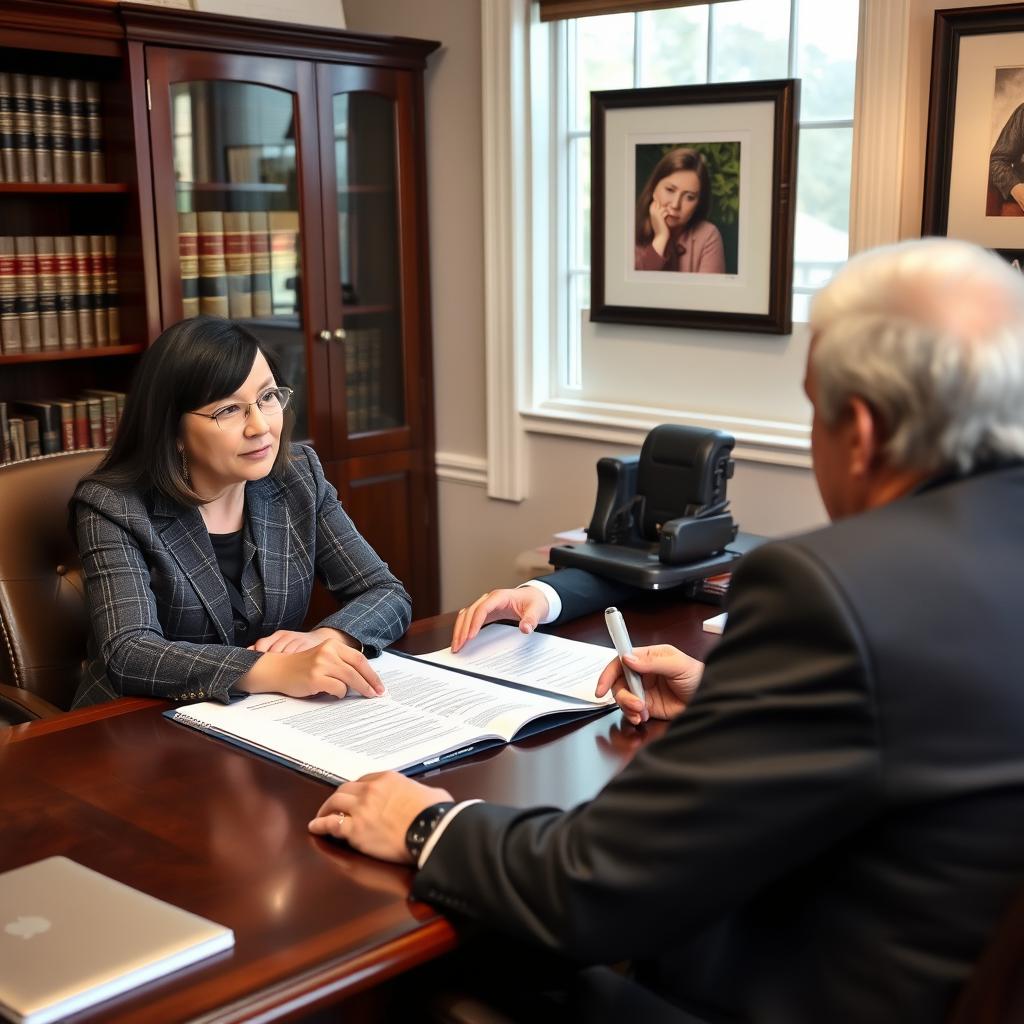
Mr. Sris and his Of Counsel begin by reviewing the client’s existing corporate and estate documents—articles of organization, operating agreements, shareholder agreements, wills, and trusts—to identify gaps that could create future disruption. They then work with the client’s accountant and financial advisor to model the tax consequences of various transfer strategies under current Virginia and federal law. The goal is to design a coordinated plan that may include amending the governing documents, drafting buy‑sell agreements, or creating revocable and irrevocable trusts that hold business interests.
Throughout the process, the legal team focuses on minimizing the risk of intrafamily disputes and ensuring that the business can continue to operate under the chosen successor without unnecessary probate delays. For Rappahannock County clients, this often means addressing the unique challenges of agricultural enterprises, such as valuing farmland and equipment, preserving conservation easements, and structuring management roles among family members. Mr. Sris and his Of Counsel also prepare for contingencies by incorporating durable powers of attorney and advance directives that authorize designated individuals to make business decisions if an owner becomes incapacitated.
About Mr. Sris and His Of Counsel Team
Mr. Sris, Owner and Founder of Law Offices Of SRIS, P.C., is a former prosecutor and has been practicing since 1997. He is admitted in Virginia, Maryland, the District of Columbia, New Jersey, and New York. Mr. Sris testified before the Virginia House Courts of Justice Committee in support of 2019 HB 635 (chief patron Del. David Bulova). He brings a disciplined, analytical approach to business estate planning, drawing on decades of experience in litigation and negotiation to anticipate issues that can escalate into disputes.
Mr. Sris and his Of Counsel bring over 120 years of combined legal experience and have documented 4,739+ case results across all practice areas since 1997. Results may vary. The Of Counsel team includes attorneys with backgrounds in business law, contract negotiation, and agricultural enterprise structuring. Together, they provide the depth and local knowledge that Rappahannock County business owners need to protect their legacies.
Frequently Asked Questions
What does business estate planning involve in Rappahannock County?
Business estate planning involves preparing for the orderly transfer of an ownership interest in a Rappahannock County enterprise when an owner retires, becomes incapacitated, or dies. The process integrates the business’s governing documents—such as an operating agreement or corporate bylaws—with personal estate vehicles like wills and trusts. It frequently includes drafting buy‑sell agreements that set the terms for purchasing a departing owner’s interest. The plan also addresses management succession, authority to operate, and the valuation of business assets. Working within Virginia’s statutory framework, the goal is to preserve the business as a going concern while minimizing estate taxes and avoiding court‑supervised disputes.
Why is a buy‑sell agreement important for a Rappahannock County business?
A buy‑sell agreement establishes a predetermined method for valuing and transferring a departing owner’s interest, whether the departure is voluntary, due to death, or because of incapacity. For a Rappahannock County business, this can prevent a deceased owner’s shares from passing to heirs who may have no interest in running the company or who might demand an immediate liquidation. The agreement can be structured as a cross‑purchase arrangement among existing owners or as a redemption by the business entity itself. It sets the valuation formula, funding mechanism (such as life insurance), and the terms of payment, thereby reducing uncertainty and conflict during an already difficult time.
Can a Virginia LLC be passed to heirs?
Yes, a membership interest in a Virginia limited liability company can be passed to heirs, but the rights those heirs receive depend heavily on the operating agreement. By default under the Virginia Limited Liability Company Act, the economic rights—such as the right to receive distributions—transfer to the heir, but the management rights and the ability to participate in day‑to‑day decisions generally do not transfer unless the operating agreement or the consent of the remaining members provides otherwise. Proper business estate planning addresses this distinction, often by designating a successor manager and specifying whether the heir will be a full member or merely an economic interest holder. Without such provisions, the LLC can become deadlocked or incapacitated.
What is a business succession plan and do I need one?
A business succession plan is a comprehensive strategy for transferring leadership and ownership of a company to the next generation or a chosen successor. In Rappahannock County, where family‑run farms and small firms are common, a succession plan is often essential to ensure the business endures beyond the founder. The plan designates who will take over management, how ownership shares will be reallocated, and what training or transition period will occur. It may also address funding through life insurance or installment sales. Without a documented plan, sudden illness, death, or retirement can force a fire sale or court intervention, jeopardizing the livelihoods of employees and family members.
How does business estate planning differ from personal estate planning?
Personal estate planning focuses on distributing a person’s individually owned assets—such as a home, bank accounts, and personal belongings—to heirs or charities. Business estate planning, by contrast, concentrates on the ownership and control of a business entity that is often the family’s primary source of income. Business estate planning must consider the operating documents of the entity, the tax treatment of the business interest, and the need for ongoing management during a transition. While a personal will controls the transfer of an owner’s shares, a robust business estate plan coordinates the will with the entity’s governance documents to avoid contradictory instructions and unintended consequences.
What role does an attorney play in business estate planning?
An attorney experienced in business estate planning helps Rappahannock County business owners navigate the intersection of corporate law, tax law, and estate planning. The attorney reviews existing entity documents, identifies planning gaps, and drafts the buy‑sell agreements, trust instruments, and updated operating agreements necessary to carry out the client’s objectives. The attorney also coordinates with the client’s accountant and financial advisor to model the tax impact of different strategies. When disputes arise, the attorney represents the client before the Rappahannock County Circuit Court or other relevant tribunals. Engaging an attorney early in the process can prevent costly mistakes and family conflicts down the road.
Related practice areas: Fairfax County Business Lawyer · Fairfax City Business Lawyer · Falls Church City Business Lawyer · Prince William County Business Lawyer · Manassas City Business Lawyer
Primary sources: Virginia Code Title 13.1 · SCC Business Filings · Rappahannock County Circuit Court
Attorney advertising. Prior results do not guarantee a similar outcome.
Case results depend on a variety of factors unique to each case.