


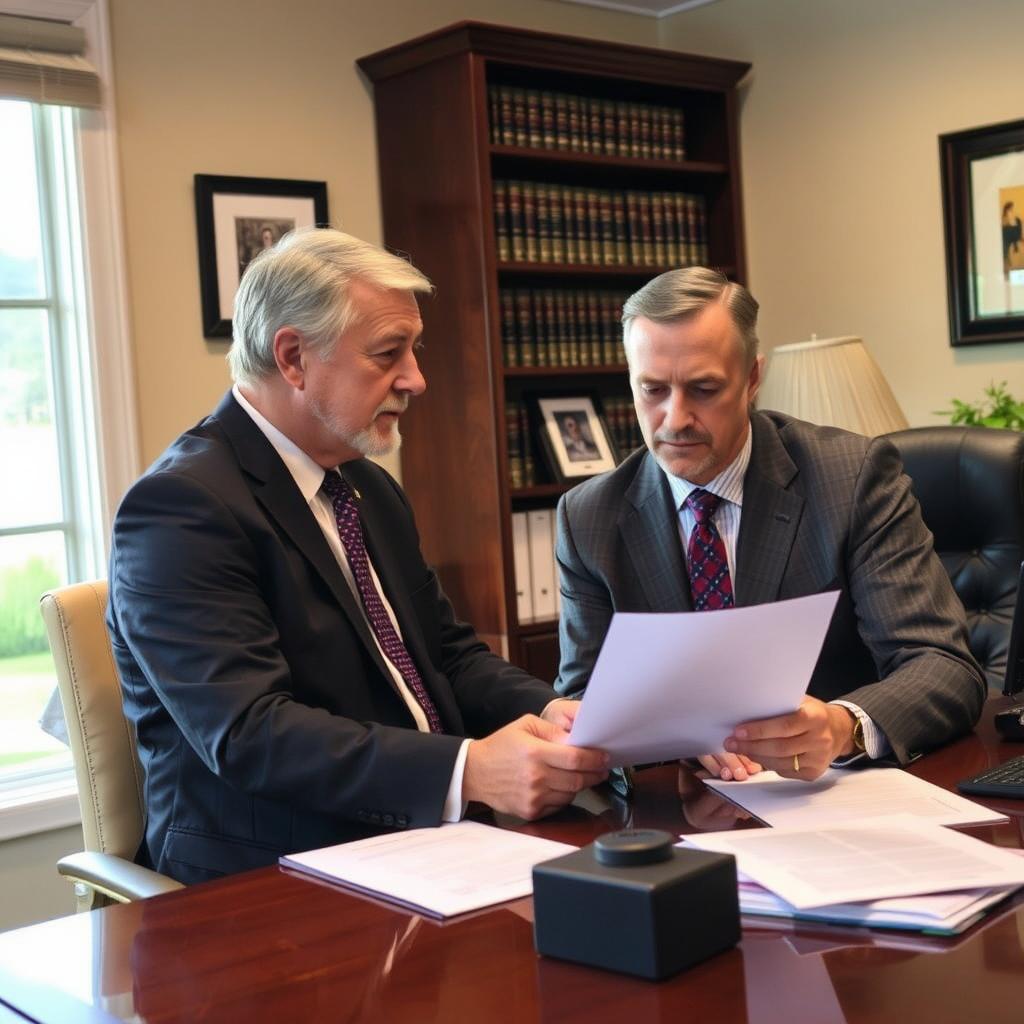
Business Transaction Lawyer Shenandoah County
You need a Business Transaction Lawyer Shenandoah County to structure and execute commercial deals under Virginia law. Law Offices Of SRIS, P.C. —Advocacy Without Borders. provides direct counsel for Shenandoah County business contracts, entity formation, and asset purchases. Our team handles the precise legal requirements for Virginia commercial transactions. We protect your interests in every business deal. (Confirmed by SRIS, P.C.)
Statutory Definition of Virginia Business Transactions
Virginia business transactions are governed by a network of state statutes, not a single code. The Virginia Stock Corporation Act (§ 13.1-601 et seq.), the Virginia Limited Liability Company Act (§ 13.1-1000 et seq.), and the Uniform Commercial Code (Title 8.9A) form the core legal framework for commercial dealings in Shenandoah County. These laws dictate how companies are formed, how ownership is transferred, and how commercial contracts are enforced. A failure to adhere to these statutes can void a transaction or create significant personal liability for business owners. The maximum penalty for non-compliance is often civil, resulting in contract rescission, monetary damages, or loss of limited liability protection. For a Business Transaction Lawyer Shenandoah County, mastery of this interconnected code is non-negotiable.
Primary Governing Codes: Virginia business law is codified across multiple titles. Key statutes include the Virginia Stock Corporation Act (§ 13.1-601 et seq.) for corporate governance, the Virginia Limited Liability Company Act (§ 13.1-1000 et seq.) for LLC operations, and the Uniform Commercial Code (UCC) in Title 8.9A for sales and secured transactions. These laws classify commercial activities and set the rules for enforceability. The maximum penalty for statutory violations is typically not jail time but severe financial consequence, including breach of contract damages, specific performance orders, or piercing the corporate veil.
What statutes govern business sales in Shenandoah County?
The sale of a business in Shenandoah County is governed by Virginia’s UCC and common law contract principles. Title 8.2 of the Virginia Code covers the sale of goods, while asset purchase agreements for entire businesses fall under general contract law and specific statutes like the Bulk Sales Act. The structure of the deal—whether asset purchase or stock purchase—determines which statutory liabilities transfer to the new owner. Missteps in this area can lead to successor liability lawsuits.
How does Virginia law treat LLC operating agreements?
Virginia law treats a properly drafted LLC Operating Agreement as the central governing document for the company. Under the Virginia Limited Liability Company Act (§ 13.1-1000 et seq.), the operating agreement controls member relations, management structure, profit distribution, and dissolution procedures. If the agreement is silent on an issue, the default rules of the Virginia LLC Act apply, which may not align with the members’ intentions. This makes precise drafting by a business deal structuring lawyer Shenandoah County critical.
What are the fiduciary duties in a Virginia business transaction?
Virginia law imposes strict fiduciary duties on corporate directors, officers, and LLC managers. These duties, primarily of care and loyalty, are codified in § 13.1-690 for corporations and are applied by courts to LLC managers. Breach of these duties during a transaction, such as failing to act in the company’s best interest or self-dealing, can result in personal liability for damages and court-ordered rescission of the deal. Learn more about Virginia legal services.
The Insider Procedural Edge in Shenandoah County
The Shenandoah County Circuit Court, located at 112 S. Main Street, Woodstock, VA 22664, is the primary venue for litigating complex business disputes. While many transactions are negotiated privately, contract breaches, partnership dissolutions, and fiduciary duty claims often end up here. The procedural timeline for a commercial lawsuit in this court can span 12 to 24 months from filing to trial. Filing fees for a civil complaint typically start at over $100, but costs escalate with motions and discovery. The local procedural fact is that Shenandoah County judges expect strict adherence to Virginia Supreme Court rules and local court rules. Paperwork errors or missed deadlines are not treated leniently in commercial matters.
Where are business contract disputes filed in Shenandoah County?
Business contract disputes exceeding $25,000 are filed at the Shenandoah County Circuit Court. The civil clerk’s Location handles the filing of complaints, answers, and all subsequent motions. Jurisdiction is proper if the defendant resides, operates, or signed the contract in Shenandoah County. Choosing the correct venue is a strategic first step handled by your commercial deal lawyer Shenandoah County.
What is the typical timeline for business litigation?
A typical business litigation case in Shenandoah County Circuit Court takes 12 to 24 months to reach a trial date. The process includes a 21-day period to respond to a complaint, a several-month discovery phase for exchanging documents and depositions, and mandatory settlement conferences. Complex transactions with extensive documentation can prolong discovery. Early strategic motion practice can shorten or resolve a case before trial.
What are the local court filing fees?
Filing fees for initiating a civil lawsuit in Shenandoah County Circuit Court are set by Virginia statute and start at a base cost. The exact fee depends on the type of pleading and the amount in controversy. Additional fees apply for motions, subpoenas, and trial costs. Procedural specifics for Shenandoah County are reviewed during a Consultation by appointment at our Shenandoah County Location. Learn more about criminal defense representation.
Penalties & Defense Strategies for Transaction Errors
The most common penalty for a flawed business transaction is a civil judgment for monetary damages. These damages aim to put the injured party in the position they would have been in had the contract been performed. In cases of fraud or breach of fiduciary duty, courts may award punitive damages. The table below outlines potential consequences.
| Offense / Issue | Penalty / Consequence | Notes |
|---|---|---|
| Breach of Contract | Compensatory Damages, Specific Performance | Damages cover lost profits and costs. |
| Fraud in the Inducement | Rescission of Contract, Punitive Damages | Must prove a material false representation. |
| Breach of Fiduciary Duty | Personal Liability for Losses, Disgorgement | Directors/Officers/Managers can be sued personally. |
| Piercing the Corporate Veil | Personal Liability for Corporate Debts | Triggered by commingling assets or fraud. |
| Statutory Non-Compliance (e.g., LLC Act) | Loss of Liability Protection, Fines | Failure to file annual reports or maintain separateness. |
[Insider Insight] Shenandoah County prosecutors typically focus on criminal matters, but the Commonwealth’s Attorney may investigate business transactions that cross into criminal fraud or embezzlement. For civil matters, local judges are accustomed to agriculture and small business disputes. They scrutinize the fairness of deals between local parties. A defense strategy built on careful document review and clear evidence of good faith is paramount.
What are the financial risks of a poorly drafted contract?
The financial risks of a poorly drafted contract include unlimited liability for unanticipated damages. Ambiguous terms lead to disputes over performance standards, payment schedules, and delivery terms. A court may interpret the contract against the party who drafted it, under the doctrine of *contra proferentem*. This can result in a multi-million dollar judgment not accounted for in the deal.
Can you be personally liable for a business deal?
Yes, you can be personally liable for a business deal if you sign a contract in a personal capacity, provide a personal commitment, or if a court “pierces the corporate veil.” Veil-piercing occurs in Virginia when a business owner fails to treat the company as a separate legal entity, such as by commingling funds or undercapitalizing the company. This exposes personal assets like your home or savings. Learn more about DUI defense services.
How do you defend against a breach of contract claim?
You defend against a breach of contract claim by asserting valid legal defenses recognized under Virginia law. Common defenses include impracticability of performance, mutual mistake of fact, failure of a condition precedent, or that the other party breached first. A successful defense requires precise evidence tied to the contract’s language and the parties’ conduct.
Why Hire SRIS, P.C. for Your Shenandoah County Business Law Matter
SRIS, P.C. assigns senior attorneys with direct experience in Virginia’s commercial code to every business transaction. Our lead counsel for commercial matters in Virginia have negotiated and drafted hundreds of operating agreements, asset purchase deals, and commercial leases. We know how Virginia courts interpret contractual language and statutory requirements. This experience allows us to anticipate disputes and draft documents that protect your position.
Attorney Profile: Our Virginia business law team includes attorneys with backgrounds in complex contract litigation and corporate formation. They have guided Shenandoah County entrepreneurs, farmers, and business owners through entity selection, financing rounds, and exit strategies. Their practice is dedicated to applying Virginia’s statutory framework to achieve practical, enforceable business outcomes.
SRIS, P.C. has a documented record of resolving business disputes for clients in Shenandoah County. Our approach is direct: we identify the core legal and business objectives at the outset. We then structure the transaction or defense to meet those goals within the bounds of Virginia law. We avoid legalese in favor of clear, actionable advice. For ongoing counsel, we serve as outside general counsel, reviewing deals and ensuring compliance. Your business’s stability is the priority. Learn more about our experienced legal team.
Localized FAQs for Shenandoah County Business Owners
What does a business transaction lawyer in Shenandoah County do?
A Business Transaction Lawyer Shenandoah County drafts and reviews contracts, forms business entities like LLCs, and guides asset purchases or sales. They ensure deals comply with Virginia law and protect your interests from liability.
How much does it cost to hire a business lawyer in Shenandoah County?
Costs vary by project complexity. Simple LLC formations have a fixed cost. Complex mergers or litigation are typically billed hourly. SRIS, P.C. provides a clear fee structure during your initial Consultation by appointment.
What is the difference between an asset sale and a stock sale in Virginia?
In an asset sale, the buyer purchases specific company assets and liabilities. In a stock sale, the buyer purchases the ownership shares of the entity itself. Each has distinct tax and liability implications under Virginia law.
Do I need an operating agreement for my Virginia LLC?
Yes. Virginia law does not require filing an operating agreement, but having one is critical. It governs member relations and financial rights. Without it, default state rules apply, which may not suit your business.
How long does it take to form an LLC in Shenandoah County?
The Virginia State Corporation Commission typically processes LLC filings within 7-10 business days. Expedited service is available for an additional fee. Your business deal structuring lawyer Shenandoah County can manage this process.
Proximity, CTA & Disclaimer
Our Shenandoah County Location is strategically positioned to serve business clients throughout the region. We are accessible from major local landmarks and commercial centers. For direct legal counsel on your commercial contracts or business formation, contact us. Consultation by appointment. Call 540-636-7548. 24/7.
Law Offices Of SRIS, P.C.—Advocacy Without Borders.
Serving Shenandoah County, Virginia.
Past results do not predict future outcomes.