


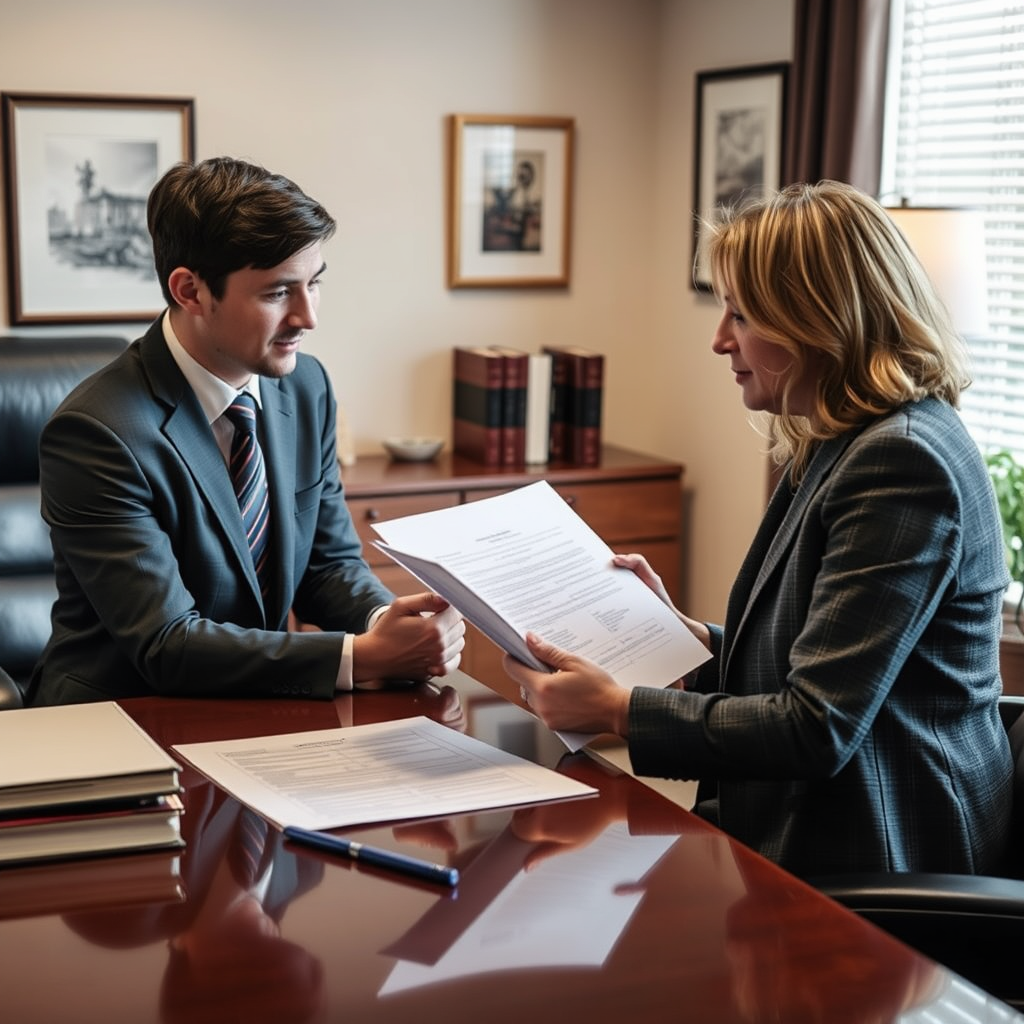
Child Relocation Attorney Carroll County, VA: Protecting Your Parental Rights
As of December 2025, the following information applies. In Virginia, child relocation involves a parent wanting to move a child’s residence a significant distance, requiring court approval or agreement from the other parent, especially if a custody order is in place. This can significantly impact parental rights and visitation schedules, making it a difficult legal area. The Law Offices Of SRIS, P.C. provides dedicated legal defense for these matters, assisting parents through the detailed legal requirements.
Confirmed by Law Offices Of SRIS, P.C.
What is Child Relocation in Virginia?
Child relocation in Virginia refers to a situation where a parent, who shares custody of a child, wishes to move their child’s residence a substantial distance away from the current home. This isn’t just about moving to a different neighborhood; it typically involves a move that would materially impact the existing custody and visitation arrangements, often across county lines, out of state, or even just a long drive away. Virginia law recognizes the importance of maintaining relationships between children and both parents. Therefore, if there’s an existing custody order in place, a parent generally cannot move a child’s primary residence without either the express written consent of the other parent or an order from the court.
The core principle guiding these decisions is always the ‘best interests of the child.’ A Virginia court will consider a variety of factors to determine if a proposed relocation is truly in the child’s best interest. These factors include the child’s age, physical and mental condition, the parents’ physical and mental conditions, the relationship existing between each parent and each child, the needs of the child, the role each parent has played and will play in the future regarding the upbringing and care of the child, and the child’s reasonable preference if the court deems the child of reasonable intelligence, understanding, and experience to express such a preference. The court also weighs the relocating parent’s reasons for the move, the impact on the non-relocating parent’s ability to maintain a relationship, and the overall stability the move would provide for the child. It’s not just about what one parent wants; it’s about what provides the most stable and beneficial environment for the child’s growth and well-being.
Takeaway Summary: Child relocation in Virginia requires demonstrating the move is in the child’s best interest, considering numerous statutory factors, and almost always needs court approval or parental agreement. (Confirmed by Law Offices Of SRIS, P.C.)
How to Address a Child Relocation Case in Virginia?
When you’re faced with a child relocation scenario in Carroll County, VA, whether you’re the parent wanting to move or the parent concerned about a potential move, understanding the process is vital. It’s not a simple matter, and there are clear steps you need to follow to protect your parental rights and the child’s best interests. This process can be emotionally taxing, but having a clear roadmap can make a substantial difference. Think of it like planning a significant journey; you wouldn’t just jump in the car without a map or a destination. A child relocation case requires even more careful planning and consideration.
-
Understand the Law and Your Rights
The first and foremost step is to grasp the legal framework in Virginia. If you have an existing custody order, you generally cannot move your child a significant distance without the court’s permission or the other parent’s written agreement. Virginia law considers such a move a ‘material change in circumstances,’ which then triggers a review by the court under the ‘best interests of the child’ standard. This isn’t a mere formality; it’s a substantive legal requirement. Know that both parents have rights, and the court will carefully balance them while prioritizing the child’s well-being. Ignorance of the law is never an excuse, and attempting to move without following proper procedure can lead to severe legal consequences, including being held in contempt of court or even a change in custody orders. A knowledgeable attorney can help you discern whether your proposed move actually constitutes a ‘relocation’ under Virginia law and what specific steps are required for your unique situation.
-
Prepare Your Case Thoughtfully and Thoroughly
Whether you’re proposing the move or objecting to it, detailed preparation is key. If you’re the relocating parent, you’ll need to articulate compelling reasons for the move. These reasons could include a new job opportunity, closer family support, better educational opportunities for your child, or a safer living environment. Gather all supporting evidence: job offers, school reports, letters from potential new schools, details about housing, support letters from family, and any evidence demonstrating how the move benefits the child. If you’re opposing the move, you’ll need to gather evidence showing how the relocation would negatively impact your child’s best interests, such as disruption to schooling, loss of critical support systems, or a diminished relationship with you. This isn’t just about your feelings; it’s about presenting objective facts that support your position. Document everything, and consider how each piece of information will be viewed by a judge.
-
Communicate with the Other Parent if Possible
Before involving the court, it’s always advisable to attempt open and honest communication with the other parent. Sometimes, an amicable resolution can be reached through negotiation or mediation. Present your proposed relocation plan, including how you envision maintaining the other parent’s relationship with the child through revised visitation schedules, technology use (video calls, etc.), and shared travel expenses. A well-thought-out new parenting plan that addresses the concerns of the non-relocating parent can go a long way in securing their agreement. If you can agree, memorialize that agreement in a written, court-approved consent order. This step not only saves time and money but also fosters a more cooperative co-parenting relationship, which is almost always beneficial for the child. However, if communication is difficult or unsafe, then direct negotiation may not be appropriate.
-
File a Petition to Amend the Custody Order (If Necessary)
If an agreement cannot be reached, the parent wishing to relocate must file a Petition or Motion to Amend the Custody Order with the Virginia court that issued the original custody order. This formal legal filing initiates the court process. The petition must clearly state your request to relocate with the child and provide a detailed explanation of why the move is in the child’s best interest, addressing all relevant statutory factors. The court will then schedule hearings, and the other parent will have the opportunity to respond. This step marks the transition from informal discussions to formal litigation. Understanding the proper legal forms, filing procedures, and service requirements is absolutely essential here; any misstep can cause significant delays or even dismissal of your petition. It’s truly a formal endeavor that demands precision.
-
Attend Court Hearings and Present Your Case
Once your petition is filed, you will need to attend scheduled court hearings. This is where both sides present their arguments and evidence to the judge. You may need to testify, present documents, and call witnesses to support your position. The other parent will also have the opportunity to do the same. This adversarial process is designed to give the judge all the information needed to make an informed decision based on the child’s best interests. Be prepared for questioning, and ensure your testimony is consistent and credible. Judges often look for stability, a child-focused approach, and a willingness to facilitate the other parent’s relationship with the child. The court will carefully weigh the statutory factors mentioned earlier against all the evidence presented by both parties. This is not a time for emotional outbursts but for clear, concise, and evidence-backed arguments.
-
Consider a New Parenting Plan and Adapt to Changes
If the relocation is approved, or if you reach an agreement, a new parenting plan will be necessary. This plan must address all aspects of co-parenting in a long-distance scenario. It will need to cover specifics such as a revised visitation schedule (perhaps longer blocks of time during holidays and summers), who is responsible for transportation costs, communication methods (phone calls, video chats), and decision-making authority. It’s not enough to simply move; you must adapt to the new realities of co-parenting from a distance. A thoughtful and detailed plan can minimize future conflicts and ensure both parents remain actively involved in the child’s life, despite the geographical separation. Flexibility and a willingness to compromise will serve everyone well in the long run.
-
Seek Experienced Legal Counsel for Guidance
Given the intricacies and high stakes of child relocation cases, having experienced legal counsel is invaluable. An attorney knowledgeable in Virginia family law, particularly child relocation statutes, can help you understand your rights, prepare your case effectively, represent you in court, and negotiate with the other parent. They can ensure all legal procedures are followed correctly, helping to avoid errors that could jeopardize your case. A seasoned attorney can offer a pragmatic assessment of your chances, manage expectations, and guide you through the emotional difficulties, providing a steady hand during what can be a very turbulent time. This is not a legal area where you want to go it alone, especially when your child’s future and your parental rights are at stake. A confidential case review can provide the clarity you need to move forward.
Can I Move Out of State with My Child if I Have a Custody Order in Virginia?
This is a common and often deeply concerning question for parents in Carroll County, VA. The blunt truth is, if you have an existing custody order from a Virginia court, you generally cannot move your child out of state without either the explicit written consent of the other parent or a new court order permitting the relocation. Simply packing up and leaving without following the proper legal channels is a serious misstep with potentially dire consequences.
Virginia courts take out-of-state relocations very seriously because such a move inherently impacts the other parent’s ability to maintain a consistent and meaningful relationship with the child, and it can significantly disrupt the child’s stability. When a court considers an out-of-state move, it will apply the same ‘best interests of the child’ standard but with an even more intense focus on how the geographical distance will affect the child’s relationships, education, and overall well-being. The burden of proof typically falls on the parent requesting the move to demonstrate overwhelmingly that the relocation is indeed in the child’s best interest, not just their own.
The court will scrutinize factors such as the reasons for the move – is it for a bona fide job opportunity, to be closer to essential family support, or for a child’s specific medical needs, or is it merely an attempt to distance the child from the other parent? They will look at the proposed new environment – quality of schools, safety of the community, availability of support systems. Also, the court will carefully assess how the non-relocating parent’s relationship with the child will be preserved and facilitated. This might involve extensive travel arrangements, revised visitation schedules, and how the costs of travel will be shared. The court’s primary concern is ensuring the child’s continued access to both parents and maintaining stability in their life.
Moving out of state without court permission or the other parent’s agreement can lead to being found in contempt of court. This means facing potential fines, being ordered to return the child, and, in severe cases, even a change in custody where the relocating parent loses primary custody. Courts view such actions as a direct violation of their orders and a disregard for the child’s welfare and the non-relocating parent’s rights. It can severely damage your credibility with the court and prejudice future custody determinations. Therefore, before making any plans, it is absolutely essential to seek legal guidance and follow the correct procedures. Don’t risk your child’s future or your parental rights by acting unilaterally. A confidential case review can help you understand the specific legal implications of your situation and guide you toward a lawful and strategic approach.
Why Hire Law Offices Of SRIS, P.C.?
When facing something as emotionally charged and legally intricate as child relocation in Carroll County, VA, you need legal counsel that brings both skill and a deep understanding of family dynamics. That’s precisely what you find at the Law Offices Of SRIS, P.C. Our approach is rooted in providing relatable authority, ensuring you feel heard and understood while receiving direct, effective legal guidance. We understand that these cases aren’t just about legal statutes; they’re about your family, your child’s future, and your peace of mind.
Mr. Sris, the founder and principal attorney, brings a wealth of experience to the firm. His personal insight reflects the core of our practice: “My focus since founding the firm in 1997 has always been directed towards personally managing the most challenging and intricate criminal and family law matters our clients face.” This dedication means that when you come to us with a child relocation case, you’re not just another file; you’re a client whose family matters are being managed with the utmost care and attention. Mr. Sris also noted, “I find my background in accounting and information management provides a unique advantage when managing the intricate financial and technological aspects inherent in many modern legal cases.” This unique blend of skills is particularly beneficial in relocation cases, where financial implications and the logistics of long-distance communication often play a significant role.
We believe in providing straightforward, honest advice, helping you see clearly through the fear and uncertainty. Our knowledgeable attorneys are seasoned in Virginia family law, possessing a comprehensive understanding of the statutes and precedents governing child relocation. We’re here to represent you, whether you’re seeking to move or opposing a relocation, always with the child’s best interests at the forefront of our strategy. We’ll help you prepare your case meticulously, present compelling arguments, and work towards a resolution that protects your parental rights and provides stability for your child.
Law Offices Of SRIS, P.C. has locations in Virginia in Fairfax, Loudoun, Arlington, Shenandoah and Richmond. For clients in Carroll County, VA, our Richmond location is well-positioned to serve your needs. You can reach us at the following details:
Law Offices Of SRIS, P.C.
7400 Beaufont Springs Drive, Suite 300, Room 395
Richmond, VA, 23225, US
Phone: +1-804-201-9009
When your family’s future hangs in the balance, you deserve an experienced and empathetic legal team. We’re ready to stand by your side, offering the dedicated support you need during this challenging time. Call now for a confidential case review and let us help you understand your options.
Frequently Asked Questions About Child Relocation in Virginia
What constitutes a “relocation” in Virginia?
In Virginia, a relocation typically means a move far enough to materially affect the current custody and visitation schedule, requiring a change in the court order. There isn’t a specific mileage, but it’s about the impact on co-parenting.
Do I always need court permission to move with my child in Virginia?
Yes, if there’s an existing custody order, you generally need either the other parent’s written consent or a court order to move your child a significant distance. Moving without permission is risky.
What factors does a Virginia court consider in a relocation case?
The court primarily considers the “best interests of the child.” Factors include the child’s needs, relationships with both parents, reasons for the move, and how it impacts stability and contact with the non-relocating parent.
What if the other parent agrees to the move?
If both parents agree, you should formalize it with a written, court-approved consent order. This ensures the agreement is legally binding and prevents future disputes or misunderstandings.
Can I move if there’s no formal custody order?
If no formal custody order exists, a parent can generally move. However, the other parent can then file for custody. It’s often safer to establish an order before moving to prevent future conflicts.
What happens if I move without permission?
Moving without permission can lead to serious legal consequences, including being held in contempt of court, ordered to return the child, or even a change in the existing custody arrangements. It’s a significant risk.
How long does a child relocation case take in Virginia?
The timeline varies widely depending on court dockets, case detail, and cooperation between parents. It could range from a few months to over a year, especially if it proceeds to trial. Patience is important.
Will my child’s wishes be considered in a relocation case?
Yes, if the court deems the child to be of reasonable intelligence, understanding, and experience, their preference may be considered. However, it’s just one factor among many that the judge will weigh.
What is the role of a Guardian ad Litem in these cases?
A Guardian ad Litem (GAL) is an attorney appointed by the court to represent the child’s best interests. They investigate, interview parties, and make recommendations to the court, providing an objective perspective.
How will visitation be handled if I move far away?
If relocation is approved, the court will establish a revised visitation schedule, often involving longer visits during holidays and summers, with consideration for travel costs. Communication via phone and video calls is also usually part of the order.
The Law Offices Of SRIS, P.C. has locations in Virginia in Fairfax, Loudoun, Arlington, Shenandoah and Richmond. In Maryland, our location is in Rockville. In New York, we have a location in Buffalo. In New Jersey, we have a location in Tinton Falls.
Past results do not predict future outcomes.