


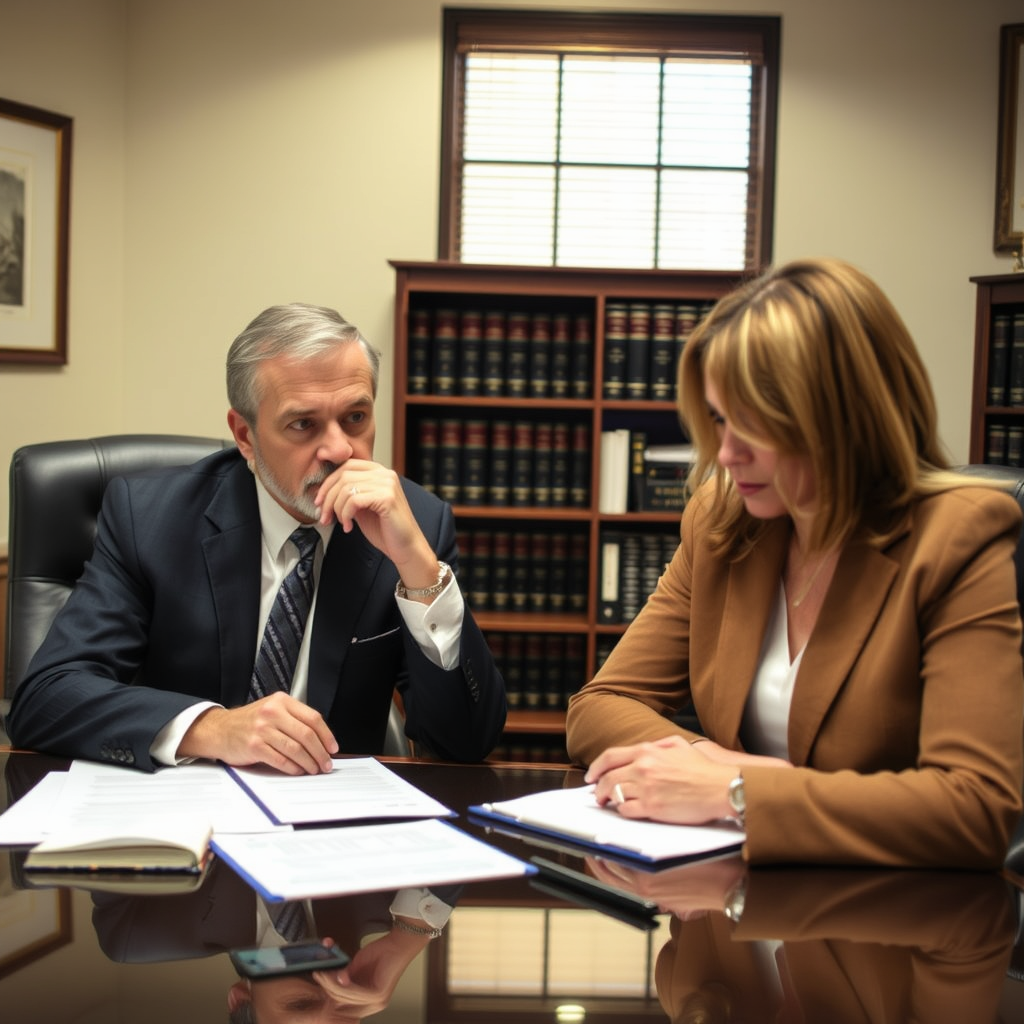
Amherst County, VA Cruelty Divorce Attorney: Your Path Forward
As of December 2025, the following information applies. In Virginia, cruelty divorce involves one spouse inflicting physical or mental suffering, making continued cohabitation unsafe or unbearable. To prove cruelty, you’ll need compelling evidence of specific acts, not just general unhappiness. The Law Offices Of SRIS, P.C. provides dedicated legal representation for these matters.
Confirmed by Law Offices Of SRIS, P.C.
What is Cruelty Divorce in Virginia?
In Virginia, a cruelty divorce isn’t merely about marital unhappiness or frequent arguments. It demands proof that one spouse’s actions have genuinely endangered the other’s life or health, or created such severe mental anguish that continued cohabitation is unsafe or unbearable. This isn’t about minor disagreements; it’s about a consistent pattern of severe misconduct or an isolated, exceptionally cruel act that truly threatens your well-being. Think physical violence, relentless emotional manipulation, or severe verbal abuse leading to documented psychological distress. Virginia law provides for fault-based divorce in these circumstances, allowing a path forward without the mandatory separation period typically required for no-fault divorces. The courts are looking for compelling evidence of specific harmful acts.
The burden of proof falls on the spouse alleging cruelty. You’ll need to present concrete evidence, such as medical records for injuries, therapy notes for emotional distress, detailed personal journals of incidents with dates and specific actions, or witness testimonies. Without clear, convincing evidence that meets Virginia’s legal standards, establishing a cruelty claim can be challenging. It’s a serious legal accusation that requires a diligent and strategic approach to gathering and presenting evidence. This process differentiates between a simply unhappy marriage and one where severe misconduct necessitates legal intervention, providing a pathway to safety and a fresh start for the victim.
Takeaway Summary: Cruelty divorce in Virginia requires proving severe physical or mental suffering that makes continued living together unsafe or unbearable. (Confirmed by Law Offices Of SRIS, P.C.)
How to Prove Cruelty in a Virginia Divorce?
To prove cruelty in a Virginia divorce, you’ll need to meticulously gather and present evidence demonstrating your spouse’s actions meet the legal standard. It’s not enough to feel hurt; you must show the court specific instances of harm. This can feel overwhelming, especially while dealing with emotional distress, but breaking it down helps. Remember, the burden is on you to prove your spouse’s behavior was genuinely threatening to your life, health, or safety, or created an intolerable living situation. This distinguishes specific, demonstrable acts of cruelty from general marital unhappiness. Let’s review the typical process, from initial documentation to appearing in court.
- Document Everything: Keep a detailed journal of all incidents. Note dates, times, specific actions, what was said, and how it affected you. Include copies of text messages, emails, voicemails, or social media posts showing abusive behavior. If physical injuries occurred, take photos immediately. Documenting every detail builds a comprehensive timeline for evidence.
- Seek Medical or Psychological Help: If you’ve suffered physical injuries, get medical treatment and ensure thorough documentation. For emotional or psychological abuse, seeing a therapist or counselor is vital. Their professional notes and testimony can be powerful evidence, showing the direct impact of your spouse’s cruelty on your mental health.
- Gather Witness Testimony: Consider friends, family, neighbors, or co-workers who witnessed your spouse’s cruel behavior or its effects on you. Their sworn statements or testimony can corroborate your claims, providing compelling support for your case. Ensure these witnesses are reliable and willing to speak openly.
- Secure Restraining Orders or Protective Orders: If cruelty involves threats or physical violence, obtaining a protective order ensures your safety and serves as official documentation of the abuse. These legal orders require a demonstration of immediate threat or harm, strengthening your divorce case.
- Consult with an Experienced Attorney: This step is critical. Counsel at Law Offices Of SRIS, P.C. can help you understand Virginia’s specific legal standards, identify compelling evidence, and guide you. They’ll help prepare your case, file paperwork, and represent you effectively in court.
- Prepare for Court: Your attorney will help you prepare for depositions and court hearings. You’ll need to testify about cruelty incidents, present evidence, and respond to cross-examination. This can be emotionally taxing, but thorough preparation with your legal team helps you stay composed and present your case clearly.
Proving cruelty isn’t simple, but by meticulously following these steps and working closely with dedicated legal counsel, you can build a strong case to secure your divorce and move towards a safer, healthier future. It requires diligence, courage, and a strategic approach to present your truth to the court.
Can I get a divorce based on emotional cruelty in Amherst County, VA?
Yes, you absolutely can seek a divorce based on emotional cruelty in Amherst County, VA. While many people associate cruelty with physical violence, Virginia law recognizes that severe emotional or psychological abuse can be just as devastating and can make continued cohabitation intolerable. However, the legal standard for proving emotional cruelty is high; it’s not enough to simply feel unhappy or misunderstood. You’ll need to demonstrate a pattern of behavior that goes beyond typical marital disagreements and genuinely endangers your mental health or well-being, making it unsafe or impossible to continue living with your spouse. This could include sustained verbal abuse, relentless manipulation, extreme gaslighting, constant threats, or deliberate isolation from friends and family that causes significant psychological distress.
Courts in Virginia look for compelling evidence that shows your spouse’s actions were deliberate and had a profound, negative impact on your mental or emotional health. This isn’t about isolated incidents but often a consistent, pervasive pattern that erodes your sense of self and safety. Documenting this type of abuse can be more challenging than documenting physical harm, but it’s entirely possible with the right approach. Therapy records, journals detailing specific instances and their effects, corroborating testimony from friends or family members who observed your emotional decline, and even communications like texts or emails can all serve as vital evidence. The goal is to prove that the emotional environment created by your spouse’s cruelty has made your marriage insupportable.
While it can feel daunting to articulate and prove emotional suffering in a legal setting, it’s a valid ground for divorce. Many individuals successfully pursue these cases, finding relief and a path to healing. It requires a focused effort on gathering the right evidence and presenting it persuasively to the court. The critical aspect is connecting your spouse’s actions directly to your documented emotional distress. Counsel at Law Offices Of SRIS, P.C. can help you understand the specific nuances of proving emotional cruelty under Virginia law and guide you in building a robust case. Our understanding of the local court system in Amherst County means we know what judges look for in these sensitive matters. Don’t let the intangible nature of emotional abuse deter you from seeking the justice and peace you deserve. We’re here to help you illustrate the reality of your experience and advocate for your well-being.
Why Hire Law Offices Of SRIS, P.C. for Your Amherst County Cruelty Divorce?
Choosing the right legal representation for a cruelty divorce in Amherst County, VA, profoundly impacts your future. At Law Offices Of SRIS, P.C., we understand the immense emotional toll and legal complexities. Our firm provides empathetic, direct, and knowledgeable legal representation. We don’t just process paperwork; we stand with you, offering guidance and robust advocacy every step. Mr. Sris, our founder, states: “My focus since founding the firm in 1997 has always been directed towards personally managing the most challenging and complex criminal and family law matters our clients face.” This commitment to personal attention and taking on difficult cases is central to our practice.
When dealing with a cruelty divorce, you need more than just a lawyer; you need a confidant, a strategist, and a fierce advocate. Law Offices Of SRIS, P.C. brings extensive experience, helping clients understand the intricate process of proving fault-based grounds. We approach each sensitive situation with utmost discretion and understanding. We diligently gather necessary evidence—medical records, psychological assessments, witness testimonies, or detailed accounts—to build the strongest case. Our goal is to ensure your story is heard and the court understands the true extent of cruelty endured, securing an outcome for dignity and peace of mind.
Furthermore, our firm is well-versed in Virginia’s legal landscape, including Amherst County. We understand local court procedures, judicial expectations, and precedents. This local insight, combined with our family law experience, positions us to provide tailored and effective legal strategies. We’ll explain options clearly, manage expectations realistically, and aggressively pursue your best interests. We also address critical issues like child custody, spousal support, and property division. Our comprehensive approach ensures all divorce aspects are handled with precision, aiming for a favorable resolution. Choosing us means choosing a team prepared to fight for your rights and future.
Law Offices Of SRIS, P.C. has a location in Richmond, which serves Amherst County.
Our address is:
7400 Beaufont Springs Drive, Suite 300, Room 395,Richmond,VA,23225,US
You can reach us by phone at: +1-804-201-9009
Call now for a confidential case review.
Frequently Asked Questions About Cruelty Divorce in Amherst County, VA
Q1: What exactly qualifies as cruelty for a Virginia divorce?
A1: Cruelty in Virginia involves actions endangering life or health, causing reasonable apprehension of bodily harm, or making cohabitation unsafe or unbearable. It’s more than common arguments; it requires severe, repeated misconduct, such as physical abuse or extreme emotional distress from sustained psychological torment. Specific, documented incidents are necessary.
Q2: Is a single act of cruelty enough to get a divorce in Virginia?
A2: Generally, Virginia courts require a pattern of cruel behavior. However, a single act of extreme, egregious cruelty that seriously endangers life or health might be sufficient, particularly if it demonstrates an intent to harm or makes continued cohabitation truly unbearable. It depends heavily on the severity.
Q3: How long does a cruelty divorce take compared to a no-fault divorce?
A3: A cruelty divorce can potentially be granted without the mandatory one-year separation period required for a no-fault divorce in Virginia. This means it can often proceed more quickly once fault is proven. The exact timeline depends on court schedules and case complexity.
Q4: Can I claim cruelty if my spouse is just verbally abusive?
A4: Yes, severe and persistent verbal abuse that causes significant emotional or psychological distress can qualify as cruelty. You must demonstrate that the abuse gravely impacts your mental health, making cohabitation intolerable. Documentation, like therapy records, is essential to prove impact.
Q5: What kind of evidence do I need to prove cruelty in court?
A5: You’ll need concrete evidence such as medical records, therapist notes, police reports, photographs of injuries, detailed journals of incidents, emails, texts, and witness testimony. The more specific and corroborating evidence you have, the stronger your case will be to demonstrate a pattern of harmful behavior.
Q6: Will proving cruelty affect spousal support or property division?
A6: Yes, fault grounds like cruelty can be a factor considered by the court when determining spousal support (alimony) and the equitable distribution of marital property. The court assesses the circumstances that led to the divorce, which can influence financial outcomes in your favor.
Q7: Is there a statute of limitations for filing for cruelty divorce?
A7: While Virginia doesn’t have a strict statute of limitations for filing for divorce based on cruelty, undue delay in bringing your claim can weaken your case. It’s best to act promptly once you determine your spouse’s actions constitute legal cruelty, as freshness of evidence matters.
Q8: What if I don’t have physical evidence of cruelty?
A8: Physical evidence isn’t always necessary. Emotional or psychological cruelty can be proven through therapist records, journals detailing incidents and their impact, and testimony from yourself and others who witnessed the abuse or its effects. Credible witness accounts are often very powerful in these cases.
Q9: Can I get an annulment instead of a divorce for cruelty?
A9: Annulment is generally reserved for marriages that were void or voidable from the start (e.g., bigamy, fraud, incapacity), not typically for post-marital cruelty. Cruelty is a ground for divorce, dissolving a valid marriage, rather than declaring it never legally existed.
Q10: What happens after a cruelty divorce is granted?
A10: Once a cruelty divorce is granted, the marriage is legally dissolved. The court will also issue orders regarding child custody, visitation, child support, spousal support, and property division. You can then begin the process of rebuilding your life with legal protections in place.
The Law Offices Of SRIS, P.C. has locations in Virginia in Fairfax, Loudoun, Arlington, Shenandoah and Richmond. In Maryland, our location is in Rockville. In New York, we have a location in Buffalo. In New Jersey, we have a location in Tinton Falls.
Past results do not predict future outcomes.