


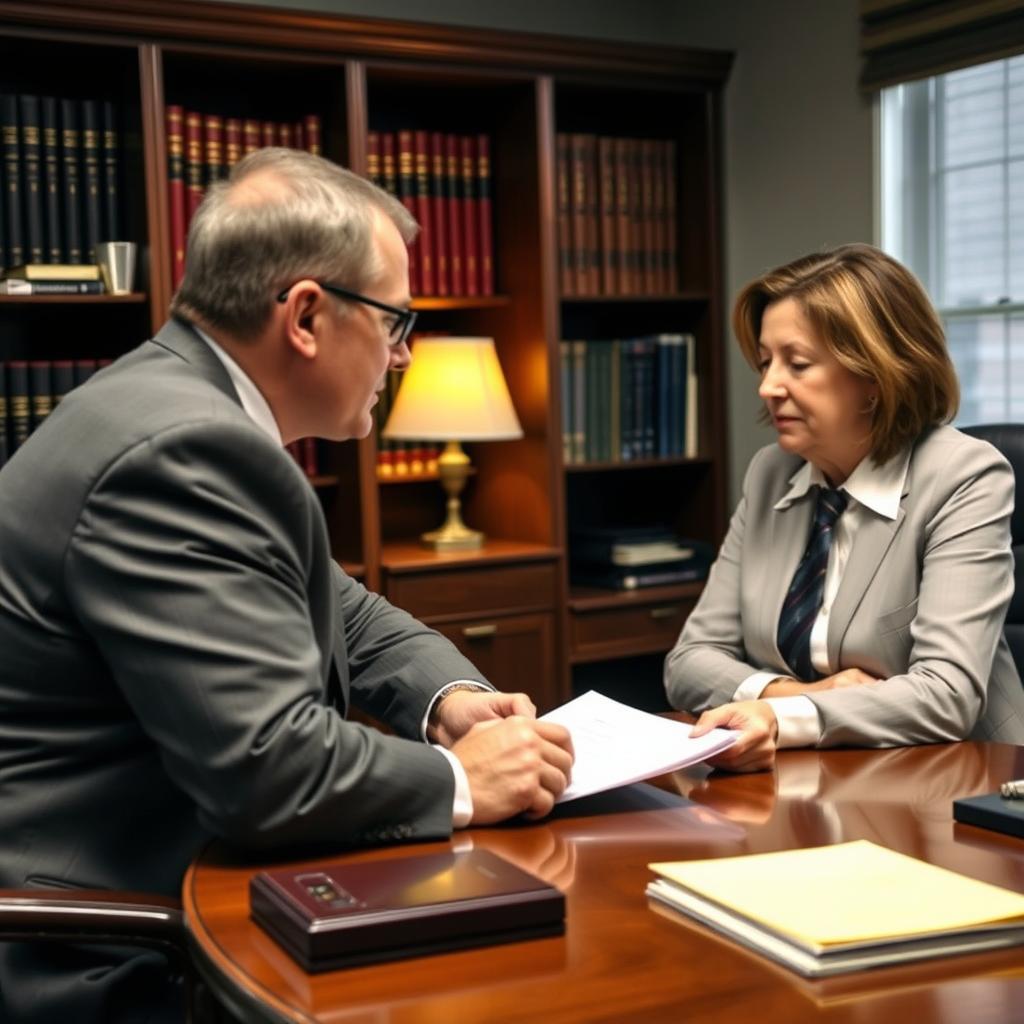
Debt Collection Lawyer Rappahannock County, VA
You open your mail and find a Warrant in Debt from Rappahannock County General District Court. A debt collector alleges you owe thousands of dollars. You have a limited window to respond—or risk a default judgment. When a debt lawsuit lands on your doorstep, you need legal guidance to protect your rights. Law Offices Of SRIS, P.C. represents Rappahannock County residents and businesses facing debt collection lawsuits. Mr. Sris, Owner and Founder, and his Of Counsel bring 4,739+ documented firm-wide results to civil litigation matters, including debt collection defense. Results may vary. Our Fairfax location serves clients throughout Rappahannock County, including Washington, Sperryville, and Flint Hill, and appears regularly before the Rappahannock County General District Court. Contact us at (888) 437-7747 to schedule a consultation. Law Offices Of SRIS, P.C. — Advocacy Without Borders.
What Debt Collection Means in Rappahannock County
Debt collection lawsuits in Virginia are civil actions, not criminal proceedings. When a creditor or debt buyer believes you owe money, they file a Warrant in Debt in the appropriate court. In Rappahannock County, most claims are handled by the Rappahannock County General District Court, located at 250 Gay Street, Washington, VA 22747. That court has jurisdiction over civil claims up to a jurisdictional limit, exclusive of interest and attorney fees (Va. Code § 16.1-77). For claims exceeding that amount, the case proceeds in Rappahannock County Circuit Court.
Because debt collection is a civil matter, the plaintiff must prove the debt exists and that you are liable. However, many defendants fail to file a timely written response, and the court can enter a default judgment for the full amount claimed plus court costs. Once a judgment is entered, the creditor may pursue collection remedies such as wage garnishment or bank levies. An experienced civil litigation attorney reviews the complaint, identifies possible defenses, and navigates the procedural rules that apply in the Rappahannock County courts.
How Mr. Sris and His Of Counsel Handle Debt Collection Cases
Mr. Sris and his Of Counsel team evaluate every debt collection case by first examining the complaint’s legal sufficiency. They verify that the plaintiff has standing to sue, that service of process was proper, and that the debt falls within the applicable statute of limitations. They then explore substantive defenses—such as payment already made, inaccurate amounts, identity errors, or violations of the Fair Debt Collection Practices Act—and build a strategy tailored to the client’s circumstances.
From the initial response through any negotiation or trial, Mr. Sris and his Of Counsel guide clients through each step. They handle document discovery, court appearances, and settlement discussions, always aiming to resolve the matter on the most favorable terms possible. Because Virginia’s civil procedure rules can be challenging for someone unfamiliar with them, having knowledgeable representation helps protect your rights and financial future. Results may vary.
About Mr. Sris and His Of Counsel Team
Mr. Sris, Owner and Founder of Law Offices Of SRIS, P.C., has practiced since 1997 and is admitted in Virginia, Maryland, the District of Columbia, New Jersey, and New York. A former prosecutor, he brings a practical, courtroom-focused perspective to every case. He is supported by a team of Of Counsel attorneys who collectively contribute 4,739+ documented firm-wide results, enabling the firm to handle a wide range of civil litigation matters, including debt collection defense in Rappahannock County. Results may vary.
Frequently Asked Questions
How long does a debt collection lawsuit take in Rappahannock County?
Small claims may resolve in 2–4 months. Circuit or superior court cases typically take 12–24 months through discovery, motions, and trial. Specific timelines vary based on court scheduling and case complexity. Consult with an attorney for an estimate based on your situation.
What is the difference between General District Court and Circuit Court for a debt collection case?
In Virginia, the General District Court hears civil claims up to a specific jurisdictional limit, while the Circuit Court handles claims exceeding that limit. GDC procedures are generally simpler, and cases move more quickly. Claims under the small claims jurisdictional amount may also be filed in small claims court. The proper forum depends on the amount in controversy.
Do I need a lawyer for a debt collection lawsuit in Rappahannock County?
You are not required to have a lawyer, but the rules of civil procedure can be difficult to navigate without legal training. A misstep in responding to a lawsuit can result in a default judgment. An experienced attorney can evaluate your defenses, handle court filings, and negotiate a resolution that protects your rights.
What defenses can I raise in a Virginia debt collection lawsuit?
Common defenses include: the statute of limitations has expired, the plaintiff lacks standing or documentation to prove the debt, the amount claimed is inaccurate, you were not properly served, or the debt collector violated the Fair Debt Collection Practices Act. Each case’s facts determine which defenses apply.
Can a debt collector garnish my wages in Virginia?
After obtaining a judgment, a creditor may seek a wage garnishment order. Virginia law limits the amount that can be taken from your paycheck, and certain income sources are exempt. You can challenge a garnishment if it causes extreme financial hardship. Contact an attorney to discuss your specific circumstances.
What should I do if I receive a Warrant in Debt from the Rappahannock County General District Court?
Do not ignore it. You have a limited time to file a written response. Read the document carefully, note the hearing date, and gather any records related to the alleged debt. Contact a debt collection defense attorney immediately to preserve your rights and explore your options.
Related practice area pages: Fairfax County Civil Litigation Lawyer · Fairfax City Civil Litigation Lawyer · Falls Church Civil Litigation Lawyer · Prince William County Civil Litigation Lawyer · Manassas Civil Litigation Lawyer
Attorney advertising. Prior results do not guarantee a similar outcome. Results may vary.
Case results depend on a variety of factors unique to each case.