


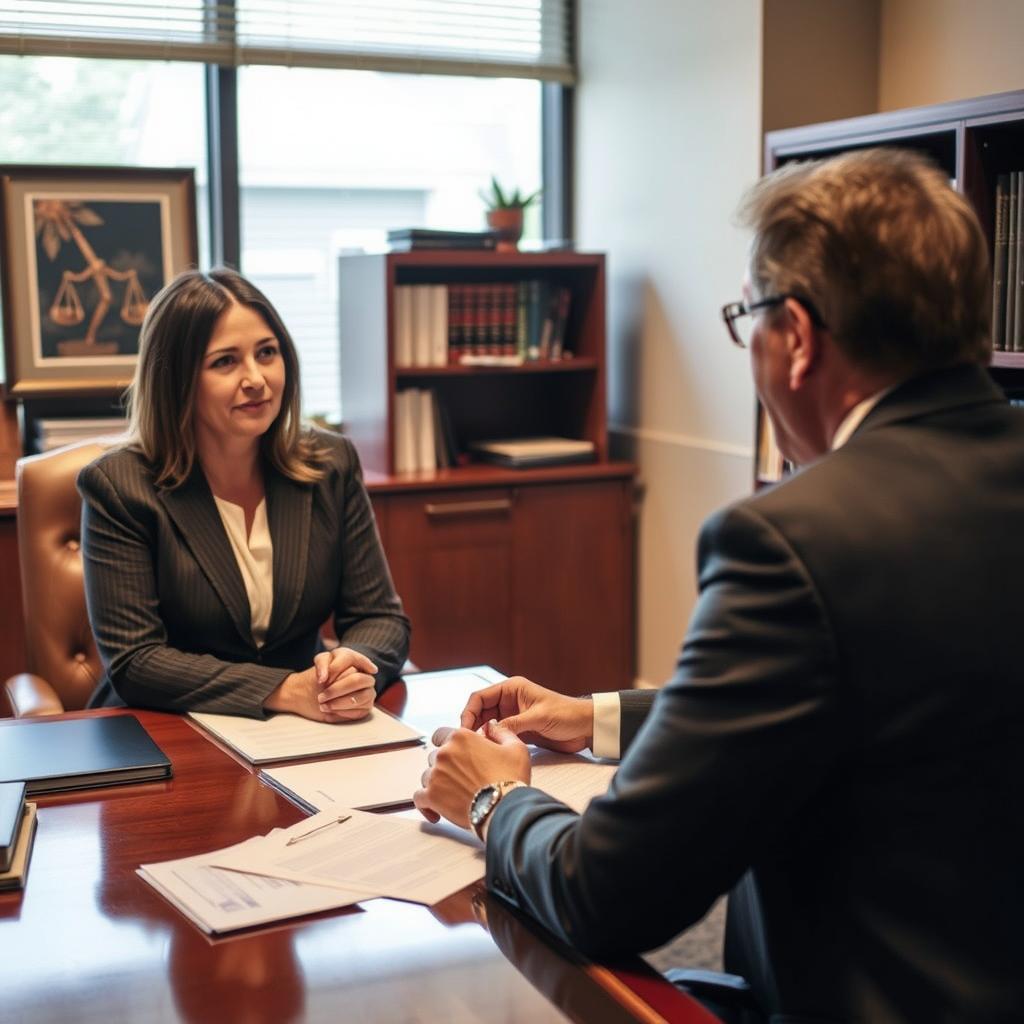
Destruction or Falsification of Records lawyer Rockingham County, VA
Federal destruction or falsification of records is charged under 18 U.S.C. § 1519 and prosecuted in the U.S. District Court for the Western District of Virginia, Harrisonburg Division. These cases arise when the government alleges that someone knowingly altered, destroyed, mutilated, concealed, or made false entries in a record with the intent to impede a federal investigation or matter. A conviction can carry a maximum sentence of up to 20 years in federal prison. Because the federal system has no parole and conviction rates are significant, the stakes are high. Law Offices Of SRIS, P.C. represents individuals in Rockingham County who are under investigation or have been indicted for record-related offenses. Call (888) 437-7747 to speak with an attorney about your situation. Law Offices Of SRIS, P.C. – Advocacy Without Borders.
What Federal Destruction or Falsification of Records Charges Mean in Rockingham County
Rockingham County is part of the Western District of Virginia, one of the two federal judicial districts that cover the Commonwealth. Federal agents from the FBI, IRS‑Criminal Investigation, or other investigative agencies often handle record‑related inquiries that begin with a grand‑jury subpoena. If a person is suspected of destroying documents — whether paper, electronic, or other tangible objects — with the intent to obstruct a federal proceeding, the U.S. Attorney’s Office may seek an indictment.
Because the federal government has broad investigative powers, an accusation can escalate quickly. The prosecution does not need to prove that the obstruction was successful; the focus is on the intent to impede. Many record‑falsification cases involve overlapping allegations — such as concealment during a bankruptcy case, an SEC inquiry, or a healthcare‑fraud probe. In Rockingham County, these matters are filed at the federal courthouse located at 116 N Main St in Harrisonburg, less than an hour from the firm’s Shenandoah/Woodstock location. That proximity helps our clients avoid the burden of traveling to the main Roanoke courthouse for every appearance.
How Mr. Sris and the Firm’s Of Counsel Attorneys Handle Federal Record Charges
The period between an investigation and an indictment — or between an indictment and trial — is critical. Law Offices Of SRIS, P.C. works to identify potential weaknesses in the government’s proof and to develop a defense strategy early. The firm’s approach often includes examining the chain of custody for the records at issue, scrutinizing whether the defendant knowingly acted with the specific intent required by § 1519, and evaluating whether federal jurisdiction is properly established.
Mr. Sris and the firm’s Of Counsel attorneys appear at all stages: initial appearances, detention hearings, arraignments, discovery conferences, motions hearings, and trial. If a case goes to sentencing, the firm prepares a thorough mitigation presentation under the advisory Federal Sentencing Guidelines. Every defense is built on the specific facts — there is no one‑size‑fits‑all approach. Early representation often allows the attorney to engage with the U.S. Attorney’s Office before charges are filed, and in some circumstances the firm may be able to persuade the government not to proceed.
About Mr. Sris and the Firm’s Of Counsel Attorneys
Mr. Sris is the Owner and Founder of Law Offices Of SRIS, P.C., a multi‑state firm practicing since 1997. He is a former prosecutor whose experience includes criminal trial work. He is admitted to the bars of Virginia, Maryland, the District of Columbia, New Jersey, and New York. Mr. Sris testified before the Virginia House Courts of Justice Committee in support of 2019 HB 635 (chief patron Del. David Bulova).
The firm’s Of Counsel attorneys bring additional courtroom experience to federal criminal defense. Together, Mr. Sris and the firm’s Of Counsel attorneys represent clients in the U.S. District Court for the Western District of Virginia, including the Harrisonburg and Roanoke divisions. The Shenandoah/Woodstock location at 505 N Main St, Suite 103, Woodstock, VA 22664 serves Rockingham County and the surrounding Shenandoah Valley. By appointment. Call (888) 437-7747 to schedule a consultation.
Frequently Asked Questions
What is the federal crime of destruction or falsification of records?
Under 18 U.S.C. § 1519, it is a felony to knowingly alter, destroy, mutilate, conceal, cover up, falsify, or make a false entry in any record or tangible object with the intent to impede a federal investigation or matter. The law applies to documents and electronic records alike. Because the statute covers a wide range of conduct, even actions taken during routine document‑retention cycles can become the basis of a criminal charge if a federal inquiry is pending or anticipated.
How does a Virginia lawyer defend against federal record charges?
Defense strategies in Virginia often focus on challenging the government’s evidence of intent, the authenticity of the records, and the jurisdictional basis for the charge. Experienced counsel may argue that the alleged falsification was inadvertent, that there was no notice of a pending federal matter, or that the records fell outside the scope of a particular agency’s authority. Early involvement by the firm’s attorneys can also open the door to pre‑indictment negotiations that sometimes result in a declination of prosecution.
What should I do if I am being investigated for destroying records in Rockingham County?
If you become aware of a federal investigation, you should immediately retain counsel and avoid discussing the matter with anyone except your lawyer. Do not delete emails, discard documents, or attempt to reconstruct files — such actions can be viewed as further obstruction. The firm can help you navigate grand‑jury subpoenas and agent interviews. Every conversation you have with an attorney is protected by the attorney‑client privilege.
What are the potential penalties for a conviction under 18 U.S.C. § 1519?
A conviction under § 1519 carries a statutory maximum of 20 years of imprisonment and significant fines. The advisory Federal Sentencing Guidelines consider the nature and scope of the obstruction, any loss caused, and the defendant’s role in the offense. Because parole was abolished in the federal system, an incarcerated person will serve at least 85% of the sentence imposed. Collateral consequences — such as professional‑license revocation and loss of certain civil rights — are also possible.
Do I need a lawyer for a federal records charge in Rockingham County?
Federal criminal cases are complex and involve procedural rules that are difficult to navigate without legal training. An attorney can preserve your rights from the moment of investigation through trial and, if necessary, appeal. In the Western District of Virginia, cases move quickly after indictment under the Speedy Trial Act. Having counsel who is familiar with the local court processes — including the Harrisonburg Division’s practices — can make a meaningful difference in the outcome.
Why does the location matter for a federal case arising in Rockingham County?
Even though federal law is uniform, practical considerations such as the sitting judge’s procedures, the local U.S. Attorney’s priorities, and the convenience of the Harrisonburg Division courthouse affect how a case is handled. The firm’s Shenandoah/Woodstock location allows Mr. Sris and the firm’s Of Counsel attorneys to be present for all appearances without the travel delays that a distant firm might face. Being able to meet with a client in person before a hearing, for example, can strengthen the attorney‑client relationship and improve preparation.
Primary sources:
18 U.S.C. § 1519 (Cornell LII) ·
U.S. District Court for the Western District of Virginia ·
Virginia Judicial System
Attorney advertising. Prior results do not guarantee a similar outcome.
Results may vary. Case results depend on a variety of factors unique to each case.