


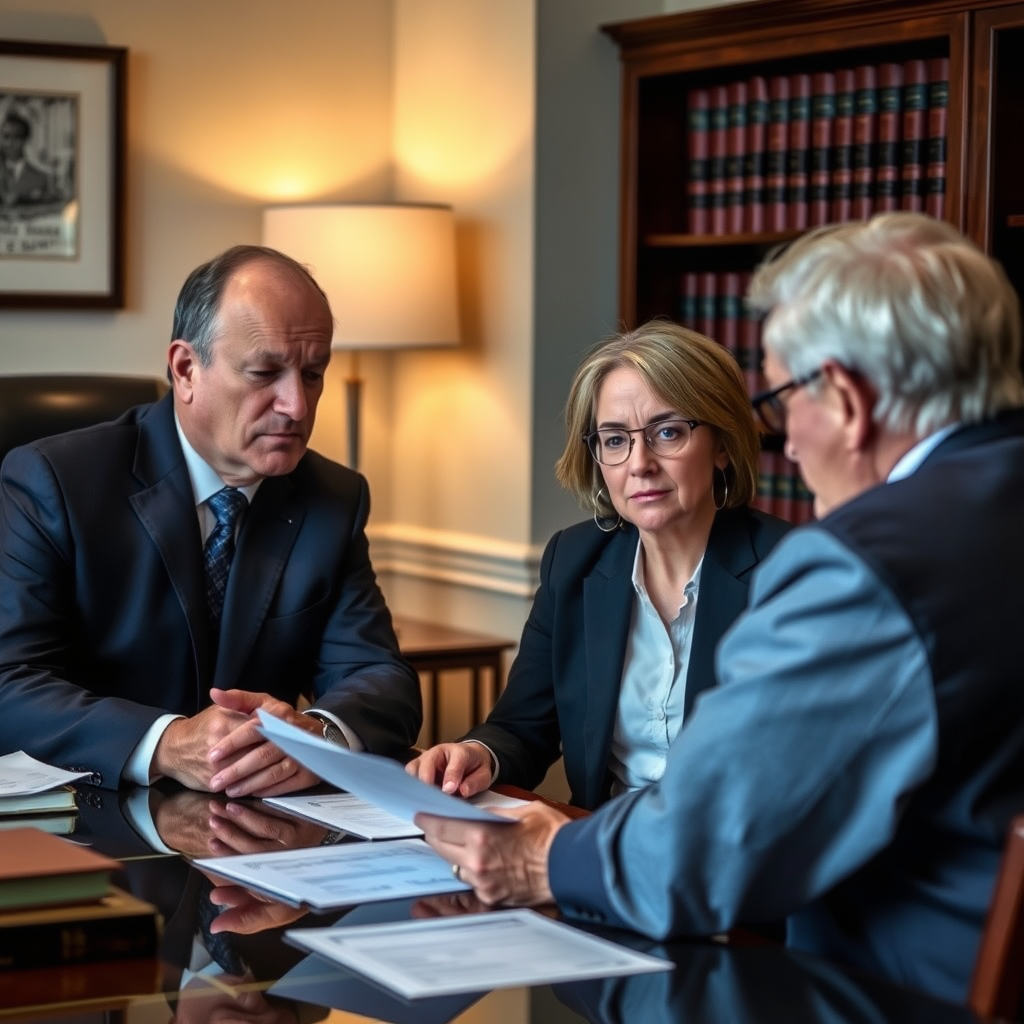
Divorce Attorney Floyd County, VA: Your Relatable Guide to Virginia Divorce Law
As of December 2025, the following information applies. In Virginia, divorce involves the legal dissolution of marriage, often covering property division, child custody arrangements, and financial support. It’s a process that can feel overwhelming, requiring a clear understanding of state laws and detailed procedures. The Law Offices Of SRIS, P.C. offers dedicated legal representation for these matters, aiming to support clients through this challenging life change with a clear path forward and a sense of reassurance.
Confirmed by Law Offices Of SRIS, P.C.
Going through a divorce in Floyd County, Virginia, can feel like you’re walking a tightrope without a net. It’s not just about ending a marriage; it’s about reshaping your entire future – your home, your finances, and most importantly, your relationship with your children. The emotional toll is immense, and then there’s the legal side, which can seem like a foreign language. You’re likely feeling anxious, maybe even a little lost, and wondering where to even begin. That’s perfectly normal, and it’s why understanding your options and having the right support is so important right now.
At Law Offices Of SRIS, P.C., we get it. We’ve seen firsthand the stress and uncertainty that divorce brings. Our approach isn’t just about the law; it’s about helping you find clarity and a path to hope during one of life’s toughest transitions. While our Richmond location serves clients throughout Virginia, including Floyd County, our focus remains on providing direct, empathetic counsel tailored to your specific situation. We’re here to explain the process in plain English, protect your interests, and work towards a resolution that lets you rebuild your life with confidence.
What is Divorce in Virginia?
In Virginia, divorce is the legal process that formally ends a marriage. It’s not just about getting a piece of paper; it involves a court order that addresses various aspects of your life, including how your property and debts will be divided, who gets custody of your children, how child support will be paid, and whether one spouse will provide financial support to the other (known as spousal support or alimony). Virginia law recognizes both ‘fault’ and ‘no-fault’ grounds for divorce, giving you different routes depending on your circumstances. Understanding these distinctions is foundational to making informed decisions about your future.
Takeaway Summary: Divorce in Virginia legally concludes your marriage, covering everything from assets to children, and knowing the state’s grounds for divorce is a key starting point. (Confirmed by Law Offices Of SRIS, P.C.)
It’s easy to feel like you’re drowning in legal jargon and emotional turmoil during a divorce. But let’s break it down into manageable steps. The more you understand the process, the less daunting it becomes. We believe in empowering our clients with knowledge, so you can make decisions that are right for you and your family. Let’s talk about how this all typically works in Virginia, particularly as it applies to residents of Floyd County.
How to Get a Divorce in Floyd County, VA: A Step-by-Step Approach
The path to divorce in Virginia follows a specific legal procedure. While every situation is unique, these are the general steps you can expect. Having a knowledgeable divorce attorney from Law Offices Of SRIS, P.C. by your side can make all the difference, helping you avoid missteps and advocating for your best interests throughout.
-
Determine Your Grounds for Divorce: Virginia recognizes both no-fault and fault-based divorces. For a no-fault divorce, you and your spouse must have lived separate and apart without cohabitation and without interruption for at least one year. If you have a signed separation agreement and no minor children, this period can be reduced to six months. Fault-based grounds include adultery, cruelty, desertion, or conviction of a felony with a sentence of one year or more. Choosing the right ground depends on your situation and can impact the timeline and detail of your case.
-
Meet Virginia’s Residency Requirements: To file for divorce in Virginia, one or both spouses must have been a resident and domiciliary of the Commonwealth for at least six months immediately preceding the filing of the complaint. This means establishing Virginia as your primary home with the intent to remain. For Floyd County residents, you’d file your case in the Circuit Court for Floyd County, assuming jurisdiction is proper there based on these residency rules.
-
File a Complaint for Divorce: The divorce process officially begins when one spouse (the plaintiff) files a formal document called a “Complaint for Divorce” with the appropriate Circuit Court. This document outlines the grounds for divorce, states the relief requested (like property division, custody, and support), and provides essential information about the marriage and children. It’s important this document is prepared accurately and completely.
-
Serve Your Spouse with the Complaint: After filing, your spouse (the defendant) must be legally notified of the divorce action. This is called “service of process.” It ensures they have due process and an opportunity to respond. Service is typically accomplished by a sheriff or a private process server. There are specific rules about how service must be performed, and getting this wrong can delay your case significantly.
-
Respond to the Complaint (if you are the Defendant): If you are the spouse who received the complaint, you have a limited time, usually 21 days, to file a formal response with the court. Your response, often called an “Answer” or “Answer and Cross-Complaint,” allows you to state your position on the divorce, respond to your spouse’s claims, and make your own requests to the court regarding property, support, and children. Don’t miss this deadline.
-
Engage in Discovery and Information Gathering: This phase involves exchanging financial documents, asset valuations, and other relevant information between spouses. It’s a thorough look at everything that could impact property division, spousal support, and child support. This can include bank statements, tax returns, pay stubs, retirement account statements, and property appraisals. Transparency is key here, and having an attorney helps ensure all necessary information is disclosed.
-
Negotiate a Settlement or Attend Mediation: Many divorces are resolved through negotiation and settlement agreements rather than contentious court battles. Mediation, where a neutral third party helps facilitate discussions, is often a valuable tool. A comprehensive settlement agreement can address all aspects of the divorce, providing a mutually agreeable framework for the future. If a full settlement isn’t possible, partial agreements can still narrow the issues for court.
-
Attend a Court Hearing or Trial: If you and your spouse can’t agree on all issues, your case may proceed to a contested hearing or trial. The court will hear evidence, testimony, and arguments from both sides on the unresolved matters. A judge will then make the final decisions regarding property, custody, and support. This can be a lengthy and emotionally draining process, underscoring the value of skillful representation.
-
Obtain a Final Decree of Divorce: Once all issues are resolved, either by agreement or court order, the judge will sign a Final Decree of Divorce. This is the official document that legally ends your marriage and outlines all the terms and conditions. Once signed, you are legally divorced. Make sure you understand every aspect of this decree, as it’s a legally binding order.
Every step in this process matters. It’s not just about ticking boxes; it’s about making sure your rights are protected and your voice is heard. Don’t try to navigate these waters alone if you feel overwhelmed. That’s what we’re here for.
Can I Protect My Assets and Future During a Divorce in Floyd County, VA?
It’s a very real fear, isn’t it? The thought of losing everything you’ve worked for, or facing an uncertain financial future after divorce. Many people in Floyd County facing divorce worry about how their assets will be divided, whether they’ll receive or pay spousal support, and how their children’s financial needs will be met. Rest assured, Virginia law has provisions designed to ensure a fair and equitable outcome. Protecting your assets and securing your future is a primary focus when managing your divorce case.
Blunt Truth: Virginia is an “equitable distribution” state, not a “community property” state. That means marital property isn’t automatically split 50/50. Instead, the court aims for a fair, though not necessarily equal, division. This is where seasoned legal representation makes a significant impact. We work tirelessly to identify all marital and separate assets, ensuring everything is properly valued and presented to the court in a way that supports your claims.
Understanding Property Division
In Virginia, property is categorized as either “marital” or “separate.” Marital property includes all property acquired by either spouse during the marriage, regardless of how it’s titled. Separate property is generally what you owned before the marriage, or received as a gift or inheritance during the marriage, and kept separate. We help you trace assets, distinguish between these categories, and argue for a distribution that reflects your contributions to the marriage and your future needs.
Consider the family home, retirement accounts, investments, businesses, and even significant debts. All of these need careful consideration. We’ll help you gather the necessary financial documentation and, when needed, work with financial experts to provide accurate valuations. Our aim is to ensure that you receive your fair share and that your financial stability post-divorce is as strong as possible.
Spousal Support (Alimony) in Virginia
Spousal support, often called alimony, is another major concern. It’s designed to provide financial assistance to a spouse who may be economically disadvantaged after a divorce. There’s no fixed formula for spousal support in Virginia; rather, the court considers a long list of factors, including the length of the marriage, the financial needs and resources of each spouse, their ages and health, and their contributions to the family. Whether you are seeking support or may be ordered to pay it, having a knowledgeable attorney to present your financial picture compellingly is essential. We will represent your case to ensure a just outcome, whether arguing for support or defending against an unreasonable claim.
Child Support and Custody
If you have children, their well-being is undoubtedly your top priority. Child custody and support arrangements are determined based on the “best interests of the child” standard in Virginia. This involves evaluating numerous factors to create a custody schedule that promotes stability and healthy relationships with both parents. Child support is generally calculated using state guidelines, factoring in parental incomes, health insurance costs, and childcare expenses. We work with families to establish fair and practical child support orders and custody arrangements that truly serve the children’s best interests while protecting parental rights. We understand the emotional weight of these decisions and provide empathetic guidance every step of the way.
Protecting your future means being proactive and having a robust legal strategy. It’s not about fighting for the sake of fighting; it’s about securing what you are entitled to and building a stable foundation for your new life. We’re here to help you understand what’s possible and how to pursue it effectively.
Why Hire Law Offices Of SRIS, P.C. as Your Divorce Attorney in Floyd County, VA?
When you’re facing something as significant as a divorce, you don’t just need someone who knows the law; you need someone who understands what you’re going through and is ready to stand by you. At Law Offices Of SRIS, P.C., we bring a blend of experience, direct communication, and a deep commitment to our clients that sets us apart. Mr. Sris himself founded this firm with a clear vision, and that vision continues to guide our practice today. We believe in providing clear, actionable advice, without the unnecessary legal fluff, so you always know where you stand.
Mr. Sris’s Insight: “My focus since founding the firm in 1997 has always been directed towards personally managing the most challenging and detailed criminal and family law matters our clients face.”
This insight isn’t just a statement; it’s the foundation of how we operate. Mr. Sris’s seasoned background, which spans decades, means you’re not just getting legal counsel; you’re getting a strategic ally who understands the intricacies of family law in Virginia. We pride ourselves on being knowledgeable and experienced, helping individuals like you in Floyd County navigate their divorce cases with confidence. We take on cases that truly matter to our clients, recognizing the profound impact they have on their lives. We listen, we strategize, and we vigorously represent your interests, aiming for the most favorable outcome possible.
Our Commitment to You
We know that during a divorce, you need more than just legal theories; you need practical solutions and a team that genuinely cares. Our firm is built on a foundation of empathy, integrity, and strong advocacy. We break down the legal process into understandable terms, explaining each step and helping you anticipate what comes next. You won’t be left in the dark wondering about your case’s progress. We believe in keeping you informed and involved, ensuring you feel empowered rather than overwhelmed.
Choosing Law Offices Of SRIS, P.C. means choosing a firm that’s dedicated to alleviating your burden. We manage all the legal filings, court appearances, and negotiations, allowing you to focus on your well-being and that of your family. Our goal is to achieve a resolution that provides stability and peace of mind, allowing you to move forward positively. Whether it’s negotiating a fair settlement or representing you vigorously in court, we are committed to achieving the best possible results under the circumstances.
When you’re searching for a divorce attorney or a divorce law firm in Floyd County, you want someone who is not only competent but also approachable and reassuring. That’s precisely the experience we strive to deliver. We are here to offer you a confidential case review, discuss your concerns, and outline a strategic plan. You don’t have to face this alone. Let us be your dedicated advocates during this pivotal time.
Law Offices Of SRIS, P.C. has a location in Richmond, Virginia, to serve clients throughout the Commonwealth, including Floyd County:
7400 Beaufont Springs Drive, Suite 300, Room 395, Richmond, VA, 23225
Phone: +1-804-201-9009
Call now to schedule your confidential case review and start building your brighter future.
Floyd County, VA Divorce: Frequently Asked Questions
What are the grounds for divorce in Virginia?
Virginia offers both no-fault and fault-based divorce grounds. No-fault requires a one-year separation (six months with a signed agreement and no minor children). Fault grounds include adultery, cruelty, or desertion. Your specific situation determines the most suitable ground for your divorce filing in Virginia.
How long does a divorce take in Floyd County, VA?
The duration of a divorce in Virginia varies significantly. An uncontested divorce with a signed agreement and no minor children might finalize in as little as six months. Contested cases involving disputes over property or children can take a year or more, depending on detail and court schedules.
Will I lose everything in a Virginia divorce?
No, Virginia is an equitable distribution state, meaning marital property is divided fairly, though not necessarily equally. The court considers many factors to achieve a just division of assets and debts. Your separate property, generally owned before marriage or acquired by gift/inheritance, is protected.
What is equitable distribution in Virginia?
Equitable distribution means Virginia courts divide marital property fairly between spouses, considering factors like contributions to the marriage, duration, and financial circumstances. This aims for a just outcome, which isn’t always a 50/50 split. Separate property is generally exempt from this division process.
How is child custody decided in Virginia?
Child custody in Virginia is determined based on the “best interests of the child.” Courts evaluate numerous factors, including the child’s needs, parental fitness, and relationship with each parent, to establish legal and physical custody arrangements that promote the child’s well-being and stability.
Do I need a lawyer for an uncontested divorce?
While not legally required, an attorney is highly recommended for an uncontested divorce. An experienced divorce attorney can ensure all legal documents are correctly drafted, protect your rights, and prevent future disputes by creating a comprehensive and legally sound settlement agreement.
Can I modify a divorce decree in Virginia?
Yes, certain aspects of a Virginia divorce decree, such as child custody, child support, and spousal support, can be modified if there’s been a material change in circumstances since the original order was entered. Property division is generally not modifiable after finalization.
What if my spouse lives outside Floyd County?
If your spouse lives outside Floyd County but within Virginia, you can generally still file in Floyd County if you meet residency requirements. If your spouse lives out of state, specific rules for service of process and jurisdiction apply. An attorney can help determine the proper venue and procedure.
Is spousal support always awarded in Virginia?
Spousal support is not automatically awarded in every Virginia divorce. The court considers a wide range of factors, including the financial needs and abilities of each spouse, their earning capacities, the marriage’s duration, and contributions to the family. It is awarded on a case-by-case basis.
What’s the difference between fault and no-fault divorce?
A no-fault divorce in Virginia requires a period of separation without cohabitation, typically one year. Fault-based divorces require proof of specific marital misconduct, such as adultery, cruelty, or desertion. Fault grounds can sometimes impact spousal support and property division, though it’s not guaranteed.
The Law Offices Of SRIS, P.C. has locations in Virginia in Fairfax, Loudoun, Arlington, Shenandoah and Richmond. In Maryland, our location is in Rockville. In New York, we have a location in Buffalo. In New Jersey, we have a location in Tinton Falls.
Past results do not predict future outcomes.