


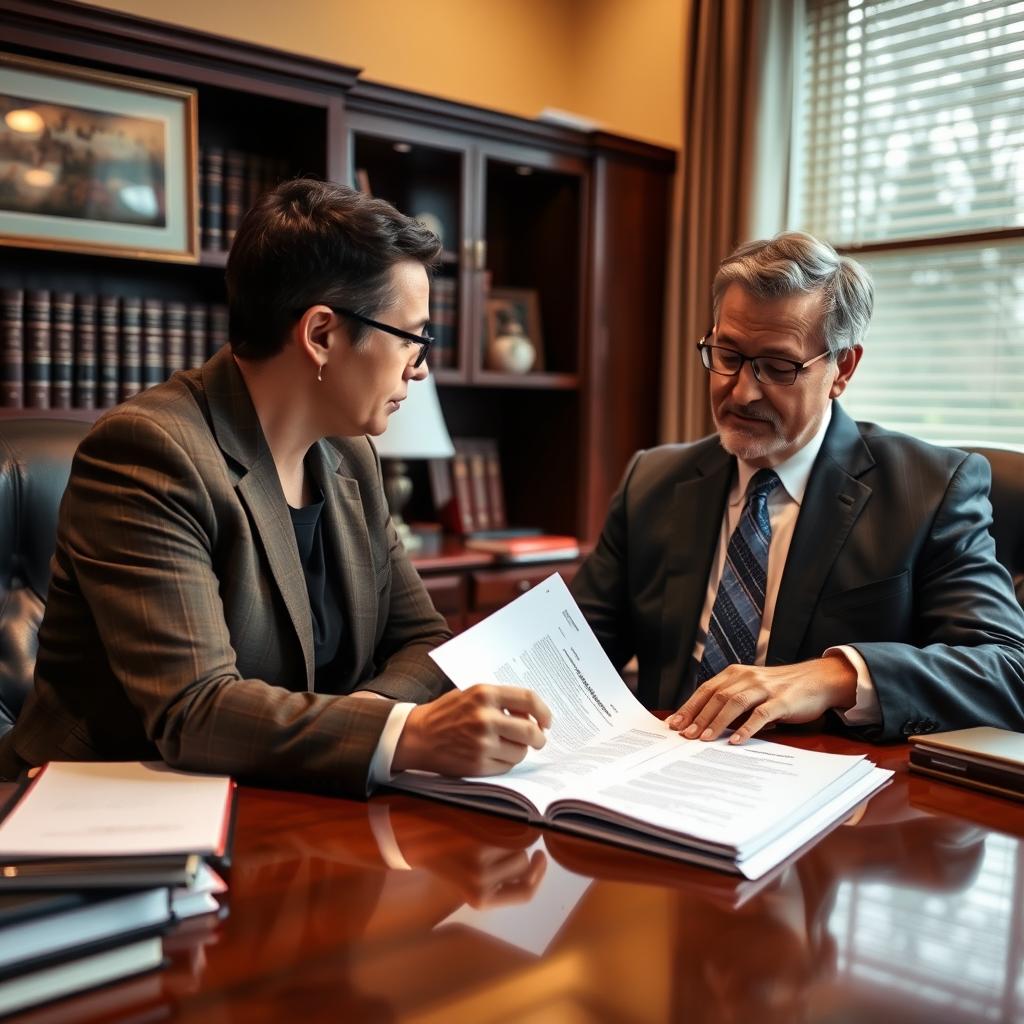
Grand Larceny Lawyer Roanoke County, VA
Grand larceny is a serious felony offense under Virginia law, and a conviction can have life‑changing consequences. In Roanoke County, these charges are prosecuted actively, and defendants face the risk of substantial prison time, a permanent criminal record, and collateral damage to employment, housing, and professional licenses. Law Offices Of SRIS, P.C., founded in 1997, provides knowledgeable defense representation for individuals accused of grand larceny throughout the Roanoke Valley. Mr. Sris, Owner and Founder of the firm, is a former prosecutor who understands how the Commonwealth builds theft cases. Together with his Of Counsel team, he brings decades of criminal-defense experience to the Roanoke County General District Court and the Roanoke County Circuit Court. If you or someone close to you has been charged with grand larceny—or is under investigation—contact us to request a consultation at (888) 437-7747. The firm serves clients in Salem, Vinton, Cave Spring, Hollins, Catawba, and the surrounding communities. Law Offices Of SRIS, P.C. — Advocacy Without Borders.
What Grand Larceny Means in Roanoke County
Under Virginia Code § 18.2-95, grand larceny occurs when a person steals property worth $1,000 or more, steals directly from another person regardless of the value, or steals a firearm. This is a felony offense, not a minor theft charge. The prosecution does not need to prove that you personally benefited; it must show you took or carried away property with the intent to permanently deprive the owner of it. A conviction can result in a prison sentence ranging from one to twenty years, or, at the discretion of the jury, up to twelve months in jail and a fine. The value of the property is a central element of the charge, and disputes over valuation often play a key role in the defense.
All grand larceny cases in Roanoke County begin in the General District Court, located at 305 East Main Street, Salem, Virginia, where a preliminary hearing is held. At that hearing, the judge determines whether there is probable cause to send the case to the Circuit Court for felony prosecution. If the case is certified, it moves to the Roanoke County Circuit Court for trial by judge or jury. The Commonwealth’s Attorney for Roanoke County prosecutes these cases, and defendants are entitled to counsel at every stage. Because grand larceny is a felony, it carries the potential for severe penalties and requires a careful, strategic defense from the outset. Early preparation—including evidence review, witness interviews, and an assessment of the Commonwealth’s valuation evidence—can help shape the outcome before any formal plea is entered.
How Mr. Sris and His Of Counsel Handle Grand Larceny Cases
When a person faces a grand larceny charge in Roanoke County, the defense team at Law Offices Of SRIS, P.C. begins by analyzing every aspect of the Commonwealth’s case. This includes scrutinizing the alleged property value, ownership records, surveillance footage, and any statements made by witnesses or law enforcement. Mr. Sris and his Of Counsel look for weaknesses in the prosecution’s evidence—for example, whether the property was actually worth $1,000 or more, whether the defendant had a claim of right, or whether law enforcement followed proper procedure during the investigation. The goal is to identify the strong $1, which may involve challenging the valuation, raising a lack‑of‑intent defense, or demonstrating that the property was taken under a good‑faith belief of ownership.
Virginia law permits plea negotiations under Rule 3A:8 of the Rules of the Supreme Court of Virginia. Mr. Sris and his Of Counsel routinely engage with the Commonwealth’s Attorney’s office to discuss whether a grand larceny charge can be reduced to a misdemeanor petit larceny, amended to a lesser offense, or resolved through a deferred disposition if the circumstances warrant it. If a favorable resolution cannot be reached, the team is prepared to take the case to trial and present a thorough defense before a judge or jury. Throughout the process, clients receive honest assessments and clear guidance, and every decision about the direction of the case is made collaboratively. The firm works to protect clients’ rights and pursue the most favorable outcome achievable under the facts.
About Mr. Sris and His Of Counsel Team
Mr. Sris, Owner and Founder of Law Offices Of SRIS, P.C., has practiced law since 1997. A former prosecutor, he draws on his firsthand insight into the Commonwealth’s charging and trial strategies to build effective defenses for individuals accused of theft‑related offenses. He is admitted to practice in Virginia, Maryland, the District of Columbia, New Jersey, and New York. Mr. Sris testified before the Virginia House Courts of Justice Committee in support of 2019 HB 635 (chief patron Del. David Bulova). His Of Counsel team further strengthens the firm’s grand larceny practice. The Of Counsel include a former Virginia State Trooper who brings an extensive understanding of police investigations, evidence handling, and enforcement tactics—knowledge that is particularly useful in cases where the value of the property or the chain of custody is in dispute.
Mr. Sris and his Of Counsel bring over 120 years of combined legal experience with 4,739+ documented firm-wide results. Results may vary. The team serves Roanoke County and the surrounding communities from the firm’s Shenandoah location at 505 N Main St, Suite 103, Woodstock, Virginia. All consultations are by appointment; call (888) 437-7747 to schedule.
Frequently Asked Questions
What is grand larceny in Virginia?
Grand larceny is a felony theft offense defined in Virginia Code § 18.2-95. It applies when a person steals property worth $1,000 or more, steals directly from another person regardless of the value of the item taken, or steals any firearm. The offense is more serious than petit larceny (misdemeanor theft under $1,000) and carries the potential for years of incarceration. The Commonwealth must prove both the taking of property and the intent to permanently deprive the owner of it. The value of the property is an essential element, and the prosecution typically relies on receipts, appraisals, or witness testimony to meet the $1,000 threshold. If you are facing a grand larceny charge, obtaining experienced legal representation at the earliest stage can help protect your rights and develop a defense strategy.
What are the penalties for grand larceny in Roanoke County?
Virginia law classifies grand larceny as a felony punishable by imprisonment for a term of one to twenty years, or, at the discretion of a jury, up to twelve months in jail and a fine. The sentence imposed depends on the facts of the case, the value of the property, the defendant’s criminal history, and the presence of any aggravating factors. In addition to incarceration, a conviction results in a permanent felony record, which can impair employment opportunities, housing applications, and eligibility for certain professional licenses. The trial court also has the authority to order restitution to the alleged victim. Because penalties are severe, defendants benefit from counsel who can challenge the valuation evidence, negotiate with the prosecution, and present mitigating factors during sentencing. For a consultation, reach Mr. Sris and his Of Counsel at (888) 437-7747.
What should I do if I’m charged with grand larceny?
If you have been charged with grand larceny in Roanoke County, it is important to act quickly. First, exercise your right to remain silent and do not discuss the allegations with law enforcement or anyone else except your attorney. Anything you say can be used against you. Second, contact a qualified criminal defense attorney as soon as possible. An attorney can evaluate the evidence, advise you of your options, and begin building a defense before your preliminary hearing in the General District Court. Prompt legal guidance can help preserve evidence, identify witnesses, and potentially influence charging decisions by the Commonwealth’s Attorney. Avoid posting about the case on social media or discussing it with co-workers or friends. To discuss the details of your matter, contact Law Offices Of SRIS, P.C. at (888) 437-7747.
How does an attorney defend against grand larceny charges?
Defense strategies in grand larceny cases often focus on the value of the property, the identity of the person who took it, and the intent of the accused. If the property was worth less than $1,000, the charge may be reduced to misdemeanor petit larceny. Ownership disputes—for instance, where the defendant had a good‑faith belief they were entitled to the property—may negate the intent element. A defense may also challenge the chain of custody of evidence, highlight procedural errors by law enforcement, or demonstrate that the prosecution’s witnesses are unreliable. In some situations, an attorney can negotiate a plea to a reduced charge or seek a deferred disposition through the Commonwealth’s Attorney’s office. Each case is unique, and an effective defense requires a thorough investigation and a strategic approach tailored to the specific facts.
Can grand larceny charges be reduced to a misdemeanor?
Yes, under certain circumstances a grand larceny charge can be reduced to a lesser offense. The most common reduction is to petit larceny (Va. Code § 18.2-96), a Class 1 misdemeanor that carries a maximum penalty of twelve months in jail and a fine. Reductions may occur when the evidence of value is weak, when the defendant has no prior criminal record, or when the facts suggest the offense is better categorized as a minor theft. Plea negotiations under Virginia Supreme Court Rule 3A:8 are the primary mechanism for seeking such a reduction. The Commonwealth’s Attorney retains discretion to amend charges, and an experienced attorney can present mitigating information that supports a reduction. A misdemeanor conviction avoids many of the long‑term consequences of a felony record, making it a worthwhile objective in many grand larceny cases.
How does the court process work in Roanoke County?
Grand larceny cases in Roanoke County begin with an arrest or summons and an initial appearance before a magistrate. The first substantive court date is a preliminary hearing in the Roanoke County General District Court, where the judge decides whether there is probable cause to certify the case to the Circuit Court. If the case is certified, it proceeds to the Roanoke County Circuit Court for formal arraignment, pretrial motions, and trial by judge or jury. At trial, the Commonwealth must prove each element of the offense beyond a reasonable doubt. The defendant has the right to cross‑examine witnesses, present evidence, and testify if they choose. Throughout the process, deadlines and procedural rules apply. Consulting with an attorney early helps ensure that you understand each step and that your rights are asserted in a timely manner. For guidance on your specific situation, reach Law Offices Of SRIS, P.C. at (888) 437-7747.
Attorney advertising. Prior results do not guarantee a similar outcome. Results may vary.
Case results depend on a variety of factors unique to each case.