


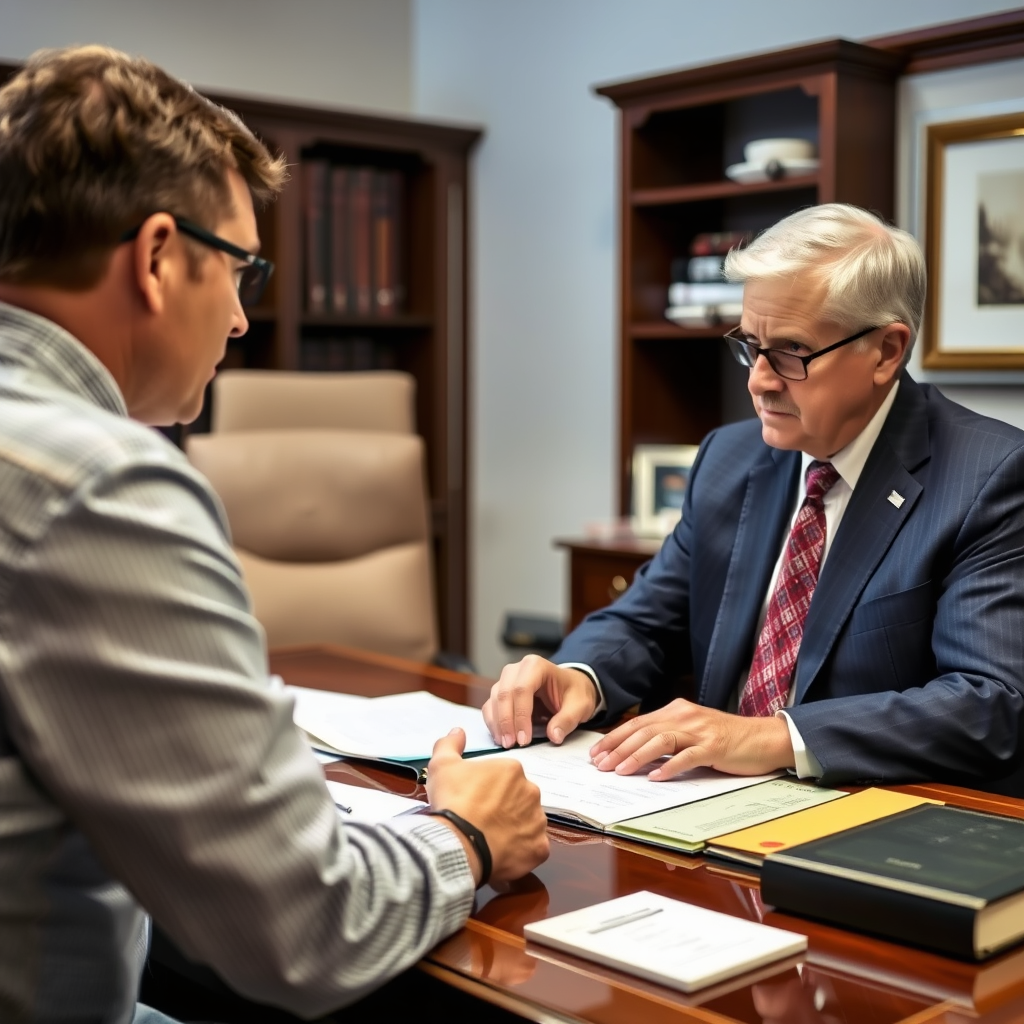
Grandparent Custody Lawyer Alleghany County, VA
As of December 2025, the following information applies.
Understanding grandparent custody in Alleghany County, VA, can feel overwhelming. Many grandparents step up when their grandchildren need them most, facing a legal system that often prioritizes biological parents. At Law Offices Of SRIS, P.C., we get it. We’re here to help you understand your rights and the path forward, offering a clear, direct approach to these sensitive family matters. Securing custody for your grandchildren is about protecting their future, and we’re here to provide the support and legal guidance you need every step of the way.
Grandparent Custody Rights in Virginia: What You Need to Know in Alleghany County
It’s a tough situation when grandparents find themselves needing to step into a custodial role. You might be watching your grandchildren suffer, or you might already be their primary caregiver, and you need that arrangement legally recognized. In Virginia, including right here in Alleghany County, the law provides avenues for grandparents to seek custody, but it’s not always a straightforward path. The court’s main focus is always the child’s best interests, and demonstrating that can take careful legal strategy.
The Legal Standard: Best Interests of the Child
Virginia Code § 20-124.3 lays out the factors courts consider when determining the best interests of a child. This isn’t just a simple checklist; it’s a comprehensive look at the child’s well-being. Factors include the age and physical and mental condition of the child, the age and physical and mental condition of each parent, the relationship existing between each parent and each child, the needs of the child, and the role each parent has played and will play in the future in the upbringing and care of the child. When a grandparent seeks custody, the court also considers the same factors, but with an added layer of scrutiny. The court wants to ensure that placing a child with a grandparent truly serves their best interests over the biological parents, even if those parents are struggling.
Blunt Truth: The legal system generally presumes that it’s in a child’s best interest to be with their biological parents. To overcome that presumption, you have to show the court that the biological parents are unfit, have abandoned the child, or that special facts and circumstances exist that would make it detrimental for the child to remain with or return to their parents.
Understanding “Third Party” Custody
As a grandparent, you fall under the category of a “third party” when seeking custody, meaning you are not the biological parent. This distinction is significant because the legal bar is higher for third parties. You can’t just argue that you’d be a “better” parent; you must demonstrate that the biological parents are actively harming the child, are incapable of providing proper care, or have willingly given up their parental responsibilities. This often involves proving things like neglect, abuse, severe instability, or a long-standing de facto custodial relationship where the parents have been absent.
For example, if you’ve been raising your grandchild for years because the parents are incarcerated, battling addiction, or have simply disappeared, you have a strong argument. If you’re concerned about a parent’s recent behavior but they are still actively involved, the legal challenge becomes more intense. That’s why having seasoned legal representation is so important – we help you gather and present the compelling evidence needed to meet this high standard.
Grounds for Seeking Grandparent Custody in Alleghany County
What specifically might allow a grandparent to get custody? In Virginia, grounds typically involve proving the biological parents are unfit. This can include:
- Unsuitability: A parent may be deemed unsuitable due to issues like chronic drug or alcohol abuse, severe mental health problems that impair their ability to parent, or a history of domestic violence. These are serious allegations that require clear evidence.
- Abandonment: If a parent has willfully forsaken their parental responsibilities for an extended period, the court may view this as abandonment. What constitutes “abandonment” can vary, but generally means a lack of contact, support, and care without reasonable justification.
- Neglect or Abuse: Direct evidence of physical, emotional, or sexual abuse, or severe neglect, will heavily influence a court’s decision. This might involve reports from Child Protective Services (CPS) or other documented incidents.
- Agreement: Sometimes, parents will agree to allow a grandparent to have custody, often through a formal agreement that the court then ratifies. This is the least contentious route but still requires legal processing to be binding.
- Special Facts and Circumstances: This is a broader category that allows courts to consider unique situations where it would be clearly detrimental for a child to remain with their parents. This could include a long-term de facto custody arrangement with the grandparents where changing it would be highly disruptive and harmful to the child’s stability and development.
Each of these grounds requires solid evidence. It’s not enough to simply state a concern; you have to prove it. This might involve collecting medical records, police reports, school records, testimony from teachers or social workers, and detailed accounts of the child’s living situation. An attorney at Law Offices Of SRIS, P.C. can help you understand what kind of evidence you’ll need and how to properly present it in an Alleghany County courtroom.
The Alleghany County Court Process
Navigating the Alleghany County Juvenile and Domestic Relations District Court can be daunting for grandparents. The process typically starts by filing a petition for custody. After that, there will be a series of hearings. You might go through mediation first, where an impartial third party helps families try to reach an agreement without a judge’s intervention. If mediation isn’t successful, your case will proceed to trial. During the trial, both sides will present evidence and call witnesses. The judge will listen to all the information, consider the legal standards, and make a decision based on the child’s best interests.
It’s important to prepare for these proceedings thoroughly. This includes organizing all your documentation, understanding what questions you might be asked, and being ready to articulate why you are the best option for your grandchild. Having a lawyer from Law Offices Of SRIS, P.C. by your side means you have someone who understands these court procedures, can advocate for you, and ensure your case is presented as strongly as possible.
The Emotional Toll and the Importance of Legal Counsel
Let’s be real, pursuing grandparent custody isn’t just a legal battle; it’s an emotional one. You’re fighting for someone you love deeply, often against your own child. This can strain family relationships and take a significant toll on everyone involved. The court understands the emotional weight of these cases, but their decision is based on legal facts and the child’s best interests, not just your feelings.
That’s where empathetic and direct legal counsel becomes invaluable. We can shield you from some of the procedural stresses and emotional manipulation that sometimes occur in these cases. We provide a clear-eyed assessment of your situation, help you manage expectations, and focus on building the strongest legal argument possible while you focus on your grandchild’s well-being. Law Offices Of SRIS, P.C. is here to offer that steady guidance, providing clarity and hope during what can feel like a very dark time.
The journey to securing grandparent custody, particularly in Alleghany County, Virginia, requires not only a profound understanding of legal intricacies but also a deep commitment to the welfare of the child. It is a process that can be lengthy, emotionally taxing, and complex, demanding a strategic approach at every turn. Many grandparents are unaware of the specific legal hurdles they face, assuming that their good intentions and love for their grandchildren will be enough. Unfortunately, the law requires more than just good intentions; it demands clear, compelling evidence that the biological parents are truly unfit or that exceptional circumstances necessitate a change in custody. This is why having a knowledgeable legal team is not just beneficial, but often essential for a successful outcome. We help you articulate your case in a way that resonates with the court, ensuring every detail is presented to support your petition for custody.
Think about the long-term implications. If you secure custody, you’ll be making decisions about your grandchild’s education, healthcare, and general upbringing. Having a court order formalizing your role provides stability and legal authority, preventing future disputes or challenges from biological parents who may later decide to re-enter the picture. This legal framework protects both you and your grandchild, giving them the secure environment they need to thrive. Without it, you might find yourself in a perpetual state of uncertainty, always worried about what might happen next. Our team is committed to helping you establish this necessary stability for your family, safeguarding your grandchild’s future and providing you with the peace of mind you deserve.
How To Seek Grandparent Custody in Alleghany County, VA
Seeking custody as a grandparent in Alleghany County, Virginia, is a serious legal undertaking that requires careful planning and execution. Here’s a basic roadmap of how to approach it:
-
Assess Your Grounds for Custody:
Before doing anything else, you need to honestly evaluate your situation against Virginia’s legal standards. Do you have clear evidence that the biological parents are unfit? Is there a history of neglect, abuse, or abandonment? Have you been the primary caregiver for a significant period? Think about documented incidents, witness testimonies, and any official reports. This initial assessment will help determine the strength of your case and guide your next steps. Without strong grounds, the court will likely uphold the rights of the biological parents. Consider whether you have evidence such as police reports, CPS findings, medical records indicating neglect, or school records showing parental disengagement. Gather any communications with the parents that demonstrate their inability or unwillingness to care for the child. This foundational step is critical because it sets the stage for the entire legal process. A robust assessment prevents wasted time and resources on a case that may not meet the legal threshold for third-party custody in Virginia.
-
Gather All Relevant Documentation:
Start compiling every piece of paper that could support your claim. This includes birth certificates, school records, medical records, police reports, Child Protective Services (CPS) records, text messages, emails, and any other communication or document that demonstrates the parents’ inability to care for the child or your role as a consistent caregiver. The more organized and thorough your documentation, the better. Photos or videos can also serve as powerful evidence. Keep a detailed log of dates, times, and specific incidents. This evidence helps build a concrete narrative for the court, moving beyond mere allegations to presented facts. It’s also wise to organize these documents chronologically or by category to make them easily accessible and understandable for your legal counsel and, eventually, the court. This meticulous preparation streamlines the legal process and enhances the credibility of your claims.
-
Consult with a Seasoned Attorney:
This isn’t a DIY project. The legal requirements for grandparent custody are stringent. You need a seasoned legal professional who understands Virginia family law and specifically the nuances of third-party custody cases in Alleghany County. A lawyer can help you understand your rights, evaluate your evidence, and build a strong legal strategy. Law Offices Of SRIS, P.C. can offer a confidential case review to discuss your options and determine the best course of action. They can advise you on the likelihood of success, identify any gaps in your evidence, and prepare you for the emotional and legal challenges ahead. This initial consultation is vital for setting realistic expectations and developing a sound legal strategy tailored to your unique circumstances, ensuring you don’t proceed blindly into complex legal territory.
-
File a Petition for Custody:
Once you’ve consulted with your attorney and decided to move forward, your lawyer will help you prepare and file a formal Petition for Custody with the Alleghany County Juvenile and Domestic Relations District Court. This document officially initiates the legal process. It will outline your request for custody and the grounds upon which you are making that request. This petition must be drafted carefully, adhering to all legal formatting and content requirements, as it serves as the foundation of your legal argument. Errors or omissions in this document can lead to delays or even the dismissal of your case. Your attorney will ensure that the petition is comprehensive, accurate, and strategically aligns with your overall legal objectives, effectively presenting your case to the court from the very beginning.
-
Serve the Biological Parents:
After the petition is filed, the biological parents must be formally notified of your legal action. This is called “service of process.” It ensures they are aware of the court case and have an opportunity to respond. Proper service is a legal requirement, and if it’s not done correctly, your case can’t move forward. Your attorney will handle this step, ensuring that all legal protocols are followed. This might involve a sheriff’s deputy or a private process server delivering the documents. It’s a crucial procedural step to uphold due process rights and ensure all parties have proper notice, preventing future challenges based on lack of notification. Ensuring proper service avoids procedural pitfalls and keeps your case on track.
-
Attend Court Hearings and Mediation:
You will likely have several court appearances, starting with an initial hearing. In many custody cases, the court will first order mediation, where you and the parents (and their attorneys) will meet with a neutral mediator to try and reach an agreement outside of court. If mediation is unsuccessful, your case will proceed to contested hearings or a trial. During these proceedings, you will present your evidence, and your attorney will advocate on your behalf. Preparing for these sessions includes understanding court etiquette, being ready to answer questions, and reviewing all evidence. Your legal counsel will prepare you thoroughly for each phase, ensuring you feel confident and ready to present your case. This includes practicing your testimony and understanding potential cross-examination questions, which can significantly impact the court’s perception of your credibility and the strength of your case.
-
Prepare for Trial (If Necessary):
If mediation fails, your case will proceed to trial. This is where both sides present their full case, call witnesses, and cross-examine the other party’s witnesses. Your attorney will guide you through this intensive phase, helping you prepare your testimony and gathering all necessary witnesses and exhibits. The trial phase requires meticulous preparation, as it is your primary opportunity to present a comprehensive argument to the judge. This includes preparing opening and closing statements, outlining direct and cross-examination questions, and organizing exhibits effectively. The goal is to build a compelling narrative that clearly demonstrates why granting you custody is in the child’s best interests, leaving no stone unturned in presenting a robust and persuasive argument to the court.
-
Follow the Court Order:
If the court grants you custody, you will receive a formal court order outlining the terms. It is absolutely essential to follow this order precisely. If there are any visitation arrangements for the biological parents, or other specific directives, you must adhere to them unless a new court order modifies them. Non-compliance can lead to serious legal consequences, including losing custody yourself. Understanding every detail of the order and seeking clarification from your attorney if anything is unclear is paramount. This ensures legal compliance and prevents any grounds for the biological parents to challenge your custody in the future. The court order is a legally binding document, and adherence to its terms is not optional, it is a requirement for maintaining legal custody.
Can I Get Grandparent Custody Even If the Parents Aren’t “Bad” in Alleghany County?
This is a fear-based question many grandparents grapple with. It’s understandable. You might love your grandchild fiercely and believe you can offer a more stable, loving environment, but you don’t necessarily want to demonize your own child or their co-parent. The blunt answer in Virginia is: it’s incredibly challenging if the parents aren’t legally deemed “unfit” or if there aren’t “special facts and circumstances” that make it detrimental for the child to be with them. The law strongly favors biological parents.
Virginia courts operate under a strong presumption that a child’s best interests are served by being raised by their biological parents. To overcome this presumption as a grandparent, you must demonstrate more than just being a “better” caregiver. You have to prove that the parents are unfit, have abandoned the child, or that special facts and circumstances exist that would make it detrimental to the child’s well-being to remain with or return to the parents. This isn’t about whether you have a bigger house or more money; it’s about whether the parents are fundamentally failing in their parental duties to the point of harm or neglect.
For example, if the parents are struggling financially but are still providing a safe, loving home and actively engaged in their child’s life, even if you could offer more, it’s unlikely a court would grant you custody. The standard is not “optimal” parenting, but “minimum adequate” parenting. You would need to show a significant deficiency in the parents’ ability to provide basic care, safety, and emotional support. This could involve issues like chronic instability, unsafe living conditions, severe emotional neglect, or a consistent pattern of putting the child in harm’s way.
However, “special facts and circumstances” can be a powerful argument. This often comes into play when a grandparent has already been acting as the primary caregiver for a substantial period of time, essentially becoming a de facto parent. If removing the child from your care would cause significant emotional or developmental harm, a court might consider granting you custody, even if the biological parents aren’t demonstrably “unfit” in the most extreme sense. The disruption to the child’s established routine, relationships, and sense of security can be a compelling factor. This requires showing the court a deeply embedded bond and the negative impact a change would have on the child. Every case is unique, and the specifics of your relationship with your grandchild and the current parental situation will heavily influence the outcome. This is why a confidential case review with an attorney at Law Offices Of SRIS, P.C. is vital to understand the viability of your specific claim and to explore whether your circumstances meet the stringent legal thresholds. We can help you assess whether your situation qualifies under these specific legal interpretations and what evidence would be most effective in presenting your argument to the court.
Why Hire Law Offices Of SRIS, P.C. for Grandparent Custody in Alleghany County?
When you’re facing something as personal and profound as seeking custody of your grandchildren, you need more than just a lawyer; you need a dedicated advocate who understands the stakes. At Law Offices Of SRIS, P.C., we bring a blend of empathetic understanding and direct legal action to every grandparent custody case in Alleghany County, VA.
We know this isn’t just a legal filing; it’s a fight for a child’s future. Our approach is rooted in clear communication and a relentless pursuit of your grandchildren’s best interests. We won’t sugarcoat the challenges, but we will provide a clear strategy to help you navigate them. We focus on building a strong, evidence-based case that meets the high legal bar Virginia sets for third-party custody, including grandparent custody. We understand the specific concerns and procedural requirements of the Alleghany County courts, ensuring your case is handled with precision and care.
Mr. Sris, our founder and principal attorney, brings decades of experience to the table. His insight is invaluable in complex family law matters like grandparent custody. As Mr. Sris himself puts it, “My focus since founding the firm in 1997 has always been directed towards personally handling the most challenging and complex criminal and family law matters our clients face.” This dedication to challenging cases means we’re prepared for whatever your grandparent custody situation might throw at us. We are not afraid to tackle difficult scenarios and leverage our experience to your advantage. Our team understands that these cases are often fraught with emotional tension and intricate family dynamics, requiring not just legal acumen but also a sensitive, yet firm, approach to achieve the best possible outcome for the children involved. We pride ourselves on meticulously analyzing every detail of your case, identifying strengths, and proactively addressing potential weaknesses, thereby crafting a robust legal strategy that stands up to scrutiny in court. This comprehensive preparation ensures that when you step into the courtroom, you do so with confidence, knowing that every aspect of your case has been thoroughly considered and strategically positioned for success. We are committed to providing you with the peace of mind that comes from having seasoned counsel on your side, passionately advocating for your family’s future.
Law Offices Of SRIS, P.C. has locations in Woodstock, VA, which serves Alleghany County. Our address is 505 N Main St, Suite 103, Woodstock, VA, 22664, US. You can reach us at +1-888-437-7747. We offer confidential case reviews to help you understand your options and develop a tailored strategy for your grandparent custody case. Our convenient location makes it easier for residents of Alleghany County and surrounding areas to access our legal services. We believe that geographical proximity should not be a barrier to obtaining high-quality legal representation, especially in emotionally charged custody matters. Our team is readily available to meet with you, discuss the specifics of your case, and outline a clear path forward. We strive to create an accessible and supportive environment where you feel heard and understood, ensuring that your legal journey is as smooth and stress-free as possible. Choosing Law Offices Of SRIS, P.C. means choosing a firm that is deeply invested in the well-being of your family and committed to achieving the most favorable outcome for your grandchildren.
When you choose us, you’re not just getting legal representation; you’re getting a team that genuinely cares about your family and understands the profound importance of what you’re trying to achieve. We provide clear, honest advice, helping you set realistic expectations while working tirelessly to exceed them. Our goal is to ensure your grandchildren have the safe, stable, and loving environment they deserve, and we’re here to fight for that alongside you every step of the way. We recognize the profound responsibility that comes with representing grandparents in custody battles, and we approach each case with the seriousness and dedication it demands. Our commitment extends beyond the courtroom; we are here to offer ongoing support and guidance, ensuring that once custody is secured, you have the resources and information you need to thrive. Trust Law Offices Of SRIS, P.C. to be your steadfast advocate in Alleghany County, making a tangible difference in the lives of your grandchildren.
Frequently Asked Questions About Grandparent Custody in Alleghany County, VA
Here are answers to common questions grandparents have about custody:
- What is the legal difference between custody and visitation for grandparents?
- Custody grants you legal authority to make major decisions for the child. Visitation allows scheduled time with the child but no decision-making power. The legal bar is significantly higher for custody than for visitation rights.
- Do I need a lawyer for grandparent custody?
- While not legally required, securing a seasoned lawyer is highly recommended. Grandparent custody cases are complex, with a high legal bar to overcome. An attorney dramatically increases your chances of success.
- How long does a grandparent custody case take in Alleghany County?
- The timeline varies greatly, from a few months if an agreement is reached quickly, to over a year if the case goes to trial. It depends on the case’s complexity and court schedules.
- Can I get emergency grandparent custody?
- Yes, in situations where a child is in immediate danger of abuse, neglect, or abandonment, you can petition for an emergency protective order and temporary custody. Strong evidence of immediate harm is required.
- What if the parents agree to grandparent custody?
- If parents agree, the process is simpler. Your attorney can draft a consent order for the court’s approval, making the agreement legally binding. This is often the quickest path to securing custody.
- Will my grandchild have to testify in court?
- It’s rare for young children to testify directly. The court may interview older children privately in chambers or appoint a Guardian ad Litem to represent the child’s best interests and report findings.
- Can I get financial support (child support) from the parents?
- Yes, if you are granted legal custody, you can petition the court for child support from the biological parents. The amount will be determined based on Virginia’s child support guidelines.
- What if the parents try to regain custody later?
- If you have a custody order, parents must show a significant change in circumstances and that it’s in the child’s best interest to return to them. This is another high legal bar for them to meet.
- What are “special facts and circumstances” in Virginia grandparent custody?
- This refers to unique situations, like a long-term de facto custodial relationship with grandparents, where disrupting the child’s stable environment would be detrimental to their emotional and physical well-being.
- Are there resources available for grandparents seeking custody?
- Beyond legal counsel, local social services, kinship care programs, and grandparent support groups can offer assistance and information. Your attorney can provide referrals to relevant community resources.