


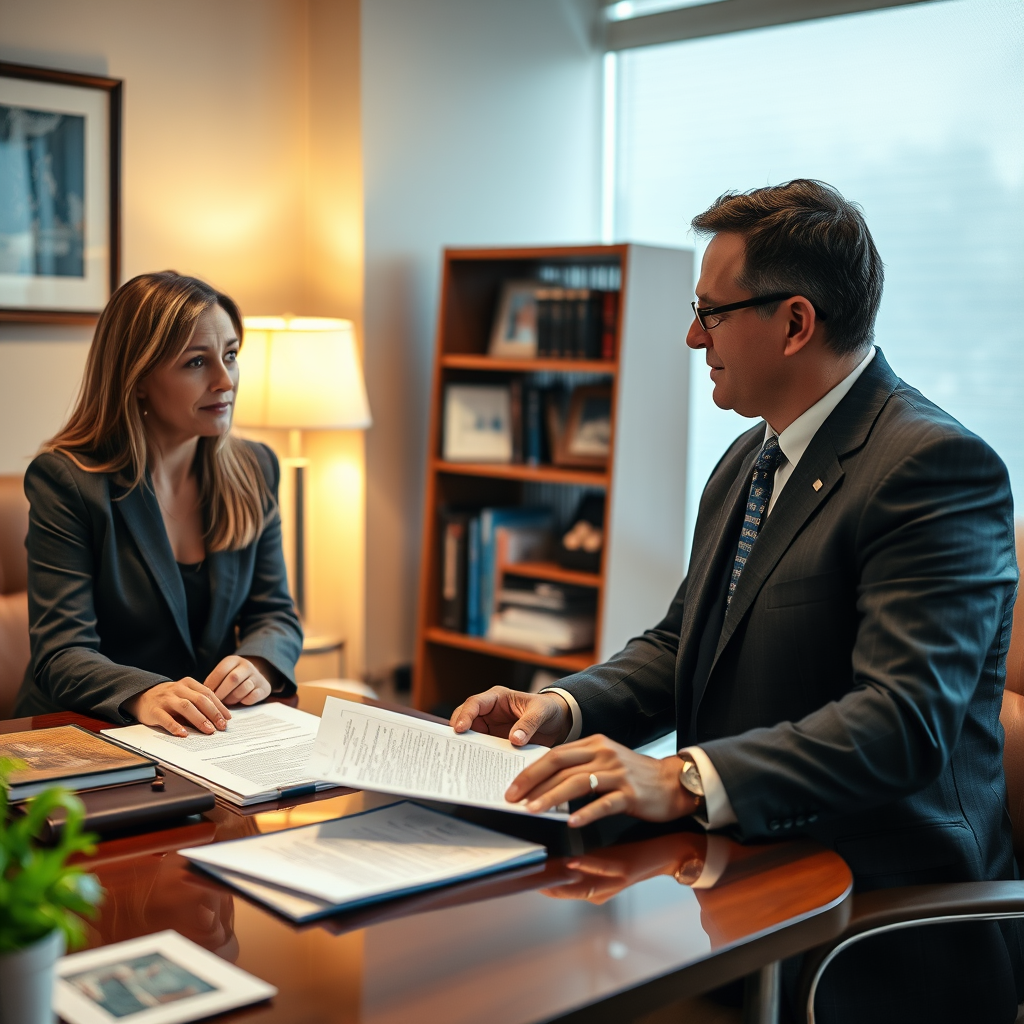
Virginia Immigration Lawyer & Attorney Near Me: Protecting Your Future with Law Offices Of SRIS, P.C.
As of December 2025, the following information applies. In Virginia, immigration law involves a detailed array of federal regulations governing visas, green cards, naturalization, and deportation defense. Securing competent legal counsel is vital for individuals and families facing these significant challenges. The Law Offices Of SRIS, P.C. provides dedicated legal representation for these matters, helping you understand your rights and options.
Confirmed by Law Offices Of SRIS, P.C.
What is Immigration Law in Virginia?
Immigration law in Virginia, while rooted in federal statutes, deeply impacts individuals and families living and working throughout the Commonwealth. It’s the framework that determines who can enter the United States, how long they can stay, and their rights and responsibilities while here. This includes everything from a student applying for a visa to an individual seeking asylum, or a long-term resident pursuing U.S. citizenship. Because these laws are federal, they apply across all states, but their enforcement and the local resources available can vary. In Virginia, our diverse communities often face a wide spectrum of immigration concerns, making access to knowledgeable legal representation essential. It’s not just about paperwork; it’s about navigating life-altering decisions and upholding fundamental human rights.
Think of immigration law like a complex roadmap. There are many different routes to take, various rules for each path, and unexpected detours can always pop up. Without a seasoned guide, it’s easy to get lost or take a wrong turn that could have serious consequences. Whether you’re trying to reunite with family, start a new career, escape persecution, or avoid being forced to leave the country you call home, understanding this roadmap is paramount. Law Offices Of SRIS, P.C. offers a steady hand to help Virginians through these intricate legal journeys, ensuring their rights are protected every step of the way.
Blunt Truth: Immigration law isn’t just about forms; it’s about people’s lives, their hopes, and their futures. The outcomes can dramatically change everything, making careful and considerate legal counsel absolutely necessary.
Takeaway Summary: Immigration law in Virginia covers various federal regulations impacting individuals’ rights to live, work, and stay, making experienced legal guidance indispensable. (Confirmed by Law Offices Of SRIS, P.C.)
How to Address Common Immigration Challenges in Virginia?
Facing immigration challenges in Virginia can feel overwhelming, like trying to solve a puzzle with missing pieces. You’re not alone in feeling this way. Many people struggle with the detailed processes and often changing requirements of immigration law. Our goal here is to give you some clarity on common issues and what steps you can take. Remember, this isn’t legal advice, but a general outline to help you grasp the journey ahead. Having a knowledgeable immigration attorney by your side is truly invaluable for any of these paths.
-
Understanding Visa Options for Virginia Residents
Securing the right visa is often the first step for many seeking to live, work, or study in Virginia. There are two main categories: non-immigrant visas for temporary stays and immigrant visas for permanent residency. Non-immigrant visas include options like the F-1 for students, H-1B for skilled workers, and O-1 for individuals with extraordinary abilities. Each comes with its own set of strict requirements, application forms, and interview processes. You’ll need to prove your eligibility, demonstrate intent to comply with visa terms, and often show ties to your home country. Getting this wrong can mean significant delays or outright denial. For instance, a common mistake is misinterpreting the specific criteria for a business visitor visa versus a work visa, leading to complications at the port of entry or during an application review. An experienced attorney can help you identify the most suitable visa, gather necessary documentation, and prepare thoroughly for interviews, significantly improving your chances of approval. They’ll also advise on potential pitfalls and how to avoid them. Managing your visa application effectively is key to a smooth transition to life in Virginia.
-
Navigating the Green Card (Lawful Permanent Residency) Process
The green card process, leading to lawful permanent residency, is a pivotal step for many hoping to make Virginia their long-term home. This pathway is typically pursued through family sponsorship or employment sponsorship. Family-sponsored green cards involve a U.S. citizen or lawful permanent resident petitioning for a relative, with specific preferences and waiting times based on the relationship. Employment-sponsored green cards often require a U.S. employer to petition on behalf of an employee, demonstrating that no qualified U.S. workers are available for the position. The two primary routes to getting a green card are ‘adjustment of status’ if you are already in the U.S., or ‘consular processing’ if you are outside the U.S. Both involve extensive documentation, background checks, medical examinations, and interviews. Missing a deadline or submitting incorrect information can lead to significant setbacks, requiring appeals or even restarting the entire process. A knowledgeable immigration attorney can streamline this by preparing petitions, advising on required evidence, and representing you during interviews. They understand the nuances of priority dates and quota backlogs, helping you plan your journey realistically and with greater confidence.
-
Defending Against Deportation/Removal Proceedings in Virginia
The threat of deportation, or removal from the U.S., is a profoundly distressing experience for individuals and families in Virginia. It can be triggered by various factors, including visa overstays, certain criminal convictions, or violations of immigration law. Once placed in removal proceedings, you’ll face immigration court, where a judge will determine your eligibility to remain in the country. This isn’t like criminal court; it’s an administrative process with its own unique rules and procedures. Potential defenses against deportation include applying for asylum, seeking cancellation of removal, or demonstrating eligibility for a waiver. Each defense has stringent requirements and deadlines. For instance, if you have a criminal record, understanding how different convictions impact your immigration status is absolutely essential. Many non-citizens, even those who have lived in the U.S. for decades, don’t realize a minor conviction could put them at risk. Having a seasoned immigration attorney represent you in court is vital. They can argue your case, present evidence, cross-examine witnesses, and identify all available avenues for relief. Don’t face this alone; your ability to stay in Virginia could depend on robust legal advocacy.
-
Achieving U.S. Citizenship and Naturalization
Becoming a U.S. citizen through naturalization is the ultimate goal for many lawful permanent residents in Virginia. It represents full integration into American society, granting rights such as the ability to vote, hold a U.S. passport, and petition for more family members. The path to citizenship requires meeting several eligibility criteria, including a minimum period of continuous residence and physical presence in the U.S. as a green card holder (usually five years, or three years if married to a U.S. citizen). You must also demonstrate good moral character, pass an English language test, and a civics test. The application process involves submitting Form N-400, attending an interview with a USCIS officer, and finally, taking the Oath of Allegiance. While seemingly straightforward, any issues in your residency, criminal history, or even minor discrepancies in your application can cause delays or denials. We’ve seen individuals struggle with understanding the ‘good moral character’ requirement or how past travel might affect their continuous residency. An experienced immigration attorney can review your eligibility, help prepare your application, ensure all documentation is accurate, and ready you for the interview, making the journey to becoming a citizen in Virginia as smooth as possible.
-
Seeking Asylum and Refugee Status in Virginia
For those in Virginia fleeing persecution in their home countries, seeking asylum or refugee status offers a critical pathway to safety and a new beginning. Asylum is generally for individuals already in the U.S. or at a port of entry, while refugee status is sought from outside the U.S. To qualify, you must demonstrate a well-founded fear of persecution based on your race, religion, nationality, political opinion, or membership in a particular social group. The process involves a detailed application, often an interview with an asylum officer, and potentially a hearing before an immigration judge if your case is not initially granted. Gathering compelling evidence, such as country condition reports, personal declarations, and supporting documents, is absolutely essential. We often see people struggle to articulate their fear or provide sufficient evidence to meet the high legal bar for asylum. The emotional toll of recounting traumatic experiences adds another layer of difficulty. An empathetic and seasoned attorney can provide invaluable support, helping you meticulously document your claim, prepare for interviews, and present a strong, coherent case. They understand the legal standards and can advocate fiercely on your behalf, representing your best chance at securing protection and rebuilding your life in Virginia.
Why Hire Law Offices Of SRIS, P.C. for Your Immigration Case?
When your future, your family’s well-being, and your ability to remain in the country are on the line, choosing the right legal representation isn’t just a decision; it’s an investment in your peace of mind. Here at Law Offices Of SRIS, P.C., we understand the emotional weight and significant stakes involved in immigration matters. It’s not just about law; it’s about your life story and where you want it to go. We’re here to provide the direct, reassuring counsel you need during what can be one of life’s most challenging times. Our approach is one of relatable authority, combining deep legal knowledge with a genuine understanding of what you’re experiencing.
Mr. Sris, our founder, brings a distinct philosophy to our firm. He believes in proactive engagement that extends beyond the courtroom, impacting the very framework of law. As he puts it: “As someone deeply involved in the community, I believe it’s important to not only practice law but also to actively participate in shaping it, which is why I dedicated effort towards amending Virginia Code § 20-107.3 and achieving state recognition for cultural milestones.” This commitment to shaping legislation and advocating for community values reflects the proactive and dedicated spirit we bring to every client’s case. We don’t just react to legal problems; we anticipate, strategize, and work tirelessly to protect your interests.
Our team comprises knowledgeable and seasoned attorneys who are well-versed in the intricate details of immigration law. We don’t believe in one-size-fits-all solutions because we know every immigration story is unique. We take the time to listen, to truly hear your concerns, and to tailor a strategy that aligns with your specific goals and circumstances. Whether you’re applying for a visa, seeking a green card, facing deportation, or striving for citizenship, we provide confidential case review designed to give you clarity and a clear path forward. You’ll get straightforward answers and a realistic assessment of your options, without any legal jargon or empty promises.
Law Offices Of SRIS, P.C. has a location in Fairfax, Virginia, making us accessible to many in the Commonwealth. We pride ourselves on offering responsive and empathetic support, ensuring you’re kept informed and empowered throughout your legal journey. Don’t let uncertainty dictate your future. Let us stand with you, offering the dedicated advocacy you deserve. Our address is 4008 Williamsburg Court, Fairfax, VA, 22032. You can reach us directly at +1-703-636-5417.
Call now for a confidential case review.
Frequently Asked Questions About Immigration Law in Virginia
Q: What’s the difference between an immigrant visa and a non-immigrant visa?
A: An immigrant visa allows you to live permanently in the U.S., eventually leading to a green card. A non-immigrant visa is for temporary stays, like tourism, study, or temporary work, requiring you to return home after your authorized period. It’s a key distinction.
Q: How long does the green card process typically take for Virginia residents?
A: The timeline varies widely based on the specific category (family-sponsored vs. employment-based), your country of origin, and current backlogs. It can range from several months to many years. Patience and ongoing legal guidance are essential.
Q: Can I apply for a work permit while my immigration case is pending in Virginia?
A: Many individuals with pending immigration applications, such as asylum seekers or those adjusting status, are eligible to apply for an Employment Authorization Document (EAD), which serves as a work permit. Eligibility depends on your specific case.
Q: What happens if my visa expires while I’m still in Virginia?
A: Overstaying your visa can have severe consequences, including accruing unlawful presence, which can lead to bars from re-entering the U.S. It’s vital to seek legal advice immediately to understand your options and risks.
Q: Is immigration law enforced differently in Virginia compared to other states?
A: No, immigration law is federal, meaning the laws themselves are uniform across all states. However, local enforcement priorities and resources, as well as state laws that indirectly affect immigrants (like criminal statutes), can vary.
Q: Can I bring my immediate family to Virginia on my employment visa?
A: Many employment visas have derivative categories for immediate family members (spouse and unmarried children under 21). They can usually apply for their own dependent visas to accompany you. Specifics depend on your visa type.
Q: What are common grounds for deportation (removal) in Virginia?
A: Common grounds include overstaying a visa, entering the U.S. without inspection, certain criminal convictions (even minor ones), immigration fraud, or violating the terms of your visa. It’s a serious situation requiring urgent legal attention.
Q: Do I really need an immigration lawyer for a simple visa application?
A: While some applications seem simple, even minor errors can lead to denials or delays. A knowledgeable lawyer ensures accuracy, identifies potential issues, and strengthens your application, often saving time and stress in the long run.
Q: What is DACA, and how does it affect individuals in Virginia?
A: DACA (Deferred Action for Childhood Arrivals) offers protection from deportation and a work permit to eligible young immigrants brought to the U.S. as children. While its future remains uncertain, it continues to provide critical relief for many Virginians.
Q: How can I check the status of my immigration case?
A: You can check your case status online through the USCIS website using your receipt number. For cases in immigration court, you can use the Executive Office for Immigration Review (EOIR) automated system. Your attorney can also assist you.