


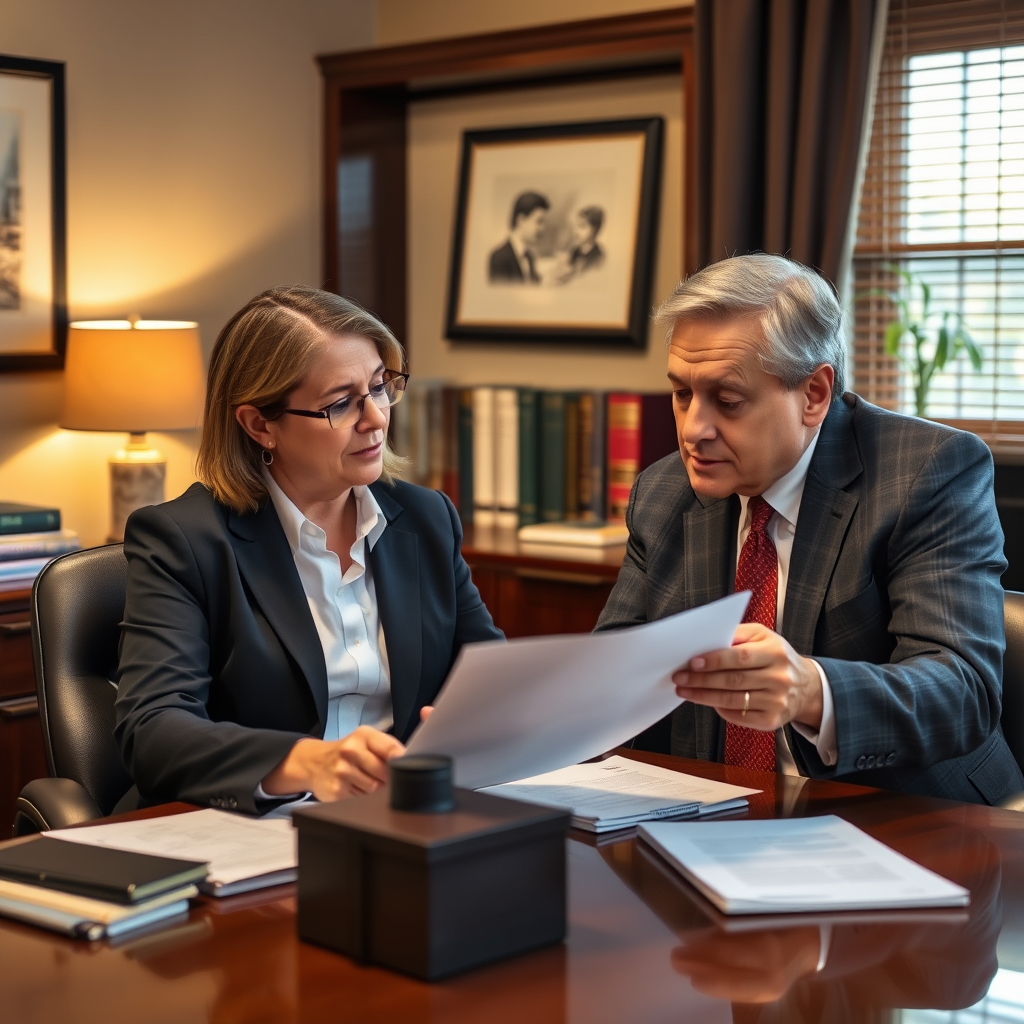
Indefinite Alimony in Craig County, VA: Your Rights & What to Expect
As of December 2025, the following information applies. In Virginia, indefinite alimony, also known as spousal support, involves a court order for ongoing financial payments after a divorce when there’s no clear end date. This is common in long-term marriages or when one spouse has a significant need or disability. The Law Offices Of SRIS, P.C. provides dedicated legal defense for these matters.
Confirmed by Law Offices Of SRIS, P.C.
Divorce is tough. It’s an emotional rollercoaster, and when you start talking about finances, especially something as long-term as indefinite alimony, things can get really overwhelming. If you’re in Craig County, Virginia, and you’re dealing with the prospect of paying or receiving indefinite spousal support, it’s natural to feel anxious. You’re probably wondering what your future looks like, how you’ll manage, or if it’s even fair. That’s where we come in. At Law Offices Of SRIS, P.C., we understand these concerns, and we’re here to offer direct, empathetic guidance.
Indefinite alimony isn’t a one-size-fits-all situation. Virginia law considers a lot of factors, and what might seem clear-cut often isn’t. The goal here isn’t to scare you, but to give you clarity and, ultimately, hope. We’ll break down what indefinite alimony truly means in our state, what influences a judge’s decision, and how a knowledgeable attorney can protect your financial interests. Let’s get real about what’s ahead and how we can help you through it.
What is Indefinite Alimony in Virginia?
Indefinite alimony, referred to as spousal support under Virginia law, is a court-ordered financial payment from one former spouse to another without a predetermined end date. Unlike rehabilitative alimony, which aims to help a spouse become self-sufficient over a set period, indefinite alimony typically continues until a significant change in circumstances occurs, such as the recipient’s remarriage, death of either party, or a court-ordered modification. It’s usually awarded in cases involving long-term marriages where there’s a substantial disparity in earning capacity, or if one spouse is unable to support themselves due to age, physical, or mental condition, or if they sacrificed career opportunities to support the family. The judge weighs numerous factors to determine if indefinite support is appropriate and, if so, the amount and frequency of payments. This isn’t a simple calculation; it involves a deep dive into both parties’ financial realities and the history of the marriage.
Blunt Truth: Many people assume alimony is always temporary. That’s not always the case, especially after longer marriages here in Virginia. Understanding this distinction is key to setting realistic expectations and planning your future.
Takeaway Summary: Indefinite alimony in Virginia provides ongoing financial support without a fixed end date, typically awarded in long-term marriages or specific circumstances of need. (Confirmed by Law Offices Of SRIS, P.C.)
How to Address Indefinite Alimony in a Craig County, VA Divorce?
Addressing indefinite alimony, whether you’re seeking it or facing the possibility of paying it, involves a series of critical steps. It’s a process that demands careful preparation, a deep understanding of Virginia law, and often, strong negotiation skills. Here’s a breakdown of how you’d typically approach this with seasoned legal counsel:
- Understand the Legal Framework and Your Rights: First, you need a clear picture of Virginia’s spousal support statutes. Unlike some states with formulaic calculations, Virginia courts have broad discretion. They consider a host of factors, including the duration of the marriage, the age and physical and mental condition of each spouse, the monetary and non-monetary contributions of each spouse to the well-being of the family, the earning capacity of each spouse, and the standard of living established during the marriage. Knowing these factors helps us build your case. We’ll discuss what the law considers “grounds” for indefinite support and whether your specific situation aligns. This initial step is about getting grounded in the legal reality, not just your personal feelings about fairness.
- Gather Comprehensive Financial Documentation: This is where the rubber meets the road. Spousal support, especially indefinite alimony, is all about finances. You’ll need to compile a thorough collection of financial records. This includes tax returns for the past several years, pay stubs, bank statements, investment account statements, retirement account details, property deeds, mortgage statements, credit card statements, and any documentation related to debts or significant assets. Don’t forget proof of health insurance, life insurance, and any other regular expenses. The more complete this picture, the better we can present your financial need or your ability to pay. Hiding or omitting information only hurts your case in the long run.
- Assess Your Current and Future Financial Needs and Capacities: Beyond just the raw numbers, we’ll work together to project your financial future. If you’re seeking support, what are your monthly expenses? Can you maintain a reasonable standard of living without assistance? If you’re potentially paying, what impact will support payments have on your own ability to support yourself? We look at job prospects, educational background, any health issues that might limit your work, and the sacrifices made during the marriage that might have impacted earning potential. This isn’t just about what you earned last year; it’s about a realistic view of your long-term financial viability.
- Negotiate and Mediate with the Other Party: Before heading to court, there’s often an opportunity to negotiate a spousal support agreement. This can happen directly through attorneys or through mediation. A mediated settlement can give both parties more control over the outcome and often reduces the emotional and financial cost of litigation. We’ll represent your interests robustly in these discussions, aiming for an agreement that is fair and sustainable for you. Sometimes, a lump-sum payment or a defined term for support might be negotiated even when indefinite support was initially discussed, offering alternative solutions.
- Present Your Case in Court (If Necessary): If negotiations or mediation don’t lead to a resolution, your case will go before a judge in Craig County. This is where your detailed documentation and our compelling legal arguments become paramount. We will present all the relevant facts, evidence, and legal precedents to advocate for your position. This involves testimony, cross-examination of the other party, and submitting all the financial exhibits we’ve painstakingly gathered. Our role is to ensure the judge has a complete and accurate understanding of your situation to make an informed decision regarding indefinite spousal support. It’s about more than just telling your story; it’s about proving it with facts and legal reasoning.
- Understand Post-Judgment Modification Possibilities: Even an indefinite alimony order isn’t necessarily set in stone forever. Virginia law allows for modification of spousal support if there’s a material change in circumstances for either party. This could include a significant job loss, a substantial increase in income for the recipient, or a serious illness. We will inform you about the triggers for modification and how to pursue or defend against such actions should your circumstances, or your ex-spouse’s, change significantly in the future. It’s important to remember that these changes must be substantial and not anticipated at the time of the original order.
Taking on indefinite alimony issues in a divorce is a serious undertaking. It requires a clear strategy and a steady hand. Don’t try to piece this together yourself. Having knowledgeable counsel on your side can make all the difference between a favorable outcome and one that leaves you financially vulnerable for years to come. We’re here to guide you through each of these complex steps.
Can My Indefinite Alimony Be Modified or Terminated in Virginia?
It’s a common and very valid fear to think that once indefinite alimony is ordered, it’s a permanent fixture that can never change. Many people worry about unexpected life events – a job loss, a health crisis, or even retirement – that could make paying or receiving the current amount impossible or unfair. The good news is that in Virginia, indefinite spousal support can indeed be modified or even terminated, but it’s not an automatic process. It requires a showing of a “material change in circumstances” that wasn’t anticipated when the original order was put in place.
What constitutes a “material change”? This is where things get specific. It’s not just any minor fluctuation in income or expenses. We’re talking about significant shifts. For example, if the recipient spouse remarries, the alimony generally terminates automatically. If either spouse experiences a substantial and involuntary job loss, a significant disability preventing work, or a substantial increase in income (for the recipient), these could all be grounds for seeking a modification. Retirement can also be a factor, but a judge will examine whether the retirement was reasonable and in good faith, considering the payor’s age and the effect on the recipient.
Blunt Truth: Simply wanting to pay less, or wanting more, isn’t enough. You need concrete evidence of a significant life change to even get a court to look at the order again. Without that, you’re likely stuck with the original terms.
The burden of proving this material change falls on the person requesting the modification. This means you can’t just walk into court and say things are different; you need to present clear, compelling evidence, just like you did for the original order. This is another area where experienced legal representation becomes invaluable. We can help you assess if your situation meets the legal threshold for modification, gather the necessary documentation, and present your case effectively to the Craig County court. Our goal is to ensure that the alimony order remains fair and reflects the current realities of both parties’ lives, protecting your financial future as much as possible.
Don’t live in fear of an unchangeable order. While challenging, modifications are possible under the right circumstances. We’ll help you understand if your situation qualifies and guide you through the process, offering clarity and hope in a situation that often feels financially suffocating. Whether you’re fighting to reduce payments or ensure you continue receiving necessary support, having a knowledgeable attorney by your side is essential. We can represent you, ensuring your voice is heard and your financial wellbeing is prioritized in Craig County, VA.
Why Hire Law Offices Of SRIS, P.C.?
When you’re dealing with something as personal and impactful as indefinite alimony in Craig County, VA, you don’t just need a lawyer; you need an advocate who understands the stakes and genuinely cares about your outcome. At Law Offices Of SRIS, P.C., we’re not just practicing law; we’re helping people rebuild their lives. Our approach is direct, empathetic, and focused on getting you through this tough time with confidence.
Mr. Sris, our founder and principal attorney, puts it plainly: “My focus since founding the firm in 1997 has always been directed towards personally managing the most challenging family law matters our clients face.” This isn’t just a statement; it’s the bedrock of how we operate. We understand the emotional weight of divorce and alimony disputes, and we bring a seasoned perspective to every case, aiming for outcomes that truly benefit you.
We believe in giving you the ‘Real-Talk’ you need, not just legal jargon. We’ll explain your options in plain English, walk you through the likely scenarios, and prepare you for what’s ahead. Our commitment is to provide clear, strategic guidance, ensuring you’re empowered to make informed decisions about your future. We’re here to shoulder some of that burden for you.
When you choose Law Offices Of SRIS, P.C., you’re not just hiring legal representation; you’re gaining a partner dedicated to defending your interests. We work tirelessly to explore every avenue, whether that’s through meticulous financial analysis, skilled negotiation, or strong courtroom advocacy. Our firm is built on a foundation of proactive, client-centered service, understanding that every case is unique and requires a tailored approach. We’re not afraid to take on the tough cases, and we have a track record of achieving favorable results for our clients facing complex family law issues.
We are conveniently located to serve your needs:
Law Offices Of SRIS, P.C.
7400 Beaufont Springs Drive, Suite 300, Room 395
Richmond, VA, 23225, US
Phone: +1-804-201-9009
Call now for a confidential case review. Let’s discuss your situation and chart a path forward together.
Frequently Asked Questions About Indefinite Alimony in Craig County, VA
Here are some common questions we hear about indefinite alimony and spousal support in Virginia:
Q1: What’s the main difference between indefinite and defined-duration alimony?
A1: Indefinite alimony has no set end date, continuing until a significant change like remarriage or death. Defined-duration alimony is for a specific, predetermined period, often designed to help a spouse become financially independent within that timeframe.
Q2: Does Virginia use a formula to calculate indefinite alimony?
A2: No, Virginia does not use a strict formula. Judges consider a comprehensive list of factors, including marriage length, each spouse’s financial contributions, earning capacity, age, and health, to determine the amount and duration.
Q3: Can I get indefinite alimony if I was only married for a few years?
A3: It’s less common. Indefinite alimony is typically awarded in long-term marriages, often 20 years or more. Shorter marriages are more likely to result in defined-duration or rehabilitative spousal support.
Q4: What happens to indefinite alimony if the recipient remarries?
A4: In Virginia, indefinite spousal support generally terminates automatically upon the remarriage of the recipient spouse, unless a specific agreement or court order states otherwise.
Q5: Can indefinite alimony be modified if the paying spouse loses their job?
A5: Yes, a significant and involuntary job loss for the paying spouse can be considered a material change in circumstances, potentially allowing for a modification or termination of the alimony order by the court.
Q6: Does cohabitation affect indefinite alimony in Virginia?
A6: Yes, if the recipient spouse continuously cohabits with another person in a relationship analogous to marriage for one year or more, spousal support may be terminated, regardless of financial dependency.
Q7: What role does fault play in awarding indefinite alimony?
A7: Fault grounds for divorce (like adultery, cruelty) can be considered by the court when determining spousal support, potentially increasing or decreasing an award, although economic factors are usually primary.
Q8: What if my former spouse hides assets to avoid paying alimony?
A8: Hiding assets is serious. Courts can impose penalties and order discovery to uncover hidden assets. Experienced counsel can help conduct forensic accounting and ensure full financial disclosure to protect your rights.
Q9: How long does it take to resolve an indefinite alimony dispute?
A9: The timeline varies greatly depending on case complexity, court schedules, and willingness of parties to negotiate. Some resolve in months, others can take over a year if contested heavily and litigation is involved.
Q10: Is it possible to waive indefinite alimony in a prenuptial agreement?
A10: Yes, in Virginia, a valid prenuptial agreement can waive or limit spousal support, including indefinite alimony. Such agreements must meet specific legal requirements to be enforceable.