


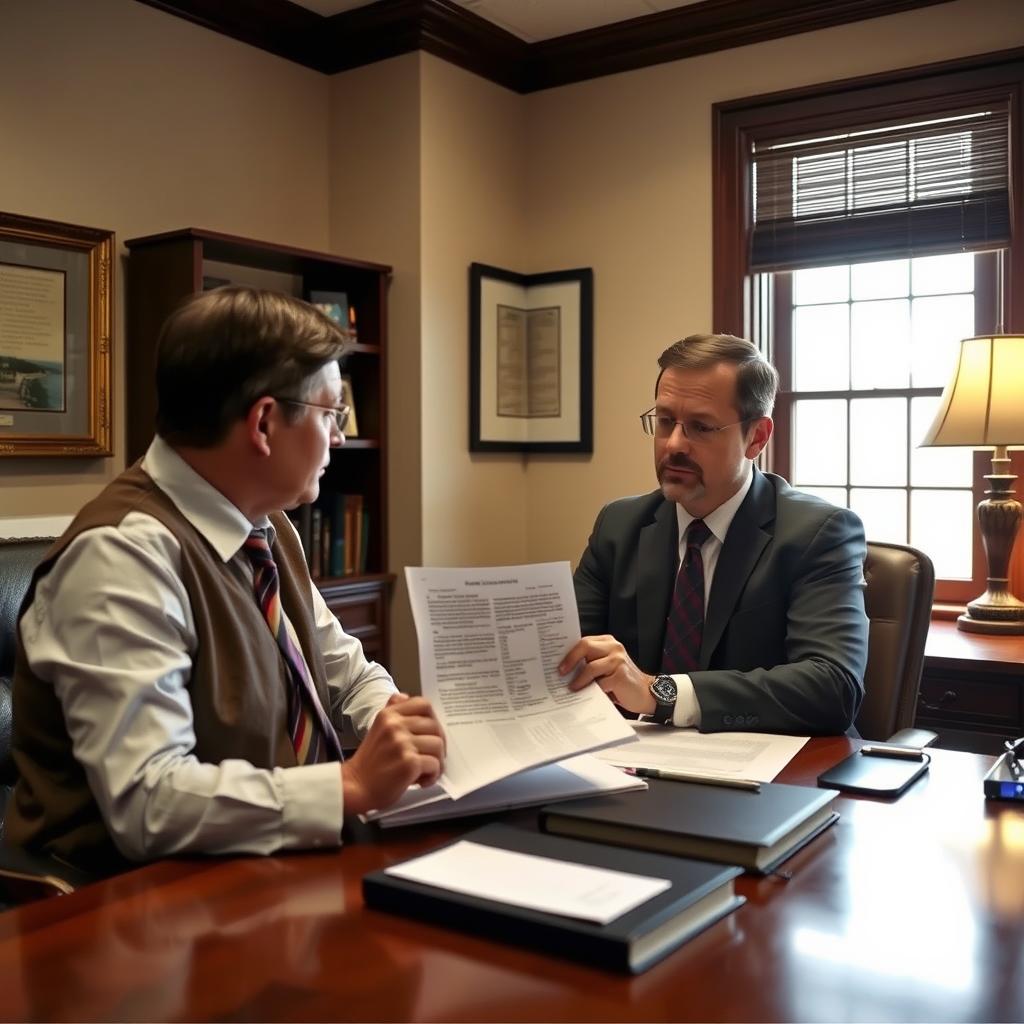
Licensing Lawyer Greene County
A Licensing Lawyer Greene County handles the legal creation and enforcement of contracts that grant rights to intellectual property or business assets. Law Offices Of SRIS, P.C. —Advocacy Without Borders. provides this critical service to protect your commercial interests in Virginia. These agreements define the scope, payment, and legal protections for using trademarks, patents, or software. (Confirmed by SRIS, P.C.)
Statutory Definition of Licensing Agreements in Virginia
Virginia contract and intellectual property law governs licensing agreements, not a single criminal statute. The core legal framework for a license agreement lawyer Greene County to apply includes the Virginia Uniform Commercial Code and common law. These laws enforce the promises made in your contract. Breach of a licensing contract is a civil matter, not a criminal one. The remedies are monetary damages or injunctions, not jail time. The maximum exposure is tied to the contract’s value and proven losses.
Virginia Code § 8.2A-101 et seq. (Leases) and common law contract principles — Civil Action — Remedies limited to damages, specific performance, or injunction.
This body of law controls how rights to use property are transferred. It defines what constitutes a valid agreement. It also outlines the obligations of both the licensor and licensee. A breach occurs when one party fails to perform its duties. The non-breaching party can sue for compensation. The goal is to put the injured party in the position they would have been in if the contract was fulfilled.
What legal principles control a licensing agreement?
Contract law and intellectual property statutes form the legal basis for licensing. The Virginia Uniform Commercial Code (UCC) Article 2 applies to sales of goods, including embedded software licenses. For other licenses, common law contract principles control. These require offer, acceptance, and consideration. The terms must be definite and the purpose legal. Federal law protects the underlying intellectual property like patents or copyrights. A license is a permission to use that property under specific conditions.
What is the difference between an exclusive and non-exclusive license?
An exclusive license grants rights to only one licensee, often within a defined territory or field of use. The licensor cannot grant the same rights to others. It may also prevent the licensor from using the property themselves. A non-exclusive license allows the licensor to grant the same rights to multiple parties. Exclusive licenses are typically more valuable and command higher royalties. The grant must be explicitly stated in the contract language. Ambiguity can lead to costly litigation over the scope of rights granted. Learn more about Virginia legal services.
What are the key clauses a licensing lawyer must draft?
A precise grant of rights clause is the foundation of any license agreement. The scope defines what is being licensed, for what purpose, and for how long. Payment terms detail royalties, upfront fees, and audit rights. Representations and warranties assure the licensee of ownership and non-infringement. Termination clauses outline conditions for ending the agreement. Indemnification and liability clauses allocate risk between the parties. A well-drafted agreement by a licensing lawyer Greene County anticipates disputes and provides clear resolution paths.
The Insider Procedural Edge in Greene County
Greene County General District Court handles contract disputes under $25,000, located at 40 Celt Road, Stanardsville, VA 22973. For larger claims, the case proceeds to Greene County Circuit Court at the same address. The filing fee for a civil warrant in General District Court is typically $52. Procedural specifics for Greene County are reviewed during a Consultation by appointment at our Greene County Location. Local procedural rules require strict adherence to filing deadlines and service of process. Missing a deadline can result in a default judgment against you.
The timeline from filing to trial can vary from several months to over a year. Much depends on the court’s docket and case complexity. Discovery, the process of exchanging evidence, is critical. It includes interrogatories, requests for documents, and depositions. Greene County courts expect professionalism and preparedness. Judges here have little patience for disorganized arguments or missed court dates. Having a lawyer who knows the local clerks and judges is a tangible advantage. They understand the unspoken expectations of the courtroom.
What is the typical timeline for a licensing dispute lawsuit?
A licensing dispute can take over a year to reach a trial in Greene County Circuit Court. The plaintiff files a complaint and serves the defendant. The defendant has 21 days to file a responsive pleading. The discovery phase can last six months or more. Pre-trial motions may be filed to resolve legal issues. The court will schedule a trial date based on its availability. Settlement negotiations can occur at any point, often during mediation. Most civil cases are resolved before a final trial verdict. Learn more about criminal defense representation.
What are the court costs and filing fees involved?
Filing a civil warrant in Greene County General District Court costs $52. Filing a complaint in Circuit Court costs $84. Additional fees apply for serving the defendant, which can cost $25-$50. If a jury trial is requested, a fee is required. Court reporter fees for depositions are extra. experienced witness fees, if needed, can be substantial. The losing party may be ordered to pay some of the winner’s costs. These do not include attorney fees unless the contract specifically provides for them.
Penalties & Defense Strategies for Breach
The most common penalty for breaching a licensing agreement is an award of monetary damages to the non-breaching party. Damages aim to compensate for the actual financial loss suffered. They are not intended to punish the breaching party. The court calculates loss of expected royalties or profits. It may also consider costs incurred in reliance on the contract. In some cases, the remedy is specific performance, forcing the party to comply. The court may also issue an injunction to stop unauthorized use of the licensed property.
| Offense / Breach | Penalty / Remedy | Notes |
|---|---|---|
| Failure to Pay Royalties | Damages for unpaid amounts + interest | Court may award attorney fees if contract allows. |
| Use Outside Licensed Scope | Injunction + damages for unjust enrichment | Measured by value of unauthorized use. |
| Early Termination by Licensee | Damages for lost future royalties | May be reduced by licensor’s duty to mitigate. |
| Misrepresentation of IP Ownership | Rescission of contract + restitution | Licensee may recover all fees paid. |
[Insider Insight] Greene County judges emphasize the plain language of written contracts. They are less likely to imply terms not explicitly stated. Local prosecutors are not involved in these civil matters. The trend is to enforce arbitration clauses if they are clearly written. Judges here expect parties to have attempted reasonable settlement discussions before trial. They appreciate clear, concise presentations of the contract terms and alleged breach.
How are damages calculated in a licensing breach case?
Damages are calculated based on the direct financial loss from the breach. For unpaid royalties, it is the sum owed plus statutory interest. If the licensee used the property beyond the scope, damages equal the fair market value of that use. For a licensor’s breach, damages cover the licensee’s lost profits or costs to obtain a substitute license. The injured party has a duty to mitigate, or minimize, their damages. Consequential damages, like lost business opportunities, are harder to recover. They must be foreseeable and directly caused by the breach. Learn more about DUI defense services.
Can a licensor terminate a license agreement immediately?
Immediate termination is only permitted if the contract allows it for a material breach. A material breach is a failure that strikes at the heart of the agreement. Non-payment of royalties is typically considered material. The contract must specify a cure period, often 30 days. Termination must follow the notice procedures in the agreement. Wrongful termination can itself be a breach. The terminated party can sue for damages. A licensing lawyer Greene County can advise on whether a breach justifies termination.
Why Hire SRIS, P.C. for Your Greene County Licensing Issue
SRIS, P.C. assigns attorneys with direct experience drafting and litigating complex commercial agreements. Our team understands how Virginia courts interpret licensing clauses. We know what language holds up and what creates ambiguity. We draft agreements to prevent disputes and litigate them when prevention fails. Our approach is practical and focused on protecting your business assets. We explain legal concepts in clear, business-oriented terms. Your goals and risk tolerance guide our strategy.
Our attorneys have handled numerous contract disputes in Virginia courts. They are familiar with the procedural rules in Greene County. They prepare every case with the assumption it will go to trial. This thoroughness often leads to better settlement outcomes. We have a record of achieving dismissals and favorable settlements for our clients. We protect intellectual property rights through precise contractual drafting.
Choosing SRIS, P.C. means choosing a firm that shows up prepared. We conduct detailed discovery to build a strong factual record. We file strategic motions to narrow the issues before trial. Our Greene County Location allows for close coordination with local courts. We provide Advocacy Without Borders, meaning we bring statewide resources to your local matter. You get a team, not just a single lawyer. We are available to address urgent issues that threaten your business operations. Learn more about our experienced legal team.
Localized FAQs for Greene County Licensing
What does a license agreement lawyer in Greene County do?
A license agreement lawyer in Greene County drafts, reviews, and negotiates contracts granting rights to use property. They also enforce these agreements in Greene County courts when a breach occurs. Their work protects your revenue and intellectual property assets.
How much does it cost to hire a licensing lawyer?
Costs vary based on case complexity, typically billed at an hourly rate. Drafting a new agreement costs less than litigating a breach. A Consultation by appointment at SRIS, P.C. will provide a clear fee estimate.
What is the difference between licensing and assigning intellectual property?
A license grants permission to use IP while the owner retains ownership. An assignment is a permanent sale of the IP rights to another party. Licensing is like renting; assignment is like selling the property outright.
Can I handle a licensing agreement without a lawyer in Virginia?
You can, but it is risky. Ambiguous language can lead to expensive litigation and loss of rights. A lawyer ensures the terms are enforceable and protect your interests under Virginia law.
What courts handle licensing disputes in Greene County?
Greene County General District Court handles disputes under $25,000. Greene County Circuit Court handles larger claims and more complex contract cases. The correct court depends on the damages sought.
Proximity, CTA & Disclaimer
Our Greene County Location is positioned to serve clients throughout the region. Procedural specifics for Greene County are reviewed during a Consultation by appointment at our Location. Consultation by appointment. Call 703-278-0405. 24/7. Our legal team is ready to discuss your licensing agreement or dispute. We provide direct, actionable advice for your business situation.
Law Offices Of SRIS, P.C.
—Advocacy Without Borders.
Phone: 703-278-0405
Past results do not predict future outcomes.