


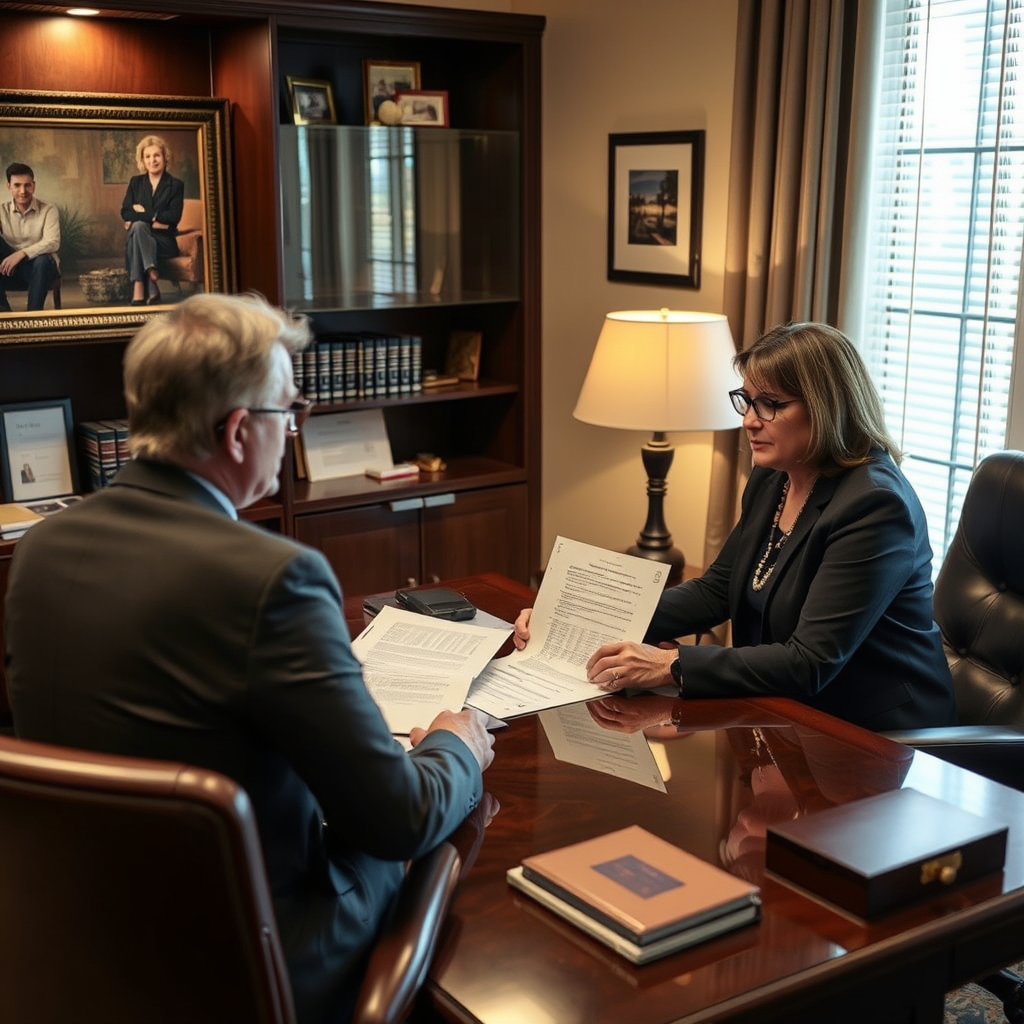
Marital Property Attorney Amelia County, VA: Protecting Your Financial Future in Divorce
As of December 2025, the following information applies. In Virginia, marital property involves assets and debts acquired by spouses during their marriage that are subject to equitable distribution in divorce. A marital property attorney helps identify, value, and divide these assets fairly, advocating for your rights and ensuring a just outcome. The Law Offices Of SRIS, P.C. provides dedicated legal representation for these matters.
Confirmed by Law Offices Of SRIS, P.C.
What is Marital Property in Virginia?
When you’re facing a divorce in Virginia, one of the biggest worries often revolves around what happens to your property. Simply put, marital property in Virginia includes all the assets and debts you and your spouse accumulated from the date you married until the date of your separation. This isn’t just about the house; it includes bank accounts, retirement funds, investments, cars, furniture, and even credit card debt or loans taken out during your marriage. Understanding what falls into this category is your first vital step.
Virginia law operates under the principle of “equitable distribution,” not necessarily equal distribution. This means a court aims for a fair division of marital assets and debts, considering various factors like each spouse’s contributions to the family, their ages, health, and how property was acquired. It’s not about splitting everything down the middle but about achieving a just outcome based on your unique circumstances. Things you owned before marriage, or received as a gift or inheritance solely in your name, are generally considered “separate property” and aren’t typically divided in a divorce. However, sometimes separate property can become marital property if it’s mixed with marital assets or if both spouses contribute to its appreciation. This is where the lines can get blurry, and why experienced legal guidance is so essential.
Let’s be honest: figuring out what’s what can feel like untangling a giant knot. You might think, “That’s mine, I bought it before we got married,” only to find out contributions made during the marriage might have changed its status. Or perhaps you’re worried about a pension that’s been building up for years. These are the real-world scenarios we see every day, and they underscore why getting clear on these definitions is so incredibly important. Don’t assume anything; instead, seek a knowledgeable perspective. The goal is to classify everything correctly so you can move forward confidently.
Takeaway Summary: Marital property in Virginia refers to assets and debts acquired during marriage, subject to fair division, not necessarily equal. (Confirmed by Law Offices Of SRIS, P.C.)
How Do You Divide Marital Property in Virginia?
The process of dividing marital property in a Virginia divorce can seem daunting, but breaking it down into manageable steps can help bring some clarity. It’s not a quick sprint; it’s a methodical journey that requires careful attention to detail and a clear strategy. Think of it like building a house – you need a solid foundation before you can even think about the roof.
Blunt Truth: Trying to figure this out alone can lead to costly mistakes. You might overlook assets, undervalue certain properties, or agree to terms that aren’t truly fair to you. That’s why having someone in your corner who understands the ins and outs of Virginia’s equitable distribution laws is a game-changer. Here’s a general roadmap of how it typically unfolds:
- Identify All Assets and Debts: This is the important first step. You and your spouse must disclose all financial accounts, real estate, vehicles, personal property, retirement accounts, investments, businesses, and any debts (mortgages, credit cards, loans). Don’t forget smaller items that can add up, or even sentimental items that hold value for one party. Transparency here is important, as hiding assets can have severe consequences.
- Classify Property as Marital or Separate: Once everything is identified, each asset and debt needs to be categorized. Was it acquired during the marriage? Was it a gift or inheritance to one spouse specifically? Was separate property commingled with marital funds? This classification determines what’s on the table for division and what isn’t. It’s a key area where disputes often arise, and having clear documentation is incredibly helpful.
- Value the Marital Assets and Debts: It’s not enough to list items; you need to know what they’re worth. Real estate might require appraisals, businesses might need forensic accounting, and pensions might need actuarial valuations. Personal property can be valued through agreement or, if necessary, professional appraisal. Accurately valuing these assets ensures a fair distribution, preventing one spouse from getting significantly more than their share.
- Negotiate a Settlement Agreement: Ideally, you and your spouse, with your respective attorneys, will negotiate a mutually agreeable property settlement agreement. This document outlines how all assets and debts will be divided. It can cover everything from who keeps the house to how retirement accounts are split and who pays which debts. A successful negotiation avoids the stress, time, and expense of court.
- Court Intervention for Equitable Distribution: If you can’t reach an agreement through negotiation or mediation, a judge will step in to decide. The court will consider various factors outlined in Virginia law, such as the duration of the marriage, the monetary and non-monetary contributions of each spouse, how and when assets were acquired, the circumstances that led to the divorce, and the tax consequences of any division. The judge’s decision will be binding.
Each of these steps requires careful thought and a deep understanding of Virginia law. Missing a detail or misinterpreting a legal nuance can have long-lasting financial impacts. My commitment is to guide you through each stage, providing the straightforward advice you need to make informed decisions for your future.
Can I Lose Everything in a Virginia Divorce?
The fear of losing everything is a very real and understandable concern for anyone facing a divorce, especially when marital property is on the line. It’s natural to feel anxious about your financial security and what your life will look like post-divorce. Many people believe divorce means a 50/50 split of everything, but in Virginia, it’s more nuanced than that. The concept of “equitable distribution” aims for fairness, not necessarily an equal split.
You won’t automatically lose everything you own. Virginia courts consider a wide array of factors when deciding how to divide marital property and debts. These factors include things like how long you were married, what each person contributed to the family’s well-being (monetarily and non-monetarily, such as raising children or maintaining the home), how and when specific properties were acquired, and even the circumstances that led to the separation. A judge looks at the full picture of your marriage to arrive at a distribution they believe is fair. It’s about protecting your interests and ensuring you can start your next chapter on solid ground.
What this means for you is that while some assets will be divided, others – particularly your separate property – should remain yours. The goal of a knowledgeable attorney isn’t just to divide; it’s to advocate fiercely for your rightful share, challenge unfair demands, and ensure all relevant factors are presented to the court. We work to identify and protect your separate property, properly value marital assets, and argue for an equitable distribution that truly reflects your contributions and future needs. Don’t let fear paralyze you; instead, empower yourself with clear information and seasoned legal representation. While we cannot predict future outcomes, our aim is always to put you in the strongest possible position to preserve your financial well-being.
Why Hire Law Offices Of SRIS, P.C. for Your Marital Property Case?
When you’re dealing with something as personal and financially significant as marital property division, you don’t just need a lawyer; you need a seasoned advocate who understands the emotional weight of your situation as much as the legal details. That’s precisely what you get with Law Offices Of SRIS, P.C.
Mr. Sris’s Insight: “My focus since founding the firm in 1997 has always been directed towards personally managing the most challenging and detailed criminal and family law matters our clients face.”
This isn’t just about a legal transaction; it’s about your future, your peace of mind, and ensuring you’re treated fairly. We approach each marital property case in Amelia County, VA, with a commitment to understanding your unique circumstances and crafting a strategy that aligns with your best interests. We know the ins and outs of Virginia’s equitable distribution laws, and we’re prepared to apply that knowledge to protect your assets and advocate for a just resolution.
From meticulously identifying and valuing every asset and debt to skilfully negotiating on your behalf, we’re with you every step of the way. If negotiations aren’t enough, we’re ready to represent you forcefully in court, ensuring your story is heard and your rights are upheld. Our aim is to bring clarity to what often feels like chaos, providing reassuring guidance and direct advice. Don’t face this challenging time alone. Let our experience be your advantage.
Law Offices Of SRIS, P.C. has a location serving Amelia County, VA, at:
7400 Beaufont Springs Drive, Suite 300, Room 395, Richmond, VA, 23225, US
You can reach us directly at: +1-804-201-9009
Call now for a confidential case review and take the first step toward securing your financial future.
Frequently Asked Questions About Marital Property in Virginia
- What’s the difference between marital and separate property in Virginia?
- Marital property includes assets and debts acquired during marriage. Separate property is anything owned before marriage or received individually as a gift or inheritance, typically not subject to division. Proper classification is key to fair distribution.
- How does equitable distribution work in Virginia?
- Equitable distribution means a fair, but not necessarily equal, division of marital assets and debts. A judge considers various factors like contributions, marriage duration, and circumstances to determine a just outcome for both parties.
- Are retirement accounts considered marital property?
- Yes, the portion of retirement accounts, pensions, or 401(k)s earned or contributed to during the marriage is generally considered marital property and is subject to equitable distribution in Virginia divorce proceedings.
- What about businesses owned by one spouse?
- If a business was started or significantly appreciated during the marriage, its value, or a portion thereof, may be considered marital property. Valuing a business accurately often requires forensic accounting during divorce.
- Is inherited property always separate property?
- Inherited property starts as separate property. However, if it’s commingled with marital funds (e.g., deposited into a joint account) or used for marital benefit, it can sometimes be reclassified as marital property.
- Can debts be divided as marital property?
- Yes, debts incurred during the marriage, like credit card balances, mortgages, or car loans, are generally considered marital debts. They are subject to equitable distribution alongside marital assets during a Virginia divorce.
- What if we agree on property division without court?
- If you and your spouse agree, you can create a Property Settlement Agreement. This legally binding document outlines asset and debt division, which a court can then incorporate into your final divorce decree, saving time and expense.
- How long does the property division process take?
- The duration varies greatly. It can be quick with a settlement agreement or take many months if there are detailed assets, disputes over valuation, or if the case proceeds to litigation in court. It truly depends on the specific situation.
- Do I need an attorney for marital property division?
- While not legally required, having an attorney is strongly advised. They ensure proper asset identification, valuation, and advocate for your rights, helping you understand detailed laws and achieve a fair and protected financial future.
- What is a “depletion claim” in Virginia marital property?
- A depletion claim arises when one spouse uses marital funds after separation for non-marital purposes. The court can consider this depletion of marital assets when determining an equitable distribution of the remaining property.
The Law Offices Of SRIS, P.C. has locations in Virginia in Fairfax, Loudoun, Arlington, Shenandoah and Richmond. In Maryland, our location is in Rockville. In New York, we have a location in Buffalo. In New Jersey, we have a location in Tinton Falls.
Past results do not predict future outcomes.