


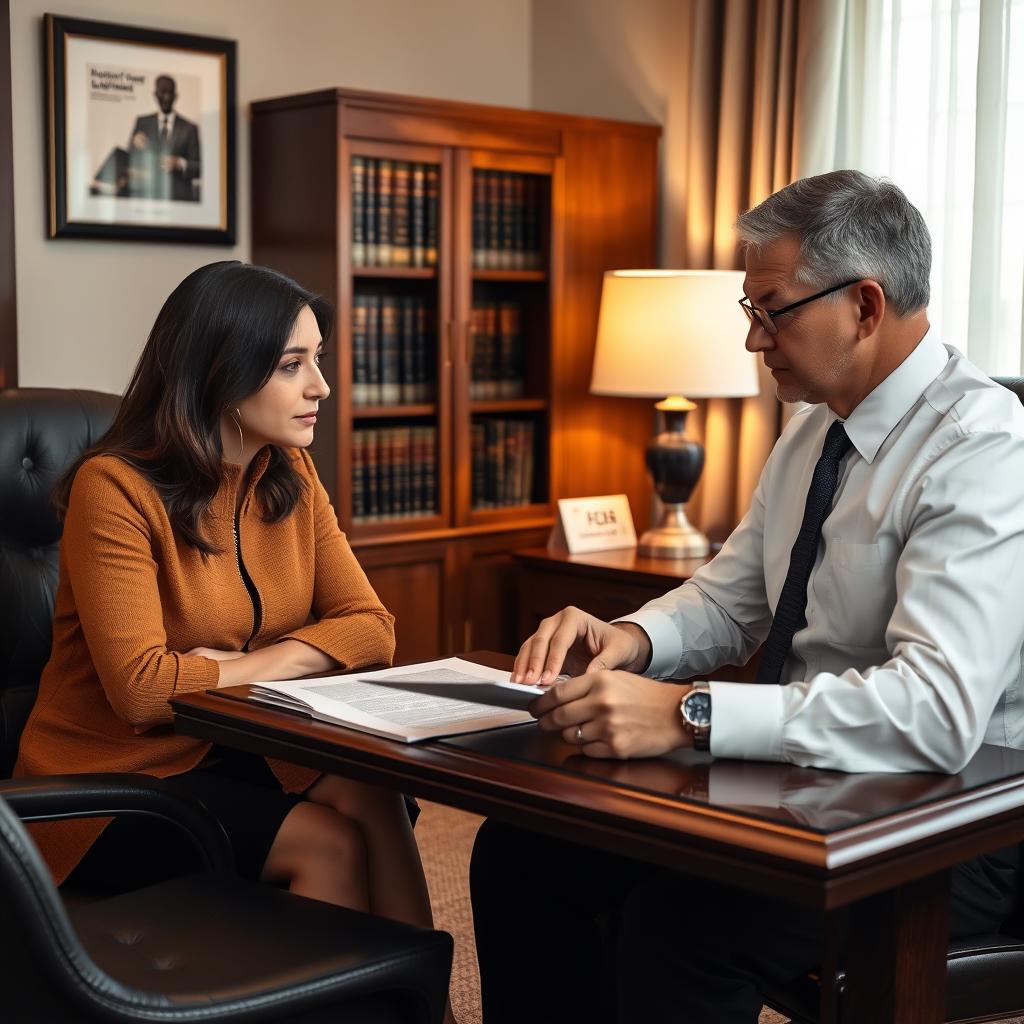
Marital Settlement Agreement Lawyer Virginia, VA
A marital settlement agreement is often the most important document in a Virginia divorce. It determines how property, debts, support, and sometimes custody will be handled, and once it is signed and accepted by the court, it becomes legally binding. Whether you are the spouse who earns more, the one who cares for the children full‑time, or a couple looking for a cooperative exit from a marriage, the terms you put into a marital settlement agreement directly affect your financial future. Mr. Sris and his Of Counsel at Law Offices Of SRIS, P.C., founded in 1997, draft, review, and negotiate marital settlement agreements for clients throughout Virginia. If you need a marital settlement agreement lawyer Virginia, VA residents can rely on, reach our firm at (888) 437‑7747 to request a consultation.
Law Offices Of SRIS, P.C. — Advocacy Without Borders.
What Marital Settlement Agreement Means in Virginia
Virginia is an equitable distribution state, not a community‑property state. Under Va. Code § 20‑107.3, marital property is divided in a way that is fair but not necessarily equal. A marital settlement agreement—sometimes called a separation agreement or property settlement agreement—is a written contract that resolves the financial incidents of divorce. Spouses can use one to divide real estate, retirement accounts, bank and investment assets, business interests, personal property, and debts. The agreement can also address spousal support and, if it is in the best interests of the child, custody and visitation. Because Virginia Circuit Courts have exclusive jurisdiction over divorce proceedings, the completed agreement is filed with the complaint in the Circuit Court where one spouse resides. If the parties have no minor children and have lived separately under a written agreement for at least six months, or have been separated for one year, they may proceed on a no‑fault ground under Va. Code § 20‑91.
A well‑prepared marital settlement agreement resolves the case without a trial. Virginia courts require that the agreement be fair, equitable, and entered into voluntarily. For an uncontested divorce hearing, the plaintiff must provide a corroborating witness. When detailed assets—such as a professional practice, multiple investment properties, or foreign holdings—are involved, the stakes are higher and the drafting must be meticulous. Our firm works with forensic accountants, valuation attorneys, and tax professionals when the marital estate calls for it. The agreement can be reached through direct negotiation, attorney‑led negotiation, or mediation, and once it is signed and incorporated into the final decree, it is enforceable as a court order.
How Mr. Sris and His Of Counsel Handle Marital Settlement Agreement Cases
Mr. Sris and his Of Counsel take a structured approach to each marital settlement agreement matter. They begin by gathering a complete picture of the marital estate—assets, debts, income streams, and future earning capacity—and work with the client to identify their priorities. If the opposing side is represented, counsel engages in negotiation aimed at reaching a fair settlement without unnecessary litigation. When the other spouse is unrepresented, our firm drafts the agreement and often coordinates with the other party’s chosen reviewer to keep the process moving. The goal is a clear, enforceable document that protects the client’s rights and minimizes the risk of future disputes over ambiguous terms.
Every agreement is built around Virginia’s statutory framework. For spousal support, the 13 factors in Va. Code § 20‑107.1 are considered; for child support, the guidelines in § 20‑108.1 apply; for property, the 11 equitable‑distribution factors in § 20‑107.3 are weighed. Our firm’s experience with detailed marital estates—including business valuation, executive compensation, stock options, and international assets—means we are prepared to handle cases that go beyond a simple balance‑sheet division. Mr. Sris and his Of Counsel also draft premarital and postmarital agreements under Virginia’s Premarital Agreement Act, Va. Code § 20‑147 et seq., for clients who want predictability before or during marriage.
About Mr. Sris and His Of Counsel Team
Mr. Sris, Owner and Founder of Law Offices Of SRIS, P.C., has practiced law since 1997 and is admitted in Virginia, Maryland, the District of Columbia, New Jersey, and New York. A former prosecutor, he brings a trial‑tested perspective to family law matters. Mr. Sris testified before the Virginia House Courts of Justice Committee in support of 2019 HB 635 (chief patron Del. David Bulova), legislation that revised the equitable‑distribution statute. His understanding of Virginia’s statutory scheme gives him a detailed command of the rules that govern marital settlement agreements. Mr. Sris and his Of Counsel bring over 120 years of combined legal experience, with 4,739+ documented firm-wide results. Results may vary.
All of the non‑Sris attorneys practicing with the firm serve as Of Counsel, each with extensive experience in family law, litigation, and negotiation. Their backgrounds include former service as a Maryland Assistant State’s Attorney, a Virginia State Trooper, and a CPS contract attorney for the City of Alexandria, among others. These diverse perspectives inform every aspect of a marital settlement agreement—from asset classification to the enforcement of support provisions. The team works collaboratively, drawing on each attorney’s strengths to craft an agreement that serves the client’s long‑term interests.
Frequently Asked Questions
What is a marital settlement agreement in Virginia?
A marital settlement agreement is a written contract between spouses that resolves all the financial and property‑related issues in a divorce. In Virginia, it can address asset division, debt allocation, spousal support, and—when consistent with the child’s best interests—custody and visitation. Once a Circuit Court judge reviews the agreement for fairness and voluntary execution, it becomes part of the final divorce decree and is enforceable as a court order.
Do I need a lawyer for a marital settlement agreement in Virginia?
You are not required by Virginia law to hire an attorney, but the terms you agree to will likely affect your property, income, and debt obligations for years. An experienced lawyer can identify hidden assets, ensure the agreement meets statutory requirements, advise on the enforceability of support provisions, and help structure the division of detailed assets such as retirement plans, business interests, and real estate. If the other spouse is represented, having your own counsel helps level the negotiating table.
Can a marital settlement agreement be changed after a Virginia divorce?
Property‑division and debt‑allocation provisions in a marital settlement agreement are generally final and cannot be modified, except in very limited circumstances such as fraud, mutual mistake, or duress. Spousal support provisions may be modifiable if the agreement expressly reserves the right to seek modification, or if the court later finds a material change in circumstances. Child support and custody provisions, however, are always subject to the court’s continuing jurisdiction and may be modified upon a showing of changed circumstances and the child’s best interests.
How is property divided under a Virginia marital settlement agreement?
Virginia classifies property as marital, separate, or part‑marital/part‑separate. A marital settlement agreement can decide how each category is handled. Marital property is all property acquired during the marriage, except for gifts or inheritances to one spouse. The agreement can divide retirement accounts through a qualified domestic relations order (QDRO) if needed, assign the marital home, transfer bank accounts, and allocate debts. Courts will enforce the division as long as the agreement is not unconscionable and was entered into voluntarily.
What happens if one spouse violates the agreement after the divorce?
Because a Virginia marital settlement agreement that is incorporated into a final decree becomes a court order, the non‑breaching spouse can seek enforcement through the Circuit Court. Remedies may include a contempt proceeding, a money judgment for unpaid amounts, or an order compelling compliance. The court may also award attorney fees to the party who had to bring the enforcement action.
How do I get started with a marital settlement agreement lawyer in Virginia?
Contact Law Offices Of SRIS, P.C. at (888) 437‑7747 to schedule a consultation. During the initial meeting, you will discuss your marital assets, debts, income, and goals. Mr. Sris or a member of his Of Counsel team will explain the process, identify the issues that need to be resolved, and outline a strategy for negotiating or drafting the agreement. The firm represents clients across Virginia, from Northern Virginia to Richmond to the Shenandoah Valley.
Learn more about related practice areas:
Family Law Lawyer Fairfax County, VA
| Family Law Lawyer Fairfax, VA
| Family Law Lawyer Falls Church, VA
| Family Law Lawyer Prince William County, VA
| Family Law Lawyer Manassas, VA
Virginia primary sources:
Virginia Code Title 20 (Domestic Relations)
| Virginia Judicial System
Attorney advertising. Prior results do not guarantee a similar outcome. Case results depend on a variety of factors unique to each case. Results may vary.
Attorney advertising. Prior results do not guarantee a similar outcome.