


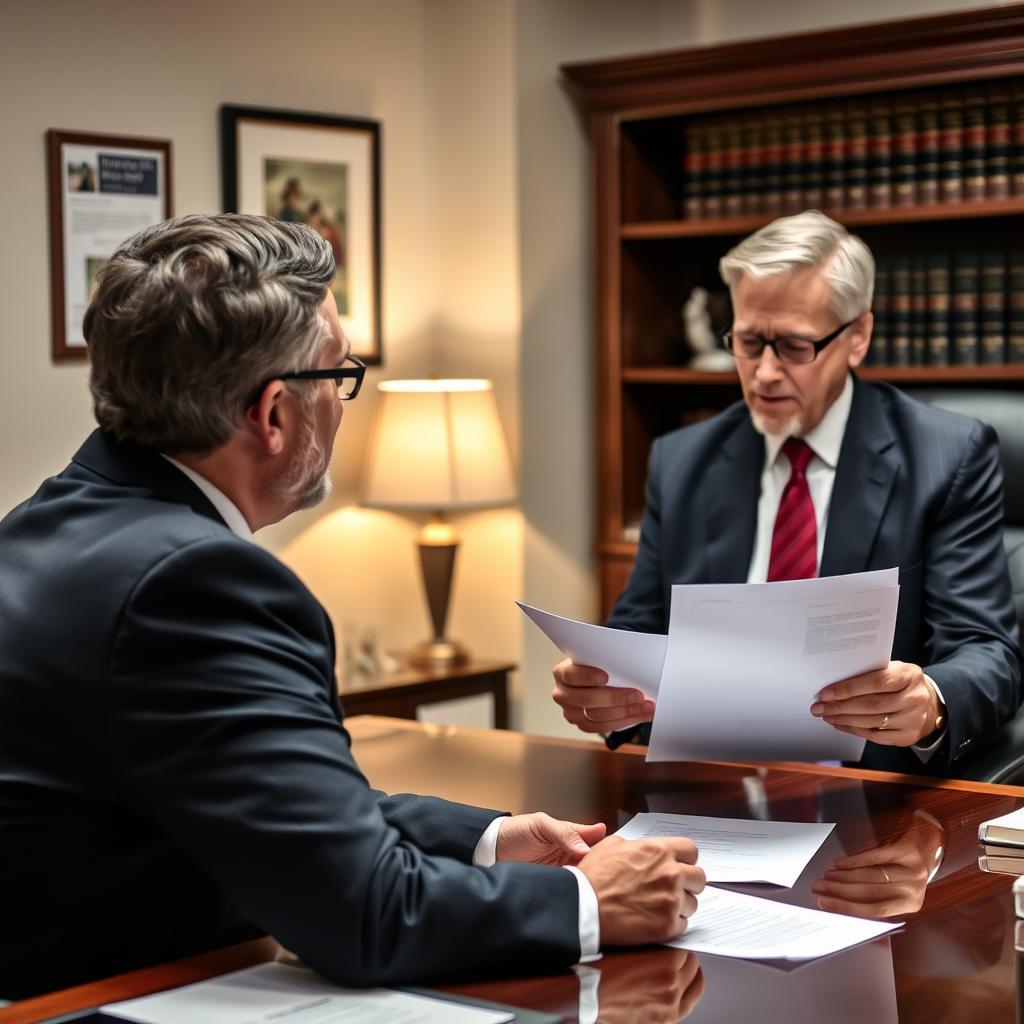
Partner Support Lawyer Chesterfield County, VA
When a marriage or committed relationship ends in Chesterfield County, questions about financial support—who pays, how much, and for how long—can quickly become central to the legal process. Partner support in Virginia encompasses spousal support (alimony), child support, and the enforcement or modification of existing support orders. These obligations arise from statute and are litigated in Chesterfield County’s Juvenile and Domestic Relations District Court (for standalone support and custody matters) and the Chesterfield County Circuit Court (for support issues within a divorce or equitable distribution case). Mr. Sris and his Of Counsel team at Law Offices Of SRIS, P.C. represent individuals throughout the Midlothian, Chester, Colonial Heights, Bon Air, Brandermill, and Moseley communities in partner support disputes. To request a consultation, reach our Richmond location at (804) 201-9009 or our toll‑free line at (888) 437‑7747. Law Offices Of SRIS, P.C. – Advocacy Without Borders.
What Partner Support Means in Chesterfield County, Virginia
Virginia’s partner‑support framework is built on two statutes: Va. Code § 20‑107.1 governs spousal support, and Va. Code § 20‑108.1 sets the child‑support guidelines. The Commonwealth is an equitable‑distribution state, meaning that while property division is not automatically equal, the court has broad authority to order periodic or lump‑sum support payments based on a list of statutory factors. Spousal support examines the parties’ needs, abilities to pay, duration of the marriage, standard of living during the marriage, and contributions to the family’s well‑being, among other considerations. Child support in Virginia is calculated according to the statutory guidelines, which use the combined gross income of both parents and the number of children, subject to deviation if application of the guidelines would be unjust.
Chesterfield County’s courts have long handled family‑law matters for the communities south of Richmond and along the I‑95 and Route 360 corridors. The Chesterfield County Juvenile and Domestic Relations District Court, located at 9500 Courthouse Road, Chesterfield, VA 23832, hears petitions for child support, spousal support separate from divorce, and protective orders. When support is tied to a divorce or equitable‑distribution proceeding, the Chesterfield County Circuit Court—at the same courthouse detailed—has jurisdiction. Local procedural practice requires parties to exchange detailed financial statements and, in many cases, to attend mediation before a contested hearing. Mediation is not mandatory in Virginia, but the courts often encourage it as a way to narrow the issues. For detailed financial circumstances—business ownership, high net‑worth estates, or assets located in multiple states—forensic accountants and business‑valuation attorneys are routinely engaged. Mr. Sris and his Of Counsel team are familiar with these local practices and with the expectations of the Chesterfield County bench.
How Mr. Sris and His Of Counsel Handle Partner Support Cases
At Law Offices Of SRIS, P.C., partner‑support representation is tailored to the individual circumstances of each client. Whether you are seeking a new support order, defending against a claim for support, or pursuing a modification or enforcement of an existing order, Mr. Sris and his Of Counsel approach the matter as a collaborative legal team. They begin by gathering financial documents, analyzing income streams, and identifying all sources of marital wealth—straightforward for W‑2 employees, more intricate for business owners or those with non‑traditional compensation. Once the financial picture is clear, they evaluate the applicable statutory factors, the local judge’s inclinations, and the strengths and weaknesses of the opposing party’s position.
If the case cannot be resolved through negotiation or mediation, Mr. Sris and his Of Counsel prepare for litigation in the appropriate Chesterfield County court. They present evidence of income, needs, and contributions, cross‑examine the other party’s financial experienced attorney, and argue the statutory factors before the judge. For enforcement or contempt proceedings, they work to establish that a valid order was violated and that the obligor had the ability to pay. Because every partner‑support case is fact‑intensive, the firm invests the time necessary to understand each client’s unique story and to craft a strategy that addresses both immediate needs and long‑term financial security. Throughout the process, clients can expect clear communication and an honest assessment of the likely range of outcomes—without promises or guarantees.
About Mr. Sris and His Of Counsel Team
Mr. Sris, Owner and Founder of Law Offices Of SRIS, P.C., has been practicing law since 1997. A former prosecutor, he brings a perspective shaped by years of courtroom experience and an understanding of how legal arguments are built from both sides of the aisle. He testified before the Virginia House Courts of Justice Committee in support of 2019 HB 635 (chief patron Del. David Bulova). Mr. Sris is admitted to practice in Virginia, Maryland, the District of Columbia, New Jersey, and New York. His multi‑state admission allows the firm to assist clients whose support matters may involve parties or assets in more than one jurisdiction.
Supporting Mr. Sris is a team of Of Counsel attorneys with diverse professional backgrounds—including a former Virginia State Trooper, a former Maryland Assistant State’s Attorney, and a litigator with over three decades of experience in family law and detailed civil matters. Collectively, Mr. Sris and his Of Counsel bring over 120 years of combined legal experience. Results may vary. They have documented 4,739+ case results across all practice areas.
Frequently Asked Questions
What is partner support in a Virginia family‑law case?
Partner support is a broad term covering both spousal support (alimony) and child support obligations that arise during separation, divorce, or even after a divorce is finalized. In Virginia, spousal support is governed by Va. Code § 20‑107.1, which lists factors the court considers when setting the amount and duration. Child support, on the other hand, is calculated under the guidelines in Va. Code § 20‑108.1, based primarily on the parents’ combined income. Both types of support can be modified if there is a material change in circumstances. A Chesterfield County partner‑support lawyer can explain which obligations apply to your situation and how the local courts handle these calculations.
How is spousal support decided in Chesterfield County?
Spousal support determinations in Chesterfield County follow the same statutory framework used statewide. The judge weighs 13 factors set out in Va. Code § 20‑107.1(E), including the earnings and earning capacity of each spouse, the standard of living during the marriage, the duration of the marriage, and the contributions of each partner to the family. Unlike child support, there is no fixed formula. The court has broad discretion, and local practice often involves detailed financial affidavits and, when assets are detailed, testimony from forensic accountants. Whether your case is in the Juvenile and Domestic Relations District Court or the Circuit Court, Mr. Sris and his Of Counsel present evidence focused on the statutory factors that matter most in your specific financial picture.
Can I modify a support order after it has been entered?
Yes, both spousal support and child support orders in Virginia can be modified if there has been a material change in circumstances since the last order was entered. For spousal support, a common change is a substantial increase or decrease in either party’s income, retirement, or cohabitation in a relationship analogous to marriage. Child support modifications typically follow a change in income, the child’s needs, or a change in custody or visitation. To modify an order, you must file a motion in the Chesterfield County court that issued the original support decree. The judge will review the new financial information and decide whether an adjustment is warranted. For help evaluating whether your circumstances qualify as a material change, contact Law Offices Of SRIS, P.C. at (888) 437‑7747.
What happens if my former partner stops paying support?
If a party fails to pay court‑ordered spousal support or child support, the remedy is to seek enforcement through the Chesterfield County court. The court can hold the non‑paying party in contempt, enter a judgment for the arrearages, suspend a driver’s or professional license, or issue a wage‑withholding order. In serious cases, the court may impose jail time for willful contempt. Before taking formal action, many parties try to resolve the non‑payment through negotiation or mediation, but once a motion for enforcement is filed, the court will schedule a hearing to determine the amount owed and the reason for non‑payment. Mr. Sris and his Of Counsel work to hold obligors accountable while also ensuring that obligors who genuinely cannot pay are treated fairly.
Do I need a lawyer for a partner‑support case in Chesterfield County?
Virginia law does not require you to have an attorney to file for spousal support or child support, but handling the financial disclosure requirements, the statutory guidelines, and the local court procedures without counsel can be challenging. Mistakes in calculating income, omitting assets, or failing to preserve legal arguments can have lasting financial consequences. An experienced Chesterfield County partner‑support lawyer can help you present your best case, negotiate a fair agreement, or litigate the matter if necessary. To discuss your specific circumstances, reach Mr. Sris and his Of Counsel at (888) 437‑7747.
For additional resources, see Family Law in Henrico County, Family Law in Hanover County, and Family Law in Fairfax County.
Virginia Code Title 20 – Domestic Relations · Virginia Courts
Attorney advertising. Prior results do not guarantee a similar outcome. Results may vary.
Case results depend on a variety of factors unique to each case.