


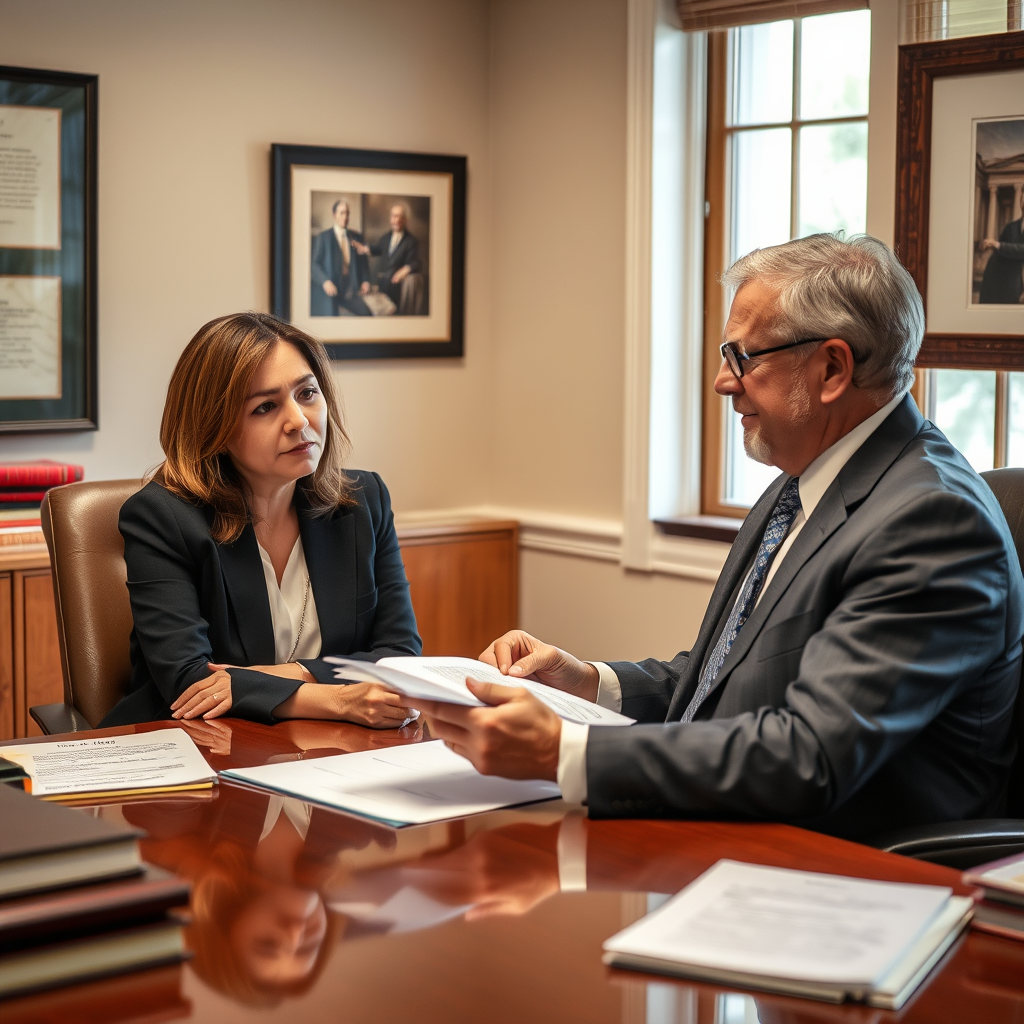
Protecting Your Assets: Property Division Attorney Fauquier County, VA
As of December 2025, the following information applies. In Virginia, property division during divorce involves an equitable distribution of marital assets and debts, not necessarily an equal split. The court considers various factors to ensure fairness. The Law Offices Of SRIS, P.C. provides dedicated legal defense and representation for these matters, helping you understand your rights and protect your financial future.
Confirmed by Law Offices Of SRIS, P.C.
What is Property Division in Virginia?
When a marriage ends in Virginia, one of the most significant challenges is figuring out how to divide the assets and debts accumulated during the marriage. This process, known as property division, doesn’t always mean a 50/50 split. Instead, Virginia law follows the principle of “equitable distribution.” This means the courts aim for a fair division, considering a range of factors that might make an equal split anything but fair for one party. It’s about ensuring each person leaves the marriage with a just share, allowing them to rebuild their life on solid ground. This can include everything from your family home and retirement accounts to vehicles and even credit card debt.
Understanding what constitutes marital property versus separate property is your first step. Marital property generally includes all property, real or personal, acquired by either party or both parties during the marriage, and before the date of the last separation. Separate property is anything owned before the marriage, or acquired during the marriage by gift or inheritance, or property acquired after separation. Sometimes, separate property can become marital property if it’s “commingled” or if marital funds are used to improve it. Untangling these categories can be tricky, and it’s where knowledgeable legal guidance truly makes a difference. You want to make sure your contributions, financial and otherwise, are properly recognized.
The court will look at several factors to determine what’s equitable. These can include the contributions of each party to the marriage, both monetary and non-monetary, like raising children or maintaining the household. They’ll also consider the duration of the marriage, the ages and physical and mental condition of each party, how and when specific assets were acquired, and the circumstances that led to the divorce itself. Even things like tax consequences and the debts and liabilities of each party come into play. It’s a comprehensive review aimed at fairness, not just mathematical equality. You shouldn’t have to face this alone; having an experienced attorney on your side can clarify what to expect and advocate for your best interests.
Takeaway Summary: Property division in Virginia follows equitable distribution, meaning a fair, not necessarily equal, division of marital assets and debts based on various factors. (Confirmed by Law Offices Of SRIS, P.C.)
How to Plan for Property Division in Fauquier County, VA?
Facing property division during a divorce can feel overwhelming, but a structured approach can help bring clarity. Here’s a basic roadmap for how to prepare and move through the process in Fauquier County, Virginia:
-
Identify All Assets and Debts:
Start by making a comprehensive list of everything you and your spouse own and owe. This includes bank accounts, real estate (your home, investment properties), vehicles, retirement funds (401ks, IRAs, pensions), stocks, bonds, business interests, valuable personal property like jewelry or art, and don’t forget debts: mortgages, car loans, credit card balances, student loans, and any personal loans. Gathering financial statements, tax returns, deeds, and titles from throughout your marriage will be incredibly helpful. Be thorough; overlooking an asset or a debt now could have significant implications later.
-
Distinguish Marital from Separate Property:
Once you have your full list, begin categorizing each item. Marital property is generally anything acquired during the marriage by either spouse. Separate property includes assets owned before the marriage, gifts or inheritances received individually during the marriage, and assets acquired after your separation. It’s common for these lines to blur, especially if separate assets were used for marital purposes or if marital funds were used to improve separate property. This step is often where disputes arise, making knowledgeable legal guidance indispensable.
-
Valuate Assets:
Once identified and categorized, assets need to be assigned a fair market value. For real estate, you might need professional appraisals. For retirement accounts, statements will show values, but calculations for division can be detailed due to taxes and penalties. Business interests often require a forensic accountant to determine their worth. Accurately valuing everything ensures that when it comes time for division, everyone is working with the same, realistic numbers. This isn’t just about big ticket items; even smaller, sentimental assets need consideration.
-
Attempt to Negotiate a Property Settlement Agreement:
Before involving the court, many couples try to negotiate a Property Settlement Agreement (PSA). This is a legally binding contract outlining how all assets and debts will be divided. It’s an opportunity for you and your spouse to retain control over the outcome, rather than leaving it to a judge. This can be done directly, through mediation, or with the help of your respective attorneys. A successful PSA can save time, money, and emotional strain. Your attorney can help draft, review, and negotiate this agreement, ensuring your rights are protected and the terms are fair and enforceable.
-
If No Agreement, Prepare for Litigation:
If negotiation isn’t successful, the court will make the final decisions. This means both sides will present their arguments and evidence regarding marital and separate property, valuations, and what they believe constitutes an equitable distribution. A judge will then weigh all the statutory factors (like contributions to the marriage, duration of the marriage, and circumstances leading to the divorce) and issue an order. This phase involves extensive discovery, presenting evidence, and potentially trial. Having seasoned legal counsel at this stage is absolutely vital to effectively present your case and advocate for your financial future.
-
Consider the Long-Term Impact:
Property division isn’t just about dividing what you have today; it’s about setting up your financial future. Think about tax implications of selling assets, the liquidity of what you receive, and how it will support your life post-divorce. For example, keeping the family home might seem appealing, but can you afford the mortgage, taxes, and upkeep on a single income? Or would it be better to sell it and split the proceeds, allowing both parties to purchase more affordable housing? These are detailed decisions that require careful thought and often, financial planning alongside legal advice. A good attorney helps you see beyond the immediate settlement.
Can I Truly Achieve a Fair Property Settlement in My Fauquier County Divorce?
It’s natural to feel a sense of dread or concern when facing property division in a divorce. Many people worry they’ll be left with nothing, or that their spouse will unfairly hide assets, or that the system simply won’t understand their unique contributions to the marriage. “Will I lose everything I’ve worked for?” is a common question echoing in the minds of those going through this difficult time. The uncertainty surrounding your financial future can be terrifying, making it difficult to focus on anything else. This fear is valid, especially when emotions are running high and the stakes feel so incredibly personal.
Blunt Truth: Achieving a “fair” property settlement is absolutely possible in Fauquier County, Virginia, but it rarely happens without proactive, informed action. The law aims for equitable distribution, which is a key distinction from simply splitting everything down the middle. What’s “equitable” for one couple might be very different for another, depending on their individual circumstances, contributions, and needs. This is where the intricacies of Virginia law come into play, requiring a detailed understanding of how courts interpret factors like the duration of the marriage, the ages and health of the parties, and the circumstances that contributed to the divorce.
The path to fairness often involves a rigorous process of asset identification, valuation, and negotiation. Sometimes, one spouse might attempt to undervalue assets or conceal them, and without experienced legal representation, it can be incredibly challenging to uncover such actions. An attorney can utilize discovery tools, such as subpoenas and depositions, to ensure full financial disclosure, bringing all assets and debts into the light. This diligence helps to level the playing field, making sure that both parties are operating with complete information. Don’t let fear paralyze you; instead, let it motivate you to seek out the strongest possible advocate for your rights.
Remember, a property settlement isn’t just about today; it impacts your future. Will you be able to maintain your standard of living? Will you have the resources to rebuild? These are critical questions that demand thoughtful answers during the division process. With a seasoned property settlement lawyer, you’re not just getting legal advice; you’re gaining a strategic partner who can help you identify what truly matters for your long-term stability and happiness. They can help you understand the potential tax implications of different asset divisions and guide you towards decisions that are not only fair but also financially sound for your post-divorce life. Having someone in your corner who understands these nuances can transform your fear into focused action.
Even in situations that seem stacked against you, an attorney can help find creative solutions. Perhaps one spouse wants to keep the marital home, and the other needs a larger share of retirement assets to balance the equity. Or maybe there’s a family business that needs to be valued and divided without destroying its viability. These are not simple puzzles; they require a deep understanding of both family law and financial principles. Your attorney’s role is to ensure your voice is heard, your contributions are recognized, and your future is protected, moving you from a place of uncertainty to one of hope and stability.
Why Choose Law Offices Of SRIS, P.C. for Your Property Division in Fauquier County?
When your financial future hangs in the balance during a divorce, having the right legal team makes all the difference. At the Law Offices Of SRIS, P.C., we understand the immense stress and uncertainty that property division can bring. Our approach is built on a foundation of clear communication, empathetic understanding, and determined advocacy for our clients in Fauquier County, VA.
Mr. Sris, the founder, CEO & Principal Attorney, brings a wealth of experience to these challenging cases. His dedication to managing detailed family law matters is profound. As Mr. Sris himself states:
“My focus since founding the firm in 1997 has always been directed towards personally handling the most challenging and detailed criminal and family law matters our clients face.”
This commitment means you’re not just another case file; you’re an individual facing a significant life event, and your concerns are our concerns. Our team is dedicated to working tirelessly to protect your financial interests, ensuring that the division of assets and debts is as equitable as possible under Virginia law. We’ll meticulously review your financial situation, identify all marital and separate property, ensure accurate valuations, and fight for a settlement that allows you to move forward with confidence.
Choosing the Law Offices Of SRIS, P.C. means partnering with a team that has a deep understanding of Virginia’s equitable distribution laws and how they apply in Fauquier County. We’re not afraid to take on complicated financial situations, including those involving business valuations, hidden assets, or detailed retirement accounts. Our goal is to demystify the legal process for you, providing straightforward advice and keeping you informed every step of the way. We believe that an informed client is an empowered client, and we’re here to empower you through this challenging period.
We pride ourselves on offering a confidential case review where you can discuss your unique circumstances without judgment. We understand that every divorce is different, and every family’s financial field is unique. That’s why we tailor our strategy to fit your specific needs and goals. Our aim is to achieve the best possible outcome for you, whether that’s through skillful negotiation of a property settlement agreement or through robust representation in court if litigation becomes necessary. Don’t face the details of property division alone; let our experienced team provide the guidance and advocacy you deserve.
Law Offices Of SRIS, P.C. has a location in Fairfax that serves clients in Fauquier County. You can reach us at:
4008 Williamsburg CourtFairfax, VA, 22032, US
Phone: +1-703-636-5417
Call now for a confidential case review.
Frequently Asked Questions About Property Division in Fauquier County, VA
- What’s the difference between marital and separate property in Virginia?
- Marital property is generally acquired during the marriage, while separate property is owned before marriage, received as a gift or inheritance, or acquired after separation. Commingling assets can complicate classification, making clear distinctions vital.
- Does Virginia always split property 50/50 in a divorce?
- No, Virginia follows equitable distribution, meaning a fair division based on various factors, not necessarily an equal 50/50 split. Courts consider contributions, marriage duration, and financial circumstances to achieve fairness.
- How are retirement accounts divided in a Virginia divorce?
- Retirement accounts accumulated during the marriage are considered marital property. They are typically divided using a Qualified Domestic Relations Order (QDRO), allowing transfer without immediate tax penalties when properly executed.
- Can hidden assets be discovered during property division?
- Yes, experienced attorneys use legal discovery tools like subpoenas and interrogatories to uncover hidden assets or undisclosed financial information. Diligent investigation ensures all marital property is identified and valued fairly.
- What if we can’t agree on property division?
- If negotiation or mediation fails, the court will decide. A judge will weigh statutory factors to determine an equitable distribution, issuing an order that both parties must follow. Legal representation is important during litigation.
- Is a Property Settlement Agreement (PSA) legally binding in Virginia?
- Yes, a properly drafted and executed Property Settlement Agreement is a legally binding contract in Virginia. It outlines how assets and debts are divided and is typically incorporated into the final divorce decree by the court.
- How does debt get divided in a Virginia divorce?
- Like assets, marital debts accumulated during the marriage are subject to equitable distribution. This includes mortgages, car loans, credit card debt, and other liabilities. The court aims for a fair allocation of these obligations.
- Do I need an attorney for property division?
- While not legally required, having a knowledgeable property division attorney is highly recommended. They protect your rights, ensure fair valuation, negotiate on your behalf, and represent you effectively in court if needed.
- What factors does the court consider for equitable distribution?
- The court considers factors such as each spouse’s contributions to the marriage, duration of the marriage, ages and health, circumstances leading to the divorce, how and when assets were acquired, and tax consequences.
- What if I owned property before the marriage?
- Property owned before the marriage is generally considered separate property. However, if marital funds were used to improve it or if it was commingled with marital assets, its classification could become more detailed.
The Law Offices Of SRIS, P.C. has locations in Virginia in Fairfax, Loudoun, Arlington, Shenandoah and Richmond. In Maryland, our location is in Rockville. In New York, we have a location in Buffalo. In New Jersey, we have a location in Tinton Falls.
Past results do not predict future outcomes.