


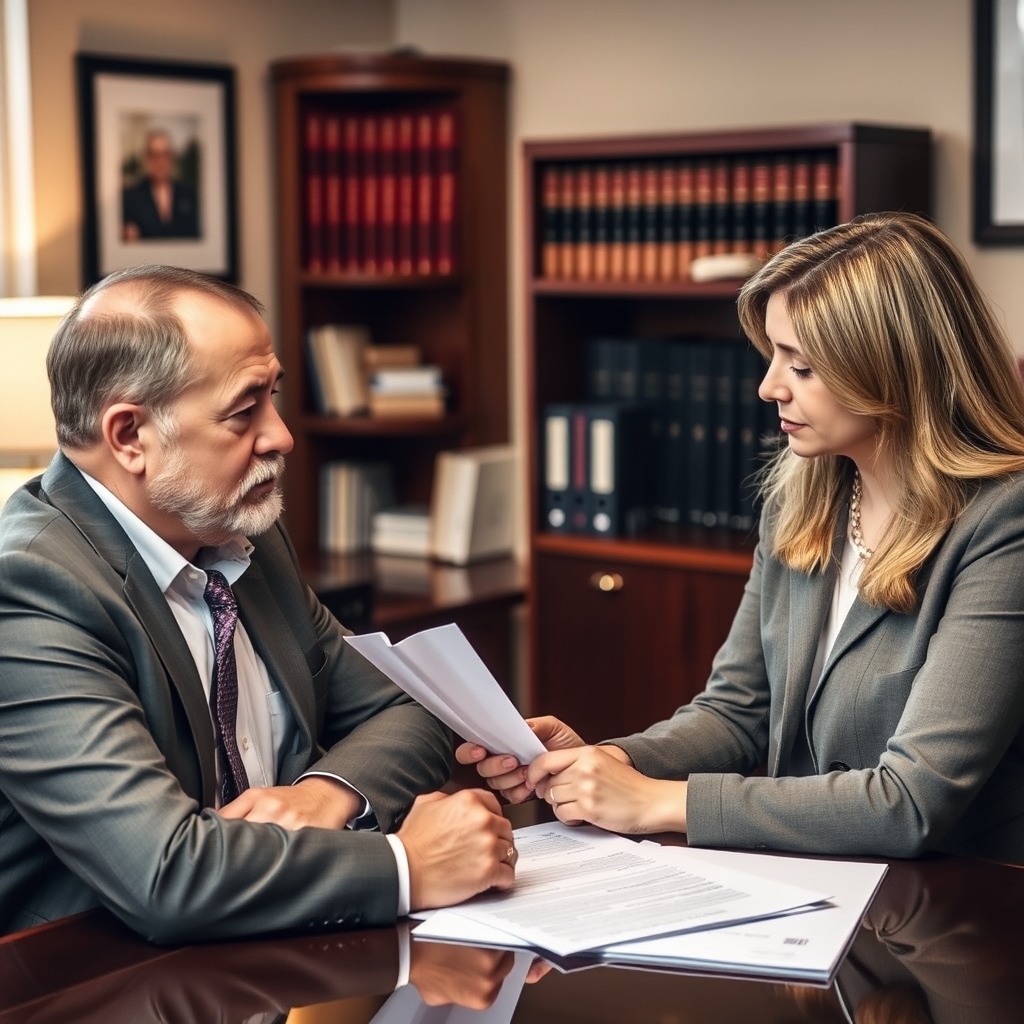
Separation Agreement Lawyer Goochland County, VA
You and your spouse have decided to separate. The house you bought together in Goochland, the retirement accounts you both contributed to over the years, the custody of your children—everything needs to be addressed. A separation agreement is often the most direct path to resolving these issues without a drawn-out contested trial. At Law Offices Of SRIS, P.C., Mr. Sris and his Of Counsel help clients throughout Goochland County negotiate comprehensive agreements that cover property division, spousal support, child custody, and child support. Our Richmond location serves individuals in Goochland, Crozier, Oilville, and the surrounding areas. To discuss your situation and explore whether a separation agreement is right for your family, reach us at (888) 437-7747. Law Offices Of SRIS, P.C. — Advocacy Without Borders.
How a Separation Agreement Can Protect Your Interests in Goochland County
In Virginia, a separation agreement—also called a property settlement agreement—is a legally binding contract that allows spouses to settle all issues arising from their separation without court intervention. Under Va. Code § 20-109, a written agreement signed by both parties can resolve matters such as equitable distribution of marital property, spousal support under § 20-107.1, child custody and visitation under § 20-124.2, and child support under § 20-108.1. The agreement can then be incorporated into a final divorce decree, giving it the enforceability of a court order.
For residents of Goochland County, having a clear separation agreement can streamline the divorce process. Goochland County Circuit Court, located at 2938 River Road West, Building G, Goochland, VA 23063, handles all divorce and equitable distribution matters, while Goochland County Juvenile and Domestic Relations District Court hears standalone custody, support, and protective order cases. When a signed separation agreement covers all issues, the divorce itself may proceed on a no-fault basis after the applicable separation period—six months if there are no minor children and the agreement is in place, or one year if there are minor children. Without an agreement, the division of marital assets and custody decisions fall to the court, which can add uncertainty and cost.
What to Expect When Negotiating a Separation Agreement
Building a separation agreement involves several steps, and each case is unique. Mr. Sris and his Of Counsel begin by gathering a full picture of the family’s finances, including real estate, retirement accounts, business interests, debts, and any other assets or liabilities. We then work with clients to identify priorities—whether that is retaining the family home, securing spousal support, or establishing a parenting plan that works for the children.
Once the key issues are identified, we engage in negotiations with the other party or their counsel. In many cases, the spouses are able to reach agreement on most issues through direct negotiation; when disagreements persist, mediation can be an effective next step. Goochland County courts encourage parties to resolve matters by agreement, and a well-drafted separation agreement that reflects a fair compromise can save both time and the emotional toll of litigation. Once signed, the agreement is submitted to the Circuit Court along with the divorce complaint and, after the necessary separation period has run, the court may grant the final decree.
Potential Consequences if No Agreement Is Reached
If a spouses cannot reach a separation agreement, the unresolved issues are decided by a judge. In Goochland County, that means the Circuit Court will apply Virginia’s equitable distribution laws to divide marital property, consider the statutory factors for spousal support, and determine child custody based on the best interests of the child. Equitable distribution does not guarantee a 50/50 split; the court weighs factors such as each spouse’s contributions, the length of the marriage, and the circumstances experienced to the divorce. Litigating these issues can take months, involve multiple hearings, and generate substantial legal fees.
Moreover, without an agreement, each party must present evidence and may need to call witnesses, hire attorneys for business valuation or forensic accounting, and go through the discovery process. The court’s decision is final and may not align with either party’s expectations. A signed separation agreement puts the control back in your hands, allowing you to craft terms that reflect your family’s specific circumstances rather than leaving those decisions to a judge who does not know your situation.
Why Choose Mr. Sris and His Of Counsel for Your Separation Agreement
Law Offices Of SRIS, P.C. was founded in 1997 by Mr. Sris, a former prosecutor who now concentrates his practice on family law and civil matters. Mr. Sris, Owner and Founder of the firm, is admitted in Virginia, Maryland, the District of Columbia, New Jersey, and New York. He is supported by a team of Of Counsel with extensive experience in family law, including attorneys with backgrounds in criminal prosecution, law enforcement, and high‑stakes litigation. Over 120 years of combined legal experience between Mr. Sris and his Of Counsel, with 4,739+ documented firm-wide results, inform our approach to every separation agreement. Results may vary.
For Goochland County clients, our Richmond location at 7400 Beaufont Springs Drive, Suite 300, Room 395, Richmond, VA 23225 provides a convenient point of contact. We appear regularly in Goochland County Circuit Court and the Juvenile and Domestic Relations District Court, and we understand the local procedures and the expectations of the bench. To discuss your separation agreement or any other family law matter, call (888) 437-7747 or use our online contact form to schedule a consultation.
Frequently Asked Questions
What is a separation agreement in Virginia?
A separation agreement is a written contract between spouses that resolves all issues arising from the separation—property division, spousal support, child custody, and child support—without court intervention. Once signed, it can be incorporated into a final divorce decree.
Do I need a lawyer for a separation agreement in Goochland County?
You are not required to hire a lawyer, but an experienced family law attorney can help ensure the agreement is legally sound, protects your rights, and addresses all necessary financial and custodial matters to avoid future disputes.
How long does a separation agreement take to finalize in Goochland County?
The timeline depends on the detail of the issues and how quickly both parties can reach agreement. Uncontested matters with a signed separation agreement typically proceed more quickly; contested issues may extend the process.
Can a separation agreement be changed after it is signed?
Yes, a separation agreement can be modified if both parties agree to the changes in writing, or if a court finds that a material change in circumstances warrants a modification of child custody or support provisions.
What if my spouse refuses to sign a separation agreement?
If one spouse refuses to agree, the outstanding issues must be litigated in court. Mr. Sris and his Of Counsel can represent you in contested divorce proceedings in Goochland County Circuit Court, presenting your position on property division, custody, and support.
How is property divided if we don’t have a separation agreement?
Without a signed agreement, the court divides marital property under Virginia’s equitable distribution law, which considers factors such as each spouse’s contributions and the duration of the marriage. The result may not reflect your personal priorities.
Attorney advertising. Prior results do not guarantee a similar outcome.
Results may vary.
Case results depend on a variety of factors unique to each case.