


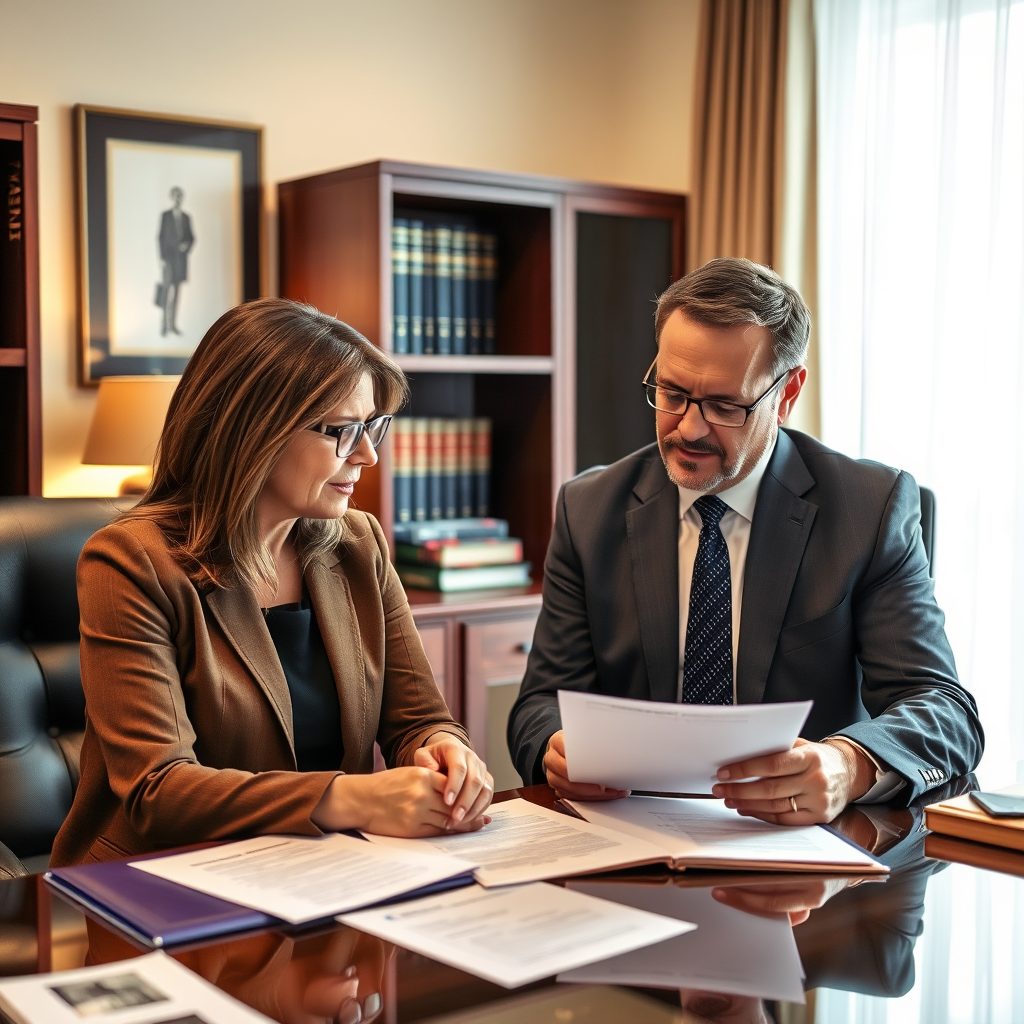
Halifax County, VA Separation Agreement Lawyer: Your Guide to a Fair Split
As of December 2025, the following information applies. In Virginia, a separation agreement involves a legally binding contract between spouses outlining terms for property, debt, custody, and support during a period of separation before divorce. It provides a structured approach to dissolving marital ties, offering clarity and reducing conflict. The Law Offices Of SRIS, P.C. provides dedicated legal representation for these matters.
Confirmed by Law Offices Of SRIS, P.C.
What is a Separation Agreement in Virginia?
Alright, let’s get straight to it. A separation agreement in Virginia is essentially a contract between spouses who are living apart and heading towards divorce. Think of it like this: instead of letting a judge decide every little detail of your future, you and your spouse sit down (with legal guidance, hopefully!) and map out how you’re going to handle things during this transitional period and beyond. This agreement tackles the big stuff – who gets the house, how debts are divided, how you’ll manage money, and perhaps most importantly, how you’ll raise your kids. It’s a way to bring some order and predictability to what can feel like a really chaotic time. It’s not just a handshake deal; it’s a formal, written document that spells out the terms of your separation and often, the terms of your eventual divorce.
Many folks in Halifax County, VA, find themselves asking if they really need one. The short answer? It can make a world of difference. When you and your spouse can agree on terms yourselves, even with disagreements, it often saves a lot of time, stress, and money compared to battling it out in court. It provides a framework for your lives while you’re separated, which is a requirement in Virginia before you can finalize a divorce based on no-fault grounds. For example, if you have minor children, you generally need to be separated for 12 months. If you don’t have minor children and have a separation agreement, that period can be shortened to six months. This agreement essentially acts as a blueprint for your future, allowing you to move forward with a bit more certainty.
What can go into one of these agreements? Pretty much everything you need to sort out to live separate lives. We’re talking about property division – who keeps the family home, cars, bank accounts, investments, retirement funds. Then there’s debt – credit cards, mortgages, loans. If you have kids, it’ll cover child custody (who they live with, visitation schedules) and child support. Spousal support, also known as alimony, is another big piece. You can agree on the amount, duration, or even waive it entirely. These are serious decisions, and putting them down in a formal agreement helps prevent future arguments and provides a clear path for both parties.
Blunt Truth: Without a well-drafted separation agreement, you’re leaving your future to chance or to the court’s discretion. This document empowers you to have a say in your own destiny during a divorce, rather than having decisions imposed upon you.
Takeaway Summary: A Virginia separation agreement is a crucial, legally binding contract that defines property, debt, custody, and support terms between spouses during a separation, offering a more controlled path to divorce. (Confirmed by Law Offices Of SRIS, P.C.)
How to Create a Separation Agreement in Halifax County, VA?
Creating a separation agreement might sound intimidating, but when you break it down, it’s a structured process designed to help you and your spouse move forward. It’s about making sure everything is clear, fair, and legally sound for your situation in Halifax County, VA. Here’s a look at the typical steps involved:
-
Understand Virginia Law and Your Situation
Before you even begin discussing specifics, it’s absolutely vital to understand the legal landscape in Virginia regarding separation and divorce. For a no-fault divorce in Virginia, you must live separate and apart for a certain period – typically six months if you have no minor children and a written separation agreement, or 12 months if you have minor children. This isn’t just about living in different houses; it means living without any marital cohabitation or intent to reconcile. Knowing these basic requirements sets the stage for everything else. You’ll also want to consider what type of agreement best suits your situation – sometimes a simple agreement works, other times, a more complex, detailed document is needed, especially if there are significant assets or challenging child custody matters. A knowledgeable attorney can help you grasp these initial complexities and ensure you’re starting on the right foot, fully aware of your rights and obligations under Virginia law.
Real-Talk Aside: This isn’t the time to guess. Getting a handle on the legal basics first prevents headaches later. Think of it as mapping your route before you start driving.
-
Gather Comprehensive Financial Information
This step is often the most time-consuming but arguably the most important. A separation agreement hinges on a clear understanding of your joint and individual finances. You’ll need to compile a complete inventory of all assets and debts. This includes bank accounts, investment portfolios, retirement accounts (like 401ks and IRAs), real estate (your home, any other properties), vehicles, and even personal property of significant value. On the debt side, collect statements for mortgages, car loans, credit cards, student loans, and any other outstanding liabilities. Don’t forget income and expense documentation, like pay stubs, tax returns, and household bills. Transparency here is key. Trying to hide assets or misrepresent income will only lead to distrust and legal complications. The more thoroughly you prepare this information, the smoother the negotiation process will be, and the more likely you are to achieve an equitable distribution in your agreement. Lawyers often refer to this as the ‘discovery’ phase, and it’s essential for a fair outcome.
Blunt Truth: Don’t skimp on this. If you don’t know what you have, you can’t fairly divide it. Every dollar and every debt matters here.
-
Discuss and Negotiate Key Issues
With all your financial data laid out, it’s time to tackle the core issues. This is where you and your spouse, ideally with your respective legal counsel, will negotiate the terms of your separation. The primary areas include: property division (how marital assets and debts are split), spousal support (whether one spouse pays the other, how much, and for how long), and if you have children, child custody (legal and physical custody arrangements, including visitation schedules) and child support. Each of these components has legal guidelines in Virginia, but there’s often room for negotiation. For example, you might trade a larger share of a retirement account for keeping the family home. Child-related issues, however, always prioritize the child’s best interests, and judges will scrutinize these parts of the agreement more closely. This stage requires patience, a willingness to compromise, and realistic expectations. Your attorney will represent your interests fiercely while also guiding you toward practical solutions.
Real-Talk Aside: This isn’t about winning everything. It’s about finding a fair middle ground that you can both live with, so you can actually move on.
-
Drafting the Separation Agreement
Once you’ve reached a consensus on all the key points, your attorney will draft the formal separation agreement. This isn’t just typing up your notes; it’s a detailed legal document that uses precise language to define each term and condition. It needs to be clear, unambiguous, and comprehensive, covering all contingencies. A well-drafted agreement anticipates potential future issues and addresses them upfront. For instance, it might include clauses about what happens if one spouse remarries, or how future disagreements about child visitation will be resolved. The drafting process ensures that the agreement complies with Virginia law and is enforceable. This is where the experience of your legal counsel shines through, making sure no stone is left unturned and your rights are fully protected. Generic templates often miss critical details specific to your circumstances, which is why a custom-drafted document is always the superior choice.
Blunt Truth: A handshake is nice, but in law, ink on paper is what counts. Make sure it’s done right, or it could unravel later.
-
Review, Finalize, and Sign the Agreement
After the initial draft, both you and your spouse (and your respective attorneys) will meticulously review the document. This is your chance to catch any errors, clarify any confusing language, or ensure that everything you agreed upon is accurately reflected. Don’t rush this step. Once you’re both satisfied that the agreement perfectly reflects your understanding and intentions, it will be formally signed. In Virginia, a separation agreement needs to be signed by both parties in front of a notary public to be legally valid. This notarization confirms the identities of the signers and that they signed voluntarily. While you don’t typically file a separation agreement with the court immediately (unless you’re filing for a six-month divorce), it becomes a legally binding contract the moment it’s properly executed. It’s the moment your agreement transitions from a plan into a powerful legal tool that guides your future.
Real-Talk Aside: Read every single word. This document will shape your life for years. No detail is too small to review.
Can I Change a Separation Agreement After It’s Signed in Virginia?
It’s a really common and valid concern: what happens if life throws a curveball after you’ve signed your separation agreement in Halifax County, VA? Many people assume that once it’s signed, it’s set in stone forever. While separation agreements are generally intended to be final and binding contracts, the reality is a bit more nuanced, especially concerning certain aspects. Think of it like a very important deal you’ve made; it’s not something you can just casually undo because you’ve had a change of heart or a minor shift in circumstances. The law values the stability and finality that these agreements provide, so judges don’t typically allow modifications simply because one party regrets the terms or finds them inconvenient. The purpose of these agreements is to provide a clear and definitive path forward, reducing the need for ongoing court intervention. This certainty is a major benefit for both parties as they navigate separate lives.
For parts of the agreement dealing with property division and spousal support, these are usually considered contractual and are very difficult to change once finalized. Unless there was fraud, duress, or a fundamental mistake at the time the agreement was made, courts are generally reluctant to modify these financial terms. This is why getting it right the first time, with experienced legal counsel, is so incredibly important. You can’t typically go back to court and say, “I wish I hadn’t given up that asset,” or “I need more spousal support now,” without a very compelling legal reason that often existed when the agreement was signed. It reinforces the need for careful consideration and thorough negotiation during the initial drafting process. These provisions are seen as a final settlement of marital assets and liabilities, and altering them without strong justification would undermine the very essence of the contract.
However, there’s an important distinction when it comes to child custody, visitation, and child support provisions. Virginia courts always retain jurisdiction over matters concerning children. This means that even if you and your spouse agree on these terms in your separation agreement, a court can modify them if there has been a “material change in circumstances” and if the modification is in the “best interests of the child.” For example, if one parent gets a new job requiring a move across the state, or if a child’s educational or health needs dramatically change, a court might consider modifying the existing custody or visitation schedule. Similarly, child support can be modified if there’s a substantial change in either parent’s income or the child’s needs. These changes aren’t automatic; you typically need to file a motion with the court and provide evidence of the material change. It’s a protection built into the law to ensure that children’s welfare remains paramount, even after parents have made their agreements. The flexibility here ensures that the agreement can adapt to the evolving needs of children, which is often unpredictable over time.
So, while the financial aspects of your agreement are largely permanent, the child-related provisions have a bit more flexibility, given the right circumstances and a proper legal process. If you find yourself in a situation where you believe a change is necessary, especially regarding your children, it’s absolutely vital to seek legal guidance from an attorney. They can assess your specific situation, determine if you meet the legal threshold for a modification, and guide you through the court process. Trying to make these changes informally or without legal understanding can lead to further complications and unintended consequences. Don’t go through this alone; an experienced lawyer can help you understand your options and the likelihood of success, ensuring that any modifications are handled correctly and uphold the children’s best interests.
Blunt Truth: Property and spousal support? Pretty locked in. Child-related stuff? Potentially changeable if a judge thinks it’s truly better for the kids. Always get legal advice if you think you need a change.
Why Hire Law Offices Of SRIS, P.C. for Your Separation Agreement in Halifax County, VA?
When you’re facing a separation, it’s not just about paperwork; it’s about your future, your peace of mind, and making sure you’re protected. This is where having the right legal counsel makes all the difference. At Law Offices Of SRIS, P.C., we understand the emotional weight and legal complexities involved in creating a separation agreement in Halifax County, VA. Our approach is direct, empathetic, and focused on securing the best possible outcome for you, allowing you to move forward with confidence.
Mr. Sris, our founder and principal attorney, brings a wealth of experience to the table. His insight truly underpins our firm’s dedication:
“My focus since founding the firm in 1997 has always been directed towards personally handling the most challenging and complex criminal and family law matters our clients face.”
This commitment to personally engaging with challenging family law matters, like separation agreements, means you won’t be just another case number. Mr. Sris and the seasoned team at Law Offices Of SRIS, P.C. are knowledgeable about the nuances of Virginia family law, ensuring your agreement is thorough, legally sound, and tailored to your unique circumstances. We help you cut through the legal jargon and understand what’s happening every step of the way, transforming confusion into clarity. Our goal is to empower you with information and strategy, so you can make informed decisions about your future, rather than feeling overwhelmed by the legal process. We know these are life-changing discussions, and our role is to provide stable, reliable guidance.
We know that a separation agreement touches every part of your life: your finances, your home, and your children. That’s why we take a comprehensive approach, meticulously reviewing your assets, debts, and income, and carefully crafting provisions for child custody, visitation, and support. We work diligently to anticipate potential issues and build an agreement that stands the test of time, protecting your interests now and in the years to come. Our goal isn’t just to draft a document, but to provide you with a fair, sustainable solution that empowers you to begin your next chapter. We delve into the specifics of your financial situation, ensuring all assets and liabilities are accounted for, and that the division is equitable and sustainable for both parties. For families with children, we focus on arrangements that support their well-being and growth, seeking solutions that minimize disruption and promote stability. Every clause and every paragraph in your agreement is crafted with your specific needs and long-term stability in mind, reflecting our deep understanding of family law dynamics in Virginia.
Choosing Law Offices Of SRIS, P.C. means choosing a team that’s ready to stand by you, offering clear guidance and robust representation. We prioritize open communication, ensuring you’re informed and empowered to make decisions. When your future feels uncertain, having experienced legal counsel in your corner can provide the reassurance and direction you need. We’re here to help you navigate this significant life transition with dignity and a strong legal foundation. If you’re in Halifax County or anywhere in Virginia and need assistance with a separation agreement, don’t hesitate to reach out for a confidential case review. Our dedication to client success and our empathetic approach ensure that you receive the attention and representation you deserve during such a personal and important legal matter. We are committed to making this process as smooth and effective as possible for you.
Call now to schedule your confidential case review and start building your future with confidence.
Frequently Asked Questions About Separation Agreements in Virginia
1. What’s the main difference between legal separation and divorce in Virginia?
In Virginia, there’s no official “legal separation” status from a court. You simply live separate and apart with the intent to divorce. A separation agreement is a contract outlining terms during this period, whereas a divorce is the final legal dissolution of your marriage.
2. Do I absolutely need a lawyer to create a separation agreement in Virginia?
While not legally mandated, having a knowledgeable lawyer is highly recommended. A seasoned attorney ensures your agreement is fair, comprehensive, and legally enforceable, protecting your rights and avoiding costly future disputes.
3. How long does it take to finalize a separation agreement?
The timeline varies greatly depending on the complexity of your finances, property, and the level of cooperation between spouses. Simple agreements might take weeks, while more contentious situations could take several months of negotiation.
4. Is a Virginia separation agreement always legally binding?
Yes, once properly drafted, signed by both parties, and notarized, a separation agreement is a legally binding contract. It can later be incorporated into your final divorce decree, making it an order of the court.
5. What if my spouse refuses to agree to the terms of a separation agreement?
If agreement isn’t possible, you might need to pursue litigation, where a judge will make decisions regarding property, support, and children. Mediation or collaborative law can sometimes help facilitate agreement before resorting to court.
6. Can we live in the same house but still be considered “separated” in Virginia?
Generally, no. To be “separated” for divorce purposes in Virginia, you must live in separate residences without marital cohabitation and with the intent to end the marriage. Living under the same roof typically doesn’t meet this standard.
7. Does a separation agreement always cover spousal support?
Spousal support (alimony) is a common, but not mandatory, component of a separation agreement. You and your spouse can agree on whether it will be paid, the amount, and its duration, or you can mutually agree to waive it entirely.
8. What happens to our property if we don’t have a separation agreement?
Without an agreement, a court will decide the equitable distribution of your marital property and debts during the divorce process. This involves a judge considering various factors to divide assets and liabilities fairly, which may not align with your preferences.
9. Can a separation agreement address future college expenses for children?
Yes, a well-drafted separation agreement can include provisions for future expenses like college tuition, healthcare, and extracurricular activities for your children. This helps ensure financial planning and reduces future disputes between parents.
10. If we reconcile, what happens to our separation agreement?
If you genuinely reconcile and resume marital cohabitation with the intent to stay married, your separation period typically ends, and the agreement may be deemed void. However, you should formally revoke it or seek legal advice if reconciliation occurs.
The Law Offices Of SRIS, P.C. has locations in Virginia in Fairfax, Loudoun, Arlington, Shenandoah and Richmond. In Maryland, our location is in Rockville. In New York, we have a location in Buffalo. In New Jersey, we have a location in Tinton Falls.
Past results do not predict future outcomes.