


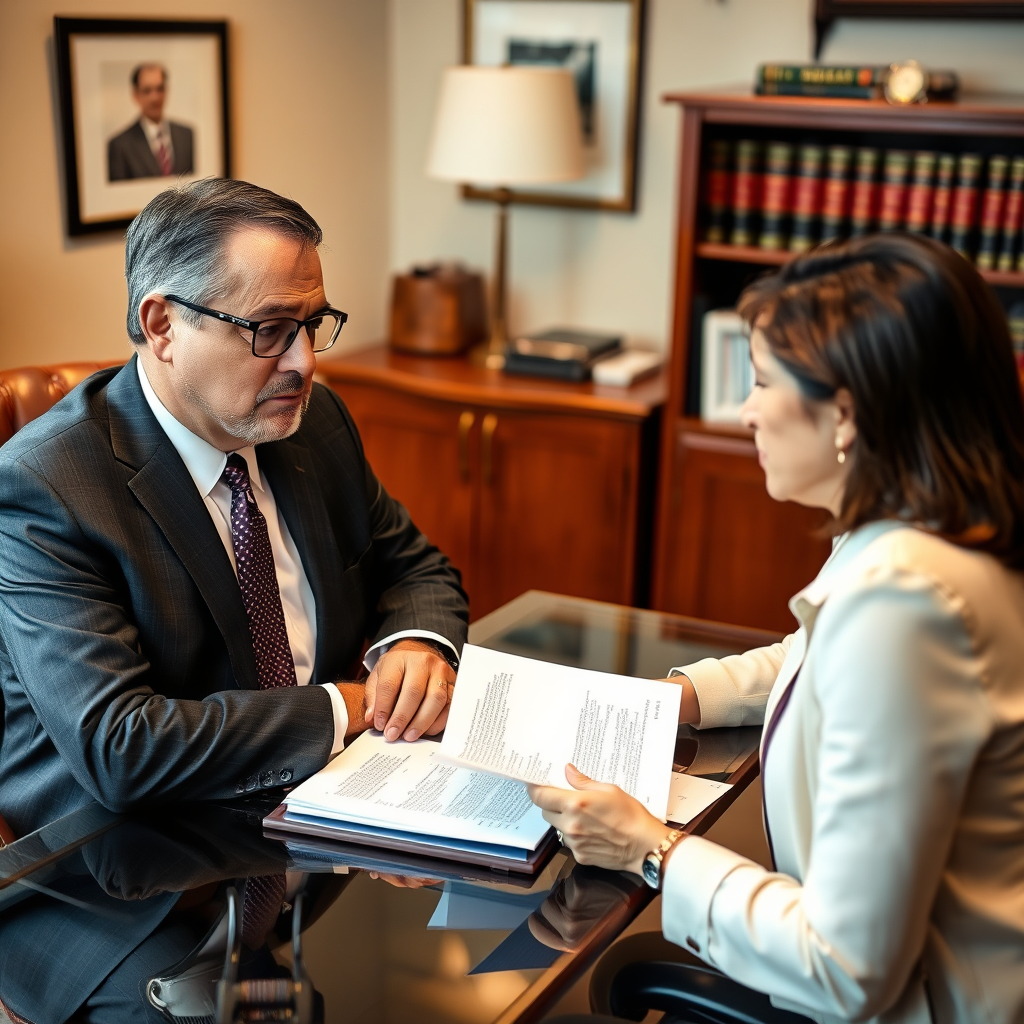
Spousal Support Attorney Frederick County, VA: Protecting Your Financial Future
As of December 2025, the following information applies. In Virginia, spousal support involves financial assistance from one spouse to another after a divorce or separation. It aims to ensure economic fairness and stability for the spouse with less earning capacity. The Law Offices Of SRIS, P.C. provides dedicated legal representation for these matters, guiding you through the intricacies of Virginia’s spousal support laws.
Confirmed by Law Offices Of SRIS, P.C.
What is Spousal Support in Virginia?
Spousal support in Virginia, commonly known as alimony, is a court-ordered financial payment one spouse makes to the other after a divorce or legal separation. The primary purpose isn’t to penalize either party, but rather to help a spouse maintain a lifestyle similar to what they enjoyed during the marriage, especially if one spouse earned significantly more or sacrificed their own career for the family’s benefit. It’s about creating a more equitable financial footing for both individuals as they transition into separate lives. This support can be temporary, lasting for a defined period, or in some instances, for an indefinite duration, depending on the specific facts and circumstances of the marriage and the individuals involved. Virginia law considers numerous factors when determining whether to award spousal support, the amount, and its duration, making it a highly individualized process that requires a thorough understanding of your financial situation and the relevant legal statutes. This isn’t just about dividing assets; it’s about ensuring ongoing financial viability for both parties. The court considers everything from the length of the marriage to each spouse’s earning capacity, contributions to the family, and even their ages and health.
Takeaway Summary: Spousal support in Virginia aims to establish financial fairness after divorce or separation, considering various factors to ensure equitable outcomes. (Confirmed by Law Offices Of SRIS, P.C.)
How to Secure or Modify Spousal Support in Frederick County, VA?
The path to obtaining or adjusting spousal support in Frederick County, VA, can seem daunting, but breaking it down into clear steps helps demystify the process. Whether you’re seeking support, defending against a claim, or need to change an existing order, understanding these stages is important.
-
Understanding Eligibility and Factors
Before any petition is filed, you need to understand Virginia’s criteria for awarding spousal support. The court will closely examine factors like the duration of the marriage, the age and health of each spouse, their respective financial resources and needs, and their contributions to the family’s well-being (both monetary and non-monetary). They also consider the standard of living established during the marriage and the earning capacity of each person. This initial assessment helps in building a strong case or defense. It’s not a simple formula; rather, it’s a comprehensive evaluation of your unique marital and financial history. For instance, if one spouse put their career on hold to raise children, that sacrifice would be weighed heavily. Similarly, any marital fault, such as adultery, can also be a significant factor, potentially barring the guilty party from receiving support or impacting the amount awarded. A seasoned attorney can help you analyze your situation against these complex legal benchmarks, offering clear insight into your potential outcomes.
-
Gathering Financial Documentation
Financial transparency is absolutely essential in spousal support cases. You’ll need to meticulously collect and organize a wide range of documents, including pay stubs, tax returns, bank statements, investment account summaries, retirement account information, credit card statements, and any records of significant debts or assets. This comprehensive financial picture allows the court to accurately assess each spouse’s income, expenses, and overall financial standing. Any missing or incomplete information can significantly delay the process or even negatively impact the court’s decision. It’s not enough to just know your financial situation; you need to prove it with clear, verifiable documentation. A well-organized financial portfolio demonstrates diligence and provides the court with the precise data needed for an informed decision. This includes not just current income but also potential earning capacity, especially if one spouse has voluntarily reduced their income or has untapped professional skills. We guide clients through this often-overwhelming task, ensuring every piece of relevant financial information is accounted for and presented effectively.
-
Filing the Petition
Once you’ve compiled your financial information and understand the legal factors, the formal legal process begins with filing a petition for spousal support with the appropriate Virginia court. This document outlines your request for support, or your defense against a claim, and states the grounds for your position. It’s a critical legal filing that must adhere to specific procedural rules. After the petition is filed, it must be properly served to the other party, officially notifying them of the legal action. This step initiates the formal legal proceedings and sets the timeline for responses and subsequent hearings. The details included in this petition are foundational to your case, so ensuring its accuracy and completeness is paramount. Any errors or omissions can lead to delays or weaken your overall argument. Understanding the intricacies of legal filings and service is where having an attorney becomes invaluable. We make sure all legal formalities are strictly observed, positioning your case for the best possible start. This initial legal move sets the tone for the entire case, and getting it right is non-negotiable.
-
Negotiation or Mediation
Before a judge makes a final decision, many couples attempt to reach an agreement outside of court through negotiation or mediation. In negotiation, attorneys for each spouse communicate to reach a mutually acceptable spousal support arrangement. Mediation involves a neutral third-party mediator who helps facilitate discussions and guides the couple toward a compromise. These alternative dispute resolution methods can be less adversarial, more cost-effective, and offer greater control over the outcome compared to litigation. If an agreement is reached, it’s drafted into a formal settlement and submitted to the court for approval. If not, the case proceeds to a judicial hearing. The goal here is to find common ground without the stress and expense of a full trial. This collaborative approach can preserve relationships, especially when children are involved, and allow for creative solutions tailored to the family’s specific needs. Our firm regularly represents clients in mediation and negotiation, advocating for their interests while promoting productive dialogue to achieve favorable settlements. We prepare our clients thoroughly for these sessions, ensuring they understand their positions and potential compromises.
-
Court Hearing and Order
If negotiation or mediation proves unsuccessful, the case will proceed to a court hearing where a judge will hear arguments from both sides and review all presented evidence. Both parties will have the opportunity to present witnesses, financial documentation, and legal arguments supporting their position on spousal support. After considering all the information, the judge will issue a final order outlining the terms of spousal support, including the amount, duration, and any other specific conditions. This order is legally binding and must be followed by both parties. Preparing for a court hearing involves extensive legal research, witness preparation, and strategic presentation of evidence, which is why skilled legal representation is so important at this stage. We meticulously prepare our cases for trial, anticipating potential challenges and ensuring that our client’s narrative is presented with clarity and persuasive power. This is where the strength of your legal arguments and the quality of your evidence truly matter. Having an experienced attorney advocating for you in court can make a substantial difference in the ultimate outcome of your spousal support order, protecting your rights and financial future.
-
Modification of Existing Orders
Life circumstances change, and what was fair for spousal support years ago might not be fair today. Virginia law allows for the modification of existing spousal support orders if there has been a ‘material change in circumstances’ that wasn’t anticipated when the original order was issued. This could include a significant increase or decrease in either party’s income, a job loss, a serious illness, or the recipient’s cohabitation with a new partner. To seek a modification, a formal petition must be filed with the court, and evidence supporting the material change must be presented. The court will then review the new circumstances and determine if an adjustment to the support order is warranted. It’s important to act promptly if you believe a modification is necessary, as changes typically aren’t retroactive. Understanding what constitutes a ‘material change’ and how to effectively present your case for modification is where legal counsel becomes invaluable. We assist clients in preparing and presenting compelling arguments for modification, whether they are seeking to increase, decrease, or terminate support. Our experience helps ensure that your request is clearly articulated and supported by the necessary evidence, providing you with the best chance for a favorable adjustment that reflects current realities. Don’t wait until financial hardship becomes unmanageable; address changes proactively.
Can I Lose My Spousal Support Rights in Frederick County, VA?
It’s a genuine worry for many: ‘Can I really lose the spousal support I depend on?’ The short answer is yes, under certain circumstances, Virginia law allows for the termination or modification of spousal support. For instance, if the recipient spouse remarries, support typically ends. If they are in a relationship that’s ‘akin to a marriage,’ even without remarrying, the court might reduce or terminate support. Similarly, significant changes in either party’s financial situation – a substantial increase in the recipient’s income or a serious decrease in the payer’s income – can trigger a review. These aren’t just legal theories; they are real-world outcomes that impact lives. You need to understand the specifics of your situation and what might put your support at risk.
Blunt Truth: Hiding changes in your life that impact spousal support can lead to serious legal repercussions, including being ordered to repay funds. Honesty and timely communication with your attorney are always the best policy.
The court’s primary aim is always fairness, which means considering current realities. Don’t assume your spousal support order is set in stone forever. It’s important to proactively address any changes that might affect it, either as the payer or the recipient. Consulting with a seasoned attorney can help you understand the specific triggers for modification or termination and how to best protect your interests.
A common scenario we represent involves a former spouse who begins cohabiting with a new partner. While not remarriage, if the nature of that relationship is substantial enough to mimic a marriage, the payer might petition the court to modify or end spousal support. We’ve managed many cases where the evidence of such a relationship was key to a successful modification. Conversely, we represent recipients facing unfair attempts to reduce their support, making sure their financial stability is appropriately protected. Every case has unique details, and the court looks at the whole picture when making these decisions.
The process for modification involves filing a petition with the court, presenting evidence of a material change in circumstances, and then potentially negotiating or litigating the matter. Without proper representation, it’s easy to miss key legal arguments or fail to present compelling evidence. The stakes are high, impacting your financial stability for years to come. That’s why having an attorney who understands the nuances of Virginia spousal support law is so important. We help you gather the necessary documentation, prepare your legal arguments, and represent you robustly in court or during negotiations. Your financial peace of mind is too important to leave to chance. We ensure that every detail is considered and every legal avenue explored to safeguard your spousal support rights or obligations. It’s about protecting your future, and we take that responsibility seriously.
Why Choose Law Offices Of SRIS, P.C. for Spousal Support Matters?
When your financial future hangs in the balance, you want a legal team that truly gets it – a team that combines deep legal understanding with genuine empathy. At Law Offices Of SRIS, P.C., we’ve been representing individuals in Frederick County, VA, and across Virginia, through the often-stressful process of securing or modifying spousal support. We understand the emotional toll these cases take and are committed to providing direct, reassuring counsel.
Mr. Sris, our founder, brings a unique blend of legal acumen and personal commitment to every case. As he often states: “My focus since founding the firm in 1997 has always been directed towards personally representing the most challenging criminal and family law matters our clients face.” This hands-on approach means your case isn’t just another file; it receives the dedicated attention it deserves from an attorney with decades of experience. His background in accounting and information management also provides a distinct advantage in managing the intricate financial aspects of spousal support cases. This insight allows us to dissect complex financial disclosures and present a clear picture to the court, ensuring your financial contributions and needs are fully recognized.
We don’t just tell you what the law says; we explain what it means for your life. We lay out the options, discuss the potential outcomes, and work with you to develop a strategy that aligns with your goals. Whether you’re seeking to establish support, defend against an unreasonable claim, or modify an existing order, we’re here to fight for your financial well-being. Our approach is always client-centric, ensuring you feel heard, understood, and confidently represented at every step. We believe in empowering our clients with knowledge, enabling them to make informed decisions about their future. This isn’t just about legal battles; it’s about helping you rebuild and move forward with financial stability.
Law Offices Of SRIS, P.C. has locations in Virginia in Fairfax, Loudoun, Arlington, Shenandoah and Richmond. While we do not have a specific location listed for Frederick County, VA, our Virginia offices are well-equipped to manage cases throughout the state. We’re ready to provide you with the robust legal representation you need, bringing our extensive experience and dedication directly to your spousal support matter. We understand that distance is not a barrier to providing exceptional legal service, and we leverage technology and efficient communication to ensure your case proceeds smoothly, regardless of your physical location within Virginia. Our commitment is to provide accessible, high-quality legal support to all our clients. We offer confidential case reviews to discuss your unique situation and develop a personalized legal strategy. Don’t hesitate to reach out and let us put our experience to work for you.
Call now for a confidential case review at +1-888-437-7747 and let us help you manage your spousal support challenges. You don’t have to face this alone. Our dedicated team is ready to listen, advise, and advocate for you, ensuring your financial interests are protected with the utmost care and professionalism.
Frequently Asked Questions (FAQ) About Spousal Support in Virginia
- What factors do Virginia courts consider for spousal support?
- Virginia courts consider numerous factors, including the length of the marriage, the age and health of both spouses, their financial resources and needs, and their contributions to the family. They also evaluate earning capacities and the standard of living during the marriage. Marital fault, like adultery, may also be a consideration.
- Is spousal support always permanent in Virginia?
- No, spousal support in Virginia is not always permanent. It can be for a defined period (temporary) or indefinite, depending on the specific circumstances of the marriage. The court determines the duration based on various statutory factors, aiming for fairness and equity in each case.
- Can a judge order temporary spousal support?
- Yes, a judge can order temporary spousal support, often called pendente lite support, while a divorce case is ongoing. This is intended to maintain the financial status quo for both parties until a final order on spousal support is issued by the court after all evidence is heard.
- What is the difference between spousal support and child support?
- Spousal support (alimony) is financial assistance paid from one spouse to another after separation or divorce to help with the recipient’s living expenses. Child support is money paid by a parent for the financial benefit of their children. They are distinct legal obligations under Virginia law.
- Does adultery impact spousal support in Virginia?
- Yes, adultery can significantly impact spousal support in Virginia. If a court finds that a spouse committed adultery, they may be barred from receiving spousal support, regardless of their financial need. It is a critical factor the court must consider during these proceedings.
- Can spousal support orders be modified after they are issued?
- Yes, spousal support orders in Virginia can be modified if there is a ‘material change in circumstances’ that was unforeseen when the original order was made. This could include significant changes in income, employment status, or health for either party.
- What if my ex-spouse won’t pay spousal support?
- If your ex-spouse fails to pay court-ordered spousal support, you can file a motion with the court to enforce the order. The court can take various actions, including garnishing wages, seizing assets, or even finding the non-paying spouse in contempt of court.
- How is spousal support calculated in Virginia?
- Virginia courts do not use a strict formula to calculate spousal support. Instead, judges consider numerous statutory factors, including financial needs, abilities to pay, duration of marriage, contributions, and any marital fault. It is a discretionary decision based on individual case facts.
- Do I need an attorney for spousal support issues?
- While not legally required, having a knowledgeable attorney for spousal support issues is highly recommended. An attorney can help you understand your rights, gather necessary evidence, negotiate effectively, and represent your interests in court, ensuring the best possible outcome.
- What is ‘rehabilitative’ spousal support?
- ‘Rehabilitative’ spousal support is awarded for a specific period to allow a spouse to acquire the education, training, or experience necessary to become self-supporting. The goal is to help the recipient become financially independent within a set timeframe rather than providing indefinite support.
The Law Offices Of SRIS, P.C. has locations in Virginia in Fairfax, Loudoun, Arlington, Shenandoah and Richmond. In Maryland, our location is in Rockville. In New York, we have a location in Buffalo. In New Jersey, we have a location in Tinton Falls.
Past results do not predict future outcomes.