


Support Contempt Lawyer Powhatan County, VA
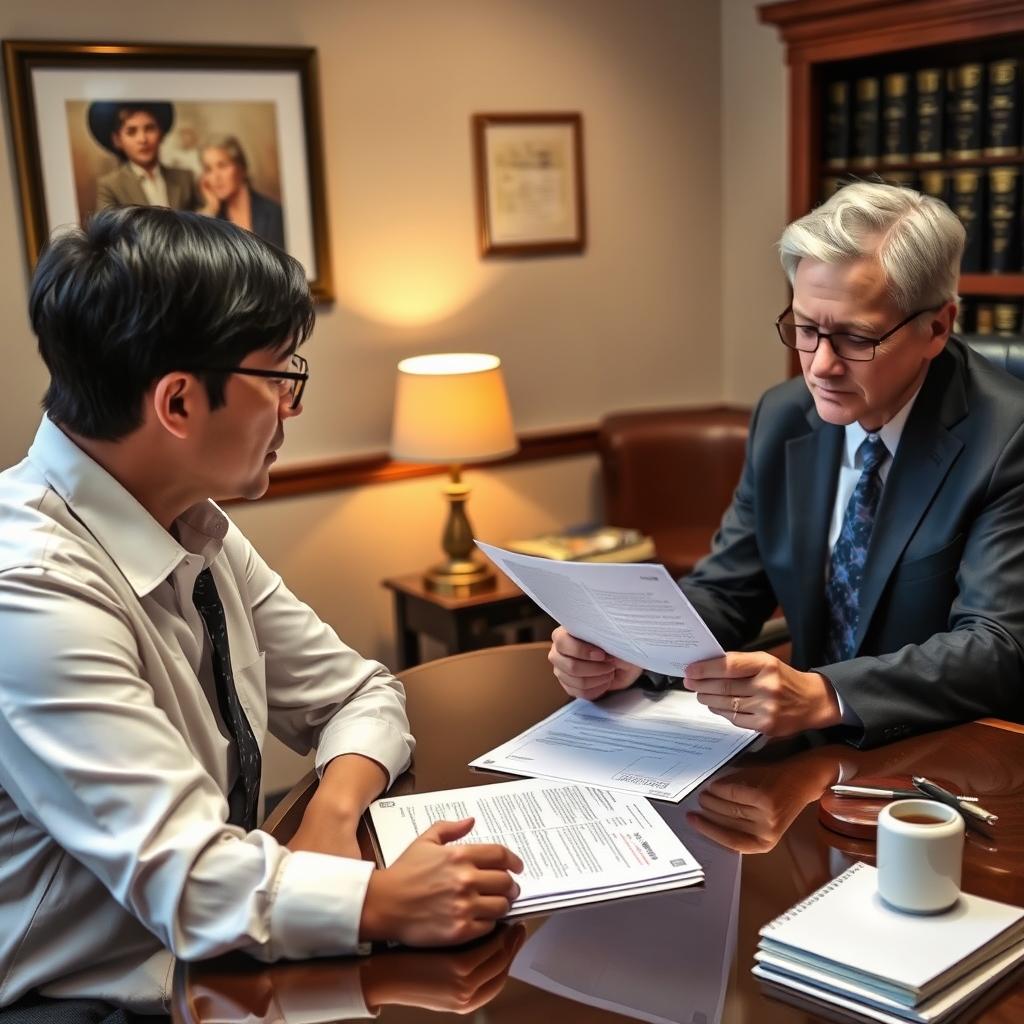
When a court order for spousal or child support is not followed, the consequences can quickly escalate into contempt proceedings—and those proceedings carry the potential for fines, jail time, and other sanctions. If you are facing a support contempt allegation in Powhatan County, Virginia, or if you need to enforce a support order that the other party is willfully ignoring, having an experienced attorney at your side is essential. Mr. Sris and his Of Counsel represent clients in support contempt matters throughout the Twelfth Judicial District, including at the Powhatan County Juvenile and Domestic Relations District Court and the Circuit Court. To discuss your situation and learn how the firm can help, reach Law Offices Of SRIS, P.C. at (888) 437-7747.
What Is Support Contempt in Virginia?
Support contempt arises when a party fails to comply with a court order requiring the payment of spousal support (alimony) under Va. Code § 20-107.1 or child support under Va. Code § 20-108.1. In Virginia, contempt proceedings are the primary mechanism for enforcing these orders, and they can be initiated either by the aggrieved party or by the court itself. The core legal question is whether the obligor had the ability to pay and willfully refused to do so. A finding of contempt can lead to a range of remedies, from a monetary judgment for the arrears to incarceration in cases of civil contempt, where the obligor holds the keys to the jail cell by complying with the order.
In Powhatan County, support contempt matters are handled by the Juvenile and Domestic Relations District Court when the underlying order pertains to custody, visitation, or support, while the Circuit Court retains jurisdiction over contempt matters linked to a pending divorce or equitable distribution case. The firm’s Richmond location serves clients in Powhatan County and appears regularly before both courts. The local procedural landscape requires careful navigation of the rules of evidence, the specific statutory factors for support obligations, and the procedural safeguards unique to contempt proceedings. Mr. Sris and his Of Counsel work to ensure that every issue is presented methodically, whether you are the party seeking enforcement or the party facing a contempt allegation.
Frequently Asked Questions
How does a Virginia lawyer defend against support contempt charges?
Defense strategies for support contempt in Virginia may include challenging the evidence of willful non-payment, demonstrating a genuine inability to pay despite good-faith efforts, examining procedural compliance with the underlying support order, negotiating a purge plan to avoid incarceration, and presenting mitigating factors. An experienced attorney evaluates the specific facts under Va. Code § 20-107.1 (spousal support) or § 20-108.1 (child support) to build the strong $1.
What should I do if I am facing support contempt charges in Virginia?
If facing support contempt charges in Virginia, contact a family law attorney immediately. Do not discuss the case with anyone except your lawyer. Preserve all relevant documents and evidence, including proof of any payments made, correspondence about changes in circumstances, and employment records. The court deadlines and procedural requirements under Virginia law demand prompt action to avoid default or a bench warrant.
What are the penalties for support contempt in Powhatan County, Virginia?
Penalties for support contempt vary depending on whether the contempt is civil or criminal and on the specific circumstances of the case. A court may impose fines, order the payment of arrears with interest, award attorney fees to the prevailing party, and, in appropriate cases, order incarceration. In civil contempt, the obligor can often purge the contempt by paying a set amount. Speak with an attorney about the potential consequences in your particular matter.
Can I go to jail for non-payment of support in Virginia?
Yes, a Virginia court can impose jail time for contempt of a support order. In civil contempt proceedings, incarceration is typically conditional—the obligor may be released upon compliance with the court’s purge plan, such as paying a percentage of the arrears. Criminal contempt, which requires proof beyond a reasonable doubt and the same procedural protections as any criminal case, can also result in a jail sentence. Anyone facing possible incarceration should seek legal representation without delay.
How do I enforce a child support order in Powhatan County?
To enforce a child support order in Powhatan County, you may file a petition for a rule to show cause with the Juvenile and Domestic Relations District Court or the Circuit Court, depending on which court issued the original order. The petition asks the court to require the obligor to appear and explain why they should not be held in contempt. An attorney can help you gather the necessary documentation, prepare the required filings, and present the case at the show cause hearing. For guidance on your specific situation, reach Law Offices Of SRIS, P.C. at (888) 437-7747.
What is the difference between civil and criminal support contempt in Virginia?
Civil contempt is designed to coerce compliance with a court order and is often remedied by the obligor performing the required act—typically paying the arrears. The obligor may be incarcerated but can secure release by complying. Criminal contempt, by contrast, punishes past defiance of the court’s authority and carries all the procedural protections of a criminal case, including the right to counsel and the beyond-a-reasonable-doubt standard. Both types can arise in the context of unpaid spousal or child support, and an experienced attorney can help determine which approach the court is taking and structure the defense accordingly.
What constitutes willful non-payment of support in Virginia?
Willful non-payment means that the obligor had the ability to pay the support ordered and intentionally refused to do so. The court examines employment history, income, assets, living expenses, and any efforts the obligor made to meet the obligation. A sudden loss of income without deliberate conduct is not willful, but failing to seek employment or hiding assets may be. Proving or contesting willfulness is central to any support contempt case, and the factual investigation is a key part of effective representation.
Do I need a lawyer for a support contempt hearing in Powhatan County?
While you are not legally required to have a lawyer for a support contempt hearing, the proceedings involve complex evidentiary rules, the potential for jail, and long-term consequences for your family and finances. An experienced attorney can identify procedural weaknesses, negotiate a resolution, present evidence effectively, and protect your rights. For a consultation, reach Mr. Sris and his Of Counsel at (888) 437-7747.
How does the Powhatan County court calculate support arrears?
The court calculates arrears by determining the total amount owed under the support order from the date of non-payment to the date of the hearing, then subtracting any payments made. Interest may accrue on unpaid arrears as allowed by Virginia law, and the court can reduce the arrears to a judgment. Accurate record-keeping and a clear presentation of the payment history are essential, whether you are seeking to collect or disputing the amount claimed.
What is a rule to show cause in a support contempt case?
A rule to show cause is the formal pleading that initiates a contempt proceeding. It is served on the alleged contemnor and directs them to appear before the court and explain why they should not be held in contempt. The party filing the rule must present sufficient evidence that a valid court order existed, the defendant had knowledge of it, and a violation occurred. The defendant then has the opportunity to present defenses. The process requires strict adherence to procedural rules, and missteps can lead to dismissal or adverse findings.
Can a support contempt finding be appealed in Virginia?
Yes, a support contempt finding can be appealed, but the appellate timelines are short and the procedural requirements are technical. Appeals from the Juvenile and Domestic Relations District Court are heard de novo in the Circuit Court, while appeals from a Circuit Court decision go to the Court of Appeals of Virginia. An attorney can evaluate whether there are preserved legal errors and advise on the viability of an appeal based on the specific facts of the case.
What happens if the obligor leaves Virginia while support contempt is pending?
If the obligor has left Virginia, service of process must follow applicable rules, including the long-arm statute or the terms of the Uniform Interstate Family Support Act. The case remains active, and the court can proceed as long as proper notice has been given. An attorney can help navigate cross-jurisdictional service and advocate for enforcement even when the obligor is out of state.
About Mr. Sris and His Of Counsel Team
Mr. Sris, Owner and Founder of Law Offices Of SRIS, P.C., has practiced family law since founding the firm in 1997. He has appeared in courts throughout Virginia, including the Powhatan County Juvenile and Domestic Relations District Court and Circuit Court, and he works closely with a team of Of Counsel attorneys who bring extensive combined legal experience to support contempt, enforcement, and modification proceedings. Together, Mr. Sris and his Of Counsel analyze the facts, develop a strategy tailored to each case, and present the matter clearly to the court. To discuss your support contempt issue, call (888) 437-7747.
Attorney advertising. Prior results do not guarantee a similar outcome.
Case results depend on a variety of factors unique to each case.
Attorney responsible for this advertising: Mr. Sris.
Results may vary.