


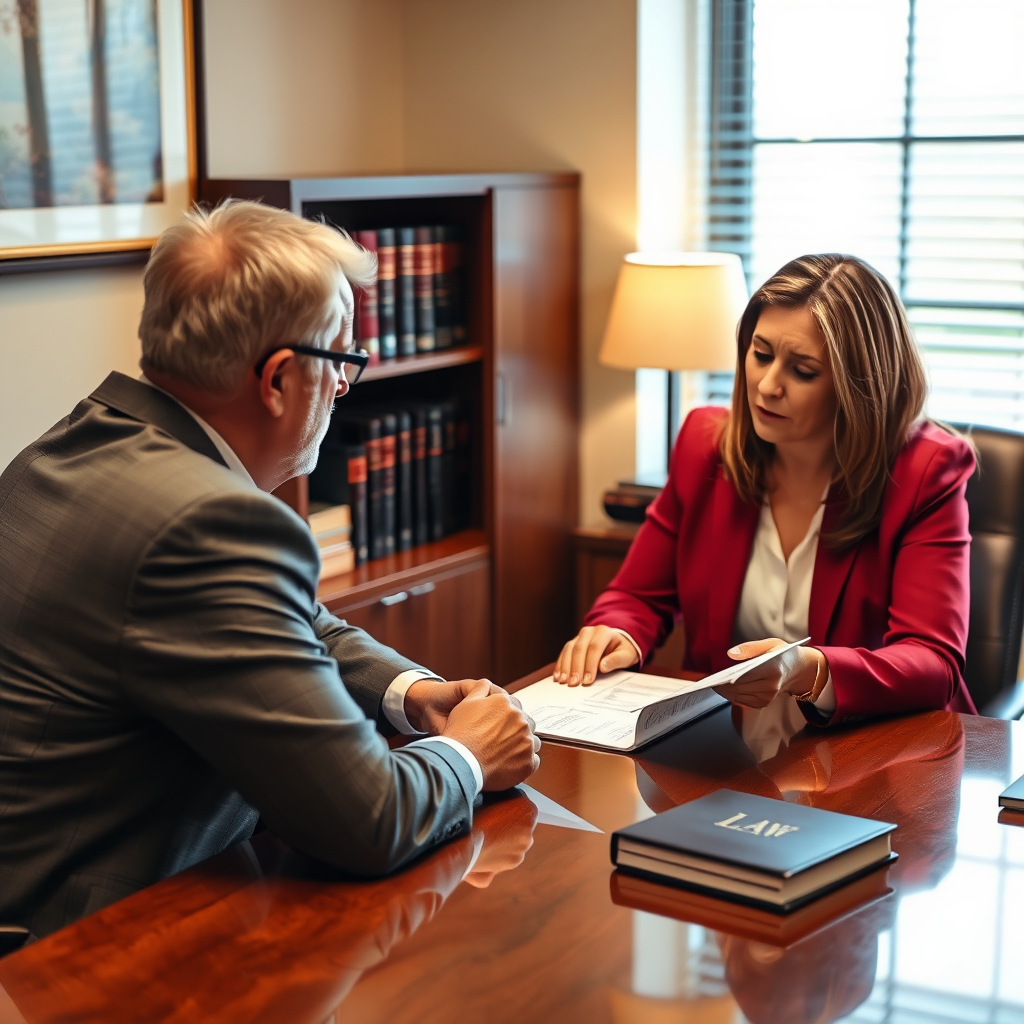
Trial Separation in Amherst County, VA: What You Need to Know
As of December 2025, the following information applies. In Virginia, a trial separation involves spouses living apart with the intent to reconcile or formally divorce later, without a formal court order. This period allows couples to evaluate their marriage while addressing practical matters like finances and parenting. The Law Offices Of SRIS, P.C. provides dedicated legal defense for these matters.
Confirmed by Law Offices Of SRIS, P.C.
What is Trial Separation in Amherst County, VA?
A trial separation in Amherst County, VA, is essentially a period where you and your spouse live separately, but you haven’t yet filed for divorce. Think of it as a test run. You’re giving yourselves space to figure things out, to see if living apart helps resolve issues, or if it solidifies the decision to move towards a permanent divorce. It’s not a legal status granted by a court, but rather an informal agreement between spouses. During this time, you might discuss and agree on temporary arrangements for finances, childcare, and property use, all without the court’s direct involvement. It’s a chance to breathe and assess the future of your marriage without the immediate pressure of legal proceedings.
Takeaway Summary: A trial separation in Amherst County, VA, is an informal agreement for spouses to live apart and assess their marriage before deciding on reconciliation or divorce. (Confirmed by Law Offices Of SRIS, P.C.)
How to Approach a Trial Separation in Amherst County, VA?
Approaching a trial separation in Amherst County, VA, can feel overwhelming, but breaking it down into manageable steps can make it clearer. It’s not about jumping into divorce court; it’s about making thoughtful decisions for your future and your family. Here’s a sensible way to think about it:
-
Open Communication with Your Spouse: Before anything else, talk. Honestly discuss why you believe a trial separation is necessary. What are the goals for this period? Is it to reconcile, or to prepare for an eventual divorce? Agreeing on the intent upfront can prevent misunderstandings and unnecessary heartache later on. This conversation lays the groundwork for how you’ll both manage expectations.
Real-Talk Aside: This isn’t easy. You’ll likely feel a mix of emotions – fear, sadness, perhaps even relief. But avoiding this conversation will only make things messier down the road. Be as direct and kind as you can, focusing on a path forward.
-
Consult with a Knowledgeable Attorney: Even for an informal separation, understanding your legal rights and obligations in Virginia is important. A knowledgeable attorney can help you see the bigger picture, advising you on potential pitfalls and safeguarding your interests, especially regarding property, debts, and children. This step isn’t about rushing to court, but about getting informed guidance that protects your long-term well-being. They can clarify Virginia’s specific laws around marital assets and parental responsibilities during separation.
Blunt Truth: Don’t just pack a bag and leave. Get some counsel. What seems simple now can become very complicated without proper legal insight. An attorney can help you avoid costly mistakes.
-
Draft a Temporary Separation Agreement: While not legally binding in the same way a court order is, a written agreement for your trial separation can be incredibly helpful. It can outline temporary arrangements for child custody and visitation, child support, spousal support, who stays in the family home, how bills will be paid, and how joint assets will be managed. Having these details in writing minimizes future disputes and provides a framework for your new living situation, giving both parties a clear understanding of their responsibilities.
Consider This: Think of this as your personal roadmap for the separation period. It might change as circumstances evolve, but it gives you a important starting point and clarifies expectations for both parties, reducing ambiguity during an already uncertain time.
-
Establish Separate Residences: For a trial separation to be effective, you and your spouse must physically live apart. This isn’t just about sleeping in different rooms; it’s about maintaining separate households. This physical distance allows both parties the space to process emotions, make independent decisions, and truly evaluate the marriage without the constant presence of the other. Ensure you understand the practicalities of setting up a new living situation, whether it’s renting a new place or staying with family. Virginia law often requires this physical separation for a no-fault divorce.
Practical Tip: Ensure your new living arrangement is genuinely separate. If you’re still cohabiting, even in different rooms, it might not fully serve the purpose of a trial separation and could complicate future divorce proceedings in Virginia.
-
Evaluate and Re-evaluate Periodically: A trial separation isn’t a set-it-and-forget-it plan. Regularly check in with yourself and, if appropriate, with your spouse about how the separation is progressing. Are you achieving the goals you set? Are new issues emerging? This ongoing evaluation helps determine if reconciliation is possible, or if moving toward a formal divorce is the more suitable path. The key is to use this time constructively, reflecting on the individual growth and changes within the relationship. This period of reflection is invaluable for making long-term decisions.
Important Note: This is your time to reflect. Be honest with yourself about what you’re learning about yourself, your spouse, and your marriage. Don’t be afraid to adjust your expectations or goals as you gain clarity.
-
Seek Counseling or Mediation (Optional but Recommended): Whether your goal is reconciliation or an amicable divorce, individual or couples counseling can provide invaluable support. A neutral third party can facilitate communication, help you process emotions, and equip you with strategies for moving forward. Mediation can also be effective in resolving disputes during this trial period, keeping communication lines open and reducing conflict. These resources offer tools and perspectives that can be difficult to access on your own.
An empathetic perspective: This isn’t a sign of weakness; it’s a sign of strength to seek support. Getting help to work through difficult emotions can make all the difference in achieving a healthier outcome, whatever that may be.
-
Understand the Legal Ramifications for Divorce: In Virginia, if you pursue a no-fault divorce, you typically need to be separated for a specific period (six months if you have no minor children and a written agreement, or one year otherwise). A trial separation can count towards this period, provided you maintain separate residences and intent. Your attorney can clarify how your trial separation impacts future divorce proceedings, ensuring you don’t inadvertently jeopardize your legal position regarding property division, spousal support, or child custody. Knowing these legal implications upfront is empowering.
Legal heads-up: The separation period is critical for Virginia divorce law. Make sure your trial separation genuinely meets the criteria if divorce becomes the outcome. Clear documentation of your separation date and intent is always wise.
Can a Trial Separation Impact My Future Divorce in Amherst County, VA?
Absolutely, a trial separation can significantly impact your future divorce proceedings in Amherst County, VA. While it’s an informal period, the decisions and agreements made during this time can set precedents that influence final divorce orders concerning property division, spousal support, and child custody. For instance, how you manage finances during separation—who pays what bills, how joint accounts are handled—could be scrutinized by the court later. If one spouse moves out of the marital home, that can sometimes impact future arguments about who should retain the home. The more clearly defined your temporary arrangements are, even in an informal agreement, the better protected your interests will be if you eventually pursue a divorce.
Consider the financial implications. If one spouse starts depleting marital assets or incurring significant debt during the trial separation, these actions could be viewed unfavorably by a court during property division. Conversely, if you establish a reasonable division of expenses and maintain financial transparency, it can streamline the divorce process. Understanding how marital assets and debts are defined and treated under Virginia law during a separation is important. Your income and expenses during this time will also be relevant to any spousal support considerations.
Child custody and visitation arrangements during a trial separation are particularly influential. If you establish a routine that works well for the children and both parents, a court might view this as a suitable model for a permanent custody order. Conversely, if there are disputes or inconsistent patterns, it could complicate future custody battles. Courts in Virginia prioritize the best interests of the child, and a demonstrated history of successful co-parenting during separation can be a strong advantage. It’s important to document all parenting schedules and decisions made during this period.
Property accumulated or debts incurred during the trial separation might also be treated differently than assets and liabilities acquired during the marriage. For example, if one spouse opens a new credit card account solely in their name during the separation, that debt might be considered separate rather than marital. However, if a joint account is used, the responsibility might still be shared. It’s important to understand that while a trial separation isn’t a legal divorce, it acts as a precursor, and your actions during this time lay the groundwork for any future legal proceedings. This is why having experienced legal guidance from the outset is so important, ensuring you make informed decisions that serve your long-term best interests.
What if we reconcile? If, after the trial separation, you decide to reconcile, that’s wonderful! The trial separation period simply ends. However, if the reconciliation doesn’t last and you separate again, the clock for the statutory separation period (required for a no-fault divorce in Virginia) would typically restart. It’s not always a straightforward path, and each case is unique. The key is to communicate openly with your attorney about any changes in your marital status during this exploratory phase to ensure your legal standing remains clear. Remember, an attorney can help you understand the nuances of any reconciliation attempts and how they might affect future legal needs.
The Law Offices Of SRIS, P.C. understands the nuances of these situations. We’ve helped many individuals in Amherst County and throughout Virginia manage the delicate balance of trial separations, helping them understand how their current actions can shape their future legal field. Don’t leave these critical considerations to chance; get clarity on how your trial separation could play out in a potential divorce. We offer a confidential case review to discuss your specific circumstances.
Remember: Every decision you make during this “trial” period holds weight. Approach it thoughtfully, with your long-term goals in mind, and with the support of a legal team that truly cares about your outcome.
Why Hire Law Offices Of SRIS, P.C. for Your Trial Separation in Amherst County, VA?
When you’re facing a trial separation, you’re not just dealing with legal forms; you’re dealing with life-altering decisions. You need someone who gets it, someone who can offer both legal acumen and a reassuring presence. While our tools did not provide a specific first-person insight from Mr. Sris at this moment, the philosophy of Law Offices Of SRIS, P.C. is deeply rooted in providing comprehensive, empathetic, and direct legal representation. Mr. Sris, along with the seasoned legal team, understands the emotional toll a trial separation can take and how vital it is to protect your rights and future.
We believe in straightforward advice, cutting through the legal jargon to give you real-talk answers. We represent clients throughout Amherst County and the surrounding areas from our convenient location. Our goal isn’t just to explain the law; it’s to apply it to your unique situation, helping you make informed decisions that are right for you and your family. We focus on clear communication, ensuring you always know where you stand and what your options are. Our experienced attorneys bring a wealth of knowledge to every case, guiding you through each step with understanding and precision.
With Law Offices Of SRIS, P.C., you’re gaining advocates who are committed to your best interests. We’ll help you draft clear temporary agreements, understand the implications of your separation on potential future divorce proceedings, and work to minimize conflict during an already stressful time. We’re here to provide the support and guidance you need, aiming for the most favorable outcome for your circumstances. Our experienced team is ready to offer you a confidential case review, providing a safe space to discuss your options and strategize your next steps. We work tirelessly to ensure that your voice is heard and your future is protected.
Law Offices Of SRIS, P.C. has locations in Virginia, with a location serving Amherst County from:
7400 Beaufont Springs Drive, Suite 300, Room 395, Richmond, VA, 23225
Phone: +1-804-201-9009
Call now
FAQ About Trial Separations in Amherst County, VA
- What’s the difference between trial separation and legal separation in Virginia?
- A trial separation is an informal agreement between spouses to live apart without court involvement. A legal separation, while recognized in some states, isn’t a formal status in Virginia; instead, spouses live apart to meet the separation requirement for a no-fault divorce.
- How long should a trial separation last?
- The duration of a trial separation is entirely up to the couple. It can last for a few months or even a year, providing enough time to evaluate the marriage. There’s no legal minimum or maximum for this informal period, allowing flexibility for reflection.
- Do we need a lawyer for a trial separation?
- While not legally required, it’s highly recommended. A lawyer can help you draft a temporary agreement, clarify your rights and obligations, and ensure your actions during this period don’t negatively impact future legal proceedings in Virginia.
- What issues should we discuss before a trial separation?
- Discuss childcare, spousal support, temporary finances, health insurance, who will live in the family home, and how joint debts will be managed. Clear communication on these points helps avoid future disputes during your separation.
- Can a trial separation lead to reconciliation?
- Yes, absolutely. A trial separation often provides the space and perspective many couples need to work through issues and potentially reconcile. It’s a chance to address problems without the daily pressures of living together and regain clarity.
- Will my trial separation count towards the one-year separation requirement for divorce in Virginia?
- Yes, it can, provided you and your spouse live separately with the intent for the separation to be permanent. For a no-fault divorce, Virginia requires a minimum of six months or one year of continuous separation, depending on children and agreements.
- What happens to property acquired during a trial separation?
- Property or debts acquired during a trial separation, especially after intent to divorce is clear, may be considered separate property or debt. However, it’s a detailed area, and legal advice is essential for specific situations in Virginia.
- Can I date during a trial separation in Virginia?
- While legally separated (living apart with intent to divorce) in Virginia, engaging in a new romantic relationship can sometimes be viewed as adultery, which could impact alimony. During a trial separation, it’s best to discuss boundaries with your spouse and attorney.
- Is a trial separation agreement legally binding in Virginia?
- An informal trial separation agreement is typically not a legally binding court order. However, it can serve as strong evidence of your intentions and temporary arrangements, which a court might consider if divorce proceedings begin.
- What if one spouse doesn’t follow the trial separation agreement?
- Since it’s informal, enforcement can be difficult. If issues arise, it might indicate that a more formal legal separation (via a Property Settlement Agreement) or divorce proceedings are necessary to establish legally enforceable terms.
The Law Offices Of SRIS, P.C. has locations in Virginia in Fairfax, Loudoun, Arlington, Shenandoah and Richmond. In Maryland, our location is in Rockville. In New York, we have a location in Buffalo. In New Jersey, we have a location in Tinton Falls.
Past results do not predict future outcomes.