


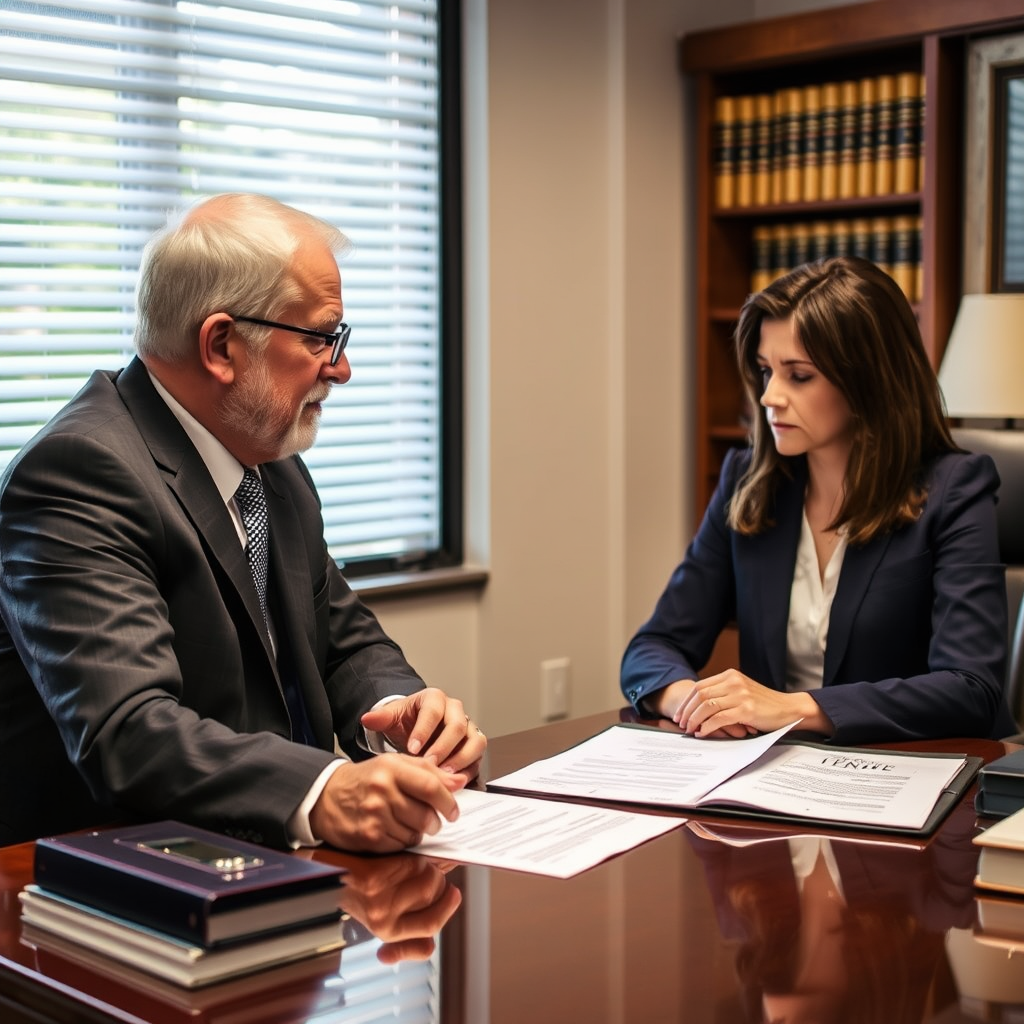
Uncontested Divorce Attorney Fairfax Halifax County, VA: A Clear Path Forward
As of December 2025, the following information applies. In Virginia, an uncontested divorce involves spouses agreeing on all terms, including asset division and child custody. This direct approach can simplify the legal process significantly. The Law Offices Of SRIS, P.C. provides dedicated legal defense for these matters, guiding you toward an efficient resolution.
Confirmed by Law Offices Of SRIS, P.C.
What is an Uncontested Divorce in Virginia?
An uncontested divorce in Virginia occurs when both spouses fully agree on every aspect of ending their marriage. This includes critical issues like the division of marital property and debts, spousal support, and, if applicable, child custody, visitation, and child support. Unlike a contested divorce, where a judge often has to make decisions after extensive litigation, an uncontested divorce allows you and your spouse to determine your future terms amicably and collaboratively. It’s a civil way to dissolve a marriage, often resulting in less emotional distress and financial strain for everyone involved.
For an uncontested divorce to proceed in Virginia, there are specific legal requirements that must be met. Primarily, spouses must live separate and apart without cohabitation and without any intent to reconcile for a specified period. If there are no minor children born of the marriage, this separation period is six months. However, if you have minor children, the separation period extends to one year. Meeting these criteria is fundamental to initiating the process and ensuring your divorce can be categorized as uncontested under Virginia law.
The core of an uncontested divorce hinges on a comprehensive Marital Settlement Agreement (MSA). This legally binding document outlines all agreed-upon terms, covering everything from real estate and retirement accounts to personal belongings and parental responsibilities. Crafting a precise and fair MSA is essential, as it will be incorporated into the final divorce decree. The goal is to ensure that once the divorce is final, there are no lingering disputes, providing both parties with a clear understanding of their rights and obligations moving forward.
Takeaway Summary: An uncontested divorce in Virginia requires full spousal agreement on all terms and a statutory separation period, culminating in a Marital Settlement Agreement. (Confirmed by Law Offices Of SRIS, P.C.)
How to Get an Uncontested Divorce in Virginia?
The path to an uncontested divorce in Fairfax Halifax County, VA, might seem straightforward, but it involves several important legal steps. Understanding this process can help alleviate anxiety and set realistic expectations. Let’s break down what typically happens, helping you navigate these waters with greater confidence. Remember, while the term ‘uncontested’ suggests simplicity, each step demands careful attention to detail and adherence to Virginia’s legal framework.
-
Meet Virginia’s Residency and Separation Requirements
Before you can even file for divorce in Virginia, you or your spouse must have been a resident of the Commonwealth for at least six months. This residency requirement establishes Virginia’s jurisdiction over your case. More critically for an uncontested divorce, you must satisfy the statutory separation period. If you have no minor children, you need to have lived separate and apart from your spouse, without interruption, for at least six months with no intention of reconciling. If you have minor children, this period extends to one year.
This separation isn’t just about living in different houses; it’s about establishing two separate households with the intent that the marriage is over. Documentation, such as separate addresses on utility bills or bank statements, can help demonstrate this. It’s important to understand that even a single instance of cohabitation or an expression of intent to reconcile during this period can restart the clock on your separation, potentially delaying your divorce significantly. Ensure this period is clean and clearly documented.
-
Reach a Comprehensive Marital Settlement Agreement (MSA)
This is the cornerstone of any uncontested divorce. A Marital Settlement Agreement, sometimes called a Property Settlement Agreement, is a legally binding contract that outlines how all marital issues will be resolved. This includes the division of all assets and debts—from real estate and investment portfolios to vehicles and credit card balances. It also addresses spousal support, if applicable, determining the amount, duration, and conditions of payments. For couples with children, the MSA will detail child custody, visitation schedules, and child support obligations, adhering to Virginia’s guidelines.
Crafting a thorough MSA requires open communication and a willingness to compromise between both parties. It’s not about winning or losing; it’s about reaching mutually acceptable terms that allow both spouses to move forward equitably. While you can draft this agreement yourselves, having knowledgeable legal counsel review or assist in its creation is strongly recommended. An attorney can ensure all legal nuances are covered, protect your interests, and prevent future disputes arising from overlooked details or ambiguous language.
-
Prepare and File the Divorce Complaint
Once the separation requirements are met and the Marital Settlement Agreement is finalized and signed by both parties, the formal legal process begins. One spouse, known as the plaintiff, will file a Complaint for Divorce with the appropriate Circuit Court in Fairfax Halifax County, VA. This document formally initiates the divorce proceedings and states the grounds for divorce, which, in an uncontested case, will typically be the statutory separation.
The Complaint for Divorce must include specific information, such as the names of both spouses, the date and place of marriage, and an affirmation that all requirements, including residency and separation, have been met. It will also refer to the signed Marital Settlement Agreement, indicating that all issues have been resolved. Precision in this filing is key, as any errors or omissions could lead to delays or require additional court filings, prolonging a process that should ideally be efficient and straightforward.
-
Serve Your Spouse with Legal Papers
After the Complaint for Divorce is filed, the plaintiff must legally notify the other spouse, known as the defendant, that a divorce action has been initiated. This formal notification is called “service of process.” In an uncontested divorce, where both parties are cooperative, this step is usually quite simple. Often, the defendant will sign a “Waiver of Service,” acknowledging receipt of the divorce papers and waiving their right to formal service by a sheriff or private process server. This cooperative approach saves time and money, aligning with the amicable nature of an uncontested divorce.
However, if a waiver isn’t possible, service can still be completed by a sheriff or a private process server. It’s important that service is executed correctly and that proof of service is filed with the court. The court needs assurance that the defendant has been properly informed of the legal action against them. Improper service can lead to significant delays and even the dismissal of your case, requiring you to restart the process. Ensuring this step is managed properly is a crucial component of moving your uncontested divorce forward efficiently.
-
Complete the Uncontested Divorce by Affidavit or Hearing
In Virginia, an uncontested divorce can often be finalized without either spouse having to appear in court. This is frequently done through what is called an “uncontested divorce by affidavit.” This method involves submitting sworn statements (affidavits) from both spouses and a corroborating witness (who can confirm the separation period and lack of reconciliation) to the court. These affidavits confirm that all legal requirements have been met and that the Marital Settlement Agreement is truly agreed upon by both parties. It’s a streamlined way to conclude the process, designed for efficiency when no disputes exist.
Alternatively, a brief court hearing may be required, although this is less common for truly uncontested cases. During such a hearing, a judge will review the submitted documents, including the MSA, and may ask a few questions to confirm that both parties understand and agree to the terms. Whether by affidavit or a brief hearing, the court’s ultimate goal is to ensure the divorce meets all legal standards and that the Marital Settlement Agreement is fair and equitable, especially concerning any minor children. Once satisfied, the judge will sign the Final Decree of Divorce, making your divorce legally binding.
Can I Ensure My Uncontested Divorce Agreement is Fair?
It’s completely normal to feel concerned about the fairness of your Marital Settlement Agreement, even in an uncontested divorce. While the goal is mutual agreement, sometimes one spouse might feel pressured or worry they’re not fully aware of all marital assets or financial implications. This apprehension is valid, and it’s a situation where having knowledgeable legal counsel becomes invaluable. You want to walk away from your marriage with confidence that the terms are equitable and protect your long-term interests.
Blunt Truth: An agreement is only truly fair if both parties enter it fully informed and without coercion. Even when you’re on good terms with your soon-to-be ex-spouse, personal emotions can cloud judgment, and a lack of experience with legal and financial matters can put you at a disadvantage. A seasoned attorney can meticulously review the proposed MSA, ensuring that all assets and debts have been properly disclosed, valued, and divided according to Virginia law and your best interests. They can identify potential pitfalls or overlooked details that might impact you years down the road, providing you with clarity and peace of mind.
Moreover, your attorney acts as your advocate, ensuring your voice is heard and your needs are addressed within the agreement. They can negotiate on your behalf if certain terms seem unbalanced, even slightly, without escalating the situation into a contested battle. Their objective perspective can help you understand the long-term consequences of various decisions, particularly regarding spousal support, retirement accounts, or child-related expenses. Investing in legal representation during this stage isn’t about fostering conflict; it’s about securing a truly equitable outcome that allows you to confidently begin your next chapter.
Why Hire Law Offices Of SRIS, P.C.?
When you’re facing an uncontested divorce in Fairfax Halifax County, VA, the idea of a smooth resolution is appealing, but the reality can still feel overwhelming. That’s where the Law Offices Of SRIS, P.C. steps in. We understand that even amicable separations involve significant emotional and legal considerations. Our goal is to provide empathetic yet direct legal guidance, transforming a period of uncertainty into a clear path forward.
Mr. Sris, the founder of Law Offices Of SRIS, P.C., brings a wealth of experience to family law matters. He shares, “My focus since founding the firm in 1997 has always been directed towards personally representing the most demanding family law matters our clients face.” This dedication to direct, impactful representation is a cornerstone of our firm’s approach. We don’t just process paperwork; we represent you, listening to your concerns and helping you craft an agreement that truly reflects your needs and protects your future.
Our firm is built on the principle of offering knowledgeable legal support when you need it most. We’re here to explain complex legal terms in plain English, guide you through court procedures, and ensure your Marital Settlement Agreement is robust and fair. We’re committed to making your uncontested divorce as stress-free as possible, allowing you to focus on rebuilding your life. Law Offices Of SRIS, P.C. has locations in Virginia in Fairfax, Loudoun, Arlington, Shenandoah and Richmond. Our firm is ready to help you navigate this important transition.
Call now at +1-888-437-7747 for a confidential case review. Let us put our experience to work for you, ensuring a dignified and efficient end to your marriage.
FAQ
1. How long does an uncontested divorce take in Virginia?
An uncontested divorce in Virginia typically takes 2-6 months after the separation period is met. The exact timeline depends on court caseloads and how quickly paperwork is processed, but it’s generally much faster than contested cases.
2. Do both spouses need a lawyer for an uncontested divorce?
While not legally required, having separate legal counsel is highly recommended. Each attorney ensures their client’s interests are protected, even in amicable situations, preventing future disputes and ensuring fairness.
3. What if we can’t agree on one small issue?
If a minor disagreement arises, it might still be possible to resolve it through mediation or attorney-assisted negotiation. The goal is to avoid escalating it into a fully contested matter, keeping the process efficient.
4. Can we get an uncontested divorce if we have children?
Yes, but the separation period in Virginia is extended to one year if minor children are involved. Additionally, child custody, visitation, and support must be fully agreed upon and documented in the Marital Settlement Agreement.
5. What is a Marital Settlement Agreement (MSA)?
An MSA is a legally binding contract detailing all agreed-upon terms of your divorce, including property division, spousal support, and child arrangements. It’s crucial for an uncontested divorce.
6. Can I file for an uncontested divorce without appearing in court?
Often, yes. Virginia allows for an uncontested divorce by affidavit, where sworn statements are submitted to the court instead of requiring a personal appearance, streamlining the finalization process.
7. What if my spouse lives in a different state?
You can still pursue an uncontested divorce in Virginia if you meet the residency requirements. However, service of process and jurisdictional considerations might require careful legal guidance from an attorney.
8. How is property divided in an uncontested divorce?
Property division is determined by the Marital Settlement Agreement. Spouses agree on how to equitably distribute marital assets and debts, which is then formally incorporated into the final divorce decree.
9. What if one spouse has more assets than the other?
The division in an uncontested divorce is by agreement, not necessarily 50/50. As long as both parties freely and knowingly agree to the terms in the MSA, the court will typically approve the distribution.
10. Is an uncontested divorce cheaper than a contested one?
Generally, yes. Uncontested divorces involve fewer court appearances and less attorney time for litigation, resulting in significantly lower legal fees and overall expenses for both parties.
The Law Offices Of SRIS, P.C. has locations in Virginia in Fairfax, Loudoun, Arlington, Shenandoah and Richmond. In Maryland, our location is in Rockville. In New York, we have a location in Buffalo. In New Jersey, we have a location in Tinton Falls.
Past results do not predict future outcomes.