


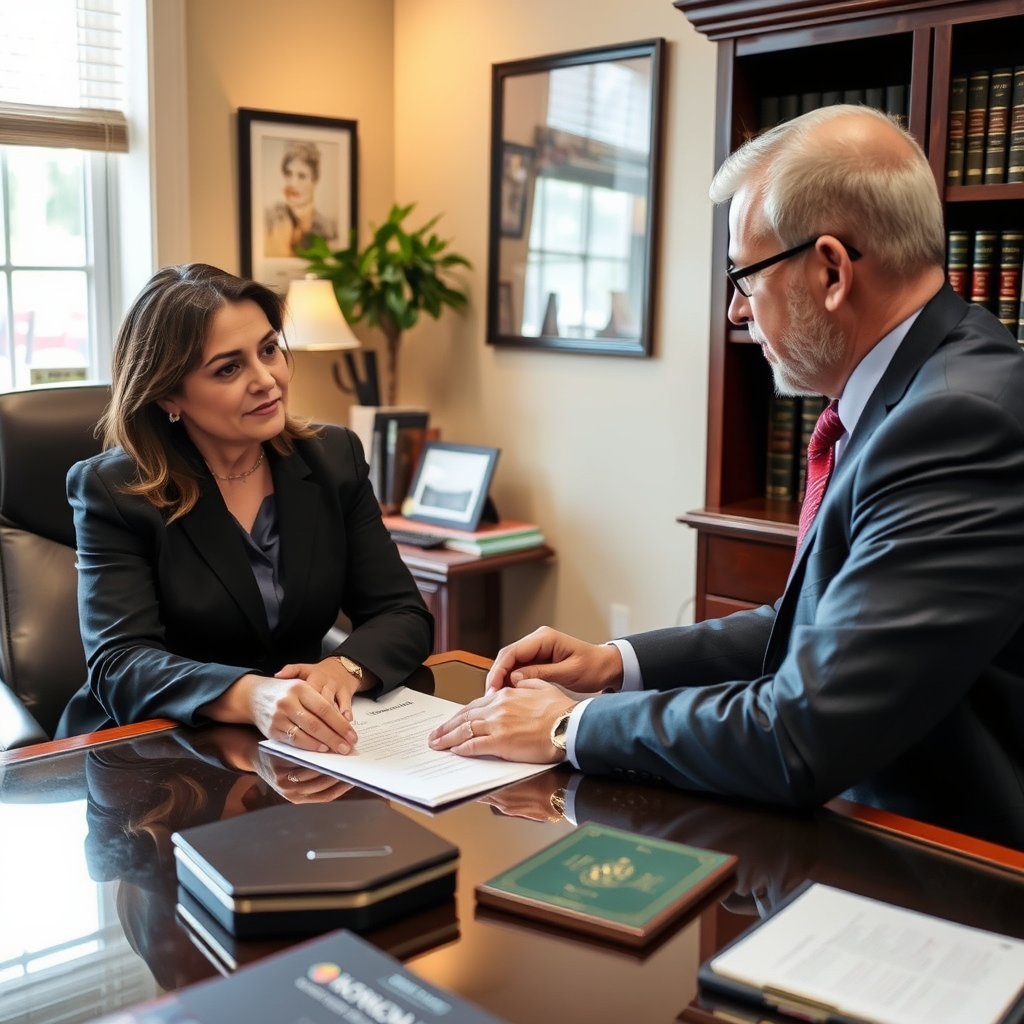
Alleghany County, VA Visitation Attorney: Protecting Your Parental Rights and Securing Fair Parenting Time
When you’re dealing with child visitation matters in Alleghany County, Virginia, it can feel like a minefield. Understanding your rights and the legal process is absolutely vital to ensure your relationship with your children remains strong. At Law Offices Of SRIS, P.C., our seasoned visitation lawyers are here to offer direct, empathetic guidance. We focus on helping you establish, modify, or enforce visitation orders, always keeping your family’s best interests at heart. Don’t face these sensitive issues alone – we’re ready to stand by your side.
Facing a visitation issue in Alleghany County, VA, can make you feel like you’re caught in a storm, an endless cycle of worry and uncertainty. It’s absolutely natural to worry about your fundamental time with your kids and how the courts might ultimately decide things, shaping your family’s future. As of December 2025, the following detailed information applies to addressing these profoundly important matters within Virginia’s legal landscape. Virginia law, at its very core, focuses squarely and unequivocally on the “best interests of the child.” What that seemingly simple phrase means in practical application can often be incredibly intricate, filled with nuances and subjective interpretations. This paramount standard guides every single decision a judge makes regarding where a child lives primarily and, just as importantly, how much meaningful time each parent spends with them. It’s important to understand this isn’t about what makes the parents happy or comfortable; it is, without exception, always about the child’s welfare, stability, and emotional development. Understanding this guiding principle is the first step in approaching any visitation concern.
Understanding Child Visitation in Virginia: Your Fundamental Parental Rights
Child visitation, more commonly referred to as “parenting time” in modern family law, is all about ensuring both parents have meaningful, consistent involvement in their children’s lives after a separation or divorce. In Alleghany County, VA, just like throughout the Commonwealth, courts want to see children benefit from healthy, ongoing relationships with both parents. This is unless there’s a clear and compelling reason why that wouldn’t be safe or in the child’s best interest. This isn’t just a privilege; it’s widely recognized as a fundamental right for parents and a vital component for a child’s optimal emotional and psychological development. When parents find themselves unable to agree on a parenting schedule, a court steps in to create a legally binding visitation order. But getting to that point can be challenging, filled with legal procedures and emotional hurdles. Having a knowledgeable visitation lawyer Alleghany County VA by your side can make all the difference, helping you understand the nuances of the law and present your case effectively to the court.
The Initial Steps: What Happens When You’re Facing a Visitation Dispute?
When a visitation dispute arises, whether it’s an initial disagreement during a divorce proceeding or a conflict over an existing order, the first practical step is often attempting to reach an amicable agreement outside of court. Many parents choose to try mediation, where a neutral third party helps facilitate communication, explore common ground, and encourage compromise. This approach can often be a less stressful, more collaborative, and typically quicker way to resolve disagreements, allowing parents more control over the outcome. However, if an agreement isn’t possible, one parent will usually need to file a formal petition with the Alleghany County Juvenile and Domestic Relations District Court or, in some cases, the Circuit Court. This official filing formally initiates the legal process. From there, you’ll typically go through a period of discovery, where relevant information and documents are exchanged between parties, and eventually, a hearing. During this hearing, a judge will listen to arguments and review evidence from both sides before rendering a decision. It’s a formal legal process, and you’ll definitely want a seasoned parenting time attorney Alleghany County VA to help you prepare thoroughly and advocate persuasively on your behalf.
Factors Courts Consider When Determining Visitation in Virginia
Virginia courts don’t simply create visitation schedules arbitrarily; judges are legally mandated to consider a comprehensive range of statutorily defined factors to determine what’s truly in a child’s best interest. These considerations are designed to create a holistic picture of the child’s needs and each parent’s capabilities and involvement. Let’s break down these critical factors in more detail:
- The child’s age and physical and mental condition: A toddler has vastly different developmental needs than a teenager. Very young children often benefit from more frequent, shorter visits to maintain a consistent bond, while adolescents might have their school, social, and extracurricular activities taken into account. Any special medical or psychological needs of a child will also heavily influence the schedule and care requirements.
- The physical and mental condition of each parent: A parent’s ability to consistently provide a safe, nurturing, and stable environment is paramount. This includes their general health, any history of mental health challenges (and their management), and their capacity to meet the child’s daily needs responsibly.
- The relationship existing between each parent and each child: How strong is the emotional bond? Is one parent more involved in the child’s daily care, school activities, or medical appointments? The court will look at the quality and consistency of the relationship, not just its duration.
- The needs of the child: This is a broad category encompassing everything from educational continuity, access to necessary medical and dental care, emotional support, and maintaining existing social connections. Any special educational requirements or therapeutic needs will be given significant weight.
- The role that each parent has played and will continue to play in the upbringing and care of the child: This assesses historical parental involvement. Who prepared meals, helped with homework, attended parent-teacher conferences, or drove to sports practices? The court often seeks to maintain, as much as possible, the stability and roles that existed before the separation, unless those roles were detrimental.
- The propensity of each parent to actively support the child’s contact and relationship with the other parent: Courts generally look very favorably on parents who encourage and facilitate the child’s relationship with the other parent. A parent who actively obstructs visitation or badmouths the other parent often reflects poorly on their judgment regarding the child’s best interests. This factor emphasizes cooperation and respect between co-parents, even if their personal relationship is strained.
- Any history of family abuse, sexual abuse, or domestic violence: This is a gravely serious factor that can significantly impact visitation decisions. If such a history is proven, the court’s primary concern becomes the child’s safety, which can lead to supervised visitation, limited contact, or even the termination of parental rights in extreme cases. Virginia law is very clear on prioritizing safety in these circumstances.
- The reasonable preference of the child, if the court deems the child of reasonable intelligence, understanding, and experience to express such a preference: While not the sole deciding factor, an older child’s well-reasoned and articulate preference, especially regarding their schedule or living arrangements, can hold significant weight with the court. Judges typically interview children in chambers, outside the presence of parents, to gauge their feelings and maturity.
- Any other factors the court deems relevant: This catch-all allows judges the necessary flexibility to consider unique and specific circumstances that might not fit neatly into the other categories. This ensures that every individual case is given a fair and tailored assessment.
Blunt Truth: These factors aren’t just checkboxes on a legal form; they’re deeply intertwined, and how they specifically apply to your unique family situation in Alleghany County, VA, can be incredibly intricate. A qualified visitation lawyer Alleghany County VA can help you understand these elements, gather and present the necessary evidence, and build a compelling argument that articulates how your proposed visitation arrangement truly serves your child’s best interests. Don’t underestimate the power of thorough preparation and skilled advocacy.
Different Types of Visitation Schedules in Alleghany County, VA
Visitation schedules aren’t a rigid, one-size-fits-all solution. Courts and parents alike strive to craft arrangements that genuinely fit the family’s unique dynamics, considering work schedules, school locations, extracurricular activities, and the children’s developmental stages. Here’s a closer look at some common types of visitation schedules you might encounter or propose:
- Standard Visitation: This is often a starting point for many court orders, particularly if parents live relatively close to each other. It typically involves one parent having the children every other weekend, alternating major holidays (like Thanksgiving, Christmas, and Easter), and an extended period of time during summer breaks, such as two to three weeks. This schedule aims to provide consistent contact for the non-custodial parent.
- Expanded Visitation: For parents who want more than a standard schedule but aren’t seeking 50/50 physical custody, expanded visitation can be a good compromise. This might give the non-custodial parent additional overnight stays during the week, such as a mid-week dinner visit with an overnight, or more frequent shorter visits throughout the month. It’s designed to foster a stronger, more integrated relationship with both parents.
- Supervised Visitation: This is ordered when there are serious concerns about a parent’s ability to provide a safe or stable environment for the child. These concerns might stem from issues like substance abuse, untreated mental health conditions, a history of child abuse or neglect, or severe parental alienation. Supervised visitation means another adult, typically a professional supervisor or a trusted family member, must be present during all visits. The goal is to protect the child while allowing some contact, often as a stepping stone towards unsupervised visitation once concerns are addressed.
- Virtual Visitation: In today’s increasingly connected world, virtual visitation (video calls, phone calls, online gaming interactions) is becoming a vital component of visitation plans, especially for parents who live far apart (interstate or international) or who travel frequently for work. It’s a crucial way to maintain consistent emotional connections and daily communication, bridging geographical distances. Courts often include provisions for specific times for virtual contact, even in local cases.
- Holiday and Summer Schedules: These are often the most contentious parts of any visitation order because they involve significant blocks of time. The order will detail how major holidays (e.g., Spring Break, Thanksgiving, Christmas Eve/Day, New Year’s, Mother’s Day, Father’s Day, birthdays) are divided, usually alternating year to year. Summer schedules typically involve longer, uninterrupted periods with each parent, allowing for vacations and extended bonding time. Clear, detailed provisions for these times are essential to avoid future disputes.
- Customized Schedules: Beyond these common examples, courts can approve highly customized schedules tailored to unique family situations, such as parents working irregular shifts, children with special needs requiring specific routines, or co-parenting arrangements where parents live very close and can share daily duties more fluidly.
Each family’s needs are distinct, and what works effectively for one family certainly won’t work for another. A seasoned parenting time attorney Alleghany County VA helps you meticulously craft and argue for a schedule that genuinely serves your child’s best interests while ensuring your fundamental parental rights are recognized and upheld. They can anticipate potential problems and build contingencies into the order.
Modifying an Existing Visitation Order in Alleghany County, VA
Life changes, and what worked for a family a few years ago might not be suitable now. Perhaps a parent’s job changed, a child’s school needs shifted, or a parent needs to relocate. To modify an existing visitation order in Virginia, you must demonstrate a “material change in circumstances.” This isn’t just a minor inconvenience; it needs to be a significant change that impacts the child’s well-being or the parents’ ability to adhere to the existing order. Common reasons for modification include a parent’s relocation a significant distance away, a change in a parent’s work schedule, or a change in the child’s needs. The process involves filing a petition with the court, presenting evidence of the material change, and demonstrating how the proposed new order would be in the child’s best interest. It’s a legal hurdle, and you’ll want knowledgeable legal guidance to present a compelling case. You can’t just ask the court to change it because you feel like it; there has to be a real, demonstrable reason.
Enforcing Visitation Orders: What Happens When an Order Is Ignored?
It can be incredibly frustrating and emotionally draining when a visitation order isn’t followed by the other parent. If the other parent consistently denies visitation or doesn’t adhere to the schedule, you have legal avenues to enforce the order. You can file a motion for show cause with the Alleghany County court, asking the judge to find the non-compliant parent in contempt of court. The court can then take various actions, including ordering make-up visitation time, ordering the non-compliant parent to pay your attorney’s fees and court costs, or even modifying the existing order to prevent future non-compliance. In extreme and persistent cases, fines or even jail time might be imposed, though this is rare for first offenses. Real-Talk Aside: Enforcing an order isn’t about punishment; it’s about making sure your child gets the time with both parents that the court has deemed appropriate. Documenting every instance of non-compliance is essential. A seasoned visitation lawyer Alleghany County VA can help you collect this evidence and present a strong case for enforcement.
Relocation and Its Impact on Visitation in Virginia
When a parent with custody or significant visitation rights decides to move a substantial distance, it inevitably affects the existing visitation schedule. In Virginia, if a parent plans to relocate out of state or a significant distance within the state, they generally need to notify the other parent and, often, the court. If the other parent objects, the court may need to approve the relocation and, if approved, issue a modified visitation order. The court will again apply the “best interests of the child” standard. Factors considered in relocation cases include the reasons for the proposed relocation, whether the relocation would improve the quality of life for the parent and child, the impact on the child’s relationship with the non-relocating parent, and the feasibility of a new visitation schedule. These cases are particularly challenging because they involve competing interests and can drastically alter a child’s routine and relationships. Having a dedicated parenting time attorney Alleghany County VA is crucial to navigate these complex issues, whether you’re the parent seeking to move or the parent opposing the move.
Grandparent Visitation Rights in Alleghany County, VA
While Virginia law primarily focuses on parental rights, grandparents do have avenues to seek visitation. Generally, a grandparent can petition the court for visitation if their grandchild’s parents are deceased, their grandchild’s parents are separated or divorced, or the grandparent has lived with the grandchild for six months or more. Crucially, it must be demonstrated that denying visitation would cause actual harm to the child. The legal standard for grandparent visitation is very high, requiring clear and convincing evidence that it’s in the child’s best interest and that denying it would be detrimental. This isn’t a straightforward process, and if you’re a grandparent seeking visitation, you’ll definitely want experienced legal counsel to guide you through the specific requirements in Alleghany County, VA.
The Emotional Toll of Visitation Disputes and How Legal Support Helps
Let’s be honest: visitation disputes are emotionally draining for everyone involved, especially the children. The stress, uncertainty, and potential for conflict can feel overwhelming. It’s tough to focus on the legalities when your heart is aching or your temper is flaring. This is precisely why having an objective, knowledgeable visitation lawyer Alleghany County VA is so important. They can provide a buffer, shielding you from direct conflict with the other parent; offer clarity, explaining the legal process and what to expect; protect your rights, ensuring your parental voice is heard; and reduce stress by handling the legal heavy lifting. You don’t have to carry this burden alone. Our approach at Law Offices Of SRIS, P.C. is to be empathetic but direct, offering clear guidance when you need it most. We understand the stakes are incredibly high, and we’re here to help shoulder that load, providing peace of mind during turbulent times.
Specific Considerations for Families in Alleghany County, VA
While Virginia law applies statewide, local courts and their specific procedures can sometimes have nuances. Understanding how cases are typically addressed in the Alleghany County court system is a distinct advantage. Our seasoned attorneys at Law Offices Of SRIS, P.C. have extensive experience working within Virginia’s legal framework, offering you local insight combined with deep legal knowledge. Whether your case involves a newly separated couple seeking an initial order or a long-standing dispute requiring modification, having a legal team familiar with the local context can make a tangible difference in how your case progresses. We’re here to help residents of Alleghany County address these critical legal processes effectively and with confidence. We recognize the community, and we recognize the importance of family here, striving for outcomes that truly benefit your children.
General Advice for Parents Facing Visitation Challenges
It’s incredibly easy to get lost in the overwhelming emotional aspects of a visitation battle, but here are some profoundly practical pieces of advice that can help protect your family and strengthen your legal position:
- Document Everything, Diligently: This cannot be stressed enough. Keep a detailed, chronological journal or log of all interactions with the other parent, every instance of missed visitations, all relevant communications (emails, texts), and any concerns you have about your child’s well-being or the other parent’s conduct. Dates, times, specific details, and names are absolutely key. This documentation serves as invaluable evidence if your case proceeds to court. A visitation lawyer Alleghany County VA will tell you that a well-kept log is worth its weight in gold.
- Maintain Your Focus on the Child’s Best Interests: Always, always remember the core ‘best interests of the child’ standard. Frame all your arguments, requests, and even your personal conduct around what’s genuinely best for your kids, not what’s convenient, spiteful, or vengeful for you. Courts are very adept at seeing through parental agendas, and focusing on the child’s well-being will always reflect positively on you.
- Strive for Cooperation and Reasonableness Whenever Possible: While you might have deep disagreements with the other parent, try to be cooperative and reasonable in your interactions, especially concerning the children. Courts look favorably on parents who can demonstrate an ability to co-parent effectively and prioritize their children’s stability, even amidst personal differences. An unreasonable stance can hurt your case.
- Shield Your Child from Parental Conflict: This is paramount for your child’s emotional health. Never badmouth the other parent in front of your children, involve them in adult disputes, or use them as messengers. This creates immense stress, loyalty conflicts, and long-term emotional damage for the children. Your personal feelings about the other parent should never spill over to impact your child’s relationship with them.
- Seek Legal Counsel Early – It’s a Proactive Step: The sooner you get a knowledgeable visitation lawyer Alleghany County VA involved, the better your chances of achieving a favorable outcome and reducing prolonged stress. Early intervention can often prevent small disagreements from escalating into major, costly legal battles. A lawyer can advise you on your rights, help you avoid missteps, and guide you through negotiations or court proceedings from the outset. Don’t wait until problems become insurmountable.
- Thoroughly Understand Your Visitation Order: Read your visitation order thoroughly and repeatedly. Know exactly what it says, what your rights are, and what your responsibilities are. Many disputes arise from misinterpretations of the order. If you’re unclear about any provision, don’t guess—ask your parenting time attorney Alleghany County VA for clarification immediately. Knowledge of your order is your power.
These aren’t just suggestions; they are absolutely vital steps to protect your family, safeguard your parental rights, and strengthen your legal standing in any visitation matter within Alleghany County, VA. Implementing these practices can significantly influence the outcome of your case and, more importantly, foster a healthier environment for your children.
How To Navigate a Visitation Case in Alleghany County, VA
It can feel overwhelming when you’re facing a visitation case, whether you’re establishing a new order or trying to modify an existing one. Here’s a clear, step-by-step guide on how to approach it:
- Identify Your Goals: Before anything else, sit down and honestly consider what kind of visitation schedule you believe is in your child’s best interest. Think about logistics, holidays, and school schedules.
- Gather All Relevant Documentation: This includes any existing court orders, communication records with the other parent (texts, emails), school reports, medical records, and a detailed log of your child’s activities and your involvement.
- Seek a Confidential Case Review: Don’t try to go it alone. Reach out to a seasoned visitation lawyer Alleghany County VA for a confidential case review. They can explain your rights, assess your situation, and outline the legal process.
- Attempt Mediation or Negotiation (If Appropriate): If possible and safe, try to reach an agreement with the other parent through mediation. This can save time, money, and emotional strain. Your lawyer can guide you through this.
- File a Petition with the Court: If an agreement isn’t reached, your attorney will help you file the necessary petition with the appropriate Alleghany County court (Juvenile and Domestic Relations District Court or Circuit Court).
- Participate in Discovery: This phase involves exchanging information and documents with the other side. Be thorough and honest with your legal team.
- Attend Hearings and Present Your Case: Your lawyer will represent you in court, presenting evidence and arguments to support your proposed visitation schedule, always focusing on the child’s best interests.
- Adhere to the Final Order: Once a visitation order is issued, it’s a legal document. Strictly adhere to its terms, and if problems arise, consult your attorney before taking any action.
Can I Change a Visitation Order Without Going to Court in Alleghany County, VA?
It’s a common question, and one that often causes a lot of anxiety for parents. Can you change a visitation order without needing to go back to court in Alleghany County, Virginia? The short answer is: sometimes, but it’s tricky and risky without proper legal guidance. You and the other parent can agree to informal changes, but these aren’t legally binding. If one parent later decides to revert to the old order, or simply stops following the informal agreement, you have no legal recourse to enforce the unwritten changes. For any change to be legally enforceable, it must be formalized by the court. This usually means filing a motion to modify the order and having a judge approve the new terms. Even if both parents agree to a modification, it’s highly advisable to have a visitation lawyer Alleghany County VA draft a consent order that the judge can then sign, making it official and binding. This protects both parents and, most importantly, provides stability and clarity for the children. Trying to bypass the court entirely for significant changes can lead to future complications and legal headaches.
Why Hire Law Offices Of SRIS, P.C. for Your Alleghany County Visitation Case?
When you’re facing a child visitation case in Alleghany County, VA, you need more than just legal advice; you need a team that understands the emotional weight of these situations and can provide clear, direct support. At Law Offices Of SRIS, P.C., we bring a wealth of experience to family law matters, focusing on pragmatic solutions while fiercely advocating for your parental rights and your children’s best interests.
Mr. Sris, our founder, has a deep-seated commitment to family law. He says, “My focus since founding the firm in 1997 has always been directed towards personally addressing the most challenging and complex criminal and family law matters our clients face.” This dedication to tough cases, combined with a compassionate approach, defines our firm. We don’t just process cases; we work with you, providing reassurance and strategy every step of the way.
Law Offices Of SRIS, P.C. has locations in Woodstock, VA, serving Alleghany County and surrounding areas. Our office details are:
Office ID: office-shenandoah
Address: 505 N Main St, Suite 103, Woodstock, VA, 22664
Phone: +1-888-437-7747
We’re prepared to offer a confidential case review to discuss your specific visitation concerns, whether you’re seeking to establish a new order, modify an existing one, or enforce parental rights. Our team is ready to provide the knowledgeable and empathetic representation you deserve. Don’t let uncertainty dictate your future with your children; let us help you achieve clarity and hope.
FAQ: Frequently Asked Questions About Visitation in Alleghany County, VA
Q1: What does “best interests of the child” mean in Virginia visitation cases?
A1: This legal standard guides all court decisions in Virginia family law. It means the judge considers all factors affecting a child’s welfare, health, safety, and development to determine the most beneficial living and visitation arrangement for them.
Q2: Can a child choose which parent to live with in Alleghany County, VA?
A2: Virginia courts will consider a child’s reasonable preference if the child is deemed mature enough to express one. However, it’s not the sole deciding factor; the court weighs it alongside many other “best interest” factors.
Q3: What if the other parent violates the visitation order?
A3: If the other parent consistently violates the order, you can file a motion for show cause with the court. The court can then order make-up time, impose fines, or even modify the order to ensure compliance.
Q4: Is mediation required for visitation disputes in Virginia?
A4: While not always legally required, mediation is often strongly encouraged by Virginia courts. It provides an opportunity for parents to reach agreements outside of court, which can be less adversarial and more cost-effective.
Q5: Can I get supervised visitation for my child?
A5: Supervised visitation is typically ordered when there are serious safety concerns about a parent, such as substance abuse, mental health issues, or a history of abuse. You must provide clear evidence to the court supporting this need.
Q6: How long does a visitation case usually take in Alleghany County, VA?
A6: The timeline varies greatly depending on the complexity of the issues, the court’s calendar, and how cooperative the parents are. Simple cases might resolve in months, while complex, highly contested cases can take over a year.
Q7: Can a grandparent get visitation rights in Virginia?
A7: Yes, Virginia law allows grandparents to petition for visitation under specific circumstances, such as parental separation, divorce, or death. However, the legal standard is high, requiring proof it’s in the child’s best interest.
Q8: What if one parent wants to move out of Virginia with the child?
A8: If a parent with custody or significant visitation plans to relocate a substantial distance, they generally need court permission. The court will assess if the move is in the child’s best interest and adjust the visitation schedule accordingly.
Q9: What evidence do I need for a visitation case?
A9: Useful evidence includes communication records with the other parent, school reports, medical records, a detailed log of visitation history, and any documented concerns about the child’s welfare or the other parent’s conduct.
Q10: What is parenting time vs. visitation?
A10: These terms are often used interchangeably. “Parenting time” is generally preferred in modern family law as it reflects a more active and involved role for both parents, moving away from the more passive connotation of “visitation.”
Past results do not predict future outcomes.