


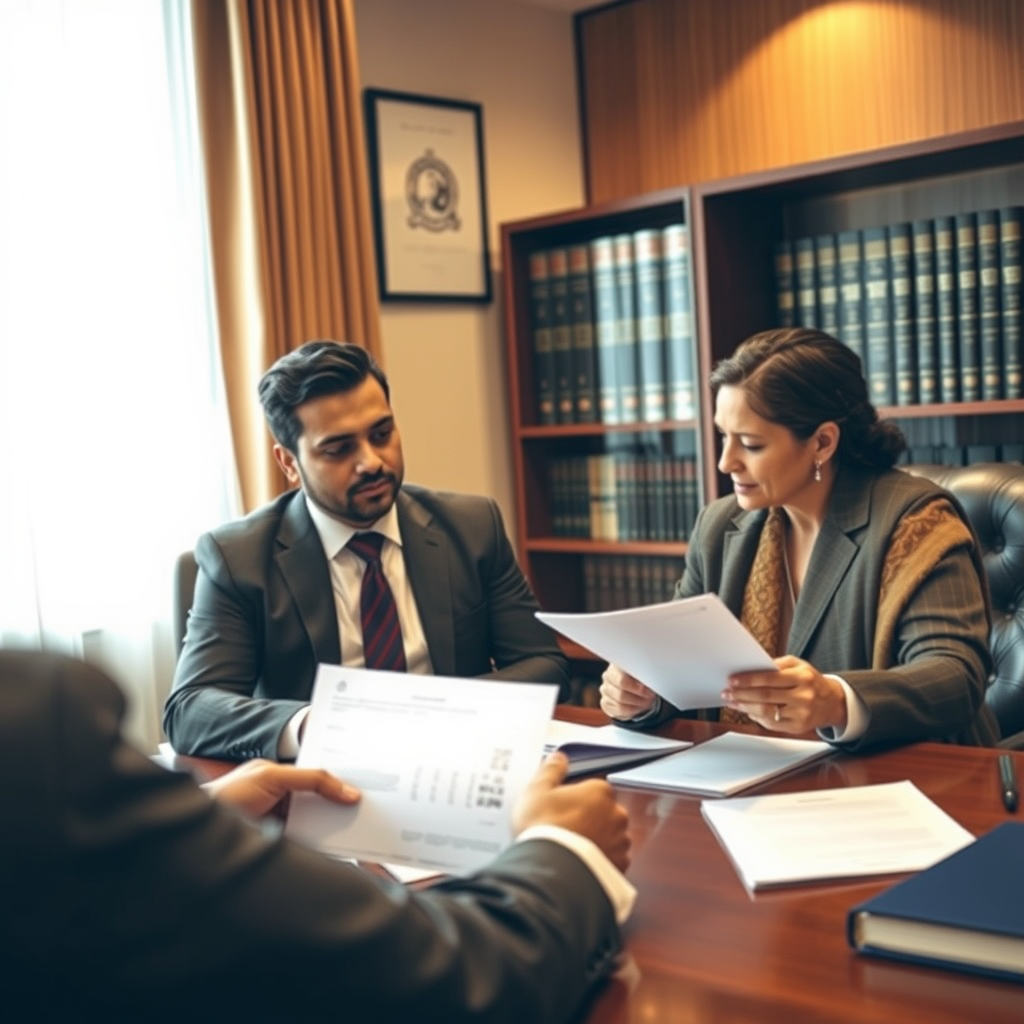
Indian Divorce in Virginia: Your Clear Path Forward with a US Divorce Attorney at Law Offices Of SRIS, P.C.
As of December 2025, the following information applies. In Virginia, Indian Divorce Lawyers USA involves addressing specific cultural, religious, and legal aspects of marital dissolution for individuals of Indian origin, often involving considerations of both US and Indian law. A US Divorce Attorney can help you understand your rights and options. The Law Offices Of SRIS, P.C. provides dedicated legal defense for these matters.
Confirmed by Law Offices Of SRIS, P.C.
What is Indian Divorce in Virginia?
When we talk about ‘Indian divorce’ in Virginia, we’re really discussing divorce cases involving individuals of Indian heritage or those where an Indian marriage took place, and now one or both spouses reside in the United States, specifically in Virginia. This often means dealing with a unique blend of personal laws rooted in Indian culture and religion (like Hindu, Muslim, Christian, or Parsi personal laws) alongside the established divorce laws of the Commonwealth of Virginia. It’s a situation that requires a careful, seasoned approach because the legal implications can stretch across continents. You might be dealing with property acquired in India, assets in the US, questions of child custody that involve family back home, or even issues regarding the validity of a marriage performed under Indian customs. The US legal system, particularly in Virginia, recognizes legally performed marriages from other countries, but the specific grounds for divorce, division of assets, and spousal support will primarily be determined by Virginia state law once jurisdiction is established. However, understanding the cultural background and potential interplay with Indian legal principles is vital for effective representation.
Takeaway Summary: Indian divorce in Virginia refers to cases where individuals of Indian origin seek divorce under Virginia law, often requiring consideration of both US legal principles and the cultural or religious aspects of their Indian marriage. (Confirmed by Law Offices Of SRIS, P.C.)
How to Approach an Indian Divorce Case in Virginia?
Taking on an Indian divorce in Virginia means you’re looking at a journey that combines legal procedures with deeply personal and cultural considerations. It’s not just about filling out forms; it’s about understanding your rights, protecting your future, and ensuring your voice is heard. Here’s a breakdown of the steps involved, designed to give you a clearer picture:
- Understand Jurisdiction and Residency: First things first, Virginia has specific residency requirements for filing for divorce. Generally, at least one party must have been a resident of Virginia for a minimum of six months immediately preceding the filing of the divorce. This is critical to establish the court’s authority over your case. For Indian divorces, sometimes one spouse lives here, and the other lives abroad. Getting this right is foundational to starting your legal process on solid ground.
- Identify the Grounds for Divorce: Virginia recognizes both fault and no-fault divorce. A no-fault divorce requires a period of separation (six months if there are no minor children and the parties have a written settlement agreement, or one year if there are minor children or no agreement). Fault grounds can include adultery, felony conviction, cruelty, or desertion. For Indian cultural contexts, allegations of cruelty or desertion might carry different weight or understanding, which a knowledgeable attorney will appreciate when presenting your case.
- Gather All Relevant Documentation: This step can feel overwhelming, but it’s incredibly important. You’ll need marriage certificates, birth certificates for children, financial records (bank statements, tax returns, property deeds both in the US and potentially in India), and any documents related to assets, debts, or businesses. Don’t forget about immigration documents, if applicable, as they can sometimes intertwine with divorce proceedings, especially concerning sponsorship or visa status. The more organized you are here, the smoother the process tends to be.
- Address Property and Asset Division: Virginia is an equitable distribution state. This means marital property is divided fairly, though not necessarily equally. For individuals with ties to India, this can get complicated quickly. You might have inherited property, dowry considerations, joint accounts in India, or investments made across borders. Valuing these assets accurately and determining what constitutes marital versus separate property requires a keen understanding of both US and potentially Indian financial practices.
- Determine Child Custody and Support: If you have children, their well-being is the court’s paramount concern. Virginia courts make decisions based on the child’s best interests. This involves legal custody (who makes decisions about the child’s upbringing) and physical custody (where the child lives). In Indian divorce cases, sometimes extended family in India plays a significant role, or there might be concerns about international child abduction. A seasoned attorney will help you develop a parenting plan that protects your children while respecting cultural nuances.
- Consider Spousal Support (Alimony): Spousal support, or alimony, is decided based on various factors, including the length of the marriage, the financial needs of each party, their earning capacities, and contributions to the marriage. In some Indian cultural contexts, expectations around financial support can differ from US norms, making it essential to have a lawyer who can articulate your position effectively within the Virginia legal framework.
- Mediation and Settlement Negotiations: Many divorces are resolved through agreement rather than litigation. Mediation offers a confidential forum to discuss terms with your spouse, often leading to a mutually acceptable settlement agreement. This can be especially beneficial in Indian divorces, where maintaining family harmony, even post-divorce, might be a significant cultural priority. If an agreement is reached, it becomes a binding court order.
- Trial (If Settlement Isn’t Possible): If you and your spouse can’t agree on all issues, your case may proceed to trial. At trial, a judge will hear evidence and make decisions on property division, custody, support, and other matters. This is where strong legal representation becomes even more critical to present your case compellingly and defend your rights in court.
- Finalizing the Divorce Decree: Once all issues are resolved, either by agreement or court order, a final divorce decree is entered. This is the official document that legally ends your marriage. It’s crucial to ensure all terms are clear and enforceable, especially when dealing with aspects that might extend beyond US borders.
Taking on an Indian divorce in Virginia can feel like a heavy burden, but with a clear understanding of the process and a dedicated legal advocate by your side, you can move forward with confidence. You’ve got this, and we’re here to help.
Can My Indian Divorce Case Be Handled Fairly in the US System?
It’s entirely understandable to feel a sense of apprehension when you’re facing an Indian divorce in a foreign legal system like that of the United States. Many people worry whether the courts will truly grasp the cultural nuances, traditional expectations, or specific religious aspects that are often deeply intertwined with Indian marriages and divorces. You might be concerned about how things like dowry, gifts given at the wedding, or property held jointly with family members in India will be viewed. These are valid concerns, and the blunt truth is, the US legal system operates on its own established principles, which can sometimes feel distant from traditional Indian family norms.
However, it’s also important to remember that the American legal system, particularly in Virginia, is designed to be fair and impartial to all individuals, regardless of their background. The judges and courts in Virginia are accustomed to presiding over cases involving diverse cultures and backgrounds. While they may not be intimately familiar with every single aspect of Indian personal laws or customs, a knowledgeable US divorce attorney can effectively present these contextual details in a way that helps the court understand the full picture of your marriage and separation. Your attorney’s role isn’t to force the court to adopt Indian law, but to explain how cultural factors influenced your marital assets, liabilities, or even your parenting approach, allowing the court to make an informed decision within Virginia’s legal framework.
This means your case can, absolutely, be handled fairly. The key lies in having legal representation that not only understands Virginia divorce law inside and out but also has experience working with clients from diverse backgrounds, including the Indian community. They can bridge the gap between cultural understanding and legal interpretation, ensuring that while the legal proceedings adhere to Virginia statutes, the unique circumstances of your Indian marriage are properly communicated and considered. We’ve seen countless families successfully resolve their matters, finding a path that respects their heritage while securing their legal rights under US law. Your peace of mind matters, and achieving a just outcome is always the goal.
Why Hire Law Offices Of SRIS, P.C.?
When your life feels like it’s being pulled in two different directions, especially during something as personal as an Indian divorce, you need more than just a lawyer; you need a steadfast advocate. At Law Offices Of SRIS, P.C., we understand the emotional weight and cultural considerations that come with these types of cases in Virginia. We’re not just here to process paperwork; we’re here to represent your best interests with dedication and a deep understanding of what’s at stake.
Mr. Sris, our founder, brings a wealth of experience to every case. He has committed his career to guiding clients through challenging legal situations, and his approach is rooted in clear communication and strategic representation. He shares, “My focus since founding the firm in 1997 has always been directed towards personally managing the most challenging and complex criminal and family law matters our clients face.” This insight highlights the personalized attention and seasoned perspective you can expect when you choose Law Offices Of SRIS, P.C. Mr. Sris’s background in accounting and information management also provides a unique advantage when addressing the intricate financial and technological aspects often inherent in modern legal cases, which can be particularly relevant when dealing with international assets or digital communications in a divorce.
Choosing us means choosing a firm that’s committed to clarity and practical solutions. We know you’re looking for someone who gets it, someone who can offer reassuring guidance through what feels like uncharted territory. Our firm is built on the principle of providing that direct, empathetic support while aggressively working to achieve favorable outcomes for you. We’re not afraid to take on complicated situations, and we pride ourselves on being accessible and responsive to our clients’ needs.
Our firm also has a strong presence, with Law Offices Of SRIS, P.C. having locations across the region to serve you better. For matters in Virginia, you can find us at:
Law Offices Of SRIS, P.C.
4008 Williamsburg Court
Fairfax, VA, 22032, US
Phone: +1-703-636-5417
We’re here to listen, to understand your unique situation, and to craft a legal strategy that protects your future. Don’t let uncertainty define your next steps. Call now for a confidential case review. You deserve to move forward with confidence, and we’re ready to help you achieve that.
Frequently Asked Questions About Indian Divorce in Virginia
Q1: Do Virginia courts recognize marriages performed in India?
Yes, Virginia courts generally recognize marriages legally performed in India, provided they complied with Indian laws at the time. The validity of the marriage itself is usually not the primary issue in a Virginia divorce case.
Q2: What if my spouse lives in India and I want to divorce in Virginia?
If your spouse lives in India, establishing jurisdiction can be challenging. You’ll need to meet Virginia’s residency requirements and properly notify your spouse of the divorce proceedings, often requiring international service of process.
Q3: How are assets in India divided in a Virginia divorce?
Virginia courts can consider all marital assets, including those located in India, during equitable distribution. While they can’t directly divide property in India, they can offset its value against US assets or order specific actions.
Q4: Does the concept of ‘dowry’ affect property division in Virginia?
Dowry is not a legal concept under Virginia divorce law for property division. However, an attorney can help clarify how any assets given as dowry might be categorized as separate or marital property based on the specific circumstances and documentation.
Q5: Can I get an annulment for an Indian marriage in Virginia?
Annulment is possible in Virginia if certain conditions are met, such as fraud or bigamy, making the marriage void or voidable from its inception. It’s distinct from divorce and has different legal grounds.
Q6: How does child custody work if one parent wants to move back to India?
Child custody decisions in Virginia prioritize the child’s best interests. If a parent wants to move internationally, it would require court approval and involve evaluating factors like the child’s ties to Virginia, access to education, and safety.
Q7: Will my divorce decree from Virginia be recognized in India?
Recognition of a Virginia divorce decree in India depends on various factors, including whether both parties participated in the Virginia proceedings and if the decree violates Indian public policy. It often requires separate action in Indian courts.
Q8: What about religious or cultural ceremonies related to divorce?
Virginia courts focus on the legal dissolution of marriage. While cultural or religious divorce ceremonies hold personal significance, they do not legally end a marriage in Virginia. A civil divorce decree is required for legal separation.
Q9: Can I remarry immediately after a Virginia divorce?
Once your final divorce decree is entered in Virginia, you are legally free to remarry. There is no waiting period imposed by Virginia law after the decree is finalized.
Q10: What is a confidential case review?
A confidential case review is an initial meeting with an attorney where you discuss the details of your situation in private. It’s a chance to get legal insights and understand your options without commitment, and your information remains protected.
The Law Offices Of SRIS, P.C. has locations in Virginia in Fairfax, Loudoun, Arlington, Shenandoah and Richmond. In Maryland, our location is in Rockville. In New York, we have a location in Buffalo. In New Jersey, we have a location in Tinton Falls.
Past results do not predict future outcomes.